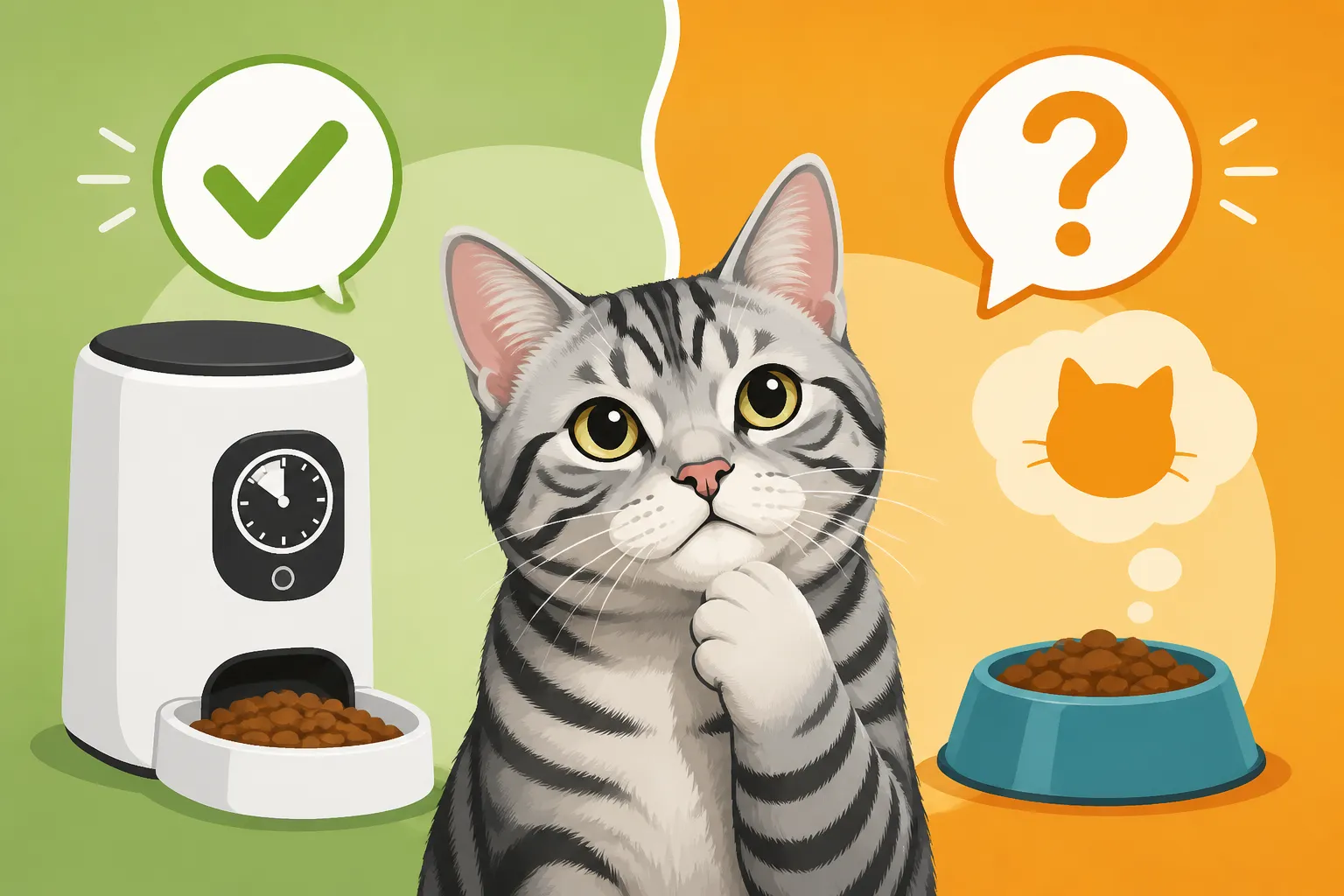
Whether a Timed Feeder Suits an American Shorthair
It's a common dilemma for American Shorthair owners: you love your cat, but managing their mealtimes can feel like a constant battle, especially with their hearty appetites. You might be considering a timed feeder to bring some order to the chaos and wondering if it’s truly a good fit for your sturdy, sensible feline companion. This guide will delve into whether an automatic timed feeder is a suitable solution for your American Shorthair, exploring the benefits, potential drawbacks, and how to make it work best for their unique needs.
The American Shorthair's Unique Relationship With Food and Instincts
When you look at your American Shorthair, you're seeing generations of efficient, independent hunters. They weren't bred for delicate features or extreme traits; they were bred to work, and that work revolved heavily around food acquisition. This history deeply influences their modern-day eating habits, often leading to a ravenous appetite that can surprise first-time owners.
The Hunter's Appetite: Why They Always Seem Hungry
Imagine a cat whose survival depended on catching its next meal. That's the lineage of your American Shorthair. Their ancestors were the ultimate pest control experts on ships and farms, meaning they needed to be ready to pounce and consume whatever prey was available. This isn't just about hunger; it's a deep-seated instinct to eat when food is present because the next meal wasn't guaranteed. Even though your American Shorthair's food bowl is always full (or you wish it could be!), that primal drive can make them act as if they're perpetually starving. They often appear to "clean their plate" with remarkable efficiency, leading many owners to believe they're still truly hungry, when in reality, it's just their efficient eating habits at play. This inherent drive explains why they might stare longingly at you, even right after a meal.
Portion Control Challenges: How Their Past Job Impacts Modern Feeding
Because their ancestors had to hunt and expend significant energy for every meal, the concept of "portion control" was pretty much non-existent in their natural environment. A working cat would eat what it caught, and if it caught a lot, it ate a lot. Today's indoor American Shorthair, however, often leads a much more sedentary life. While they retain their strong hunting instincts, the actual effort involved in acquiring food is minimal, often just a short walk to a bowl. This creates a disconnect: the body is still telling them to eat like a working cat, but their lifestyle doesn't burn nearly as many calories. This can make Feeding an American Shorthair That No Longer Hunts Its Food a real challenge, as their natural inclination is to overeat, leading to common issues like weight gain. It's not their fault; it's a legacy of their highly effective past.
How Timed Feeders Work and Their Potential Benefits for American Shorthairs
Timed feeders have become a popular tool for pet owners looking to manage their cat's diet and schedule. For an American Shorthair, with their robust build and hearty appetite, these devices can offer some genuine advantages, helping to mitigate the challenges presented by their historical eating patterns.
Regulating Meal Schedules: Consistency Is Key
One of the most significant benefits of a timed feeder is the ability to establish a consistent feeding schedule. Cats, including American Shorthairs, thrive on routine. They are creatures of habit, and knowing when their meals will arrive can reduce anxiety and disruptive behaviors often associated with inconsistent feeding times. Instead of your cat pestering you at dawn because their internal clock is off, a timed feeder can dispense breakfast at the same hour every day, whether you're awake or not. This regularity can contribute to a calmer household environment and a more predictable cat. It essentially takes you out of the equation as the "food dispenser," allowing your cat to associate meal times with the machine, not your presence.
Preventing Overeating: A Barrier Against the Bottomless Pit Syndrome
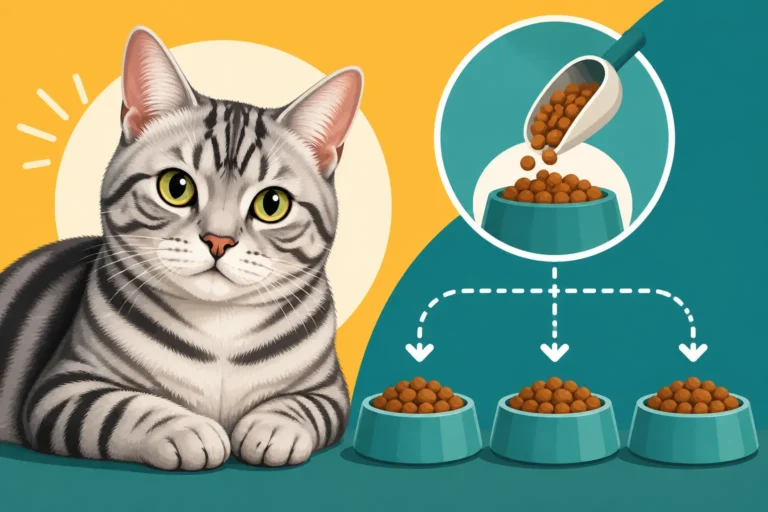
If you've ever found yourself wondering Why an American Shorthair's Appetite Outlasted Its Job, you're not alone. The sheer enthusiasm with which they approach a meal can make it hard to resist filling the bowl "just a little more." Timed feeders are fantastic for strict portion control. You pre-program the exact amount of food to be dispensed at each meal, removing the temptation for free-feeding or accidentally overfilling the bowl. This is especially critical for American Shorthairs, who are prone to weight gain due to their muscular build and strong appetite combined with an indoor lifestyle. By providing precise, measured portions, a timed feeder helps prevent the gradual creep of extra pounds, which can lead to more serious health issues down the line. It's a proactive step in managing their long-term health.
Convenience for Busy Owners: Peace of Mind
Let's face it, life gets busy. Whether you're working late, traveling for a short trip, or simply running errands, ensuring your American Shorthair gets their meals on time can be a source of stress. A timed feeder provides invaluable convenience, ensuring your cat is fed even when you can't be there. This isn't just about saving you time; it's about peace of mind. You won't have to worry about your cat going hungry or disrupting their routine. For a breed that values its independence and doesn't demand constant attention, this autonomy can be quite beneficial. Many modern feeders, often found on platforms like Amazon or Chewy, even offer app-controlled features, allowing you to dispense food or check schedules remotely, adding another layer of convenience.
The Downsides and Considerations for American Shorthairs and Timed Feeders
While timed feeders offer compelling benefits, they aren't a perfect, one-size-fits-all solution. There are specific considerations, especially for a breed like the American Shorthair, that need to be addressed before integrating one into your daily routine.
The Speed Eater Dilemma: Gulping Food Too Fast
One of the ironic challenges of timed feeders, especially with a cat as enthusiastic about food as the American Shorthair, is that they can sometimes encourage speed eating. When a fixed portion drops, some cats will gobble it down in record time, leading to regurgitation or just a feeling of being unsatisfied because the meal was over too quickly. This defeats the purpose of providing a steady, controlled intake. For American Shorthairs, whose ancestors would have spent time stalking and working for their food, simply having it appear in a bowl, even a small portion, can lead to this "scarf and barf" behavior. It's important to monitor how your cat eats from the feeder and consider slow-feed bowls or puzzle feeders to mitigate this issue.
Lack of Engagement: Missing the "Hunt" Aspect
Remember, the American Shorthair comes from a lineage of hunters. The act of stalking, pouncing, and "killing" their prey, even if it's just a toy, is deeply ingrained. A standard timed feeder simply presents food, offering no mental or physical engagement. This lack of stimulating "work" can be a significant drawback. A cat that previously had to chase a mouse or solve a simple puzzle to get its food might find the timed feeder dull and unfulfilling. This can lead to frustration or boredom, which can manifest in other unwanted behaviors. While Making an American Shorthair Work for Its Dinner Again can be a great way to reintroduce this engagement, a basic timed feeder alone might not provide enough of that crucial mental stimulation.
Potential for Malfunctions: What Happens If It Breaks?
Like any electronic device, timed feeders can malfunction. Batteries can die, mechanisms can jam, or programming errors can occur. While reputable brands often have good reliability, there's always a risk. Imagine you're away for a weekend, and the feeder stops dispensing food. Your American Shorthair, who is used to a strict schedule, could go hungry. This highlights the importance of having backup plans, especially for longer absences. It's wise to test any new feeder extensively before relying on it completely and to ensure it has backup battery power in case of a power outage. Always leave instructions for a trusted cat sitter or neighbor, even if you have a feeder, just in case they need to check on things.
Making a Timed Feeder Work for Your American Shorthair (or Alternative Strategies)
So, you've weighed the pros and cons, and you still think a timed feeder might be the right choice for your American Shorthair. Great! Now, let's talk about how to implement it effectively to maximize the benefits and minimize the downsides, often by incorporating elements that honor their natural instincts.
Choosing the Right Feeder: Slow-Feed Options and Durability
When selecting a timed feeder, don't just grab the cheapest option. For an American Shorthair, durability is key – they're strong cats and can be quite clever if they think there's food to be had. Look for feeders made from sturdy materials that can withstand a determined nudge or paw. More importantly, consider feeders that integrate slow-feeding mechanisms. These can be built-in baffles, small compartments, or even models that double as puzzle feeders. These features force your cat to eat more slowly, making them work a little for each morsel, which can help prevent rapid consumption and engage their minds. Brands available on platforms like Chewy and Amazon often have detailed descriptions and user reviews that can guide you to models with these crucial features.
Here's a quick comparison of feeder types to help you decide:
| Feeder Type | Description | Pros for American Shorthair | Cons for American Shorthair |
|---|---|---|---|
| Gravity Feeder | Bowl refills automatically as food is consumed, always full. | Simple, no batteries, always available food. | No portion control, encourages overeating, completely ignores hunting instinct. |
| Basic Timed Feeder | Dispenses pre-set portions at specific, programmed times. | Excellent for portion control, consistent schedule, convenient for owners. | Can encourage speed eating, no mental engagement, relies on power/batteries. |
| Slow-Feed Timed Feeder | Timed dispensing combined with internal baffles or textured bowls to slow eating. | Combines portion control with slower eating, helps prevent gulping. | May still lack full "hunt" stimulation, can be harder to clean. |
| Puzzle Feeder (Manual or Timed-Release) | Requires cat to manipulate toy/device to release food; some have timed release features. | Highly engaging, fulfills hunting instinct, slows eating, mental stimulation. | Can be messy, might require initial training, manual ones require you to fill/hide daily. |
Combining With Enrichment: Adding Back the 'Work'
A timed feeder handles the when and how much, but it doesn't always address the how your American Shorthair eats in relation to their natural instincts. This is where enrichment comes in. Don't just place the feeder in a quiet corner. Consider combining it with other feeding strategies to provide the mental and physical stimulation they need. This could mean hiding small portions of their daily kibble ration in various How to Hide an American Shorthair's Food Around the House, or using a puzzle feeder for one of their daily meals. Even a basic snuffle mat can turn mealtime into a mini-hunt. This simulates the natural searching and foraging behavior that would have been part of their ancestral routine, making mealtime more satisfying and reducing boredom.
Observing and Adapting: Your Cat's Unique Needs
Every American Shorthair, while sharing breed traits, is an individual. What works perfectly for one might not work as well for another. When introducing a timed feeder, observe your cat closely.
- Are they eating too quickly? Look for slow-feed inserts or switch to a puzzle feeder for some meals.
- Are they still acting excessively hungry or bored between meals? You might need to adjust the frequency of smaller meals or increase interactive play sessions to burn off energy.
- Is the feeder causing them stress? Some cats are wary of new devices. Introduce it gradually, perhaps using it for a smaller, less critical meal at first, while continuing to hand-feed major meals.
Remember, the goal is to enhance their well-being, not just to make your life easier. For a robust cat like the American Shorthair, who is quite sensible and Why an American Shorthair Was Never Bred to Need You, adapting your approach based on their reaction is crucial. Their health and happiness are paramount, and sometimes that means a little trial and error to find the perfect feeding rhythm. Consider a high-quality food that meets their nutritional needs, especially if you're meticulously controlling portions. The right food, delivered in the right way, makes all the difference for their overall health and vitality.
In conclusion, a timed feeder can absolutely suit an American Shorthair, but it's not a set-it-and-forget-it solution. By understanding their inherent drives, choosing the right equipment, and supplementing with environmental enrichment, you can harness the benefits of automation while still honoring your beloved feline's ancestral instincts.
Disclaimer
This article is for general informational purposes only and does not constitute professional advice. Laws, prices and regulations vary by location and change over time. Consult a qualified professional for guidance on your specific situation.