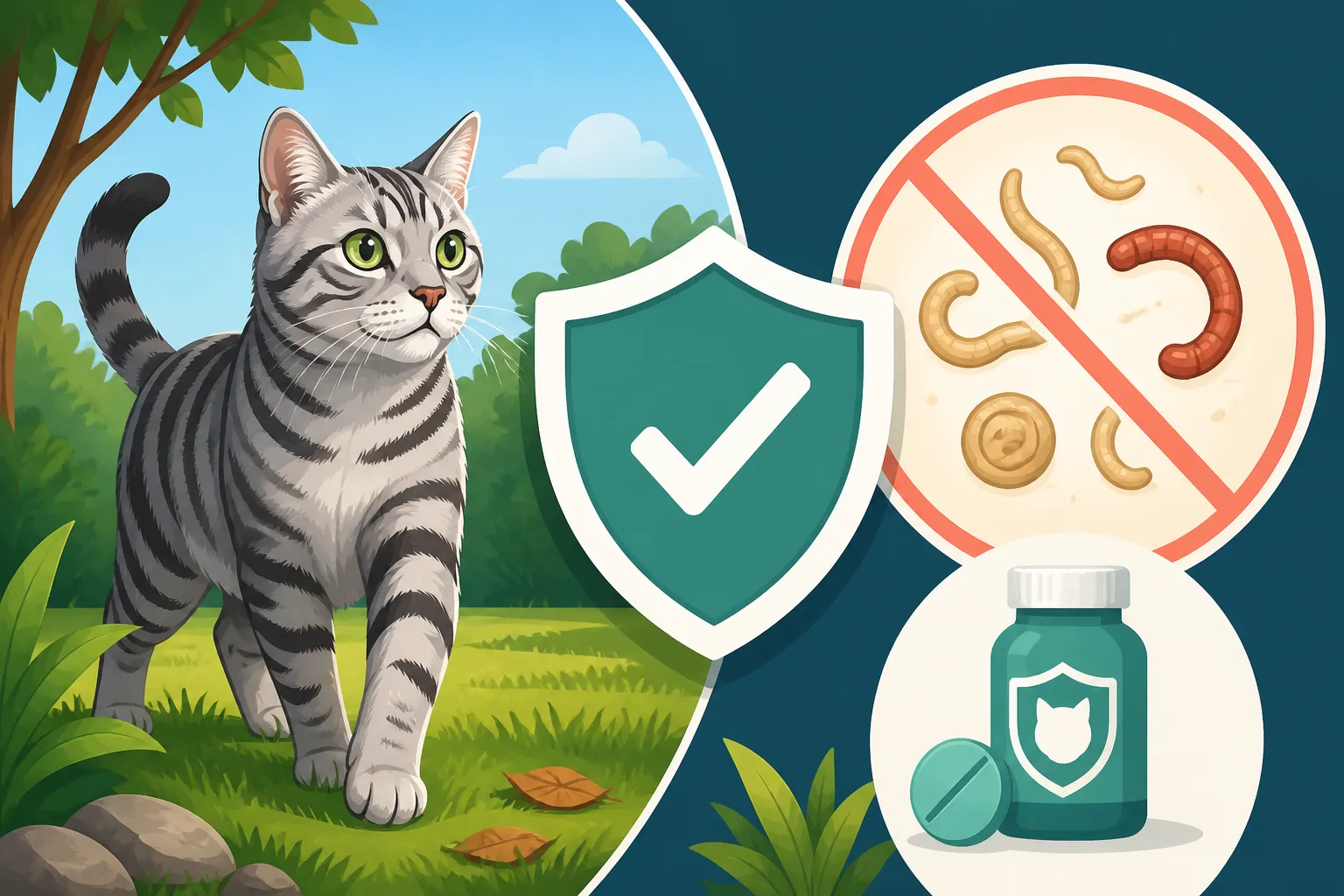
Whether an Outdoor American Shorthair Needs Regular Worming
It’s a joy to watch our American Shorthairs explore the great outdoors, chasing butterflies, scaling trees, and patrolling their territory. But with all that adventurous spirit comes a lingering worry: what unseen guests might they be bringing home? The truth is, outdoor cats are much more susceptible to internal parasites. This guide will help you understand why regular worming is crucial for your outdoor American Shorthair and how to establish an effective parasite prevention routine to keep them healthy and happy.
Why Outdoor American Shorthairs Are at Higher Risk for Worms
Our American Shorthairs are natural hunters, a trait that was carefully cultivated over centuries when their ancestors kept ships and barns free of rodents. Even today, a stroll through the backyard can turn into an exciting expedition, and unfortunately, this instinctual behavior puts them right in the path of common intestinal parasites. They might seem perfectly fine, but often, the signs of worms are subtle or completely absent until the infestation is quite advanced.
Types of Worms and How They are Contracted
The world outside is teeming with microscopic worm eggs and larvae, just waiting for an unsuspecting host. When your American Shorthair is out exploring, they're constantly interacting with potential sources of infection. It's not just about what they eat directly; even sniffing contaminated soil can be enough.
One of the most common culprits is roundworms. These can be picked up from eating infected prey like mice or birds, or simply by ingesting microscopic eggs from contaminated soil or feces. Kittens can even get them from their mother's milk. These worms, when mature, live in the cat's intestines and can grow quite large, leading to a pot-bellied appearance, vomiting, and diarrhea in severe cases. You might even see them in your cat's vomit or stool, which is definitely a stomach-turning discovery for any pet parent.
Then there are hookworms, tiny parasites that attach to the intestinal wall and feed on blood. These are often contracted when a cat ingests larvae from the environment or when larvae penetrate their skin, usually through their paws. Hookworm infestations can cause significant blood loss, leading to anemia, weakness, and dark, tarry stools. Given that American Shorthairs, with their strong build, love to dig and explore, their paws are often in direct contact with potentially contaminated ground.
Tapeworms are another concern, and they have a slightly different transmission method. The most common type of tapeworm in cats, Dipylidium caninum, is transmitted through fleas. If your American Shorthair grooms itself and accidentally ingests an infected flea, they can end up with tapeworms. These worms live in segments, and you might notice small, rice-like segments wiggling around your cat's rear or in their bedding. Another type of tapeworm, Taenia taeniaeformis, is acquired by eating infected rodents, a very common activity for our natural hunters. This highlights why controlling fleas is also a crucial part of an overall parasite prevention plan. If you’re interested in comprehensive parasite protection, you might want to read more about How Often an Outdoor American Shorthair Needs Flea Treatment.
Environmental Factors and Prey Animals
Think about your American Shorthair's daily routine outdoors. Are they chasing squirrels, batting at insects, or perhaps leaving you a "gift" of a mouse on your doorstep? All these interactions, as natural as they are, increase their risk of exposure. Rodents, birds, and even some insects can act as intermediate hosts, carrying worm larvae that develop into adult worms once ingested by your cat. Ponds, puddles, and damp areas can also harbor parasite eggs and larvae.
The sheer variety of animals and environments your cat encounters means their exposure level is constantly higher than that of an indoor-only cat. A cat that hunts frequently will inevitably ingest prey that could be carrying a parasitic load. This constant exposure means that even if a deworming treatment clears them, reinfection can happen surprisingly quickly. It's a never-ending cycle in the outdoor world, which is why a consistent prevention strategy is key. Understanding Which Parasites an Outdoor American Shorthair Picks Up can help you be more aware of the specific threats in your local area.
Understanding the Worming Schedule for Your Adventurous American Shorthair
Deciding on the right worming schedule for your outdoor American Shorthair isn't a one-size-fits-all situation. It truly depends on a variety of factors, including their age, their specific outdoor habits, and even your geographical location. The goal is to be proactive, not reactive, preventing infestations before they can cause serious health issues for your beloved companion or even pose a risk to human family members.
Factors Influencing Frequency
When your veterinarian recommends a worming schedule, they're taking a lot into account. First, consider your cat's hunting prowess. An American Shorthair that regularly brings home mice or birds is at a much higher risk of ingesting tapeworm larvae and other parasites than one who merely enjoys lounging in the sun. If your cat is a dedicated hunter, a more frequent deworming schedule is often warranted.
Age is another significant factor. Kittens are particularly vulnerable and typically require more frequent deworming starting at a very young age, often every two to three weeks until they are a few months old, and then monthly until six months of age. This is because they can contract worms from their mother and are more susceptible to severe health impacts from infestations. For adult cats, the recommendation often ranges from quarterly (every three months) to monthly, depending on their exposure risk. A cat with unrestricted outdoor access in an area known for high parasite prevalence might need monthly treatment, while one who just enjoys supervised yard time might be fine with quarterly.
Your living environment also plays a role. If you live in an area with a high rodent population, or if there are many other outdoor cats or stray animals around, the risk of your American Shorthair encountering worm eggs or larvae increases. Even if your cat doesn't seem to actively hunt, they can still pick up parasites from contaminated soil or shared spaces. This is why a conversation with your vet, who knows your local environment and your cat's habits best, is absolutely essential.
Specific Recommendations by Life Stage and Risk
Generally speaking, for an outdoor American Shorthair, here’s a breakdown of typical recommendations, but always remember to consult your veterinarian for advice tailored to your specific cat:
- Kittens (under 6 months): This is a critical period. Most vets recommend deworming kittens every 2-3 weeks from about 3 weeks of age until they are 8-12 weeks old, then monthly until 6 months. This frequent schedule addresses the common issue of roundworm transmission from the mother.
- Adult Cats (6 months to 7-10 years): For the average outdoor American Shorthair, a quarterly deworming schedule (every 3 months) is often sufficient. However, if your cat is an avid hunter, or if you live in a high-risk area, your vet might recommend monthly deworming. This covers a broad spectrum of common intestinal worms.
- Senior Cats (10+ years): Older cats might have weakened immune systems, making them more susceptible to severe worm infestations. Their activity might decrease, but their exposure history means continued vigilance is important. The frequency for senior outdoor cats will likely remain quarterly, but your vet might suggest fecal exams more often to monitor for parasites. Regular vet visits become even more crucial as they age, helping you stay on top of issues like Caring for an American Shorthair Past Twelve.
It's also worth noting that some preventative measures, like certain flea and tick medications, also include deworming agents. So, your comprehensive parasite control might already be doing double duty. When budgeting for your pet’s health, especially with an adventurous outdoor cat, consider pet insurance options. Providers like Healthy Paws can help manage the costs of regular veterinary care, including diagnostics and treatments for parasitic infections, which can sometimes lead to unexpected expenses.
The Worming Process: What to Expect and How to Administer
Administering deworming medication can sometimes feel like a wrestling match, especially with a strong-willed American Shorthair who prefers to be independent. But with the right approach and a bit of patience, it can be a relatively smooth process. Understanding the types of medications available and having a few tricks up your sleeve can make all the difference.
Different Worming Medications
You’ve got a few options when it comes to deworming your American Shorthair, and your vet will help you choose the best one based on the specific worms they need to target, your cat's temperament, and your ease of administration.
- Oral Medications: These typically come in tablet form, though some are available as liquids or pastes. Tablets are often "broad-spectrum," meaning they treat multiple types of intestinal worms (roundworms, hookworms, and tapeworms). The challenge here is getting your cat to swallow it. Some tablets are small and flavored, making them easier to hide in a treat or a small dollop of wet food. Others might require "pilling," which involves gently opening your cat's mouth and placing the tablet at the back of their tongue. If you've ever tried to pill a cat, you know it can be an Olympic sport!
- Topical Spot-Ons: These are applied directly to the skin, usually on the back of the neck where your cat can't lick it off. Many modern spot-on treatments offer broad-spectrum parasite control, covering not only internal worms but also external parasites like fleas, ticks, and ear mites. This can be a game-changer for owners whose cats absolutely refuse oral medications. The active ingredients are absorbed through the skin and distributed throughout the body. While incredibly convenient, not all spot-ons cover all worm types, so check with your vet to ensure it addresses the specific risks for your outdoor American Shorthair.
- Injections: In some cases, your vet might offer a deworming injection. This is typically done during a routine vet visit and can be a good option for cats who are particularly difficult to medicate at home. It ensures the full dose is administered correctly and can provide longer-lasting protection against certain parasites.
It's crucial to use only medications prescribed or recommended by your veterinarian. Over-the-counter wormers can sometimes be ineffective, or worse, contain ingredients that aren't safe for cats. Always follow the dosage instructions precisely, as under-dosing can be ineffective and over-dosing can be dangerous.
Making Worming Stress-Free
Let's be real, most cats aren't thrilled about taking medicine. Our American Shorthairs, being the calm and collected creatures they are, might tolerate it better than some more feisty breeds, but it's still far from their favorite activity. Here are some tips to make the process as low-stress as possible:
- Preparation is Key: Have everything ready before you even approach your cat. The medication, a towel, and perhaps some high-value treats.
- Choose the Right Time: Pick a moment when your cat is relaxed, perhaps after a meal or a good nap. Avoid trying to medicate them when they're already stressed or agitated.
- The "Burrito" Method: If you're giving an oral medication, gently wrap your cat in a towel, leaving only their head exposed. This prevents them from swatting or backing away. This trick is a classic for a reason!
- Hide It in Food (If Applicable): For oral tablets, try crushing it and mixing it into a tiny amount of their favorite wet food, tuna juice, or a lickable treat. Make sure they eat the entire amount quickly. Some cats are very adept at eating around pills, so be sneaky!
- Positive Reinforcement: Immediately after giving the medication, offer a special treat, some playtime with their favorite toy, or plenty of gentle praise and petting. This helps create a positive association, or at least lessen the negative one.
- Team Effort: If you have another person available, it can be much easier to have one person hold the cat gently while the other administers the medication.
- Consult Your Vet for Demonstrations: If you're struggling, don't hesitate to ask your vet or vet tech to show you the best way to administer the medication. They have years of experience and can offer invaluable practical advice.
Remember, consistent deworming is a vital part of keeping your outdoor American Shorthair healthy. Even if it's a bit of a challenge, the benefits far outweigh the temporary inconvenience.
Beyond Worming: Holistic Health for Your Outdoor American Shorthair
While regular worming is non-negotiable for an outdoor American Shorthair, it’s just one piece of the puzzle when it comes to their overall well-being. A truly holistic approach means considering all aspects of their health, from other parasite prevention to nutrition and routine veterinary oversight. Our hardy American Shorthairs might be naturally robust, but they still benefit immensely from comprehensive care.
Other Parasite Prevention
Worms aren't the only external nasties your outdoor cat can encounter. Fleas and ticks are prevalent, especially in warmer months, and they bring their own set of problems. As mentioned earlier, fleas are responsible for transmitting tapeworms, so effective flea control actually doubles as a crucial part of tapeworm prevention. Ticks can transmit various diseases, some of which can be quite serious.
Monthly topical treatments or oral medications are often recommended to keep fleas and ticks at bay. There are many excellent products available that provide broad-spectrum protection. Your vet can advise on the best product for your specific cat and local parasite prevalence. This proactive approach prevents uncomfortable infestations, reduces the risk of skin irritations and allergies, and minimizes the chances of disease transmission. Investing in good parasite prevention also reduces the risk of bringing these pests into your home, protecting your family as well.
Heartworm disease, transmitted by mosquitoes, is another silent killer that outdoor cats are at risk for. While often associated with dogs, cats can also contract heartworms, and there is no surgical or medical cure for adult heartworms in felines. Prevention is key, typically through monthly oral or topical medications. Even if your cat is an indoor cat, a rogue mosquito can find its way inside, so many vets recommend year-round heartworm prevention for all cats.
Regular Vet Check-ups and Monitoring
Even the most vigilant owner can miss subtle signs of illness or parasitic load. That's why regular veterinary check-ups are paramount for your outdoor American Shorthair. These aren't just for vaccinations; they're comprehensive health assessments.
During these visits, your vet will perform a thorough physical exam, checking their weight, coat condition, teeth, ears, and listening to their heart and lungs. This is also the ideal time to discuss any changes in your cat's behavior, appetite, or bathroom habits. They'll also recommend annual fecal exams, where a sample of your cat's stool is checked under a microscope for microscopic worm eggs or other parasites. This is a critical diagnostic tool, as it can identify specific worm types, allowing for targeted and effective treatment. It also helps confirm that your deworming protocol is working.
Blood tests might also be recommended, especially as your American Shorthair gets older. These can screen for a range of conditions, from kidney and liver disease to hyperthyroidism, which is common in older cats. Early detection of any health issue, including those related to parasites, can significantly improve the prognosis and quality of life for your cat. Companies like Healthy Paws, with their comprehensive pet insurance plans, can provide a financial safety net for these essential vet visits, diagnostic tests, and unexpected treatments, ensuring your American Shorthair gets the best possible care throughout their long and adventurous life. Remember, a hearty breed like the American Shorthair can still experience common health issues, and early intervention is always best. A limp, for example, even in a stoic cat, is never something to ignore, as discussed in Why a Limp in a Stoic American Shorthair Is Never Minor.
Here's a quick overview of typical deworming recommendations for outdoor American Shorthairs:
| Life Stage | Hunting Activity | Recommended Deworming Frequency | Notes |
|---|---|---|---|
| Kittens | Any | Every 2-3 weeks (until 12 weeks) | Starting at 3 weeks, then monthly until 6 months. Addresses maternal transmission and high vulnerability. |
| Adults (low risk) | Minimal hunting | Every 3-4 months (quarterly) | For cats with limited or supervised outdoor access and rare hunting. Annual fecal exams are recommended. |
| Adults (high risk) | Avid hunter, high exposure | Monthly | For cats that frequently hunt, live in areas with high parasite prevalence, or share space with many other animals. |
| Senior Cats | Any | Every 3-4 months (quarterly) | Continued prevention is key. May require more frequent fecal exams due to potential immune compromise. Discuss with vet, especially considering Caring for an American Shorthair Past Twelve. |
This comprehensive approach, combining regular deworming with other parasite prevention and routine veterinary care, will give your outdoor American Shorthair the best chance at a long, healthy, and adventurous life. It's truly an investment in their happiness and your peace of mind. For more insights on the choices involved in allowing outdoor access, you can read Why Letting an American Shorthair Outside Is a Real Decision.
Disclaimer
The information provided in this article is for general informational purposes only and is not intended to be a substitute for professional veterinary advice, diagnosis, or treatment. Always seek the advice of your veterinarian or other qualified animal health provider with any questions you may have regarding a medical condition or treatment plan for your American Shorthair.