Why an American Shorthair Rarely Needs a Bath
Many cat owners grapple with the idea of bathing their feline friends, often associating a clean pet with a fresh-smelling one. However, if you share your home with an American Shorthair, you might find yourself wondering why this particular breed seems to defy the need for regular baths, staying remarkably tidy without much intervention. This comprehensive guide will delve into the fascinating reasons behind the American Shorthair's exceptional self-grooming capabilities and explain why a full bath is a rare necessity, not a routine chore, for these independent felines.
The American Shorthair's Coat: Built for Self-Sufficiency
The American Shorthair is a testament to natural selection, a breed forged by centuries of utility rather than purely aesthetic breeding. Their coat isn't just for looking pretty; it's a highly functional piece of equipment, perfectly designed to keep them clean, protected, and comfortable in a variety of environments. This inherent design is the primary reason why they so rarely need human assistance with bathing.
The Guard Hairs and Undercoat: A Natural Barrier
Imagine a tiny, perfectly engineered suit of armor. That's essentially what an American Shorthair's coat provides. It's a dense, hard coat, composed of two distinct layers that work in tandem. The outer layer consists of coarse, resilient guard hairs. These hairs are slightly stiff to the touch, and they're not just for show. They form a robust protective shield, acting like a natural barrier against external elements. Beneath this impressive outer layer lies a softer, thicker undercoat. This downy layer provides insulation, keeping them warm in colder climates and cool in warmer ones by trapping air. Together, these layers create a formidable defense against dirt, debris, and even light moisture. You can feel this difference when you pet them; their coat isn't plush and soft like some breeds, but rather firm and springy, a clear indicator of its practical purpose. What Makes an American Shorthair's Coat Hard Rather Than Soft further elaborates on this unique texture.
This double-layered system is crucial for their self-sufficiency. The guard hairs are naturally smooth and slick, allowing loose dirt, dust, and even tiny burrs to fall off easily rather than getting embedded. When an American Shorthair rolls in the dust or brushes against a dirty surface, much of that grime simply doesn't stick. It's designed to shed off, preventing the accumulation that would necessitate a bath in a pet with a less utilitarian coat. The undercoat, while providing warmth, is also packed in a way that discourages large tangles, especially when regularly groomed by the cat itself.
How the Coat Repels Dirt and Moisture
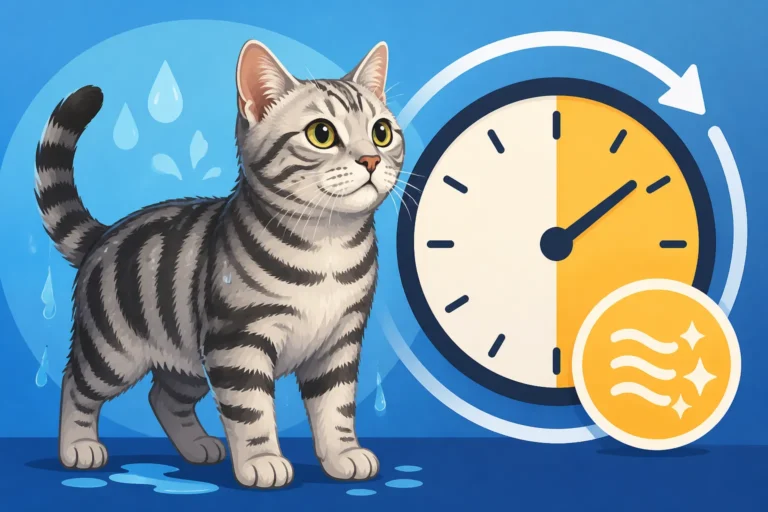
Beyond its physical structure, the American Shorthair's coat possesses natural qualities that actively repel dirt and moisture. This isn't magic, but rather the result of thousands of years of adaptation in a working animal. Their fur produces natural oils, much like human skin, which are distributed throughout the coat during their meticulous self-grooming sessions. These oils create a subtle, almost imperceptible hydrophobic layer on the surface of the guard hairs. This means water tends to bead up and roll off, rather than soaking into the fur and dragging dirt deeper into the coat.
Think of it like a freshly waxed car; water just can't get a good hold. This natural water resistance means that if your American Shorthair gets caught in a light drizzle or splashes in a water bowl, they're not going to become a soggy mess that needs toweling off and drying. The water simply won't penetrate deeply, and they'll shake it off or dry quickly, preventing that lingering dampness that can lead to skin irritation or that dreaded "wet dog" smell, but for a cat. This protective quality also applies to loose dirt. The oils and the smooth surface of the guard hairs ensure that most particulate matter can't adhere strongly, making it easy for the cat's own grooming efforts to dislodge it. The American Shorthair's coat was truly The American Shorthair's Coat Was Built for Weather, Not a Judge.
The Art of Self-Grooming: A Cat's Instinctive Habit
One of the most remarkable aspects of any cat, and particularly the American Shorthair, is their unwavering commitment to personal hygiene. They are fastidious creatures by nature, and their daily grooming rituals are far more effective and frequent than any human could realistically provide. This innate drive to keep themselves spotless is a cornerstone of their low bathing needs.
The Daily Ritual: Why Cats Lick Themselves Clean
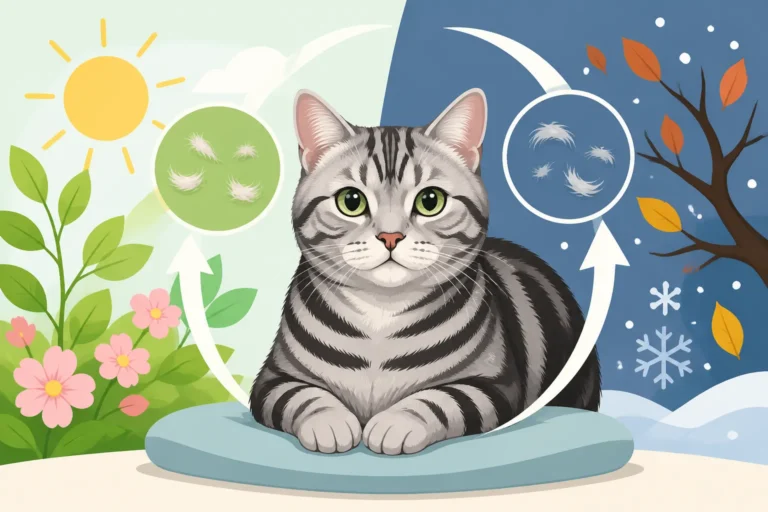
For an American Shorthair, grooming isn't just a casual activity; it's a significant part of their daily routine, often occupying several hours over the course of a day. This ritualistic licking serves multiple vital purposes beyond just looking neat. Firstly, it's how they remove loose hair, dead skin cells, and any debris that might have accumulated on their coat. By meticulously licking every reachable spot, they prevent mats and tangles from forming, which can be a common issue in other breeds, especially those with longer or softer coats. The unique texture of their coat, as discussed earlier, also means it's less prone to matting in the first place, making their job a bit easier. An American Shorthair Sheds Twice a Year and Asks Nothing Else delves into their shedding patterns, which their grooming habits help manage.
Beyond cleanliness, self-grooming also plays a crucial role in regulating their body temperature. By applying saliva to their fur, they help cool themselves down through evaporation, much like sweating. It also helps to stimulate blood flow to the skin, keeping it healthy, and evenly distributes those beneficial natural oils we talked about, maintaining the coat's protective qualities. It’s a full-body maintenance program they perform diligently, day in and day out, demonstrating just Why an American Shorthair Grooms Itself Better Than You Can. This constant self-care means that unless something truly catastrophic happens to their fur, they're typically far cleaner than we give them credit for.
Tongue and Paws: Their Personal Grooming Tools
The American Shorthair's grooming toolkit is perfectly adapted for the job: their tongue and their paws. The cat's tongue, far from being smooth, is covered in tiny, backward-facing barbs called papillae. These papillae act like a natural comb or brush, raking through the fur to effectively remove loose hairs, dirt, and parasites. It's incredibly efficient at detangling minor snags and distributing skin oils, ensuring the entire coat benefits from their natural waterproofing and conditioning. This built-in brush is superior to many human-provided tools for everyday maintenance.
For those hard-to-reach places, like behind the ears or on top of their head, American Shorthairs use their front paws. They'll lick a paw thoroughly, making it damp and pliable, and then use it like a washcloth to wipe down areas their tongue can't directly access. This coordinated effort ensures comprehensive coverage, leaving very few spots neglected. They are meticulous cleaners, and this combination of specialized tongue and versatile paws means they can tackle most grooming challenges themselves. It's a marvel of evolution, allowing them to remain pristine without needing a tub and shampoo.
Environmental Factors and Lifestyle Impact
While an American Shorthair's natural coat and grooming instincts are powerful, their living environment and specific lifestyle choices can certainly influence how often (if ever) they might truly need a bath. Not all American Shorthairs lead identical lives, and these differences can sometimes create exceptions to the general rule of self-sufficiency.
Indoor vs. Outdoor Life: Different Exposure, Different Needs
The modern American Shorthair often lives a comfortable indoor life, a far cry from their ancestors who were working barn cats and ship's mousers. For an exclusively indoor American Shorthair, exposure to truly "bath-worthy" dirt is minimal. They might track a bit of litter, get a speck of dust on their fur, or maybe even rub against a freshly cleaned floor. These minor incidents are easily handled by their daily self-grooming routine. They simply don't encounter mud, sticky sap, motor oil, or the vast array of environmental contaminants that an outdoor cat might. An indoor environment, often temperature-controlled and relatively clean, reduces the burden on their natural defenses significantly.
However, if your American Shorthair has outdoor access, the calculus changes. An adventurous outdoor cat might roll in a patch of dirt, encounter a puddle of something questionable, or even get into a scuffle that leaves them needing more than a quick lick. They might pick up burrs, sticky weed seeds, or mud that their natural grooming just can't manage on its own. What an Outdoor American Shorthair Brings Home in Its Coat can be surprising sometimes! In these cases, a targeted spot clean might be necessary, or in extreme situations, a full bath to remove truly stubborn or harmful substances. It's not the norm, but it's a possibility that outdoor exposure introduces.
Age and Health: When Self-Grooming Might Decline
As our beloved American Shorthairs age, or if they develop certain health conditions, their incredible self-grooming abilities can sometimes diminish. Senior cats, for instance, may experience arthritis or other joint pain that makes it difficult for them to bend, twist, and reach all parts of their body effectively. An older cat might struggle to groom their lower back, tail base, or even their hind legs, leading to matted fur in those areas. Their energy levels also tend to decrease, making them less inclined to spend hours on meticulous grooming. When an Old American Shorthair Needs Help Grooming discusses this transition in detail.
Similarly, cats that are overweight or obese often find it physically impossible to reach their entire body. Their rounder physique can create blind spots in their grooming routine, particularly around their back and hindquarters. This not only leads to hygiene issues but can also be a sign of underlying health concerns. Why an Overweight American Shorthair Cannot Reach Its Back highlights this specific challenge. Conditions like dental disease can make licking painful, while other illnesses might simply reduce their overall vigor, making grooming a low priority. In these scenarios, a caring human companion needs to step in and provide assistance, which might occasionally include a gentle bath if matting or significant soiling occurs.
When a Bath Might Be Necessary: Exceptions to the Rule
Despite their remarkable self-sufficiency, there are indeed rare instances where an American Shorthair might genuinely benefit from, or even require, a bath. These are typically not routine events but rather reactions to specific, unusual circumstances. Recognizing these exceptions is key to providing appropriate care.
Sticky Situations: Unpleasant Encounters
Life happens, and sometimes, even the most fastidious American Shorthair can find themselves in a genuinely sticky, smelly, or problematic situation that their tongue just can't conquer. Picture this: your curious cat gets a little too close to an overturned container of cooking oil, steps in spilled paint, or somehow manages to get tree sap or motor grease on their coat. These substances are not only difficult for a cat to remove with saliva but can also be toxic if ingested during their attempts to groom themselves. In such cases, a bath isn't about cleanliness for appearance's sake, but about safety and health. You wouldn't want your cat licking off harmful chemicals or indigestible gunk.
Similarly, encounters with certain pests, like fleas or ticks that have become embedded, might warrant a therapeutic bath with a veterinarian-approved shampoo, especially if other treatments haven't been effective or if the infestation is severe. Foul odors, such as unfortunately rolling in something truly unpleasant outdoors, can also be a reason to consider a bath. While a cat's own grooming will usually tackle minor smells, a deep-seated stench that permeates their fur might require more drastic measures to make them (and your home) more agreeable. When these situations arise, always use cat-specific shampoos, as human products can be too harsh for their delicate skin and coat.
Health Concerns: Matted Fur or Skin Issues
Sometimes, a bath isn't about external dirt but about an internal or developing health problem manifesting in their coat. As mentioned, elderly or unwell cats, or those with mobility issues, might develop severe matting in areas they can no longer reach. If left untreated, these mats can pull on the skin, causing pain, irritation, and even skin infections beneath the mat. In severe cases, mats might need to be carefully clipped out, and sometimes a professional groomer or vet might suggest a therapeutic bath to help soften the remaining mats or clean the underlying skin.
Furthermore, certain skin conditions, such as fungal infections (like ringworm), severe allergies causing excessive oiliness or flakiness, or parasitic infestations, might require medicated baths as part of a treatment plan. These are prescribed by a veterinarian and are distinct from routine hygiene baths. The shampoo used will contain specific active ingredients to address the underlying issue, and the bathing process itself will be part of a larger medical strategy. If you notice persistent skin irritation, excessive scratching, or changes in your American Shorthair's coat texture or oiliness, it's always best to consult your vet. They can accurately diagnose the problem and recommend the most appropriate course of action, which might include a bath.
Maintaining a Healthy American Shorthair Coat Without Water
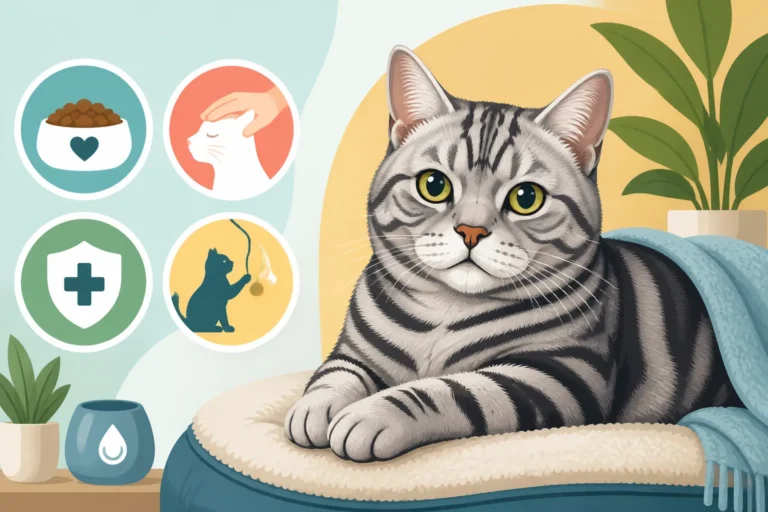
For the vast majority of American Shorthairs, a full bath is a rare event. Instead, maintaining their healthy, self-sufficient coat relies on a few simple, consistent practices that complement their natural grooming habits. These interventions are far less stressful for both you and your cat and significantly more effective for their day-to-day well-being.
Regular Brushing: The Key to Managing Shedding and Mats
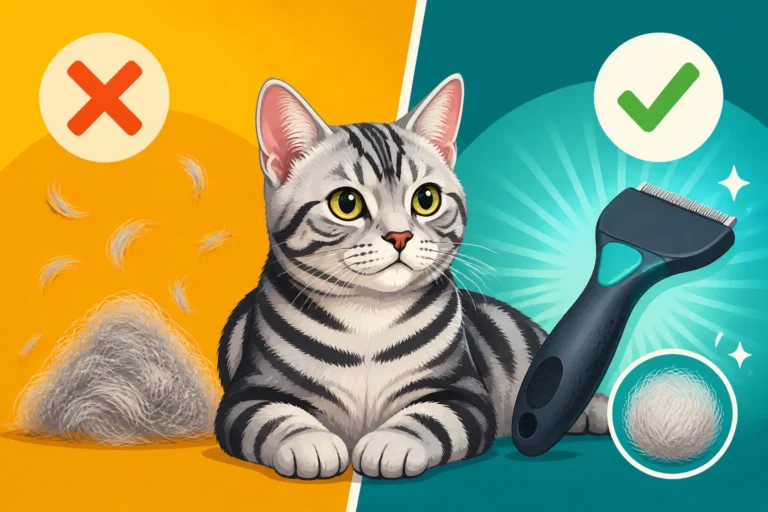
The most impactful thing you can do for your American Shorthair's coat is regular brushing, and honestly, even this isn't a daily marathon. Their resilient, short coat doesn't tangle easily, so you won't be battling knots like you might with a long-haired breed. The primary purpose of brushing an American Shorthair is to help manage shedding and remove loose hairs before your cat ingests them during self-grooming, potentially leading to hairballs. How Little Combing an American Shorthair Actually Needs really emphasizes this point. A good brushing session 1-2 times a week, especially during their twice-yearly shedding seasons, is often all that's required.
Brushing also helps distribute those beneficial natural oils throughout their fur, enhancing its protective qualities and keeping it shiny and healthy. It's a fantastic opportunity for bonding and allows you to check for any lumps, bumps, or skin irritations that might be hiding under the fur. When choosing a brush, a rubber curry brush or a fine-toothed metal comb works wonders for their short, dense coat. Brushing is proactive care, preventing issues rather than reacting to them, and saves both you and your cat the stress of an unnecessary bath. You can find excellent options for these on sites like Chewy or Amazon.
Nutritional Support for a Lustrous Coat
A healthy coat truly begins from the inside out. Providing your American Shorthair with a high-quality, balanced diet is one of the best ways to ensure their skin is healthy and their coat remains lustrous and self-maintaining. Just like us, what they eat directly impacts the quality of their skin and hair. Look for cat foods that list real meat as the first ingredient and contain essential fatty acids like Omega-3 and Omega-6. These healthy fats are crucial for skin hydration and coat shine, contributing to the natural oil production that keeps their fur water and dirt repellent.
Many premium cat foods focus on whole, nutritious ingredients that support overall health, including skin and coat. A diet lacking in proper nutrients can lead to dull, dry, flaky skin and a brittle coat that's more prone to shedding and matting, even in a naturally low-maintenance breed like the American Shorthair. While their appetite can sometimes outlast their job, How Many Calories a Working Framed American Shorthair Needs a Day is important to manage to prevent obesity, which, as we've discussed, can hinder self-grooming. Consulting your vet about the best food for your individual cat's needs, especially as they age, can make a huge difference in their coat health and overall well-being.
Spot Cleaning and Dry Shampoos: Gentle Alternatives
For those minor messes that are more than a lick can handle but less than a full bath warrants, spot cleaning is your best friend. This involves addressing only the soiled area, rather than subjecting your entire cat to water and shampoo. You can use a damp cloth, perhaps with a tiny drop of cat-safe shampoo diluted in water, to gently wipe away localized dirt. Always make sure to rinse the area thoroughly with another clean, damp cloth to remove any shampoo residue that could irritate their skin or be ingested.
Another excellent alternative for a quick freshen-up is a cat-specific dry shampoo or grooming wipes. These products are designed to absorb oils and refresh the coat without the need for water. They can be particularly useful for older cats who might struggle with traditional baths or for general maintenance between brushing sessions. Simply sprinkle or spray the dry shampoo onto the affected area, let it sit for a moment, and then brush it through. Wipes offer a quick, convenient way to clean paws or small patches of fur. Just ensure whatever product you choose is explicitly labeled as safe for cats, as they will inevitably lick it off their fur. These gentle methods respect the American Shorthair's natural self-cleaning abilities while providing a little extra help when needed, preventing the need for a stressful and often unnecessary full bath.
| Grooming Task | Frequency for American Shorthair (Typical) | Rationale | When a Bath Might Be Considered |
|---|---|---|---|
| Full Bath | Rarely, if ever | Excellent self-groomers, protective coat repels dirt. | Cat covered in toxic/sticky substance, severe matting due to health/age, vet recommendation for skin condition. |
| Brushing | 1-2 times per week (more during shedding) | Removes loose hair, prevents hairballs, distributes oils, check for skin issues. | If heavy shedding and matting become unmanageable with brushing alone. |
| Spot Cleaning | As needed | For localized dirt or minor sticky spots. | If the spot is too large, too sticky, or too toxic for spot cleaning. |
| Nail Trimming | Every 2-4 weeks | Prevents overgrown claws, keeps paws healthy. | Not directly related to bathing, but part of overall hygiene. |
| Ear Cleaning | Rarely, if ever | Cats clean their own ears; over-cleaning can cause irritation. | If ears are visibly dirty, smelly, or cat is scratching them (vet visit recommended). |
| Dental Care | Daily brushing (if tolerated) or dental treats | Prevents dental disease, crucial for overall health. | Not related to bathing, but essential care. |
Disclaimer
This article is for general informational purposes only and does not constitute professional advice. Laws, prices and regulations vary by location and change over time. Consult a qualified professional for guidance on your specific situation.