Why an American Shorthair Kitten Stays on Kitten Food Longer
It's a common assumption that once a kitten hits their first birthday, they're ready to switch to adult cat food. And for many breeds, that's absolutely true! But if you're a loving owner of an American Shorthair kitten, you might find yourself wondering why your vet or breeder is suggesting a longer stay on that specialized kitten formula. This isn't just a marketing ploy; it's rooted deeply in the unique developmental timeline and robust physical makeup of this wonderful breed. This guide will help you understand precisely why your American Shorthair kitten benefits from an extended period on kitten food, ensuring they grow into the strong, healthy, and magnificent cat they're meant to be.
Understanding the American Shorthair's Unique Growth Trajectory
When we think of kittens, we often picture tiny, fast-growing bundles of fur that reach their full height and weight within a year. While most domestic shorthairs fit this mold, the American Shorthair follows a different drummer. This breed, with its working cat ancestry, develops at a more measured pace, especially when it comes to muscle and bone density. Their sturdy build isn't something that happens overnight; it's a gradual process that requires sustained nutritional support.
The Legacy of a Working Breed and Its Impact on Development
The American Shorthair's ancestors were hardy, self-sufficient cats that earned their keep by hunting rodents on farms and ships. This history of physical labor selected for a robust, muscular frame, not delicate features or rapid, fragile growth. Think about it: a cat that needs to be agile, strong, and capable of holding its own in varied environments isn't going to mature in a flash. Instead, nature equipped them for a slower, more thorough development of their musculoskeletal system.
This isn't just about getting bigger; it's about building density and strength. A standard domestic shorthair might reach its adult height by 10-12 months, but their muscle mass and bone density often continue to increase subtly for a bit longer. For an American Shorthair, this "filling out" phase is much more pronounced and extends significantly beyond that typical first-year mark. They aren't just gaining size; they're solidifying their powerful, athletic build.
The "Three-Year Rule" for American Shorthairs
You might hear breeders and seasoned American Shorthair enthusiasts talk about the "three-year rule," and it's not an exaggeration. While many cats are considered physically mature by 12-18 months, the American Shorthair truly takes its time. It's common for them to continue growing, particularly in terms of muscle mass and skeletal development, until they are around three years old. This extended period of growth means their nutritional needs remain elevated for longer than a typical house cat.
Imagine a human teenager who is still growing taller but hasn't quite filled out into their adult frame. That's a bit like an American Shorthair at one year old. They might look like an adult cat, but beneath that sleek coat, their bones are still strengthening, and their muscles are still developing. Providing them with the right fuel during these critical years is paramount. Why an American Shorthair Takes Three Years to Fill Out elaborates further on this unique growth curve.
Why Kitten Food Remains Essential for Extended Growth
Kitten food isn't just smaller kibble; it's a carefully formulated diet designed to meet the intense demands of rapid growth and development. It's packed with nutrients that support everything from bone growth to brain development, and these aren't suddenly unnecessary just because a calendar year has passed. For an American Shorthair, these benefits are crucial for a longer period.
Higher Caloric Density for Sustained Energy
Growing takes a tremendous amount of energy. Think of a construction project: building a skyscraper requires far more fuel and resources than building a small shed. Similarly, an American Shorthair, building its sturdy frame and dense musculature, has a higher metabolic rate and needs more calories per serving than an already mature cat. Kitten food is specifically designed with this in mind, offering a greater caloric density to fuel that sustained growth without needing to feed excessive volumes.
If you switch an American Shorthair to adult food too soon, they might not be getting enough energy, even if they're eating the same amount of food. This could lead to them drawing on their own reserves or simply not developing to their full potential. It's not about making them fat; it's about ensuring they have the fuel to properly build bone, muscle, and organ systems.
Protein and Fat for Muscle and Brain Development
Kitten foods boast a higher percentage of protein and fat compared to most adult formulas. This isn't accidental; protein is the building block for all tissues, especially muscle, and healthy fats are crucial for brain development, vision, and a healthy coat. An American Shorthair, known for its well-muscled physique, has a continued need for this elevated protein content well past its first birthday.
Consider the active lifestyle and hunting instincts that are still present in the breed. The American Shorthair Still Hunts, Whether You Want It To or Not highlights this natural drive. Even an indoor American Shorthair needs that robust musculature for jumping, playing, and patrolling their territory. Skimping on high-quality protein during their prolonged growth phase could compromise this development, leading to a less powerful or less athletic adult cat. High-quality protein sources can be beneficial for growing cats, though always check with your vet for specific recommendations for your kitten's needs.
Essential Vitamins and Minerals for Bone Health
Beyond protein and fat, kitten food also has a carefully balanced profile of vitamins and minerals, particularly calcium and phosphorus, which are vital for healthy bone development. Too much or too little of these can lead to skeletal issues. During the period an American Shorthair is still developing its mature bone structure, this precise balance is absolutely critical.
You want those strong, sturdy bones that are a hallmark of the breed. Switching to an adult diet too early, which often has lower levels of these specific growth-supporting minerals, could potentially impact their long-term orthopedic health. It's not just about the big bones either; it's about the density and strength that allow them to remain active and agile throughout their long lives. Caring for an American Shorthair Past Twelve reminds us that good foundational health in youth pays dividends later.
How to Tell When Your American Shorthair is Truly Ready
It's tempting to follow the one-year mark, but for an American Shorthair, it's more about observation and understanding their body than just the calendar. Transitioning at the right time is important for maintaining their health and ideal body condition.
Beyond the Calendar: Assessing Physical Maturity
The key sign that your American Shorthair is ready to transition is physical maturity, not just age. While they may reach their approximate adult height around their first birthday, the "filling out" process continues. This means developing a fuller chest, broadening of the head, and increased muscle mass that makes them feel dense and substantial. You should feel less angularity and more solidity as they mature.
A good indicator is when their growth plates in their bones have closed, and they’ve truly developed the broad, muscular physique characteristic of the breed standard. This often isn't complete until somewhere between 18 months and three years of age. What an American Shorthair Weighs at One and How Much Is Left can offer insights into what to expect regarding their size and development at various stages. If they still look lean or "leggy" at one year, they very likely need more time on kitten food.
Body Condition Scoring: Your Best Guide
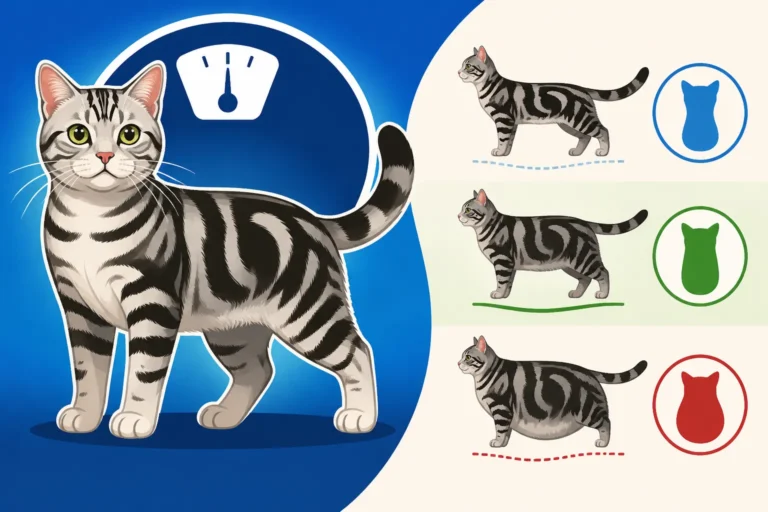
Your veterinarian is your best partner in determining when your American Shorthair is ready to transition. They can perform a body condition score (BCS), which is a much more accurate assessment of your cat's health and development than just looking at a scale number. A BCS helps determine if your cat is underweight, ideal, or overweight, based on feeling their ribs, spine, and waist.
While on kitten food, a kitten should be lean but not bony, with a palpable layer of muscle. If they are still actively growing and maintaining a healthy, lean weight, continuing kitten food is often the best course. The goal isn't to make them chunky; it's to ensure they have enough fuel to build that powerful, square frame the breed is known for. How to Judge an American Shorthair's Ideal Weight by Frame provides excellent guidance on this.
Behavior and Energy Levels as Indicators
While less precise than physical assessment, a kitten's behavior and energy levels can also give you clues. Very high energy, constant play, and a seemingly endless appetite are typical of a growing kitten. As they approach maturity, while still playful, their energy might become slightly less frenetic, and their appetite might stabilize rather than being insatiably ravenous.
However, be careful not to mistake a temporary lull in activity for full maturity. American Shorthairs are known for their calm and self-sufficient nature, but they still require plenty of stimulating play, especially to satisfy their natural hunting instincts. Play That Finishes the Hunting Sequence for an American Shorthair is crucial for their mental and physical well-being. If your American Shorthair is still playing with kitten-like intensity and has a robust appetite, it's likely they're still in that growth phase and benefitting from the concentrated nutrition of kitten food.
Making the Switch: Transitioning to Adult Food
Once your vet agrees your American Shorthair has reached full physical maturity, the transition from kitten to adult food should be a gradual and thoughtful process. Rushing it can lead to digestive upset and make your cat averse to the new food.
The Gradual Transition Method
The absolute best way to switch any cat's food, especially from kitten to adult formula, is gradually. Over a period of 7-10 days, slowly introduce the new adult food by mixing it with their current kitten food. This allows their digestive system to adjust to the new ingredients and nutrient balance.
Here’s a typical schedule, but always adjust based on your cat’s response:
| Day | Kitten Food Ratio | Adult Food Ratio |
|---|---|---|
| 1-2 | 75% | 25% |
| 3-4 | 50% | 50% |
| 5-6 | 25% | 75% |
| 7-10 | 0% | 100% |
Monitor your American Shorthair closely during this time. Watch for any signs of digestive upset like vomiting, diarrhea, or reduced appetite. If you notice any issues, slow down the transition, holding at the current ratio for a few more days until their system settles. You can find a wide range of suitable adult foods for American Shorthairs on platforms like Chewy or Amazon.
Choosing the Right Adult Food
Selecting the right adult food is just as important as the timing of the switch. American Shorthairs are muscular cats, and they thrive on a diet that supports their lean body mass and moderate activity levels. Look for high-quality adult cat foods with a good protein source as the first ingredient. Many owners find that a combination of wet and dry food works best for their American Shorthairs, providing both hydration and satiety.
Consider their past as working cats when making your choice. Why a Working Bred American Shorthair Sits Beside You Rather Than On You speaks to their functional build. They don't need excessive fat once growth is complete, but they do need sustained energy from quality ingredients. Be mindful of their tendency to put on weight if overfed, especially after neutering, as their appetite can sometimes outlast their active hunting days. Why an American Shorthair's Appetite Outlasted Its Job explains this phenomenon.
Monitoring Weight and Body Condition Post-Transition
After the transition, continue to monitor your American Shorthair's weight and body condition closely. Their caloric needs will decrease slightly once growth has stopped, and it's easy for them to become overweight if their food portions aren't adjusted accordingly. Obesity is a significant health risk for any cat, and American Shorthairs are no exception.
Regularly check their body condition by feeling their ribs; you should be able to feel them easily but not see them. Their waist should be evident when viewed from above. If you notice weight gain, it's time to adjust their portions, increase their play, or consult your vet about a light formula if needed. What Extra Weight Does to an American Shorthair's Working Frame outlines the risks involved. It's a continuous balancing act to keep your American Shorthair at their ideal, healthy weight throughout their life.
Disclaimer
This article is for general informational purposes only and does not constitute professional advice. Laws, prices and regulations vary by location and change over time. Consult a qualified professional for guidance on your specific situation.