Making an American Shorthair Work for Its Dinner Again
It’s a common scenario: you have an American Shorthair who seems perfectly content, perhaps napping in a sunbeam, only to wake up and devour their bowl of kibble in mere seconds. While convenient for us busy humans, this easy access to food completely bypasses their deep-seated instinct to hunt, stalk, and earn their meals. This guide is all about rekindling that natural drive, transforming mealtime from a quick chow-down into an enriching, engaging, and healthier activity for your beloved American Shorthair.
The Ancestral Hunter: Why Your American Shorthair Needs to "Work"
Think about your American Shorthair's ancestors for a moment. These weren't pampered pets; they were hardy, self-sufficient working cats, often found on farms, in barns, and even aboard ships, where their job was to control rodent populations. Their survival depended on their hunting prowess. This deep-seated instinct to stalk, pounce, and "catch" their food is still very much alive in your modern-day American Shorthair, even if they've never seen a mouse in their life.
The Genetic Blueprint of a Mouser
For centuries, natural selection favored the most effective hunters. Cats that were quick, stealthy, and persistent were the ones that thrived and passed on their genes. Your American Shorthair inherited this powerful genetic blueprint. They have the physical build – the strong, muscular body, keen eyesight, and acute hearing – and the mental hardwiring for the entire hunting sequence: locate, stalk, pounce, and kill. When we simply put food in a bowl, we bypass this entire sequence, leaving a part of their natural behavior unfulfilled. It’s like buying a marathon runner a perpetual motion machine – it might keep them moving, but it doesn't give them the satisfaction of running the race.
This ingrained drive is precisely Why Centuries of Ratting Left the American Shorthair Its Drive. Even though your furry friend might be napping on your favorite armchair, their inner predator is still very much awake, looking for an outlet. Providing opportunities to express these natural behaviors isn't just a nice-to-have; it's crucial for their mental and physical well-being. Without it, you might notice subtle signs of frustration or boredom.
The Mental and Physical Benefits of Foraging
Making your American Shorthair work for their dinner isn't about making their life harder; it's about making it richer. From a physical standpoint, it encourages more movement throughout the day, helping to combat the sedentary lifestyle that can lead to obesity. How Few Calories an Indoor American Shorthair Burns is a significant concern for many owners, and simply slowing down their eating or adding a few steps to their meal can make a real difference.
Beyond the physical, the mental stimulation is profound. Hunting, even simulated, engages their problem-solving skills, keeps their minds sharp, and reduces boredom. Cats are intelligent creatures, and a life with too little mental challenge can lead to behavioral issues like destructive chewing, excessive vocalization, or even overgrooming. When they have to figure out how to get their food, it provides a sense of accomplishment and purpose. It’s a quiet form of enrichment that fulfills their innate needs in a way a stationary bowl simply cannot.
The Downside of the Easy Bowl: Why We Need a Change
We’re all guilty of it – leaving a bowl of kibble out for our cats to graze on throughout the day, or perhaps dishing out a wet food meal that disappears in thirty seconds flat. It seems convenient, both for us and for them. However, for a breed like the American Shorthair, whose instincts are so strongly tied to earning their food, this "easy meal" approach can inadvertently create a host of problems. It’s not just about weight gain; it’s about their overall health and happiness.
The Link Between Easy Food and Weight Gain
One of the most immediate and visible consequences of the easy bowl is weight gain. American Shorthairs are naturally sturdy, muscular cats, but that strong build can easily become overweight if their calorie intake isn't balanced with activity. When food is always available, or quickly consumed, there's no natural regulation through the effort of hunting. They simply eat until they're full, often beyond their actual caloric needs. Why Ending the Mousing Job Made the American Shorthair Heavy is a direct consequence of this shift from active hunter to house pet.
Moreover, if your American Shorthair is neutered or spayed, they might be even more prone to weight gain. Why a Neutered American Shorthair Puts On Weight Faster is a well-documented phenomenon due to hormonal changes that can slow metabolism and increase appetite. Combined with a lack of "work" for their food, it creates a perfect storm for packing on extra pounds. This isn't just about aesthetics; excess weight puts strain on their joints, increases the risk of diabetes, and can significantly shorten their lifespan.
Behavioral Issues Arising from Boredom
Beyond physical health, the lack of mental and physical engagement during meal times can lead to behavioral issues. An American Shorthair with a highly intelligent, active mind needs an outlet. If they aren't "working" for their food, or engaging in other forms of enrichment, that energy and instinct has to go somewhere. This can manifest as destructive behaviors, like scratching furniture more than usual, or perhaps excessive attention-seeking. Some cats become lethargic and withdrawn, simply sleeping away their days because there's nothing stimulating them.
Consider a scenario where your cat consistently bats at your feet or demands attention with insistent meows, even after you've fed them. While it might seem like they want more food, sometimes it's their way of telling you they're bored and need more interaction or a challenge. It's a subtle plea for the engagement their ancestors found in the daily hunt. What an Indoor American Shorthair Does With a Mouser's Instinct when that instinct is unfulfilled often isn't pretty, and can make for a less harmonious household.
Introducing Foraging and Puzzle Feeding: The Solution
Okay, so we understand the problem: an unfulfilled hunter instinct and the risks of easy meals. Now for the solution! Making your American Shorthair "work" for their dinner means introducing them to the wonderful world of foraging and puzzle feeders. This isn't about making them go hungry or creating stress; it's about providing a stimulating and natural way for them to access their food, mimicking the challenge and reward of the hunt.
What is a Puzzle Feeder?
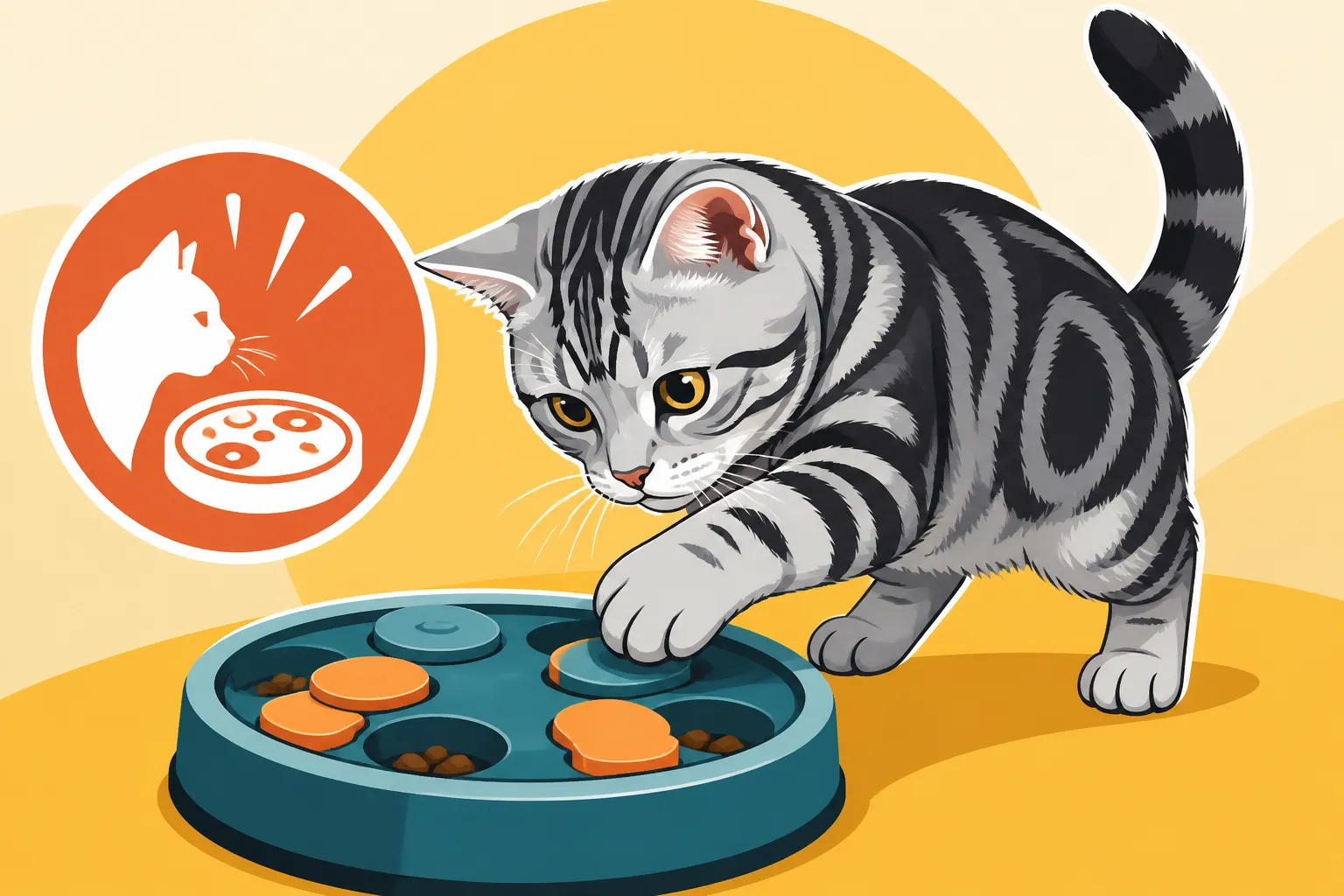
A puzzle feeder, in its simplest form, is any device that requires your cat to manipulate it to access their food. It turns mealtime into a game or a mini-hunt. Instead of food just sitting in a bowl, it's hidden inside compartments, rolled around to release kibble, or even placed in interactive toys that demand swatting and pushing. These feeders come in a vast array of designs, from simple balls with holes to elaborate multi-stage puzzles. The goal is to engage their brains and bodies, making them think and move to get their reward.
Foraging is a broader term that encompasses any activity where your cat searches for their food, whether it's from a puzzle feeder or kibble scattered around the house. It encourages natural exploratory behavior, much like a cat hunting for prey in the wild. This combination of mental and physical activity is incredibly beneficial. You're not just feeding them; you're enriching their lives. For example, if you typically get your cat's food from Chewy, you might want to browse their selection of puzzle feeders to get an idea of the variety available.
Starting Simple: The Gateway to Work-Earned Meals
Don't jump straight into the most complicated puzzle feeder on the market. The key to success is to start simple and make it easy for your cat to "win." The first few times, you want them to experience success and associate the feeder with a positive outcome – getting delicious food!
Here's how to ease them in:
- The Muffin Tin Method: A standard muffin tin makes an excellent beginner puzzle. Place a few pieces of kibble in each cup. It's easy for them to access, but they have to walk around the tin and retrieve food from different spots. This introduces the concept of seeking.
- Toilet Paper Roll Challenge: Take an empty toilet paper roll, fold in one end, drop some kibble inside, and then lightly fold the other end. Your cat will have to bat it around and figure out how to get the food out. It's a low-cost, effective starter.
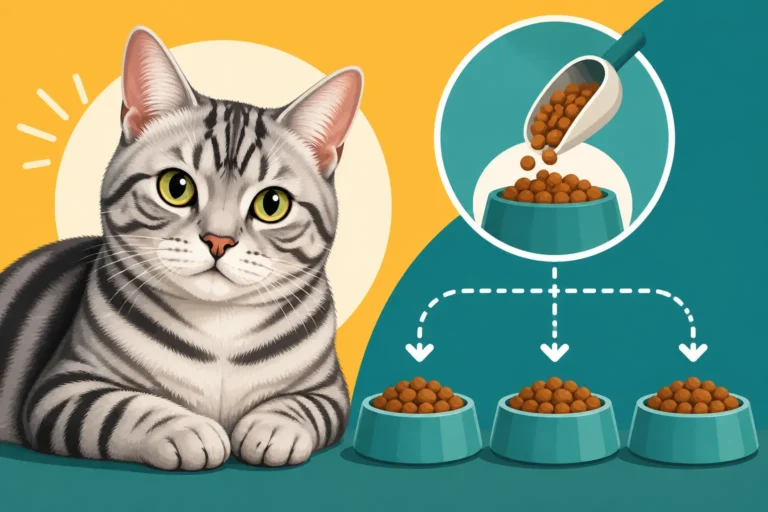
- Scattered Kibble: Sometimes the simplest approach is the best. Instead of putting their entire meal in a bowl, take a portion and scatter it around a small, contained area – perhaps on a mat, or across a clean, hard floor in one room. They'll have to sniff it out and move to collect each piece. This directly addresses the concept of How to Hide an American Shorthair's Food Around the House and encourages natural foraging behaviors.
The goal is to build confidence and curiosity. Once they've mastered these basic steps and seem genuinely engaged, you can slowly increase the difficulty. Remember, patience is key. Some cats take to it immediately, while others need a bit more encouragement and time to adjust to this new way of eating.
Types of Puzzle Feeders and How to Choose
Once your American Shorthair has mastered the basics of foraging, it’s time to explore the vast world of commercial puzzle feeders. Choosing the right one can make all the difference, as what works for one cat might not appeal to another. The market is full of innovative designs, each offering a different type of challenge to engage your feline friend.
Interactive Puzzle Toys and Slow Feeders
Interactive puzzle toys are often great for encouraging active play alongside feeding. These can range from simple dispensing balls that release kibble as your cat bats them around, to more complex contraptions with sliders, nooks, and crannies.
- Dispensing Balls: These are an excellent starting point. You fill them with kibble, and as your cat pushes and rolls the ball, bits of food fall out. They satisfy the instinct to bat and chase, similar to how they'd play with prey. Brands like Chewy offer a wide variety of these, often at different difficulty levels with adjustable openings. This kind of toy can also mimic the satisfaction of a catch.
- Wobblers and Towers: Some feeders stand upright and wobble, or have multiple levels where food has to be pawed out. These require more coordination and problem-solving. For instance, a feeder tower might have several trays, and your cat has to figure out how to hook the food out with a paw. These are fantastic for mental stimulation, as they require a different kind of manipulation than a simple rolling ball.
- Slow Feeder Bowls: While not strictly puzzles, slow feeder bowls can be a good intermediate step. They have ridges or obstacles in the bowl that force your cat to eat around them, slowing down their intake. This is particularly helpful for American Shorthairs who tend to gobble their food too quickly, reducing the risk of indigestion or vomiting. While they don't offer the same mental engagement as a puzzle, they do introduce a minor "obstacle" to eating.
When considering a feeder, think about your cat's personality. Is your American Shorthair a bold explorer or a more cautious thinker? Start with something that matches their current skill level and interest, and then gradually introduce more challenging options.
DIY Solutions and Foraging Mats
You don't always need to buy an expensive gadget to make mealtime more engaging. Many effective puzzle feeders can be made with items you likely already have at home. This is great for variety, and for testing what your cat enjoys before investing in commercial products.
- Cardboard Box Mazes: Take a sturdy cardboard box and create dividers or cut small holes in the sides and top. Place kibble inside, and your cat will have to reach in or bat the box to get the food out. You can even create more complex mazes with multiple boxes taped together. This taps into their natural curiosity and desire to explore confined spaces.
- Egg Cartons: Similar to the muffin tin, an empty egg carton can be used. Place kibble in the individual cups. You can even close the lid partially to increase the difficulty. It’s a simple, disposable option that provides a quick win.
- Snuffle Mats: While often associated with dogs, snuffle mats are fantastic for cats. These fabric mats have many layers of fabric strips where you can hide kibble. Your American Shorthair will have to use their nose and paws to "snuffle" out their meal. This is a wonderfully natural way to engage their sense of smell and mimic ground-level foraging. Many Etsy sellers and some pet stores like Amazon offer these, or you can find tutorials online to make your own. Whether a Puzzle Feeder Replaces an American Shorthair's Hunt is a question many owners ask, and these types of feeders come pretty close in terms of engagement.
The beauty of DIY solutions is their flexibility. You can constantly change the setup, preventing your cat from getting bored. Remember to ensure all DIY materials are safe, non-toxic, and free from small parts that could be swallowed.
Important Considerations for Feeder Selection
Choosing the right feeder isn't just about difficulty; it's also about practicality and safety.
- Material and Durability: Look for feeders made from food-grade, non-toxic materials. Plastic is common, but silicone or ceramic options are also available. Consider how durable the feeder needs to be – if your American Shorthair is particularly enthusiastic, you'll want something robust.
- Ease of Cleaning: This is crucial for hygiene. Feeders can get sticky and accumulate bacteria, especially if wet food is used. Choose options that are easy to disassemble and clean, ideally dishwasher safe. Regular cleaning prevents odors and keeps your cat healthy.
- Stability: A good feeder won't tip over easily, scattering food everywhere or frustrating your cat. Heavy bases or non-slip feet are beneficial, especially for wobbler or tower-style feeders.
- Type of Food: Most puzzle feeders are designed for kibble. If you want to use wet food, you'll need specific designs that are easy to lick from, or a slow feeder bowl with wider, shallower compartments. Fresh cat food could potentially be used in certain wet-food-friendly puzzle feeders, though kibble is generally easier for most designs. What an American Shorthair Should Weigh at Its Frame is a good guideline to keep in mind, and the right feeder can support a healthy weight management plan.
By carefully selecting and rotating different types of feeders, you can keep your American Shorthair constantly challenged and entertained at mealtime, enriching their daily routine in a truly meaningful way.
Incorporating Movement and Play into Feeding
Making your American Shorthair "work" for their dinner isn't just about puzzle feeders; it's about integrating physical activity and engaging their natural predatory sequence. This means thinking beyond the static bowl and actively involving them in a "hunt" for their food. By making mealtime a dynamic event, you address both their physical and mental needs, leading to a happier, healthier cat.
The "Hide and Seek" Dinner
One of the simplest and most effective ways to encourage movement and mimic foraging is to hide your cat's food. This taps directly into their natural instinct to search and discover, just as they would hunt prey in the wild.
- Strategic Scattering: Instead of scattering food in just one room, spread portions of their meal throughout your home. Place a few pieces on a cat tree perch, a small pile under a rug, a couple near their favorite window, or even a few pieces inside a crinkly paper bag (ensure it's safe and free of handles). This forces them to patrol their territory, engaging their senses of smell and sight. You're encouraging physical activity – walking, climbing, jumping – which is critical for What Extra Weight Does to an American Shorthair's Working Frame.
- Vertical Adventures: American Shorthairs are strong and agile. Use vertical space to your advantage. Place a small amount of kibble on different levels of a cat tree or on sturdy shelves (make sure they are secure and safe for your cat to jump on). This encourages climbing and jumping, excellent exercises for muscle tone and agility. Start with lower, easily accessible spots and gradually move to higher ones as your cat becomes more adept and confident. This also addresses their need for high vantage points, a natural part of a cat's "patrol."
- Varying Hiding Spots: Don't get stuck in a rut with the same hiding spots every day. Cats are intelligent and will quickly learn your routine. Change up the locations regularly to keep them challenged and prevent boredom. This keeps their hunting instincts sharp and prevents them from simply anticipating where the next meal will appear. You want to maintain the element of surprise and discovery.
Remember to start with easily discoverable spots and gradually increase the difficulty as your cat gets the hang of it. The goal is to make it a rewarding experience, not a frustrating scavenger hunt.
Wand Toys as "Prey" Before the Meal
Foraging can be combined with active play to really satisfy the hunting instinct. Using a wand toy before mealtime can simulate the chase and capture aspect of a hunt, preparing your cat for their "kill" – their dinner. This method provides immense satisfaction, as it allows them to complete the full predatory sequence.
- The Chase and Capture: Before you serve dinner, engage your American Shorthair with a wand toy that has a feather, piece of fabric, or a small plush toy at the end. Drag it along the floor, hide it behind furniture, and make it dart and hide like real prey. Encourage your cat to stalk, pounce, and "catch" the toy. Allow them to "kill" it several times by letting them grab it firmly in their paws and bat at it. This taps into Which Toys Finish an American Shorthair's Hunt.
- The Reward: After a good play session where they've had several successful "kills," immediately serve a portion of their dinner, either in a puzzle feeder or scattered as described above. This directly links the successful hunt (play) with the reward (food), reinforcing their natural predatory behaviors in a positive way. The transition from active hunting to eating feels incredibly natural for them.
- Controlled "Hunting Grounds": Keep the play sessions contained to an appropriate area, ensuring there are no dangerous items they could knock over or ingest during their energetic hunt. This makes the experience safe and enjoyable for both of you. This type of structured play also helps fulfill How Many Hunts a Day an Indoor American Shorthair Needs, ensuring they get enough mental and physical exercise.
By using play as a prelude to dinner, you're not just feeding their bodies; you're feeding their souls as natural-born hunters. This holistic approach to mealtime can transform a seemingly mundane routine into a highlight of their day.
Gradually Transitioning Your American Shorthair
Transitioning your American Shorthair from a free-feeding or bowl-fed routine to a work-for-dinner system requires patience and understanding. Cats are creatures of habit, and while their instincts drive them to hunt, they might be a little confused or resistant at first. The key is to make the change gradual, positive, and never frustrating.
Start with Partial Meals and Easy Wins
Imagine suddenly having to solve a puzzle every time you wanted a snack! It would be overwhelming. The same goes for your cat. Don't switch their entire meal to a puzzle feeder or hidden spots overnight.
- Introduce in Small Increments: Begin by putting only a small portion of their regular meal into the puzzle feeder or hiding a few pieces of kibble. Offer the rest of their meal in their usual bowl. This ensures they don't go hungry and get the idea that this "new thing" is a supplement, not a complete replacement initially. For example, if your cat gets 1/2 cup of kibble per day, start by putting 1/8th of a cup in a simple puzzle, and the rest in their bowl.
- Make it Super Easy: As mentioned before, for the first few attempts with any new feeder or foraging game, make it incredibly easy for them to succeed. Leave the puzzle feeder mostly open, or hide food in plain sight. The goal is to build positive association. They need to learn that engaging with this new system leads to a delicious reward. If they struggle too much, they might get frustrated and give up.
- Use High-Value Treats (Initially): If your American Shorthair is particularly hesitant, try using a few highly palatable treats in the puzzle feeder or hidden spots at first, mixed with their regular food. This can pique their interest and encourage them to investigate. Once they're engaged, you can slowly transition to just their regular kibble. Many pet stores, including Amazon, offer a variety of cat treats that could work for this.
Monitor their reaction closely. If they seem stressed or aren't eating enough, dial back the difficulty or increase the amount in their regular bowl. This is a journey, not a race.
Consistency and Routine Building
Once your American Shorthair starts to show interest, consistency becomes your best friend. Cats thrive on routine, and integrating this new feeding style into their daily schedule will help them adapt more quickly.
- Establish a Schedule: Even with foraging, a routine is beneficial. Decide on specific times of the day when you'll set up their puzzle feeder or hide food. For example, morning and evening, mimicking natural hunting times. This predictability can help reduce anxiety and build anticipation for their "working" meals.
- Gradually Increase Difficulty: As your cat masters one level of a puzzle feeder or gets quicker at finding hidden kibble, slowly increase the challenge. This might mean adjusting the openings on a dispensing ball, making them work harder to get food out, or hiding food in slightly more obscure locations. The aim is to keep them engaged without overwhelming them.
- Rotate Puzzle Feeders: Just like we get bored with the same routine, cats can too. If you have multiple puzzle feeders, rotate them regularly. This keeps things fresh and continuously challenges their problem-solving skills. You might have a simple ball for morning meals and a more complex tower for the evening, for instance. This also keeps Whether a Puzzle Feeder Replaces an American Shorthair's Hunt relevant, as variety ensures continued engagement.
- Positive Reinforcement: Always praise your American Shorthair when they successfully get food from a feeder or find a hidden treat. A gentle "Good job!" or a soft head scratch reinforces the positive behavior. Never punish them for not engaging; simply remove the puzzle and try again later with an easier setup.
By making the transition smooth, positive, and consistent, you're setting your American Shorthair up for long-term success with a more enriched and healthier mealtime routine.
Addressing Challenges and Common Problems
Even with the best intentions, you might run into a few bumps along the road when transitioning your American Shorthair to a work-for-dinner system. Don't get discouraged! Many common challenges have straightforward solutions.
My Cat Won't Use the Puzzle Feeder!
This is probably the most common frustration. You bought a fancy new feeder, or meticulously hid food, only for your American Shorthair to sniff it once and walk away, looking at you like you've completely lost your mind.
- Is it Too Difficult? The primary reason cats ignore puzzle feeders is usually that it's too hard. Go back to basics. Can they easily see and smell the food? Is the opening large enough? Revisit the simple DIY options like the muffin tin or toilet paper roll. Make sure it's a guaranteed win for them.
- Is the Food Enticing Enough? If they're usually fed wet food or a different type of kibble, they might not be motivated by the current contents. Try mixing in a few high-value treats or a tiny sprinkle of something very aromatic, like freeze-dried chicken, to grab their attention.
- Location, Location, Location: Is the feeder in a quiet, low-traffic area where your cat feels safe eating? Some cats are easily startled. Place it where they naturally feel secure and won't be interrupted by other pets or household activity.
- Patience is Key: Some cats are naturally more cautious or less food-motivated. It might take days or even weeks for them to warm up. Don't force it. Leave the easy puzzle feeder out with a few treats, and let them explore it on their own terms. Sometimes, they'll interact with it when you're not even watching.
Remember, Why a Bowl Left Down Ruins an American Shorthair is about lack of engagement, not starvation. If they're not eating from the puzzle, ensure they still get enough food from a regular bowl until they adapt.
Managing Multiple Cats or Dietary Needs
If you have a multi-cat household, or one cat with specific dietary requirements, puzzle feeding can get a bit trickier.
- Separate Feeding Stations: The most effective solution for multiple cats is separate feeding stations. Each cat should have their own puzzle feeder or designated foraging area. This prevents one cat from dominating and eating all the food, which can happen with a breed like the American Shorthair who can be quite assertive, especially if their hunting instinct is strong. Using microchip-activated feeders can be a game-changer if one cat is on a special diet or prone to overeating.
- Different Difficulty Levels: If you have cats with varying skill levels, provide feeders of different difficulties. Give the beginner an easy win, and the puzzle master a more complex challenge.
- Supervised Foraging: When first introducing foraging, supervise meal times. This allows you to ensure each cat is getting their fair share and prevent any squabbles over food. If one cat is particularly slow or timid, you might need to temporarily separate them at mealtime.
- Specific Diets: If one of your cats is on a prescription or specialized diet, ensure their unique food is the only thing in their designated feeder. Using microchip feeders can be especially useful here to prevent cross-contamination of diets. Which Protein Level Keeps an American Shorthair Muscular is an important consideration for their overall health, and ensuring each cat gets their appropriate diet is crucial.
Managing these situations requires a bit more planning, but it's entirely achievable with a strategic approach.
Avoiding Frustration and Negative Associations
The goal is to make mealtime more enjoyable, not a source of stress. If your American Shorthair consistently seems frustrated, it’s a sign to re-evaluate.
- Observe Body Language: Pay attention to your cat's cues. Are their ears flattened? Are they hissing or swatting at the feeder? Are they excessively vocalizing in a distressed way? These are signs of frustration.
- Don't Force It: Never push your cat to interact with a feeder if they're clearly distressed. Remove it and try again later with an even simpler setup, or take a break from puzzle feeding for a day or two.
- Success is Key: Always err on the side of making it too easy rather than too hard, especially in the beginning. Consistent small successes build confidence and positive associations.
- Reintroduce Gradually: If you've had to take a break due to frustration, reintroduce the concept very gradually, perhaps with just one or two pieces of food in the easiest possible setup. Pair it with positive interaction and praise.
By being observant, patient, and flexible, you can overcome most challenges and help your American Shorthair embrace their new, engaging mealtime routine.
Long-Term Benefits and Lifestyle Integration
Transitioning your American Shorthair to a work-for-dinner system isn't just a temporary fix; it's a lifestyle change that offers profound long-term benefits for their health, happiness, and your bond. Once integrated, it becomes a natural part of their day, requiring minimal effort from you but delivering maximum enrichment for them.
Sustained Physical and Mental Health
The most significant long-term benefit is the sustained improvement in your American Shorthair's overall well-being. Regular physical activity, even if it's just a few extra steps and paw swipes for their food, contributes significantly to maintaining a healthy weight. This directly reduces the risk of obesity-related health issues like diabetes, joint problems, and heart disease. For a breed known for its robust health, maintaining a healthy weight is key to a long, active life. The Fifteen to Twenty Years the American Shorthair Was Given can be greatly influenced by preventive measures like this.
Mentally, the continuous challenge of problem-solving keeps their brains sharp and active. It combats boredom and helps prevent behavioral issues that often stem from a lack of stimulation. A mentally stimulated cat is a happier, more content cat, less likely to engage in destructive behaviors or exhibit signs of anxiety. It taps into What an American Shorthair Was Never Bred to Need You and leverages their self-sufficient nature in a positive, indoor-appropriate way. This continuous engagement enriches their environment and allows them to express natural behaviors in a safe and satisfying manner.
Enhancing the Human-Cat Bond
While it might seem counterintuitive to make your cat "work" for food to improve your bond, it actually strengthens it. When you actively participate in their mealtime "hunts" through wand play or hiding food, you become a partner in their predatory sequence, rather than just a food dispenser. This interactive play before meals creates positive shared experiences.
Your American Shorthair will associate you not just with food, but with stimulating games and satisfying hunts. You'll notice they're more engaged during these activities, and the satisfaction they get from "earning" their meal can make them more relaxed and affectionate afterward. You're fulfilling their instinctual needs, and they'll appreciate you for it, even if they can't articulate it. Observing them problem-solve and succeed is also incredibly rewarding for you as an owner!
Making it a Permanent Part of Their Routine
Integrating work-for-dinner into your American Shorthair's permanent routine is simpler than you might think once they've adapted.
- Variety is Key: Continue to rotate puzzle feeders and vary hiding spots. Introduce new DIY challenges periodically. This prevents boredom and keeps the activity fresh and engaging. Consider investing in a few different types of feeders from places like Chewy or Amazon to keep your rotation robust.
- Balance with Free-Time Foraging: You don't have to make every single piece of food a massive challenge. You might have one main meal in a complex puzzle, and then scatter smaller portions for lighter "foraging snacks" throughout the day.
- Monitor and Adjust: Pay attention to your cat's weight, energy levels, and overall demeanor. If they seem to be losing interest, make it easier again or introduce something new. If they're gaining weight, increase the difficulty or spread meals out more. Remember to consider their overall caloric intake when making adjustments.
- Consider Wet Food Options: While kibble is often easiest for puzzle feeders, there are innovative slow-feeder bowls and lick mats designed for wet food. Integrating these can provide variety and additional hydration benefits. For example, fresh, moist food could be smeared on a lick mat. Feeding an American Shorthair That No Longer Hunts Its Food means adapting to their needs, and wet food can be part of that solution.
By committing to making your American Shorthair work for their dinner, you're not just offering a meal; you're offering an enriched life that respects their inherent nature. It's an investment in their long-term health and happiness, and a wonderfully engaging way to strengthen the unique bond you share.
Disclaimer
This article is for general informational purposes only and does not constitute professional advice. Laws, prices and regulations vary by location and change over time. Consult a qualified professional for guidance on your specific situation.