Whether an American Shorthair Ever Needs a Sanitary Trim
It's a common misconception that all cats are perpetually pristine and self-sufficient, especially those with naturally short coats like our beloved American Shorthairs. While it's true that the American Shorthair is generally a low-maintenance breed when it comes to grooming, there are definitely specific, albeit occasional, circumstances where a little extra help, like a sanitary trim, becomes not just helpful but absolutely necessary for their comfort and health. This guide will walk you through those moments, explain why they occur, and offer practical advice on how to address them safely and effectively.
Understanding the American Shorthair's Resilient Coat
When you think about the American Shorthair, you likely picture a robust, sturdy cat with a no-fuss attitude and a sleek, short coat. And you'd be absolutely right! These cats were bred for function, not just aesthetics, and their coats reflect that practical heritage. It’s part of what makes them such a wonderfully easy-going companion, but it also means we sometimes overlook that even the best-designed natural systems can run into trouble.
The Natural Design of the American Shorthair's Coat
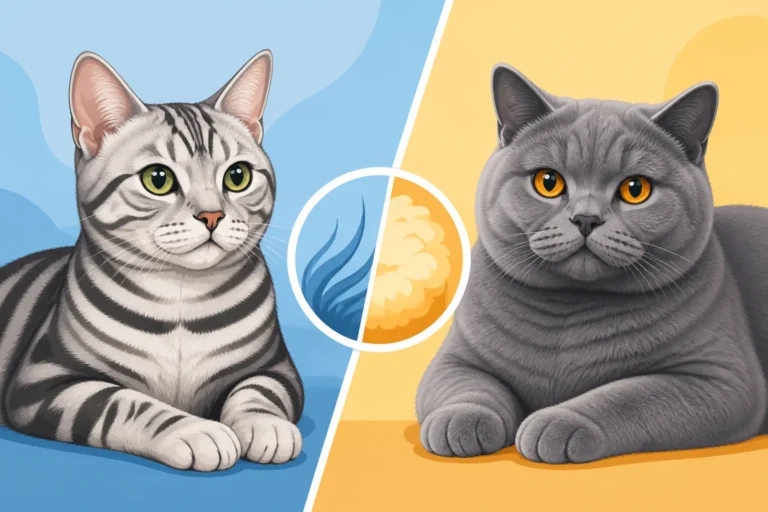
The American Shorthair’s coat is a marvel of natural engineering. It’s short, dense, and has a slightly coarse texture, which helps to repel dirt and moisture. Unlike many long-haired breeds that require daily brushing to prevent mats and tangles, the American Shorthair's fur pretty much takes care of itself. Think of it as a low-pile carpet – tough, durable, and not prone to trapping debris deeply. This natural design meant that The American Shorthair's Coat Was Built for Weather, Not a Judge, allowing their ancestors to thrive as working cats in various climates without constant human intervention for grooming.
Their fur lies close to their body, which means there's less surface area for things to stick to, and it's less likely to get knotted. They're adept at self-grooming, keeping themselves remarkably clean with their rough tongues. This breed has a very efficient system for maintaining its hygiene, which is fantastic for busy owners or those who aren't keen on extensive grooming rituals. They typically only shed heavily twice a year, during spring and fall, when their coats transition for the seasons. An American Shorthair Sheds Twice a Year and Asks Nothing Else is a very accurate statement for the majority of their lives.
Why Matting is Rare for the American Shorthair
Due to its texture and length, matting is genuinely a rare occurrence for an American Shorthair's main body coat. You won't typically find large, dense clumps of fur forming behind their ears or under their armpits like you might with a Persian or a Maine Coon. The short guard hairs and minimal undercoat (though they do have one, which thickens in winter for insulation, then thins in summer) work together to prevent the kind of serious tangles that lead to painful mats.
However, "rare" doesn't mean "never." Even with such an efficient coat, certain areas can become problematic. The fur around their hindquarters, for instance, can sometimes be slightly longer or softer, creating a perfect storm for hygiene issues if something like loose stool becomes a factor. It's usually not matting in the traditional sense, but rather a sticky, unpleasant accumulation that demands attention. This brings us to the specific situations where a sanitary trim, even for an American Shorthair, becomes a necessary consideration.
When a Sanitary Trim Might Be Considered
Despite their excellent self-grooming abilities and naturally easy-care coats, there are definite scenarios where an American Shorthair could benefit greatly from a sanitary trim. These aren't about aesthetics; they're purely about health, comfort, and cleanliness. Ignoring these signs can lead to discomfort, skin irritation, and even more serious health issues for your feline friend.
Dealing with Digestive Issues or Diarrhea
This is, by far, the most common reason an American Shorthair might need a sanitary trim. If your cat experiences a bout of diarrhea or consistently has very loose stools, that soft fur around their hindquarters can quickly become soiled. It's not just unsightly; it's a breeding ground for bacteria, can cause skin irritation or infections, and let's be honest, it smells awful. No cat wants to feel dirty, and they’ll often try to clean it themselves, which can spread the mess or lead to them ingesting unwanted bacteria.
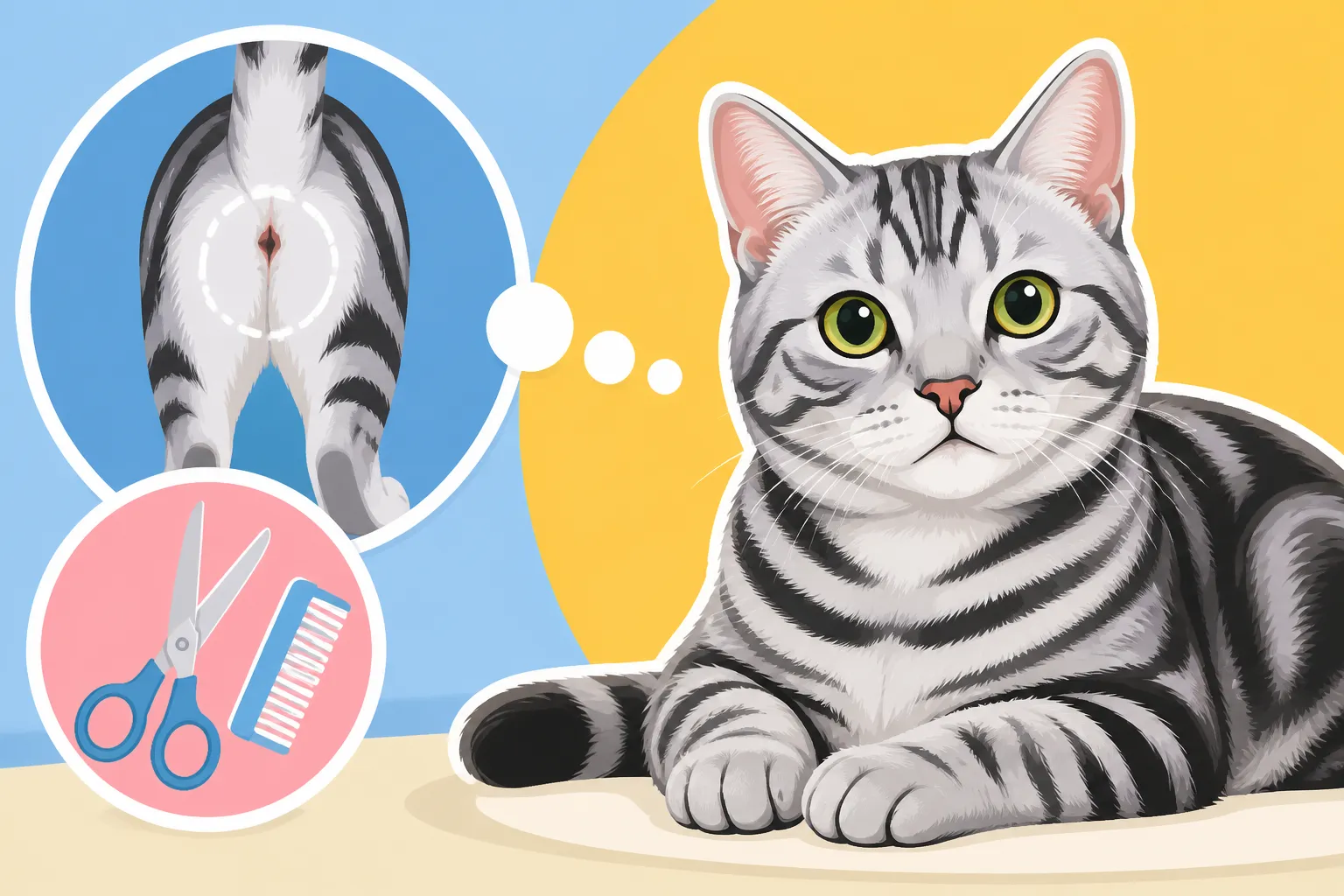
Imagine trying to clean sticky, soft waste from a dense patch of fur without making things worse – it's a nightmare for both you and your cat. A sanitary trim in this situation involves carefully clipping the fur around the anus and sometimes the inside of the back legs to create a cleaner, shorter area. This makes it far less likely for waste to get trapped, significantly easing cleanup and preventing future issues during periods of digestive upset. If your American Shorthair seems to be having frequent digestive problems, it's worth a chat with your vet. Sometimes, dietary changes to a high-quality, easily digestible food might help, though always check with your vet before making big changes.
Older or Less Mobile American Shorthairs
As our beloved American Shorthairs age, their agility and flexibility often decline. What was once an effortless stretch to reach and groom their hindquarters can become a painful or even impossible maneuver. They might develop arthritis or other musculoskeletal issues that limit their range of motion, making it difficult to keep themselves clean. This is a common challenge when Caring for an American Shorthair Past Twelve. An older cat who can't properly groom their sanitary area is at risk of discomfort, skin irritation, and unpleasant odors.
For these senior cats, a gentle sanitary trim can be a huge relief. By carefully shortening the fur in the affected area, you're helping them maintain hygiene that their bodies can no longer manage on their own. This small act of care can significantly improve their quality of life, allowing them to remain comfortable and clean without the stress and pain of trying to twist into impossible positions. It’s about adapting our care to meet their changing needs as they transition into their golden years.
Overweight or Obese American Shorthairs
An American Shorthair with a healthy, muscular frame is usually quite agile, but sadly, Obesity Is What Ending the American Shorthair's Job Cost It. Excess weight can dramatically reduce a cat's ability to groom themselves, particularly around their hindquarters. Imagine trying to bend and twist with a significant amount of extra weight – it's incredibly challenging. An overweight American Shorthair might simply not be able to reach certain areas effectively, leading to a neglected sanitary zone.
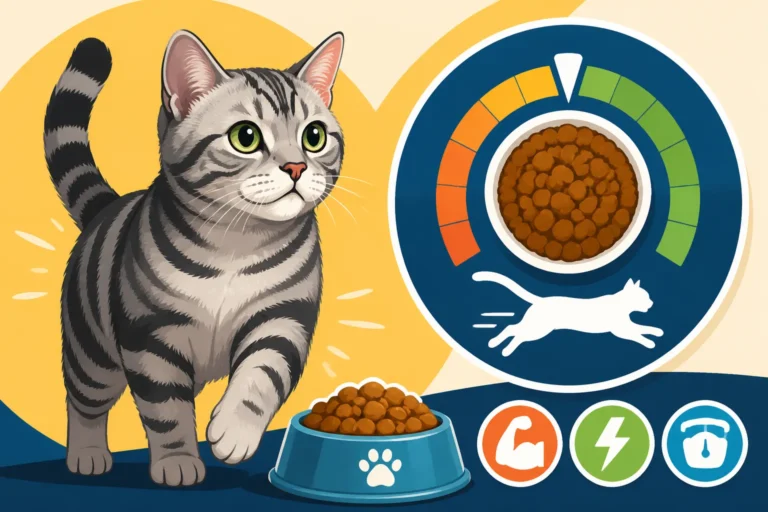
This isn't just an aesthetic issue; it's a health concern. Soiled fur can lead to skin infections, discomfort, and a generally unhappy cat. A sanitary trim can provide temporary relief while you work on a weight management plan with your vet. It ensures they stay clean and comfortable, easing the immediate hygiene problem. Addressing the underlying weight issue, perhaps with specific light food options from a store like Chewy or implementing more interactive play from Feeding an American Shorthair That No Longer Hunts Its Food, is crucial for their long-term health, but a trim can be a valuable short-term solution.
How to Approach a Sanitary Trim Safely
Deciding your American Shorthair needs a sanitary trim is one thing; actually performing it is another. It requires a calm approach, the right tools, and an abundance of caution. Whether you choose to do it yourself or seek professional help, safety and your cat's comfort should always be the top priorities.
The DIY Approach
If you decide to undertake a sanitary trim yourself, extreme care is paramount. Your cat's skin is thin and easily nicked, and the area you'll be working in is delicate.
Tools You'll Need:
- Blunt-nosed scissors: These are crucial. The blunt tips help prevent accidental pokes and cuts. Never use sharp, pointed scissors for this task.
- Small, quiet clippers: A small, battery-operated pet clipper (like those designed for delicate areas) can be safer than scissors for some cats, as they are less likely to snag skin. Look for a model that's specifically advertised as low-noise to avoid frightening your cat. Amazon offers various options for quiet pet clippers.
- A calm helper: Having someone gently hold and reassure your cat can make a world of difference.
- Treats: Plenty of high-value treats to reward cooperation and create a positive association.
- Good lighting: You need to see exactly what you're doing.
Technique:
- Preparation is key: Find a quiet, well-lit space where your cat feels secure. Lay down a towel or mat for grip and comfort.
- Positioning: Have your helper gently hold your cat, possibly on their lap, with their hindquarters facing you. Reassure your cat with soft words and strokes.
- Visual Inspection: Carefully part the fur around the anus and inner thighs. Identify the areas that are soiled or might become problematic. You're aiming to shorten the hair enough to prevent waste from sticking, not to shave them bald.
- Using Scissors (with extreme caution): If using scissors, always point the blunt tips away from your cat's skin. Hold the skin taut to create a flat surface and only cut small sections of hair at a time. Never cut close to the skin. Aim to leave at least a quarter to half an inch of fur. Work slowly and take breaks if your cat becomes agitated.
- Using Clippers: If using clippers, ensure they are clean and have a fine blade (e.g., a #10 blade is often recommended for sanitary trims). Hold the skin taut and gently glide the clippers with the direction of hair growth, or against it for a closer trim, depending on the severity of the issue. Again, don't try to get skin-close. The vibration and sound can be startling, so introduce them slowly.
- Patience and Breaks: This isn't a race. If your cat gets stressed, stop. Give them a treat, a cuddle, and come back to it later, even if it means doing it in several short sessions.
- Reward: Once done, lavish your cat with praise and treats.
Remember, a sanitary trim is about function, not fashion. You're not aiming for a perfectly sculpted look, just a clean, manageable area.
Seeking Professional Grooming Help
If the idea of trimming your cat's delicate areas fills you with dread, or if your cat is particularly feisty, anxious, or aggressive, a professional groomer or veterinary technician is absolutely the way to go. They have the experience, specialized tools, and often, a gentler touch that can make the process much smoother and safer for everyone involved.
Why a Professional Might Be Best:
- Expertise: Professionals know how to handle cats safely, even reluctant ones, and understand feline anatomy to avoid injury.
- Specialized Tools: They have sharp, well-maintained clippers and other tools that can make the job quicker and more efficient.
- Less Stress: For both you and your cat. A professional can often get the job done faster and with less struggle, minimizing the overall stress of the experience.
- Sedation Options: If your cat is extremely stressed or aggressive, a vet clinic might offer light sedation to ensure the trim can be done without harm.
When choosing a professional, look for groomers who specialize in cats or vet clinics that offer grooming services. Ask about their experience with American Shorthairs and their approach to handling anxious felines. How to Get a Patrol Minded American Shorthair Into a Carrier might be your first challenge, but getting them to a professional can be worth the effort.
Making the Experience Less Stressful
No cat particularly enjoys being restrained or having their sensitive areas handled. However, there are ways to make a sanitary trim less traumatic for your American Shorthair:
- Start Young (if possible): If you have a kitten, gently handling their paws and hindquarters from a young age can help them become accustomed to being touched in those areas. This makes future grooming much easier.
- Positive Reinforcement: Always associate handling with positive experiences. Offer treats, praise, and gentle strokes. If you're doing a DIY trim, reward every small step.
- Short, Frequent Sessions: Instead of trying to do a complete trim in one go, break it down into several very short sessions. This is especially true for anxious cats. Even a minute of calm handling followed by a treat is a win.
- Stay Calm: Cats are highly attuned to our emotions. If you're stressed, your cat will pick up on it and become stressed too. Take a deep breath, move slowly, and speak in a soothing voice.
- Comfortable Environment: Ensure the grooming area is warm, quiet, and free from distractions. A favorite blanket or towel can help your cat feel more secure.
Here's a quick comparison of DIY vs. Professional:
| Feature | DIY Sanitary Trim | Professional Grooming (Vet/Groomer) |
|---|---|---|
| Cost | Low (initial tool purchase) | Higher (per session fee) |
| Convenience | At home, on your schedule | Requires appointment & travel |
| Risk of Injury | Higher (if inexperienced or using wrong tools) | Lower (trained professionals, proper equipment) |
| Cat's Stress Level | Varies (can be high if cat resists, or low if calm) | Varies (can be lower due to speed/expertise, or high due to unfamiliarity) |
| Required Skills | Patience, steady hand, knowledge of cat anatomy | Expertise in feline handling and grooming techniques |
| Best For | Very calm cats, minor issues, experienced owners | Anxious/aggressive cats, severe matting, first-timers |
Preventative Care to Minimize the Need for Trims
The best sanitary trim is often the one you don't have to do! While accidents and age can certainly necessitate a trim, many common reasons for needing one can be mitigated or prevented with good ongoing care. A proactive approach to your American Shorthair's diet, weight, and general health can keep their grooming needs simple and straightforward.
Maintaining a Healthy Diet and Digestion
A healthy digestive system is your first line of defense against soiled hindquarters. Cats, especially American Shorthairs, thrive on a high-quality diet that supports good gut health, leading to firm, well-formed stools that are much less likely to cause a mess. Issues like chronic diarrhea or consistently soft stools are often indicators of dietary sensitivities or underlying health problems.
Ensure your cat's food is appropriate for their life stage and activity level. Many owners find that a diet rich in animal protein and moisture, like wet food, helps maintain consistent stool quality. Fresh, human-grade food or high-quality canned food can be excellent choices. Avoid frequent changes in diet, which can upset their stomach. If you notice persistent digestive issues, always consult your veterinarian. They might recommend specific dietary changes, probiotics, or investigations into potential allergies or medical conditions. A healthy gut means less chance of needing that dreaded sanitary trim.
Weight Management and Exercise
As we've touched on, an overweight American Shorthair is a less flexible American Shorthair, and less flexibility means less effective self-grooming. Maintaining an ideal weight is crucial not only for preventing grooming challenges but for their overall health and longevity. An American Shorthair's muscular, robust build is designed for activity. How Much a Working Framed American Shorthair Should Eat will be different from a sedentary one, and it's vital to get the portions right.
Regular exercise and mental enrichment can help keep your cat trim and agile. Engage them in interactive play sessions that mimic hunting, using wand toys or puzzle feeders. Encourage climbing on cat trees, like those available on Amazon, and provide opportunities for them to explore safely. A healthy weight means they can comfortably reach all areas of their body for self-grooming, drastically reducing the chances of needing a sanitary trim due to inability to reach. It’s a win-win: a happier, healthier cat who can keep themselves clean!
Regular Brushing and Inspections
Even though American Shorthairs are low-maintenance, a little bit of proactive grooming from you can go a long way. This isn't about preventing mats in their main coat, but rather about staying on top of the cleanliness of their sanitary area and using the opportunity for a general health check.
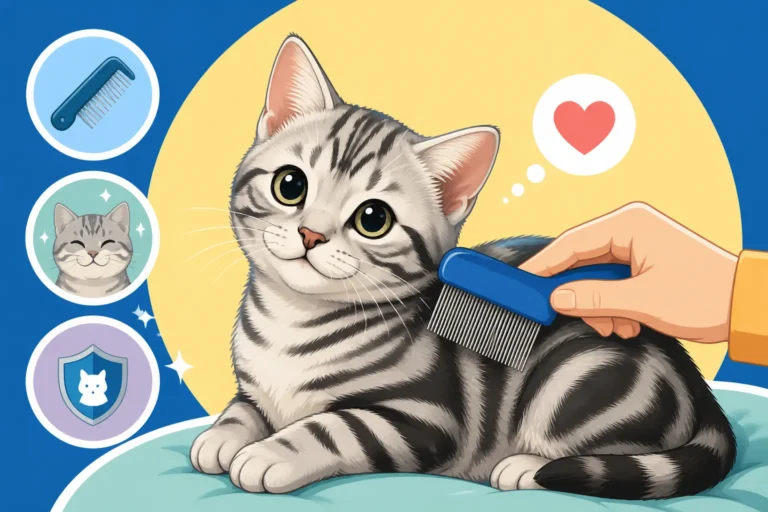
Aim for a quick brush-through once or twice a week, focusing on their body but always including a gentle check of their hindquarters. During these mini-grooming sessions, you can use a fine-toothed comb or a soft brush to gently clear any loose fur from around their bottom. This prevents accumulation and makes it easier for you to spot any signs of irritation, redness, or sticky residue before it becomes a major problem. These regular inspections also allow you to observe their skin, feel for any lumps or bumps, and generally bond with your cat. It's an opportunity to ensure everything is "shipshape" back there, and if you do notice anything amiss, you can address it promptly, potentially avoiding the need for a full sanitary trim. How Little Combing an American Shorthair Actually Needs is true for everyday, but these targeted checks are invaluable.
Disclaimer
This article is for general informational purposes only and does not constitute professional advice. Laws, prices and regulations vary by location and change over time. Consult a qualified professional for guidance on your specific situation.