Signs an American Shorthair Has Nothing Left to Hunt
It's a common misconception that because our beloved American Shorthairs are now pampered housecats, often far removed from their barn cat ancestors, their fundamental instincts have simply evaporated. The truth is, that deeply ingrained drive to hunt, stalk, and capture prey is still very much alive within them. When that powerful instinct isn't given a healthy outlet, it doesn't just go away; it can manifest in a whole host of frustrating, confusing, or even concerning behaviors for us owners. This guide is here to help you recognize the often-subtle signs that your American Shorthair has nothing left to hunt, and more importantly, how you can provide enriching, instinct-satisfying alternatives to keep them happy, healthy, and engaged.
The Undeniable Hunting Heritage of the American Shorthair
Let's face it, the American Shorthair wasn't always the calm, affectionate family member we know and love today. This breed's very foundation is rooted in centuries of hard work as ships' cats and formidable rodent control specialists on farms and in homes across North America. Their ancestors were quite literally bred and selected for their prowess as hunters. This isn't just some quaint historical fact; it’s a living, breathing part of their genetic makeup, influencing their behavior even now, generations removed from active duty.
Why Centuries of Ratting Left the American Shorthair Its Drive
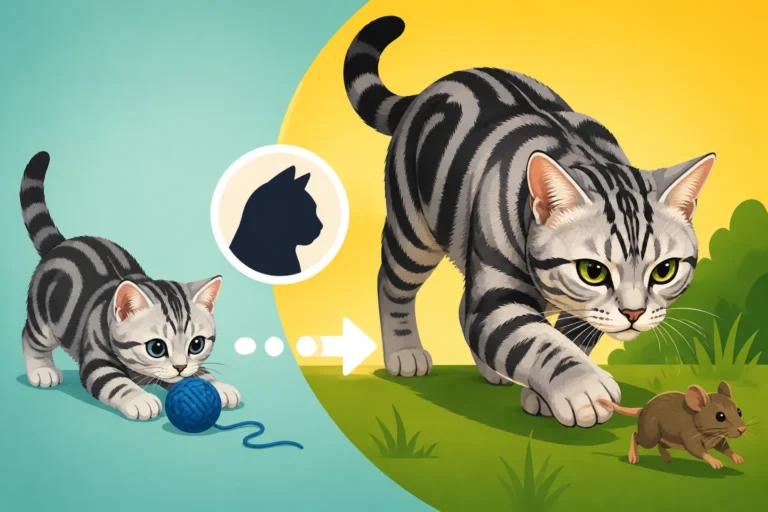
Imagine a ship crossing the Atlantic or a bustling colonial farm. A cat wasn't just a pet; it was an essential worker, responsible for keeping vermin populations in check. The cats that excelled at this job – those with keen senses, powerful pouncing abilities, and an unyielding drive to stalk and capture – were the ones that thrived and reproduced. This natural selection process, spanning hundreds of years, hardwired the American Shorthair with an incredibly strong prey drive. They were built for efficiency in the hunt, not just for looks. It’s why even the most laid-back American Shorthair will often still react to a fluttering leaf outside the window or a tiny dust bunny skittering across the floor. They are observing, assessing, and often, preparing to pounce, even if the "prey" is inconsequential. You can learn more about this in Why Centuries of Ratting Left the American Shorthair Its Drive.
The Full Hunting Sequence and Its Importance
For a cat, hunting isn't just about catching something; it's a complex, multi-stage behavior that provides immense physical and mental stimulation. It starts with stalking—low to the ground, focused, and patient. Then comes the chase, often short and explosive. Next is the pounce and capture, ideally culminating in the simulated "kill bite." Finally, a truly satisfied hunter would consume their prey. When indoor cats don't get to complete this sequence, it can leave them feeling profoundly unfulfilled. They might get the chase from a laser pointer, but without the satisfying "catch" at the end, that inherent drive remains unsatiated. It's like working out without ever feeling tired, or studying for a test that never comes. The energy and mental effort are expended, but the natural conclusion is missing.
Unmasking the Signs of an Unfulfilled Hunter
When an American Shorthair's powerful hunting instinct goes unmet, it doesn't necessarily mean they'll suddenly start tearing up the house (though that can happen!). Often, the signs are more subtle, manifesting as changes in their usual calm demeanor or shifts in their health. Understanding these cues is crucial for addressing the root cause before problems escalate.
Behavioral Redirections and Frustrations
One of the most common ways an unfulfilled hunting instinct shows itself is through redirected behaviors. Your American Shorthair needs an outlet, and if you're not providing one, they'll find their own – which might not always align with household harmony.
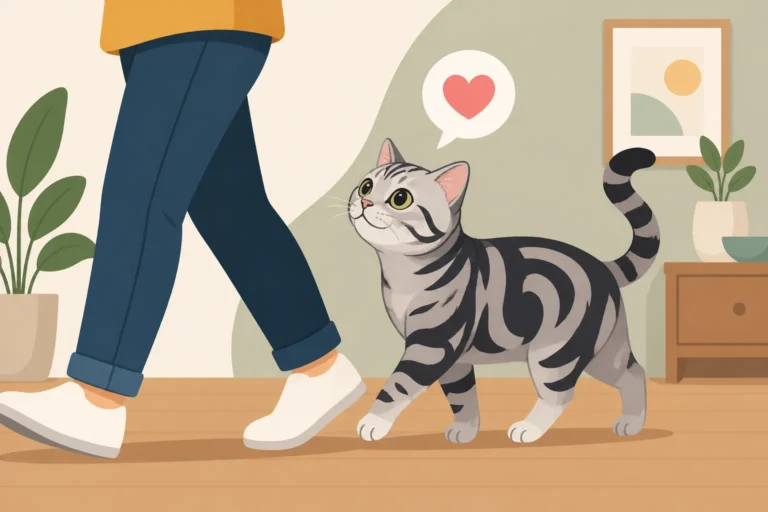
- Attacking "Prey" That Isn't Prey: Have you ever had your American Shorthair suddenly pounce on your ankles as you walk by? Or stalk your feet under the covers? This isn't aggression towards you; it's a redirected hunting attempt. Your moving limbs become the stand-in for a mouse or bird. It’s their way of saying, "I need to hunt, and you're the most stimulating thing available right now!" This behavior, while sometimes painful for you, is a clear cry for more appropriate hunting opportunities. Why an American Shorthair Stalks Your Ankles goes into this in more detail.
- Destructive Chewing or Scratching: While scratching is natural for claw conditioning, excessive or misdirected scratching can be a sign of boredom and frustration. If your American Shorthair is suddenly shredding furniture or chewing on inappropriate items, it could be a desperate attempt to engage their instincts. They might be trying to "capture" or "disembowel" something, or simply needing an outlet for pent-up energy that a good hunt would normally release.
- Obsessive Behaviors: An American Shorthair might start obsessively watching shadows, reflections, or even imaginary specks on the wall. This hyper-focus, often accompanied by a low growl or chattering, is their brain desperately trying to find something to hunt. They're seeing "prey" where there is none, driven by an internal need that isn't being met.
- Excessive Vocalization or Unusual Quietness: While American Shorthairs are generally not overly vocal, an increase in insistent meowing could signal boredom or frustration, especially if it's accompanied by other agitated behaviors. Conversely, a sudden withdrawal or unusual quietness in an otherwise social cat can also be a sign of depression or understimulation. When an Already Quiet American Shorthair Has Gone Too Quiet discusses how important it is to notice these shifts.
Physical and Emotional Indicators
The impact of an unmet hunting instinct isn't just behavioral; it can manifest physically and emotionally, too. Cats are incredibly stoic, so these signs can sometimes be subtle until they become more serious.
- Lethargy and Weight Gain: A cat that doesn't get to "hunt" or engage in active play will burn fewer calories. This can easily lead to weight gain, especially in a breed like the American Shorthair, which has a naturally robust appetite from its working past. Obesity then leads to lethargy, creating a vicious cycle. Beyond the physical, a lack of mental stimulation can also lead to a general listlessness, a disinterest in their surroundings, and even depression. What Extra Weight Does to an American Shorthair's Working Frame highlights the specific risks of this for the breed.
- Stress-Related Illnesses: Chronic stress from understimulation can weaken a cat's immune system, making them more susceptible to various ailments. You might see issues like urinary tract problems (especially in males), skin irritations, or excessive grooming to the point of bald patches. These aren't always direct results of not hunting, but rather consequences of the underlying stress and boredom that an unfulfilled hunting drive contributes to.
- Loss of Interest in Previous Activities: Perhaps your American Shorthair used to love a particular wand toy, but now just stares blankly at it. Or they ignore the cat tree they once scaled with gusto. This isn't necessarily just "getting old" (unless they're truly senior); it can be a sign that the existing play routine isn't challenging or satisfying their core instincts anymore. They may have simply "figured out" the old games, and they no longer provide the thrill of the hunt.
Here's a quick comparison of behaviors to help you distinguish between a content American Shorthair and one longing for the thrill of the hunt:
| Behavior | Content American Shorthair | Understimulated American Shorthair |
|---|---|---|
| Playfulness | Engages enthusiastically with interactive toys, takes breaks, seems satisfied. | Appears bored or uninterested in toys; easily distracted; plays destructively. |
| Interaction | Seeks out human interaction for affection, not just attention; calm and observant. | Insistent meowing for attention; "attacks" hands/feet; withdrawn or irritable. |
| Activity Level | Periods of high energy balanced with deep sleep; explores home regularly. | Lethargic for long periods; sudden bursts of frantic, undirected energy. |
| Grooming | Self-grooms efficiently; coat is healthy and smooth. | Over-grooms, creating bald spots; matted fur if obese and cannot reach. |
| Appetite | Eats meals with interest, maintains healthy weight. | Eats quickly out of boredom; grazes constantly; rapid weight gain. |
| Environment Interaction | Uses scratching posts; observes outside keenly; occupies vertical space. | Scratches furniture; stares obsessively at reflections/shadows; seems restless. |
Bringing the Hunt Indoors: Practical Enrichment Strategies
The good news is that you don't need to release your American Shorthair into the wild to satisfy their hunting instincts. With a little creativity and understanding, you can bring the thrill of the hunt right into your home. The key is to mimic the natural hunting sequence as much as possible.
Interactive Toys and Structured Play Sessions
This is where the magic happens. Forget leaving a pile of toys on the floor; that's like leaving a pile of books for a child and expecting them to learn on their own. You need to be an active participant.
- Wand Toys as Prey: The best interactive toys are those that mimic small prey animals. Think feathers on a stick, crinkly balls on a string, or toys that resemble mice. The important thing is how you use them. Don't just dangle them; make them dart, hide, and pause like real prey. Let the toy disappear around a corner, peek out from under a rug, then dart away. This engages their stalking instinct. You can find a huge variety of these on Amazon, often labeled as "cat dancer" or "teaser wands." Look for durable ones, as your American Shorthair's pounce can be quite powerful! Which Wand Toy Reads as Prey to an American Shorthair offers great insights into toy selection.
- Completing the Kill Sequence: This is critical. After a chase, let your cat catch the toy. Don't always pull it away at the last second. Let them grab it, "kill" it with a few bunny kicks, and feel the satisfaction of the capture. Then, allow them a few moments to "process" their kill before gently wiggling the toy away for the next round. This fulfills the entire natural sequence, making the play much more gratifying. A good play session will leave your cat panting slightly and then settling down for a nap, truly tired out. Play That Finishes the Hunting Sequence for an American Shorthair emphasizes this point.
- Puzzle Feeders: Remember the "consumption" stage? This is where puzzle feeders shine. Instead of just putting food in a bowl, make your cat "hunt" for their meal. These feeders require them to bat, nudge, or manipulate the device to release kibble or treats. This taps into their problem-solving skills and satisfies a primal urge to work for their food. Amazon has many options, from simple treat balls to more complex mazes. Start with easy ones and gradually introduce more challenging designs.
- Rotational Toys: Cats get bored quickly with the same old toys. Keep a selection of toys and rotate them every few days or weekly. What was old and boring suddenly feels new and exciting again. This keeps their interest piqued and prevents the "loss of interest" problem we discussed earlier.
Environmental Enrichment and Stimulation
Beyond direct play, your American Shorthair's environment can play a huge role in satisfying their hunting needs.
- Vertical Space: Cats are natural climbers and observers. Providing vertical space, like tall cat trees, wall-mounted shelves, or even just leaving a safe spot on a sturdy bookcase, allows them to survey their territory from above, much like they would in a natural setting. This gives them a sense of security and a new vantage point to "hunt" shadows or watch birds outside. You can find impressive cat trees and wall furniture kits on Amazon to suit any space.
- Window Perches: A window with a good view is like cat TV. A sturdy window perch allows your American Shorthair to watch squirrels, birds, and passing cars, engaging their observational hunting instincts. Even if they can't physically chase, the mental stimulation of watching potential prey is valuable. Just make sure the window is secure and screens are intact!
- Catios (Cat Patios): If outdoor access isn't safe or feasible, a catio can be a fantastic compromise. These enclosed, secure outdoor spaces allow your American Shorthair to experience fresh air, sunshine, and the sights and sounds of nature without the dangers of free-roaming. They can watch bugs, feel the breeze, and even "hunt" leaves or insects that enter their space. This truly offers a rich sensory experience that can deeply satisfy their innate drives. Whether a Catio Satisfies an American Shorthair's Drive is a great resource if you're considering one.
Knowing When to Seek Professional Help
While many signs of an unfulfilled hunting instinct can be addressed with simple enrichment, there are times when a professional eye is needed. It's important to differentiate between normal cat behavior and something that might indicate a deeper issue, whether behavioral or medical.
When Behavioral Issues Escalate
If your American Shorthair's redirected hunting behaviors become genuinely aggressive, dangerous, or harmful, it's time to intervene with professional help.
- Severe Aggression: While ankle-pouncing is one thing, if your cat is consistently lunging, biting hard enough to break skin, or showing truly aggressive behaviors towards family members or other pets, this goes beyond simple play. A certified feline behaviorist can help diagnose the root cause and develop a tailored modification plan. Sometimes, what looks like aggression is actually extreme frustration or anxiety.
- Self-Mutilation or Excessive Destructive Behavior: If your cat is pulling out their fur, chewing on their paws excessively, or causing significant damage to your home despite your best efforts at enrichment, these are red flags. These could be signs of severe stress, anxiety, or even pain, requiring expert assessment.
- Persistent Litter Box Problems: While not always directly linked to hunting, chronic stress from an unfulfilled life can lead to inappropriate urination or defecation outside the litter box. If medical causes have been ruled out by your vet, a behaviorist can help explore environmental or psychological triggers.
Ruling Out Medical Conditions with Your Vet
Many behavioral changes that might seem like signs of an unfulfilled hunter can actually stem from underlying medical conditions. It’s always crucial to get a veterinary check-up first.
- Lethargy and Appetite Changes: While boredom can cause lethargy and changes in appetite, so can a multitude of medical problems, from kidney disease to hyperthyroidism to dental pain. A vet can run diagnostic tests to rule out these possibilities. Why a Withdrawn American Shorthair Should See a Vet explains why a vet visit is paramount if your cat suddenly becomes withdrawn.
- Weight Fluctuations: Unexplained weight gain or loss should always prompt a vet visit. While too much food and too little exercise can cause weight gain, hormonal imbalances or metabolic disorders can also be culprits.
- Excessive Grooming or Skin Issues: Before attributing excessive grooming to stress, a vet can check for allergies, parasites, or skin infections that might be causing the irritation. It's important not to assume it's "just behavioral" without a medical all-clear.
- Sudden Changes in Mobility: If your cat is no longer jumping or climbing as they once did, it could be a sign of arthritis or joint pain, not just disinterest in play. Your vet can assess their physical comfort and recommend appropriate pain management or supplements. How a Vet Assesses an American Shorthair's Hips can be helpful in understanding hip issues.
A good relationship with your veterinarian is invaluable. They are your first line of defense in distinguishing between a behavioral quirk and a serious health concern. Never hesitate to discuss your observations with them. They can then guide you towards a certified feline behaviorist if medical issues are ruled out and the problem persists.
Disclaimer
This article is for general informational purposes only and does not constitute professional advice. Laws, prices and regulations vary by location and change over time. Consult a qualified professional for guidance on your specific situation.