How Long a Hunt Simulation Holds an American Shorthair
It's a common dilemma for American Shorthair owners: you know your placid, easygoing companion descended from skilled hunters, but how do you channel that primal instinct into healthy, engaging play without exhausting yourself or them? The truth is, that deep-seated hunting drive doesn't just disappear because they're now a beloved housecat. Understanding how long a hunt simulation truly holds their attention is key to keeping them happy, healthy, and out of mischief, and this guide will walk you through setting up satisfying play sessions.
Understanding the American Shorthair's Innate Hunting Drive
Let's face it, your American Shorthair might look like the epitome of calm contentment, perhaps curled up in a sunbeam, barely twitching a whisker. But beneath that serene exterior lies centuries of honed instinct, a biological blueprint for hunting that's as vital to their well-being as food and water. Ignoring this instinct can lead to boredom, frustration, and even behavioral issues, so understanding its roots is the first step toward effective play.
The Echo of Ancestral Instincts
Think back to the origins of the American Shorthair. These weren't always pampered pets; their ancestors were the rugged, no-nonsense working cats who sailed across oceans on the Mayflower, keeping ships free of vermin. Later, they became the invaluable pest controllers of farms and homesteads across North America. This wasn't a job they took lightly; their survival, and often the survival of entire communities' food stores, depended on their keen hunting prowess. This deep history means that their hunting drive isn't just a quirky habit; it’s intrinsically woven into their very being. Why Centuries of Ratting Left the American Shorthair Its Drive They were selected for their ability to stalk, chase, and capture prey efficiently, and that genetic programming remains strong, even if their "prey" now consists of a feather wand rather than a field mouse.
For an American Shorthair, hunting is a complex, deeply satisfying process that engages both their mind and body. It's not just about the physical exertion; it's about problem-solving, anticipation, and the ultimate triumph of the catch. When they're deprived of this outlet, that powerful energy has to go somewhere, and often, it manifests in less desirable ways, like scratching furniture, overeating, or simply becoming withdrawn and listless. Providing a proper hunting simulation isn't just entertainment; it's fundamental to their mental and physical health.
The Stages of the Hunt: Beyond Just Chasing
Many people mistakenly think that throwing a toy for their cat is enough to satisfy their hunting drive. While any movement is better than none, a truly satisfying hunt simulation needs to mimic the entire sequence their ancestors would have performed. This isn't just about the chase; it's a meticulously choreographed ballet of instinctual behaviors:
- Stalking: This is the quiet, methodical approach. Your American Shorthair will get low, eyes focused, tail twitching slightly. They're assessing the "prey," planning their attack. How an American Shorthair Stalks This stage requires patience and mental engagement, not just speed.
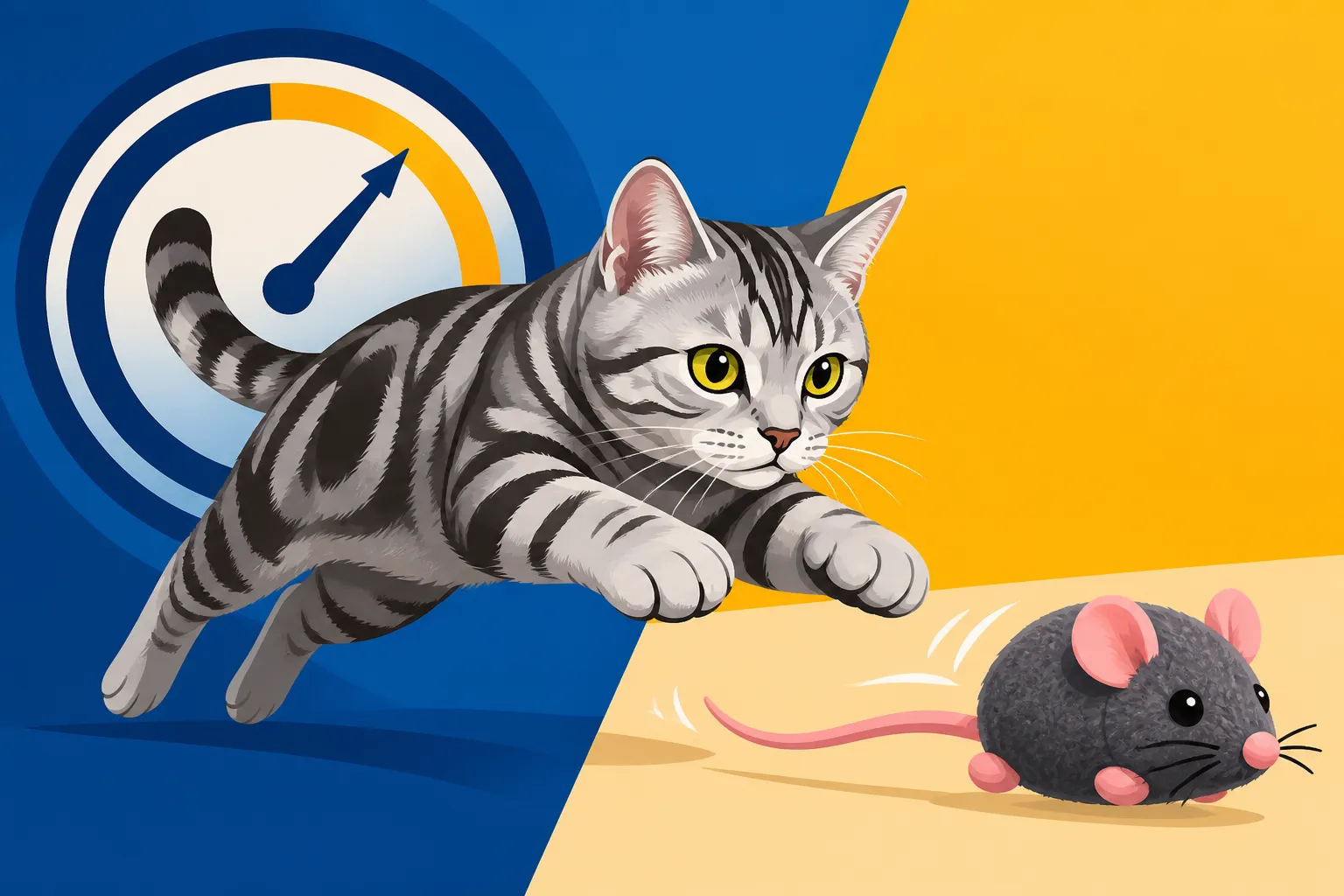
- Chasing: Once the prey moves just right, the explosive burst of speed. This is where the cardio comes in!
- Pouncing: The dramatic leap or lunge to pin down the prey. This requires coordination, agility, and precise timing.
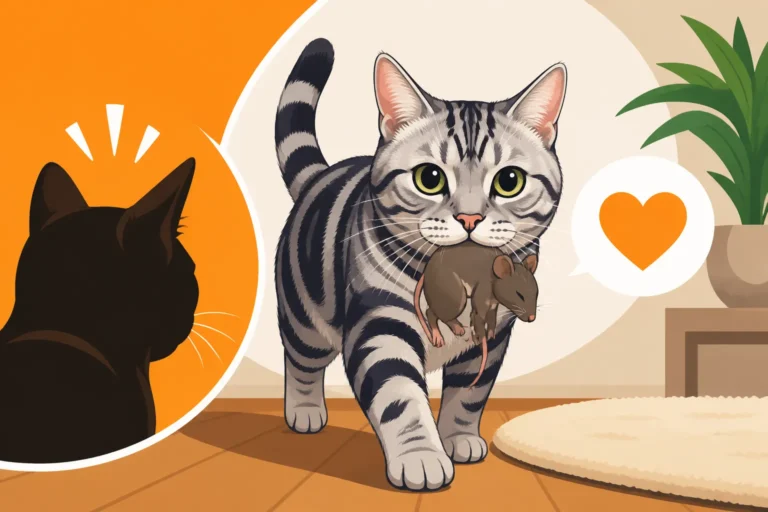
- The "Kill" Bite: This is arguably the most critical, yet often overlooked, part of the sequence. Once the toy is caught, the cat needs to be allowed to "dispatch" it with a gentle, instinctual bite, often accompanied by a "bunny kick" with their back feet. Without this final, satisfying conclusion, the hunt feels incomplete, leaving your cat agitated or frustrated. Why an American Shorthair Needs to Catch the Toy
If your play sessions consistently skip the "kill" phase (like constantly using a laser pointer without a tangible catch at the end), your American Shorthair might seem engaged for a while, but they'll ultimately be left feeling unfulfilled. This can lead to them becoming obsessed with the light or even aggressive because they never get to complete the natural cycle. It's like working hard towards a goal and never getting to celebrate the achievement.
The Duration of Engagement in a Simulated Hunt
So, how long can you expect to keep your American Shorthair engaged in a hunt simulation? The answer, like with most things feline, is "it depends!" These cats are not known for endless, high-energy play like some other breeds. Their hunting style is often described as a series of short, intense bursts rather than marathon sessions. However, understanding the factors that influence their engagement can help you tailor playtime to their individual needs and keep them coming back for more.
Factors Influencing Engagement Time
Several elements play a crucial role in how long your American Shorthair will stick with a hunt simulation. It's not just about the toy, but the entire environment and interaction.
- Individual Personality: Even within the American Shorthair breed, there's a spectrum of personalities. Some are more intensely prey-driven, while others might be a bit more laid-back. A highly motivated cat might stay engaged longer, especially if the "prey" is particularly enticing. Others might tire more quickly or prefer shorter, more frequent bursts of play. Observe your cat's cues – are their eyes still bright, their tail twitching with focus, or are they starting to glance away?
- Age and Fitness Level: A spry young American Shorthair kitten or a healthy adult might have more stamina for sustained play than an older cat. As cats age, their energy levels naturally decline, and they might prefer shorter, gentler play sessions. Similarly, an overweight or less active cat might tire quickly, but that doesn't mean they don't need the stimulation! Caring for an American Shorthair Past Twelve Adjust the intensity and duration to their physical capabilities.
- Novelty of the "Prey": Cats, including the American Shorthair, are easily bored by the same old routine. A brand-new toy or a different type of wand attachment can re-spark their interest. Think about how exciting a new "intruder" in their territory would be – that's the kind of novelty we're aiming for. Rotating toys, bringing out a favorite only sometimes, and occasionally introducing something entirely new (check out some fun options on Amazon!) can significantly extend their engagement.
- The Handler's Interaction: You are a crucial part of the hunt simulation! A toy simply sitting there isn't interesting. You need to make the "prey" behave like real prey. This means making it dart, hide, pause, and even "struggle" a little when caught. Varying the speed and movement makes the hunt more challenging and engaging. If you're just dangling a feather toy, you'll get far less engagement than if you're actively mimicking a mouse or bird.
- Environmental Context: A quiet room with few distractions is often best for focused play. If there's a lot of household noise, other pets vying for attention, or people walking by, your American Shorthair might lose focus sooner. Creating a dedicated "hunting ground" can help them get into the zone.
Typical Session Lengths and Patterns
For most American Shorthairs, a single hunt simulation session that genuinely engages them from stalk to "kill" might only last 5 to 15 minutes. Now, don't let that number discourage you! This doesn't mean they're done for the day. Instead, they thrive on multiple, shorter sessions throughout the day, mimicking the natural hunting patterns of their ancestors.
Think of it this way: a wild cat isn't hunting for an hour straight. They'll hunt, eat, groom, nap, and then hunt again. Your American Shorthair operates on a similar rhythm. Aim for two to four short, intense play sessions daily, spread out. For example, a session in the morning before you leave for work, another when you get home, and maybe one or two more in the evening.
This burst-and-rest pattern is ideal. They get to expend that explosive energy, achieve the satisfaction of the "kill," and then rest and process. This staggered approach helps keep them mentally stimulated without over-exerting them or allowing them to become bored with one long session. It's more about quality and consistency over sheer quantity. You'll likely find that their interest wanes after that 10-15 minute mark, even if they're still moving. That's your cue to end the "hunt" on a high note, with a successful "kill," and let them enjoy their "prize." How Many Hunts a Day an Indoor American Shorthair Needs
Here's a quick overview of engagement dynamics:
| Factor | Impact on Engagement Duration | Notes |
|---|---|---|
| Cat's Age | Young: Longer, more intense | Kittens and young adults have more energy. Older cats prefer shorter, gentler sessions. |
| Personality | Varies by individual | Highly prey-driven cats may engage longer. Laid-back cats prefer frequent, shorter bursts. |
| Toy Novelty | New: Longer engagement | Introducing new toys or rotating old ones prevents boredom. Look for variety on platforms like Amazon. |
| Handler Interaction | Active: Longer engagement | Mimicking prey behavior (darting, hiding, struggling) significantly increases interest compared to static dangling. |
| "Kill" Phase | Included: Deeper satisfaction | Allowing the cat to "catch" and "dispatch" the toy is crucial for a complete and satisfying hunt cycle, extending psychological engagement. |
| Distractions | Low: Longer focus | A quiet environment helps the cat concentrate on the "hunt." High-distraction settings shorten attention span. |
| Physical Condition | Fit: Longer play | Overweight or ill cats may have reduced stamina. Tailor play to their physical limits. |
Maximizing the Effectiveness and Longevity of Hunt Simulations
Just knowing how long an American Shorthair might play is only half the battle. The real trick is making those sessions as effective and satisfying as possible, ensuring your cat feels fulfilled and you're getting the most bang for your buck, both in terms of your time and their energy.
Varying Your Approach and Tools
Monotony is the enemy of engagement for an American Shorthair. If you use the same feather wand, in the same way, at the same time every day, even the most enthusiastic hunter will eventually lose interest. Think of yourself trying to do the same puzzle every single day – it loses its appeal.
- Wand Toys are Your Best Friend: These are fantastic for simulating prey movement. Invest in a few different types, with varying attachments (feathers, crinkly plastic, fluffy things). Different textures and shapes mimic different types of prey. For instance, a long feather wand from a brand like Da Bird (found on Amazon) can replicate a bird in flight, while a furry mouse attached to a shorter wand can be a scurrying rodent. Remember to make the "prey" move erratically, darting, pausing, and hiding. Don't just swing it in the air.
- Kicker Toys for the "Kill": These soft, elongated toys are perfect for the "bunny kick" phase. After your cat "catches" the wand toy, let them grab a kicker toy and wrestle it, performing those satisfying back-leg kicks. This is vital for completing the hunting sequence.
- Puzzle Feeders Engage Their Minds: Not all hunting is about explosive movement. Foraging is also a natural instinct. Puzzle feeders (you can find a wide array of options on Amazon for all difficulty levels) force your American Shorthair to "work" for their food, using their brains and paws to extract treats or kibble. This slows down eating, prevents boredom, and provides mental stimulation, which can hold their attention for quite a while, sometimes 20-30 minutes for a complex one. Whether a Puzzle Feeder Satisfies an American Shorthair
- Rotating Toys: Don't leave all the toys out all the time. Keep a selection put away and rotate them every few days or weeks. This keeps things fresh and exciting, making old favorites feel new again.
The Importance of the "Catch and Kill"
We've touched on this, but it bears repeating: the "kill" is paramount. A hunt simulation that doesn't end with a tangible catch is deeply frustrating for your cat. It's why laser pointers, while fun for a few minutes, can actually cause anxiety if not followed by a real toy they can pounce on and "kill." Why a Laser Frustrates an American Shorthair That Needs the Catch
Here's how to ensure a satisfying "kill":
- Let them Win! Don't always keep the toy just out of reach. Allow your American Shorthair to pounce on it, capture it, and hold it.
- The "Death Throe" Wiggle: Once they've got the toy, give it a tiny, final wiggle or twitch. This signals the "prey" is defeated and encourages their "kill" bite and bunny kicks.
- Transition to a Kicker: If using a wand, gently pull the wand away after a moment, leaving the attachment for them to "dispatch" with their back paws. Some cats will happily do this with the wand toy itself, while others might prefer a dedicated kicker toy.
- End on a High Note: Always finish the play session when your cat is still engaged, not when they're completely bored or exhausted. This leaves them feeling successful and eager for the next session. Then, put the toy away. How to End a Play Session With an American Shorthair
Integrating Environmental Enrichment
Beyond direct play, the environment itself can be a continuous hunt simulation, keeping your American Shorthair engaged for longer stretches even when you're busy.
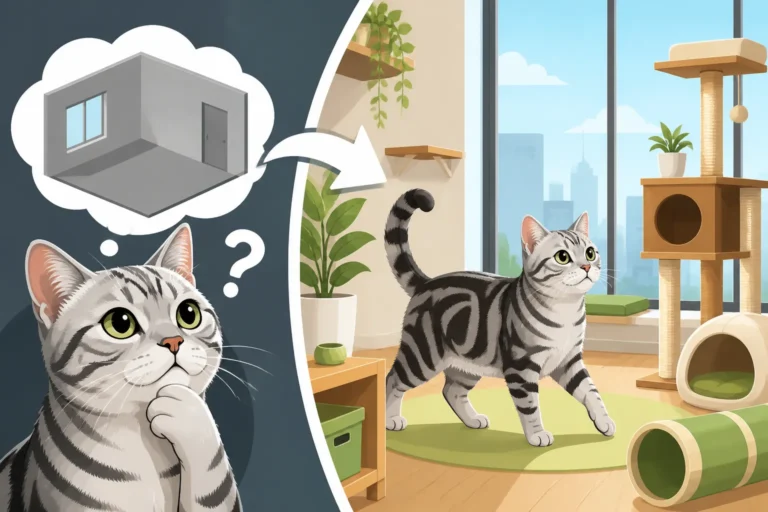
- Vertical Space: Cats are natural climbers and observers. Providing cat trees, shelves, or wall-mounted perches allows them to survey their territory from a height, which is a key part of their "patrol" instinct. How Much Vertical Space an American Shorthair Needs A sturdy cat tree (many great ones can be found on Amazon) offers climbing, scratching, and napping spots, mimicking the varied terrain their ancestors navigated.
- Window Perches: A window is a live-action nature documentary for your cat. Birds, squirrels, even passing cars – it's all potential "prey" to watch and stalk from a safe vantage point. A comfortable window perch can provide hours of passive mental stimulation. Why a Window Is a Hunting Post to an American Shorthair
- Hidden Treats/Food: Instead of just putting food in a bowl, scatter small portions around the house or hide them in snuffle mats. This encourages foraging and keeps them "hunting" for their meals throughout the day, extending their engagement and mental activity. Making an American Shorthair Work for Its Dinner Again
Recognizing Signs of Under-Stimulation
You might be thinking, "My American Shorthair seems perfectly content just napping all day!" And while they do love their naps, an under-stimulated American Shorthair will eventually show signs that their innate hunting drive isn't being met. These signs might be subtle at first, but if ignored, they can lead to chronic boredom and stress. It's crucial for us, as their human companions, to recognize these cues and adjust our enrichment strategies.
Behavioral Indicators
When an American Shorthair isn't getting enough mental and physical stimulation, those powerful instincts often find less desirable outlets. This isn't your cat being "naughty"; it's them trying to satisfy a fundamental need.
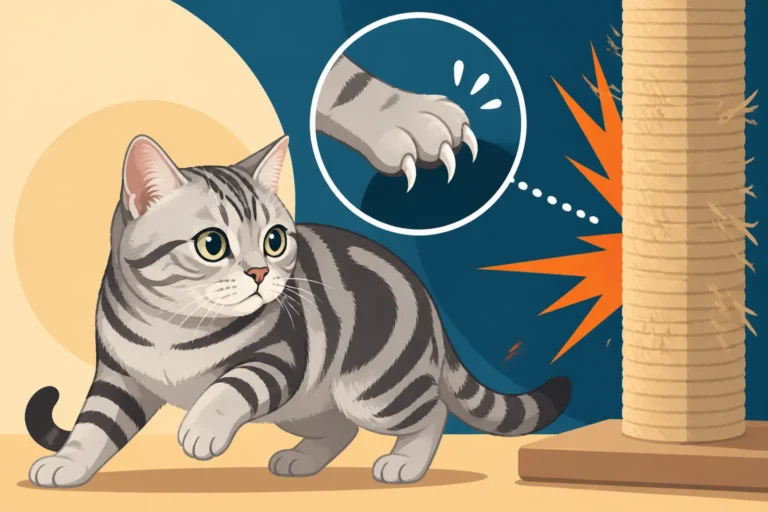
- Destructive Behavior: Are your curtains suddenly looking like they've been attacked by a tiny ninja? Is your furniture covered in new scratch marks despite having scratching posts? This can be a sign of redirected hunting energy. They might be "hunting" your belongings because they have no other appropriate outlet. This is particularly true for items that dangle or have textures that mimic prey.
- Overeating or Begging for Food: Food can become a substitute for mental stimulation. A bored American Shorthair might seek out food more frequently, even if they're not truly hungry, simply because the act of eating provides a momentary distraction or comfort. This can quickly lead to weight gain, which is a common issue for indoor American Shorthairs whose "job" of pest control has ended. Why Ending the Mousing Job Made the American Shorthair Heavy
- Lethargy or Apathy: While American Shorthairs are generally calm, a truly under-stimulated cat might appear unusually withdrawn, sleeping excessively, and showing little interest in interactions or toys. This isn't contentment; it's often a sign of boredom or mild depression from lack of engagement. They've given up on trying to find stimulation because nothing has worked.
- Harassing Other Pets or People: If your cat is constantly pouncing on your feet, ambushing other pets, or playfully (or not so playfully) attacking hands and ankles, it's a clear sign they have pent-up hunting energy they need to release. They are using you or other household members as their "prey." What an Indoor American Shorthair Hunts Instead
- Excessive Vocalization or Restlessness: While American Shorthairs aren't typically very vocal, an increase in meowing or a general restlessness (pacing, inability to settle) could indicate frustration or unmet needs. They might be trying to tell you something, even if you don't immediately understand their language.
- Litter Box Issues: In some cases, chronic stress from under-stimulation can even manifest as inappropriate urination or defecation. This is often a last resort for a cat trying to communicate distress.
Adjusting Your Routine
If you're noticing any of these signs, it's a clear signal that your American Shorthair needs an adjustment to their enrichment routine. Don't feel guilty; it's a learning process! The good news is that these issues can often be mitigated or resolved with consistent, targeted intervention.
- Increase Play Frequency: If you're currently doing one play session a day, try two or three shorter ones. Remember, it's about bursts of activity.
- Lengthen Sessions (with caveats): If your current sessions are very short (e.g., less than 5 minutes), try to extend them slightly, but always ensuring the "kill" phase. If your cat loses interest after 10-15 minutes, respect that, but introduce another session later.
- Introduce Novelty: As mentioned before, rotate toys. Bring out a new type of wand, a different texture of kicker toy, or a new puzzle feeder. You don't have to break the bank; even making a crinkly ball out of paper or a simple tunnel from a cardboard box can offer novelty.
- Improve Play Quality: Be a better "prey manipulator." Make the toy dart, hide, and pause. Engage your cat with your movements, not just by dangling an item. Get down on their level.
- Re-evaluate Environmental Enrichment: Do they have enough vertical space? Is their window perch stimulating? Are you using puzzle feeders? Consider adding more climbing structures or rotating the location of existing ones.
- Consistency is Key: Cats thrive on routine. Try to schedule play sessions around the same times each day. This helps them anticipate and look forward to their "hunting" opportunities.
- Consult Your Vet: If behavioral issues persist despite your best efforts, it's always wise to consult your veterinarian. They can rule out any underlying medical conditions that might be contributing to the problem.
By paying close attention to your American Shorthair's behavior and being proactive in providing varied, satisfying hunt simulations, you'll ensure that their deep-seated instincts are met, leading to a happier, healthier, and more harmonious life for both of you.
Conclusion
The American Shorthair, with its calm demeanor, can sometimes mislead us into thinking their primal hunting instincts have faded. But as we've explored, that deep-seated drive is very much alive, a powerful echo from their ship-dwelling, barn-mousing ancestors. Understanding that a hunt simulation should mimic the entire sequence – from stalk to the satisfying "kill" – is paramount to truly engaging them. While individual cats will vary, you can typically expect a focused, high-quality play session to hold their attention for about 5 to 15 minutes. The key isn't longer sessions, but more frequent, well-executed ones, ideally two to four times a day, providing those crucial bursts of physical and mental stimulation.
By consistently offering varied toys, ensuring they get that fulfilling "catch," and enriching their environment with vertical spaces and window perches, you're not just playing with your cat; you're honoring their heritage and contributing significantly to their overall well-being. Recognizing the subtle signs of under-stimulation, like destructive behaviors or lethargy, empowers you to adjust your approach and keep your American Shorthair the balanced, contented companion they were born to be.
Disclaimer
This article is for general informational purposes only and does not constitute professional advice. Laws, prices and regulations vary by location and change over time. Consult a qualified professional for guidance on your specific situation.