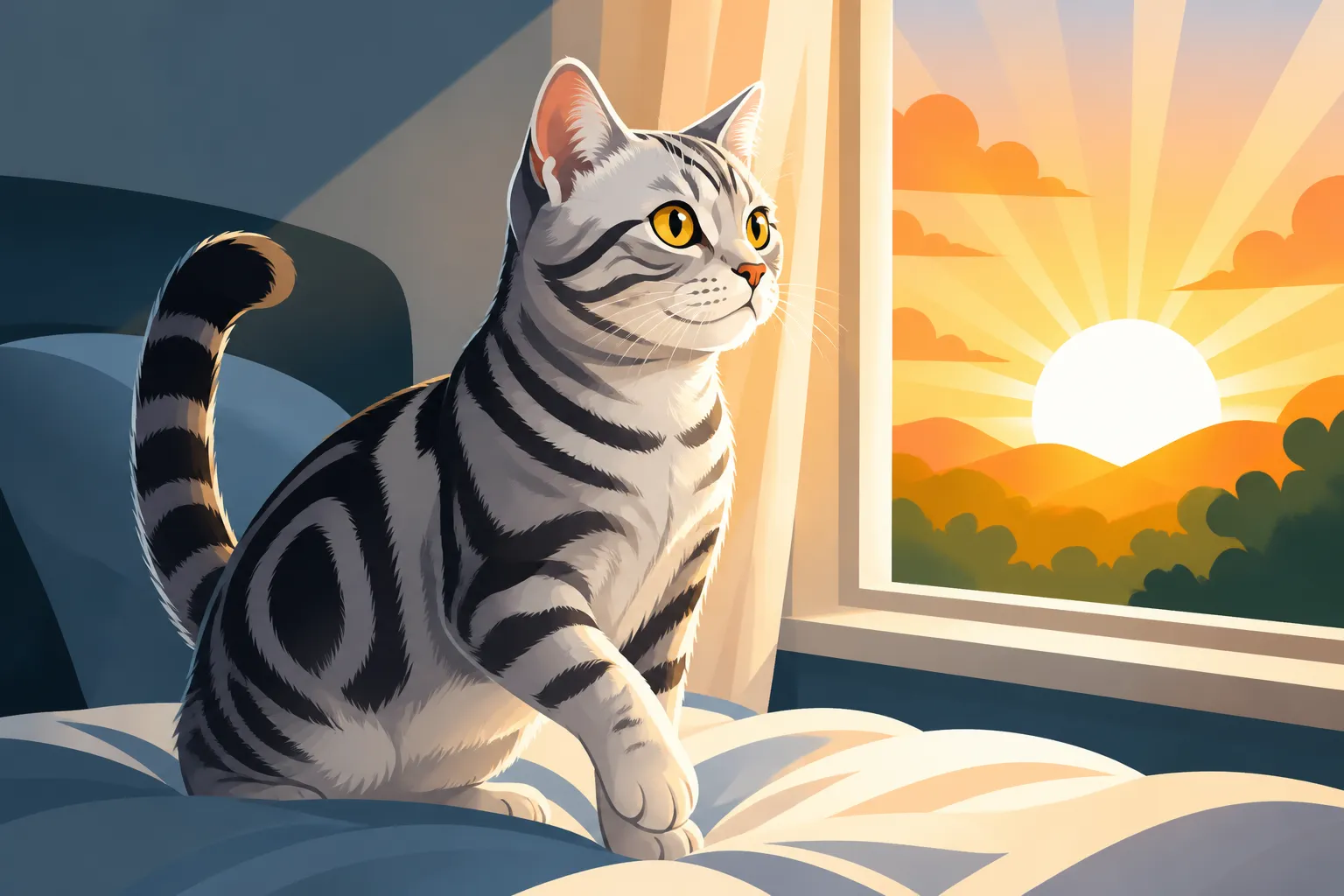
Why an American Shorthair Wakes at Dawn
It’s 4:30 AM. The house is still, save for the distinct, insistent sound of a cat batting at your bedroom door, or perhaps a rather vocal serenade right by your head. If you’re an American Shorthair owner, this scenario might be all too familiar, leaving you wondering why your usually placid companion turns into a pre-dawn alarm clock. You’re not alone in this morning struggle, and thankfully, there are clear reasons behind this behavior and practical steps you can take to reclaim your early morning peace. This guide will delve into the deep-seated instincts driving your American Shorthair's early wake-up calls and equip you with strategies to gently shift their schedule to better align with yours.
The American Shorthair's Ancestral Internal Clock
When your American Shorthair starts stirring before the sun has even considered making an appearance, it's not usually a sign of malice or an attempt to annoy you. Instead, it’s a deeply ingrained behavioral pattern that harkens back to their very origins. These cats weren't bred for lap sitting or show ring glamour; they were working animals, vital for pest control.
Tracing Their Hunting Roots
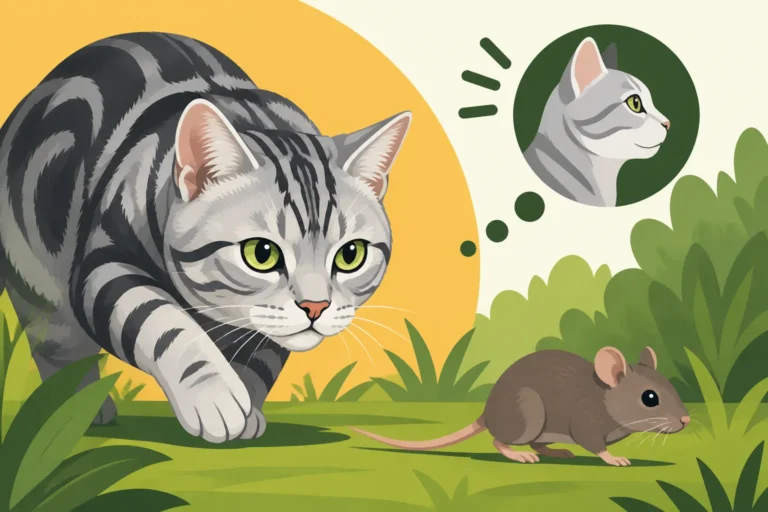
Think about the American Shorthair's ancestors: the sturdy, self-sufficient cats that arrived on ships with early settlers and then went to work in barns, fields, and homes across North America. Their job was to hunt rodents and other small prey, a task that was crucial for survival and protecting food stores. Small prey animals, particularly rodents, are most active during crepuscular hours – that's dawn and dusk. This means that a cat who needed to earn its keep would naturally be most alert, active, and ready to hunt when the light was dim and its quarry was out and about. It was an evolutionary advantage.
So, when your American Shorthair is up at the crack of dawn, peering out the window or patrolling your home with an air of purpose, they’re essentially operating on a primeval schedule. Their internal clock, often called a circadian rhythm, is tuned to these times. They aren't just stretching after a long night's sleep; they are, in their minds, preparing for or engaging in the first "hunt" of the day. This instinct is incredibly strong, even in a cat that has never seen a wild mouse in its life. The American Shorthair Still Hunts, Whether You Want It To or Not because that drive is simply built into their DNA.
The Instinct That Lingers
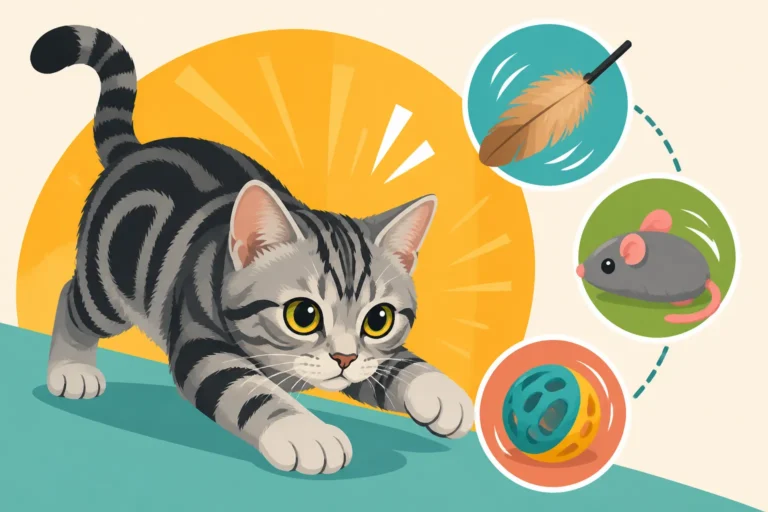
Despite generations of domestication and a comfortable life indoors, the hunting instinct of the American Shorthair is remarkably intact. It’s part of what makes them such robust and healthy companions. Even if your cat's most challenging hunt involves a feather wand toy or a crinkle ball, the neurological pathways that drive the dawn and dusk activity remain. This isn't something they can simply "turn off." It's a biological imperative that says, "Hey, it's hunting time!"
For an indoor American Shorthair, this instinct can manifest in various ways: a sudden burst of energy, vocalizations, an increased desire for attention, or even seemingly destructive behavior like batting at curtains or trying to open cabinets. They're not being naughty; they're responding to an ancient call to action. Understanding this helps us approach the behavior with empathy rather than frustration. It’s not a personal attack on your sleep; it's just a cat being a cat, guided by thousands of years of successful survival strategies. This deep-seated drive is why How Strong an American Shorthair's Hunting Drive Is is a topic many owners grapple with, especially in the early hours.
Environmental Triggers That Fuel Early Mornings
While instinct sets the stage for an American Shorthair's early rising, the environment in your home and your own responses can inadvertently amplify or reinforce this behavior. Understanding these triggers is key to gently nudging your cat toward a more harmonious wake-up schedule.
The Light Factor
Just as dawn signals an active time for their prey, it also signals the start of the day for your American Shorthair. Even subtle changes in ambient light can be enough to kick their internal clock into gear. Think about it: that first faint glow of sunlight filtering through your curtains, or even the artificial glow from a streetlamp outside, can register as a cue. Their eyes are incredibly sensitive, designed to detect motion and form in low light, making them experts at spotting the shift from true darkness to the beginnings of morning.
If your bedroom has thin curtains or blinds that let in even a sliver of light, your cat might be receiving its wake-up call long before your alarm clock. This isn't just about visibility; it's about the biological response to light. Light signals to the brain that it's time to be awake and active, suppressing melatonin production and boosting other hormones that promote alertness. So, if your American Shorthair is consistently waking up as the sky lightens, a crucial step might be to make their sleeping environment, and yours, as dark as possible. This helps to delay that natural "time to hunt" signal their bodies are receiving.
Routine and Reinforcement
Cats are creatures of habit, and American Shorthairs, with their sensible, independent nature, certainly appreciate a predictable routine. However, sometimes our well-meaning actions can inadvertently train them to wake us up early. Let's say your cat starts meowing at 5 AM. You, desperate for a few more minutes of sleep, might get up, feed them, give them some attention, or even just shoo them away. To your cat, any response, even a negative one, can be perceived as reinforcement. They've learned that "if I do X, I get a reaction from my human."
Consider the following scenario:
| Time | Cat's Action | Owner's Response | Cat's Learning |
|---|---|---|---|
| 4:45 AM | Gentle paw tap on face | Owner groans, rolls over | "Paw tap gets a stir! Almost there!" |
| 4:50 AM | Louder meows, walking across owner's chest | Owner pushes cat away | "More noise and movement gets a push! Keep going!" |
| 5:00 AM | Jumps on nightstand, knocks over a pen | Owner sighs, gets up to feed cat | "Bingo! That got them up and fed me!" |
| Next Day | Starts meowing at 4:40 AM | Owner gets up at 4:55 AM, feeds cat | "Earlier works! I'll try even earlier tomorrow." |
This cycle can be incredibly frustrating. We want our cats to be happy and fed, but responding to their early demands teaches them that their morning antics are successful. This isn't just about food; it can be about wanting play, attention, or access to certain parts of the house. For an American Shorthair who Asks You for Almost Nothing for most of the day, those early morning demands can feel especially jarring because they're usually so self-sufficient. Breaking this cycle requires consistency and a little tough love (for you, not the cat!).
Practical Strategies for a More Peaceful Morning
Now that we understand the 'why' behind your American Shorthair's early morning routines, let's talk about the 'how' – how to gently shift their internal clock and encourage them to let you sleep a little longer. It requires a bit of consistency and sometimes some initial patience, but it’s absolutely achievable.
Adjusting Feeding Schedules
One of the most potent motivators for a cat to wake you up is hunger. If your American Shorthair knows that human wake-up equals breakfast, they'll be sure to send their wake-up call. The key here is to decouple your presence from their meal times.
- Introduce a Timed Feeder: This is perhaps the most effective tool in your arsenal. An automatic feeder can be programmed to dispense a portion of food at a set time, say, 5:30 AM or 6:00 AM, regardless of whether you're awake. This teaches your American Shorthair that food appears from the feeder, not from your direct action. Over time, their internal clock will adjust to the feeder's schedule rather than yours. Many reliable options are available on Amazon that allow for multiple small meals throughout the day, which can also mimic their natural hunting pattern.
- Shift Breakfast Gradually: If you don't have an automatic feeder yet, start by slowly pushing back their breakfast time by 5-10 minutes each day. If they usually eat at 5 AM, aim for 5:05 AM tomorrow, then 5:10 AM the day after. This gradual shift makes it less noticeable for them and less disruptive for you.
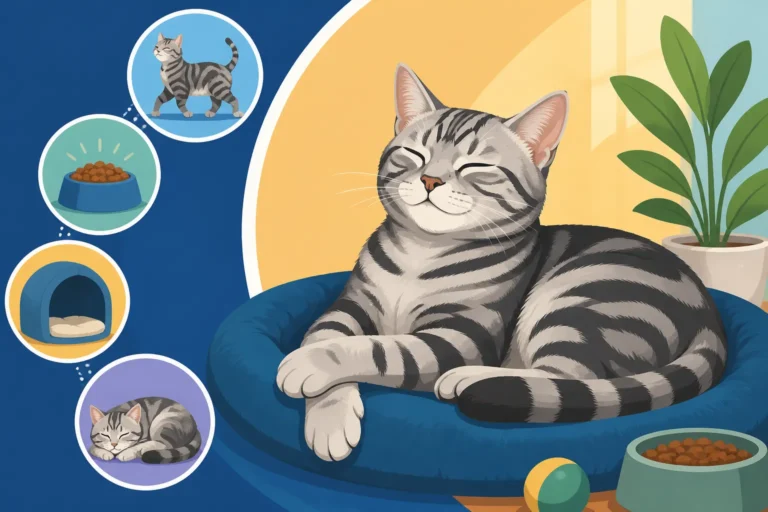
- The "Last Meal" Strategy: Ensure your American Shorthair gets a substantial meal right before you go to bed. This helps them feel full and less inclined to wake up due to hunger pangs in the wee hours. This mimics a successful "last hunt" of the day. Feeding an American Shorthair That No Longer Hunts Its Food can sometimes be tricky, so ensuring that last meal is satisfying and balanced is important.
Enrichment and Play
A bored American Shorthair with a full tank of hunting energy is a recipe for early morning mischief. Their ancestral drive means they need outlets for that energy. If they haven't had enough mental and physical stimulation throughout the day, particularly in the evening, they'll wake up primed and ready to "hunt" you.
- Intense Evening Play Sessions: Dedicate 15-20 minutes, or even two shorter sessions, of highly interactive play with your cat about an hour or two before your bedtime. Use wand toys, laser pointers (but always end with a tangible toy they can "catch" to complete the hunt sequence), or puzzle toys. The goal is to get them panting, running, and truly engaged. This simulates a successful hunt, tires them out, and taps into their How Many Hunts a Day an Indoor American Shorthair Needs.
- Puzzle Feeders: Beyond just regular bowls, puzzle feeders can be a fantastic way to engage their minds and make them "work" for a portion of their evening meal or treats. This taps into their natural foraging instincts and can keep them occupied for a longer period, using up mental energy that might otherwise contribute to early morning restlessness. Again, Amazon offers a wide variety of these, from simple treat dispensers to more complex interactive feeders.
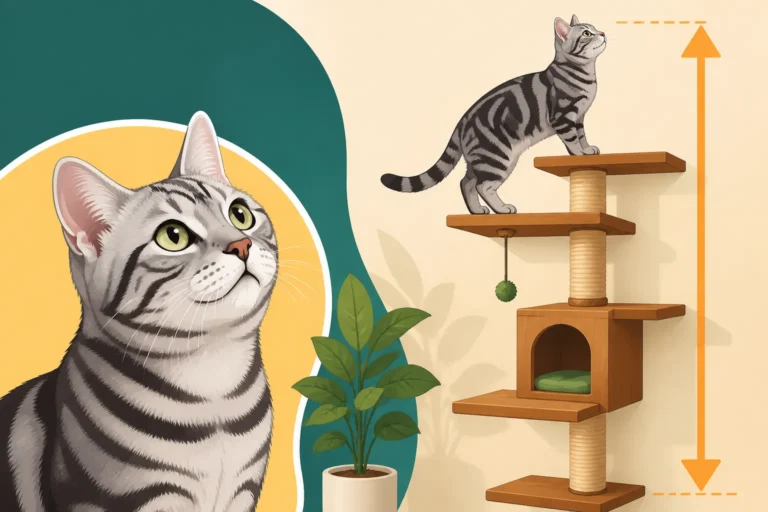
- Vertical Space and "Patrol" Routes: American Shorthairs appreciate being able to survey their territory. Provide cat trees, shelves, or window perches. These offer mental stimulation throughout the day and allow them to fulfill their inherent need to "patrol" their domain. A well-exercised, mentally stimulated cat is much more likely to sleep through the night.
Managing the Environment
Creating a sleep-conducive environment for both you and your American Shorthair can significantly reduce early morning disruptions.
- Blackout Curtains: Invest in good quality blackout curtains or blinds for your bedroom. This will block out that crucial early morning light that signals to your cat's brain that it's time to be active. The darker your room remains, the longer their body will assume it's still "nighttime."
- Close Bedroom Doors (Temporarily): While you might love having your cat sleep with you, if they are your personal alarm clock, consider gently closing them out of the bedroom until their schedule adjusts. This prevents them from directly pawing you or performing elaborate wake-up rituals. Ensure they have access to food, water, a litter box, and a comfortable sleeping spot elsewhere. This might feel harsh at first, and there may be some initial complaints, but consistency is key.
- Ignore the Demands: This is often the hardest part, but it's critical. If your American Shorthair starts meowing, scratching, or performing other wake-up behaviors, do not engage. Don't talk to them, don't feed them, don't even make eye contact. Turning over and pretending to be asleep (even if you're wide awake) is a powerful signal. Any attention, positive or negative, reinforces the behavior. It can be incredibly difficult to ignore persistent meows, but remember that you are working towards a long-term solution for a more peaceful household. Understanding What an American Shorthair Does Instead of Demanding in other contexts might help you appreciate how purposeful their early morning actions are!
When to Seek Veterinary Advice
While early morning antics are often a perfectly normal, albeit inconvenient, part of owning an American Shorthair, there are times when changes in behavior, including altered sleep patterns, can signal an underlying health issue. It’s always wise to rule out medical concerns, especially if the early waking is a new or suddenly intensified behavior.
Changes in Behavior
If your American Shorthair has always been a pretty consistent sleeper and suddenly starts waking you up at dawn, or if their vocalizations become unusually loud, insistent, or coupled with other new behaviors, it's worth a trip to the vet. Cats are masters at hiding illness, and sometimes changes in routine or vocalization are their only way of telling us something is wrong.
Consider these accompanying signs that might warrant veterinary attention:
- Increased Thirst or Urination: If your cat is suddenly drinking more water or visiting the litter box more frequently, especially in the early morning, this could be a sign of kidney disease, diabetes, or a urinary tract infection. A male American Shorthair, in particular, can be prone to urinary issues, so this is always a red flag.
- Changes in Appetite: While hunger can be a driver for early waking, a sudden increase or decrease in appetite, or a change in how eagerly they eat, can indicate health problems.
- Lethargy or Restlessness: If your cat seems unusually tired during the day but then restless at night or in the early morning, this could be a symptom of various conditions, including pain, hyperthyroidism, or even cognitive dysfunction in older cats.
- Weight Loss or Gain: Unexplained changes in weight, especially if coupled with a ravenous appetite (which might prompt early hunger cries), could point to metabolic issues.
- Grooming Changes: An American Shorthair's coat is usually pristine. If they are grooming excessively or, conversely, neglecting their grooming, it might indicate pain or discomfort.
- Vocalization Changes: If your cat's meows are unusually loud, distressed, or constant, it's a sign they might be in pain or experiencing significant anxiety. Why a Withdrawn American Shorthair Should See a Vet is an important piece of advice to remember, as any significant behavioral shift merits a professional opinion.
Senior Cat Considerations
As American Shorthairs enter their golden years (typically around 10-12 years old), their sleep-wake cycles can naturally shift, and they might develop new behaviors that lead to early morning disturbances. Caring for an American Shorthair Past Twelve often involves a closer look at their routines.
- Cognitive Dysfunction Syndrome (CDS): Similar to dementia in humans, older cats can experience disorientation, changes in sleep patterns (like waking more at night or early morning), increased vocalization, and changes in social interaction. They might simply be confused about the time or their surroundings.
- Arthritis or Joint Pain: An older American Shorthair might be uncomfortable lying in one position for too long, leading them to wake up and move around more frequently, even in the early hours. They might be trying to stretch out stiffness, leading to restlessness. Why an Old American Shorthair Slows Before It Limps is something to watch for.
- Hyperthyroidism: This is a common condition in older cats where the thyroid gland produces too much hormone, leading to increased metabolism, restlessness, increased appetite, and often vocalization. These symptoms can be more noticeable in the quiet hours of the early morning.
- Hearing or Vision Loss: If your senior American Shorthair is losing its sight or hearing, they might become more disoriented or anxious at night or when the house is quiet, leading them to vocalize more or seek comfort.
If you suspect any of these medical issues, or simply can't explain your cat's sudden change in morning behavior, don't hesitate to consult your veterinarian. They can conduct a thorough examination and recommend appropriate tests to ensure your beloved American Shorthair is healthy and comfortable. Addressing any underlying health problems is always the first step to resolving behavioral issues.
Disclaimer
This article is for general informational purposes only and does not constitute professional advice. Laws, prices and regulations vary by location and change over time. Consult a qualified professional for guidance on your specific situation.