How to End a Play Session With an American Shorthair
It can be incredibly frustrating when you've just spent a good chunk of time playing with your American Shorthair, you're tired, and they're still staring at you with those wide, hunting eyes, clearly ready for round two (or three, or four!). It feels like you've done your part, but your cat seems to have an endless battery. This guide is all about helping you master the art of bringing a play session to a satisfying, calm close for your American Shorthair, ensuring they feel fulfilled and you get a much-needed break without guilt or relentless demands.
Understanding Your American Shorthair's Play Drive
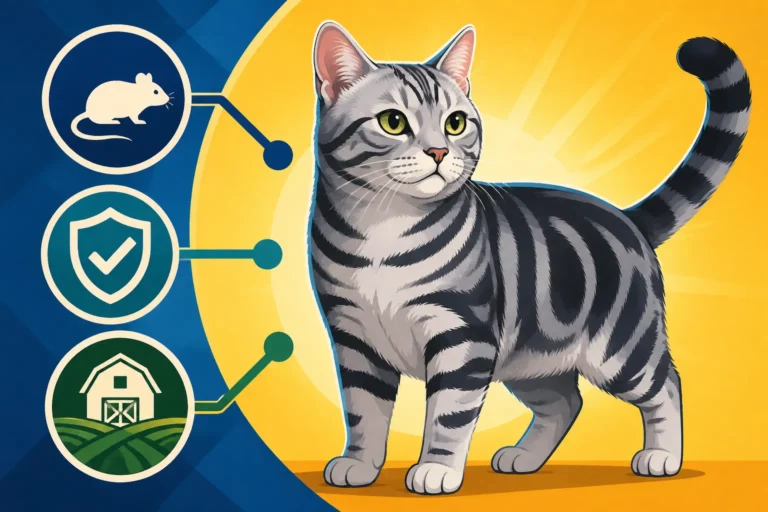
American Shorthairs carry a deep-seated hunting instinct that's been honed over centuries. These aren't just pretty faces; their ancestors were working cats, earning their keep by keeping vermin off ships and out of barns across North America. The American Shorthair Still Hunts, Whether You Want It To or Not. That strong, innate drive for the chase and the catch is still very much alive in your domesticated companion, even if their "prey" is now a feathered wand toy rather than a mouse. This is why understanding their natural predatory sequence is the key to truly ending a play session.
The Instinctive Hunting Sequence
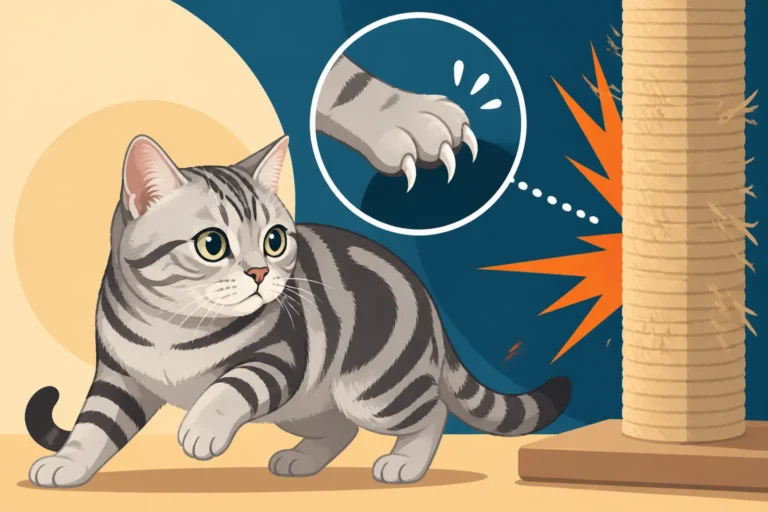
A cat's hunting behavior isn't just about the pounce; it's a complete, intricate sequence that starts long before they even see their prey. It begins with stalking, often involving a low crouch and focused attention. Then comes the chase, with bursts of speed and agility. Finally, the pounce, the grab, and the "kill." For a cat, particularly one with the strong, functional lineage of an American Shorthair, failing to complete this sequence can leave them feeling frustrated and agitated, rather than satisfied. This incomplete feeling is often what leads to them demanding more play, batting at your ankles, or even engaging in mischievous behaviors around the house. They haven't truly "finished" their hunt, and their instinct tells them to keep looking.
Why an Abrupt Stop Doesn't Work
Imagine you're in the middle of a really engaging task, fully focused, and then someone just yanks it away from you without warning. You'd likely feel annoyed, maybe even a little restless, right? It's similar for your American Shorthair. If you're vigorously playing with a wand toy, mimicking a bird fluttering or a mouse darting, and then suddenly you just pick up the toy and walk away, your cat is left with a surge of adrenaline and an unfulfilled desire to complete the chase. Their body and mind are still primed for hunting, and without a proper resolution, that energy has nowhere to go. This can lead to them bouncing off the walls, seeking out other "prey" (like your toes or household items), or persistently meowing at you for more interaction. They need closure, a definitive end to the "hunt," which a simple cessation of play doesn't provide.
The "Catch and Kill" Method for Play Session Endings
The most effective way to end a play session with an American Shorthair is to allow them to "catch and kill" their prey. This simulates the natural conclusion of a hunt, providing that crucial psychological and physical release that signals the end of their hunting cycle. It validates their instincts and leaves them feeling triumphant, not frustrated.
Guiding Your American Shorthair to the "Kill"
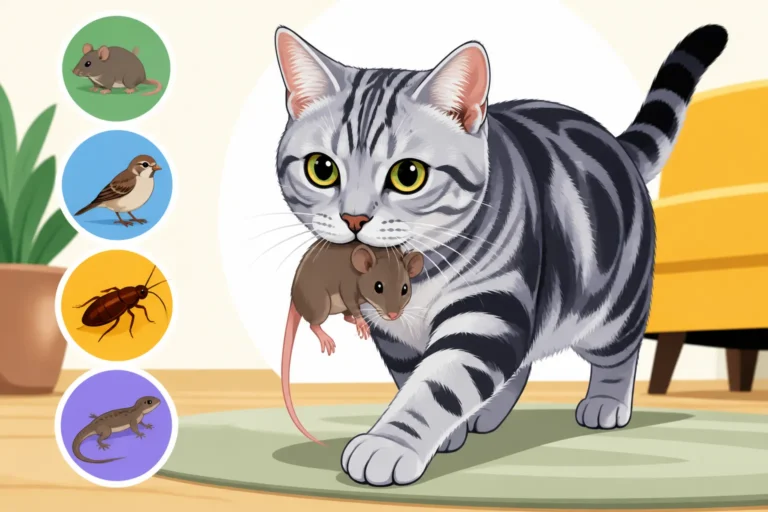
When you're nearing the end of your play session, aim for a clear, decisive "kill" sequence. This means letting your American Shorthair actually catch the toy, firmly. Don't just let them swat at it and then pull it away. Entice them one last time, perhaps with the toy "hiding" and then "darting" from under a blanket or piece of furniture. When they pounce, let them get their paws and teeth on the toy. This is critical. The sensation of actually grasping the "prey" is immensely satisfying. For wand toys, allow them to hold onto the toy at the end of the string.
Once they've got it, engage in a brief "kill shake." This doesn't mean yanking the toy away; it means gently vibrating or shaking the toy a little, mimicking a small struggle, allowing them to feel the power of their catch. After a few seconds, let the toy go limp. This signifies the "kill." Your cat should be left holding the toy, triumphant. This step, though simple, is incredibly powerful. It fulfills their Why an American Shorthair Needs to Catch the Toy drive.
Choosing the Right "Prey" for a Satisfying Finish
Not all toys are created equal when it comes to the "catch and kill" method. Wand toys are fantastic for simulating the chase, but for the actual "kill," you want something substantial enough for them to hold onto. Soft, plush toys or toys with feathers that they can really sink their claws into are ideal. For example, some cat-safe plush mice or feathered toys found on platforms like Amazon are perfect for this final stage. Avoid using toys that are too small and could be swallowed, or too hard and might hurt their teeth. The material should feel satisfying to mouth and hold, mimicking real prey.
Here’s a quick guide to toy selection for the “kill”:
| Toy Type | Good for Chase? | Good for Kill? | Notes |
|---|---|---|---|
| Wand Toy (feather) | Yes | Yes | Excellent for entire sequence; let them grab the feather end. |
| Plush Mouse | Sometimes | Yes | Great for grabbing, carrying; less dynamic for chase. |
| Crinkle Ball | Yes | Yes | Good for chase & pounce, satisfying crunch for the "kill." |
| Laser Pointer | Yes | No | Only for chase, never for kill. Use with another physical toy to finish. |
| Interactive Puzzle | No | N/A | More for mental stimulation/feeding, not a typical hunt sequence. |
Remember, a laser pointer, while great for getting them moving, can be incredibly frustrating if not followed by a tangible catch. Why an American Shorthair Loses Interest in a Laser. Always end a laser session by immediately transitioning to a physical toy they can capture.
Transitioning from Play to Calm
After your American Shorthair has successfully "killed" their toy, the next step is to help them transition from their energized hunting state to a relaxed, content one. This ensures the play session truly feels over and doesn't just fade into a period of lingering restlessness.
The Post-Hunt Feast: Satisfying More Than Just Hunger
In the wild, a successful hunt is immediately followed by a meal. Replicating this in a small way is incredibly effective for your American Shorthair. Once they've completed the "kill" sequence and are holding their toy, gently remove the toy (or let them "drop" it naturally if they're done with it) and immediately offer a small, high-value treat or even their regular meal if it's feeding time.
This isn't just about rewarding them; it's about signaling to their primal brain that the hunt was successful and has now culminated in sustenance. This physiological and psychological connection helps to shut down their hunting drive and activate their "rest and digest" mode. You might be surprised how quickly their intense focus dissipates as they turn their attention to their food. This also helps with Feeding an American Shorthair That No Longer Hunts Its Food concerns, as it reinforces their natural cycle. Think of it as completing the entire circle: hunt, catch, kill, eat, then rest.
Grooming and Quiet Time: Reinforcing Calmness
After the post-hunt snack, your American Shorthair will naturally want to settle down. Cats often groom themselves after eating or stressful events, and a vigorous play session certainly falls into the latter category for their body. This self-grooming is a self-soothing behavior. Provide a quiet, comfortable space where they can groom and relax undisturbed. This might be a favorite cat tree, a cozy bed, or even a sunny spot on the floor. Avoid immediately engaging them in more play or overstimulating them with loud noises or sudden movements.
If your American Shorthair enjoys it, a gentle petting session can also help reinforce the calm. Focus on slow, rhythmic strokes in areas they enjoy, avoiding overstimulation. This isn't about more vigorous interaction, but about reassuring touch that signals safety and rest. The goal is to gradually reduce their arousal level, ensuring they fully unwind. This structured cooldown helps them understand that the intense play time is over, and it's time for quiet enjoyment.
Troubleshooting Common End-of-Play Problems
Even with the best intentions, you might encounter some challenges when trying to end a play session. It's normal for cats to have individual quirks, but understanding common issues can help you refine your approach.
Persistent Demands for More Play
Sometimes, even after a good "catch and kill" and a treat, your American Shorthair might still seem to be demanding more. They might follow you around, meow, or even try to initiate play by batting at your legs. This often means they're still carrying a bit too much energy or haven't fully processed the "end" signal.
In these cases, consistency is key. Don't give in to their demands for "just one more chase." Redirect their attention gently by offering a puzzle feeder (you can find many options on Amazon) or a different, less interactive solo toy, like a stuffed kicker toy. Ensure their environment offers enough enrichment outside of direct play to keep their minds engaged. Things like cat trees for vertical space, window perches for bird watching, or even a Whether a Puzzle Feeder Satisfies an American Shorthair can help channel their remaining energy. Sometimes, they simply need a few more minutes to wind down on their own.
Table: Addressing Persistent Play Demands
| Cat Behavior | Possible Reason | Recommended Action |
|---|---|---|
| Follows, meows loudly | Still energized, seeking more attention | Ignore, redirect to solo toy/puzzle feeder, offer a safe, quiet space |
| Nips/swats at ankles | Redirected hunting instinct, frustration | Immediately disengage, walk away; ensure vigorous "kill" in next session. |
| Stares intently at you | Waiting for next play cue | Break eye contact, go about your business, provide environmental enrichment. |
| Grabs/chews items | Unfulfilled prey drive, boredom | Ensure sufficient play time; consider more "hunting" opportunities with food. |
It's also worth considering if your American Shorthair is getting enough play sessions throughout the day. How Many Hunts a Day an Indoor American Shorthair Needs can vary, but generally, two to three short, intense sessions are more effective than one long, drawn-out one.
Over-Stimulation and Aggression During Play
Occasionally, a play session can become too intense, leading to over-stimulation or even play aggression, where your cat might start to play too roughly, use claws or teeth excessively, or become difficult to calm down. If you notice signs of over-stimulation—dilated pupils, flattened ears, twitching tail, or excessive vocalization—it’s time to intervene.
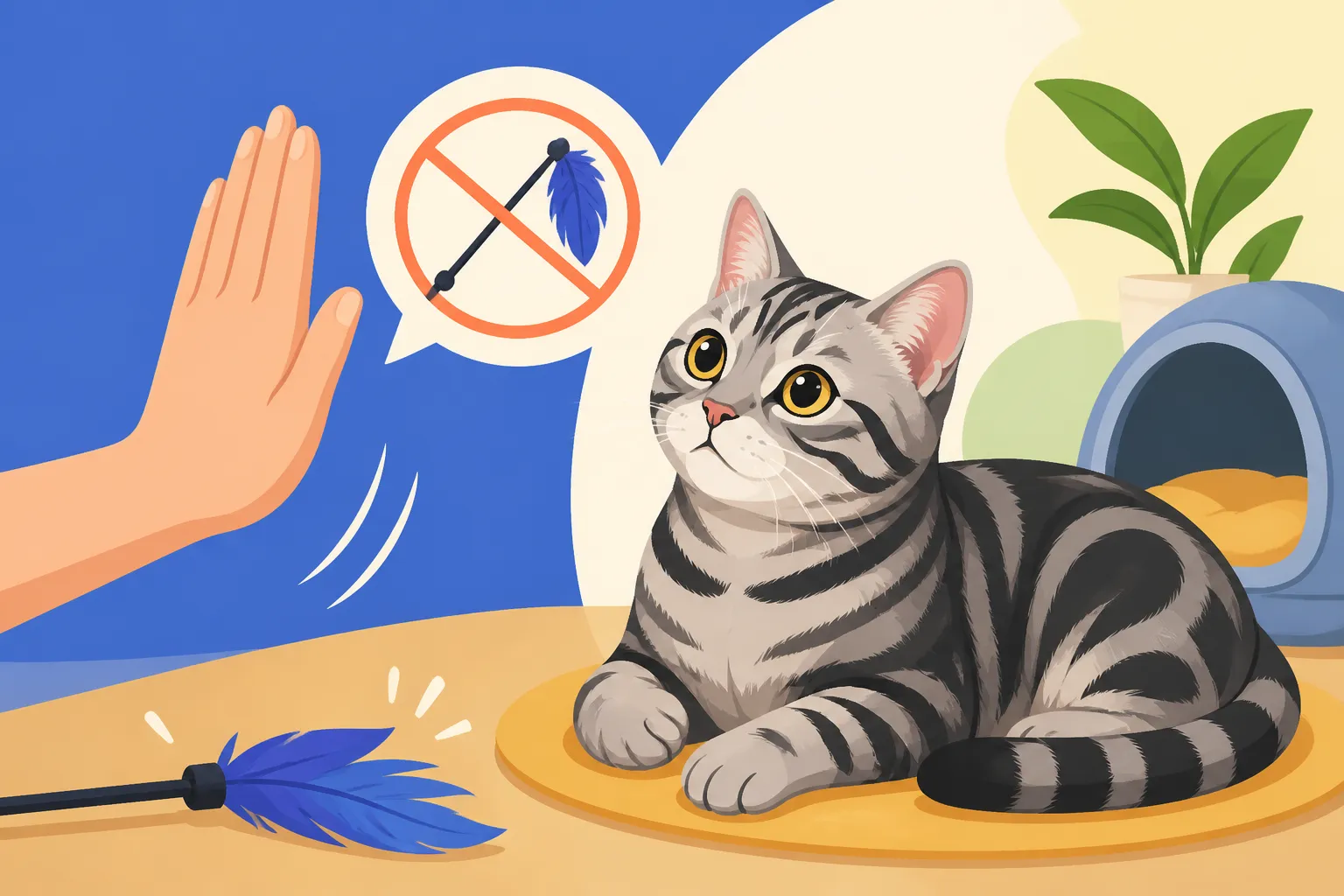
The best approach is to calmly and slowly disengage. Do not jerk the toy away or make sudden movements, as this can escalate the excitement. Slowly move the toy away from your cat and, if possible, hide it out of sight. Step away yourself, giving your American Shorthair some space to de-escalate. Never use your hands or feet as toys, as this teaches them that human body parts are acceptable targets for their hunting instincts. If they do nip or scratch, let out a sharp "ouch" and immediately withdraw your attention. This teaches them that rough play ends the fun. Once they've calmed down, you can then try the "catch and kill" method with a suitable toy to properly conclude the session. Remember that some cats, particularly those with a strong prey drive, need clear boundaries and consistent redirection to ensure play remains safe and enjoyable for everyone. How to End a Play Session With an American Shorthair should always be a positive experience, not a battle.
Disclaimer
This article is for general informational purposes only and does not constitute professional advice. Laws, prices and regulations vary by location and change over time. Consult a qualified professional for guidance on your specific situation.