What a Second American Shorthair Adds to the Bill
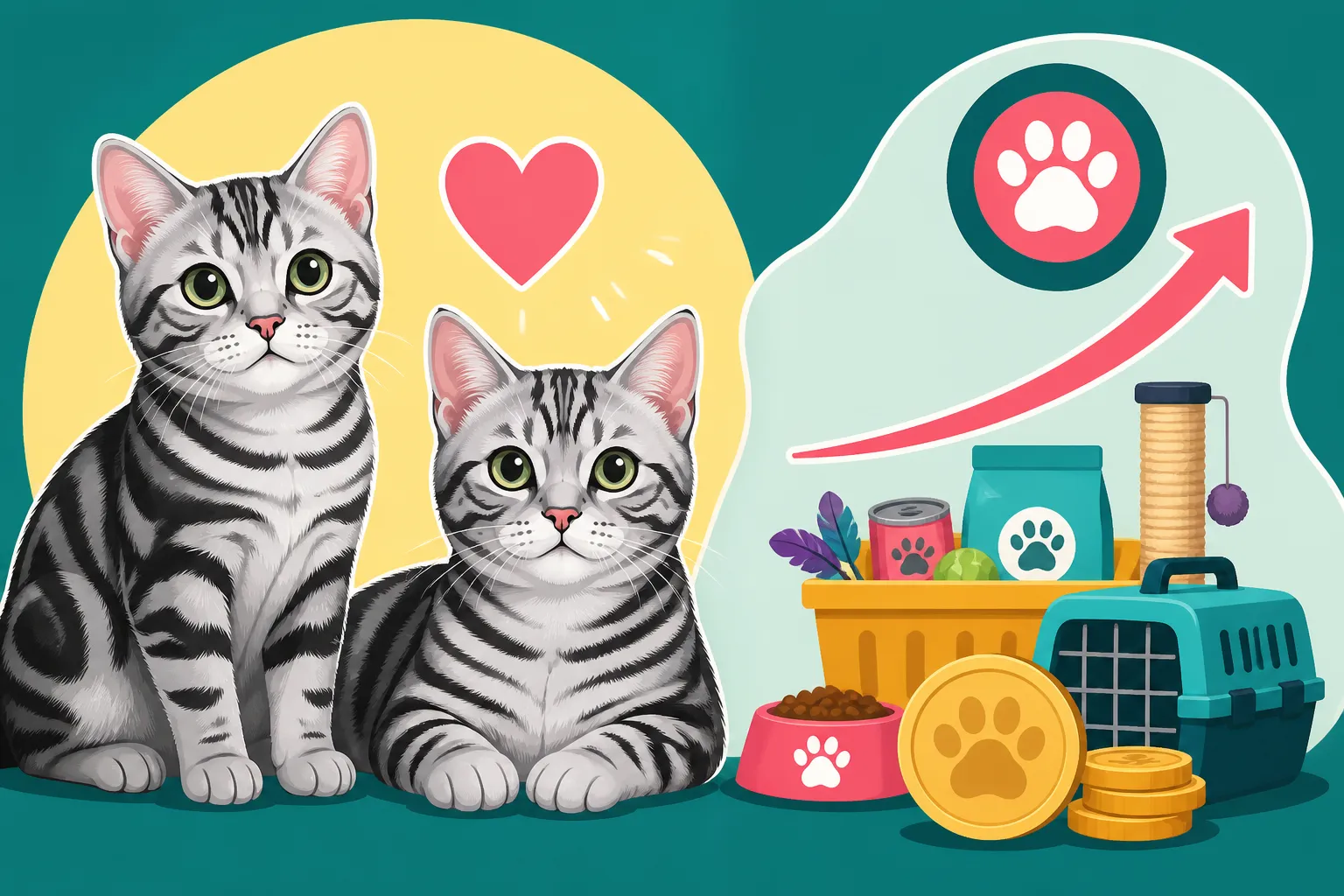
Bringing a second American Shorthair into your home often feels like a natural step – after all, you already have one, so how much more can it really cost? Many cat parents quickly find out that while the love doubles, the expenses can feel like they multiply exponentially, impacting everything from your grocery bill to vet visits. This comprehensive guide will break down the true financial implications of adding another American Shorthair to your family, helping you budget wisely and ensure a happy, healthy life for both your feline companions.
The Initial Investment: Double the Entry Costs?
When you first decided to bring home your American Shorthair, you likely encountered a range of initial expenses. Prepare for a similar, if not entirely identical, outlay for your second furry family member. It’s not just about the purchase price; it’s about setting up a completely new life for a separate individual, even if they'll be sharing a home.
Purchase Price and Adoption Fees
The first major hurdle is the cost of acquiring the cat itself. If you're going through a reputable breeder for another purebred American Shorthair, expect to pay a similar fee to what you did for your first. These costs can vary significantly based on the breeder's reputation, the cat's lineage, show potential, and even its coat color or pattern. A sought-after What a Registered American Shorthair Kitten Costs With Papers will naturally command a higher price. Don't forget that certain color patterns, like the striking silver tabby, might fetch a premium over other beautiful but less "famous" variations. You might even find that What an American Shorthair Costs When the Markings Miss can affect the price, even if the kitten is otherwise perfect for a pet home.
On the other hand, if you choose to adopt from a shelter or rescue, your upfront cost will likely be lower, though still present. Adoption fees typically cover a portion of the animal's care, including initial vet checks, vaccinations, and spay/neuter surgery, which is a huge benefit. Remember that even if you're getting a cat that isn't a "pedigree" American Shorthair from a shelter, you might find a cat with all the wonderful traits of the breed. It's often worth checking What a Shelter Fee Covers on an American Shorthair Type Cat. While the fee might seem like a barrier, it's a small fraction of the total investment you'll make over the cat's lifetime, and it directly supports the welfare of animals in need.
Double the Setup: Bowls, Beds, and Basics
It's easy to think you can just reuse existing items or squeeze in one more, but a second American Shorthair truly needs its own basic infrastructure. While some things can be shared, like certain toys or perhaps a really large cat tree, many items are best duplicated to prevent stress and competition.
Consider the essentials:
- Food Bowls: Even if they eat the same food, it’s best for each cat to have its own bowl to eat from simultaneously and without competition. This is especially true if one cat eats faster or has specific dietary needs.
- Water Bowls: While a large, communal water fountain might work, having multiple water sources spread throughout the house is always a good idea, encouraging hydration.
- Litter Boxes: The general rule of thumb is one litter box per cat, plus one extra. So, for two cats, you're ideally looking at three litter boxes. This helps maintain hygiene, reduces territorial disputes, and ensures easy access for both cats. This can mean investing in What a Box Wide Enough for an American Shorthair Costs as they are generally robust cats.
- Beds/Sleeping Spots: Even if your cats love cuddling, having individual beds or preferred sleeping spots gives each cat a sense of security and personal space. These don't have to be expensive; a cozy blanket in a quiet corner can suffice.
- Carriers: You'll need a second carrier for vet visits or travel. Trying to cram two adult American Shorthairs into one carrier, no matter how big, is not safe or comfortable for them. Make sure you get What a Carrier a Square Built American Shorthair Fits In Costs.
These items, purchased new, can add up. Even if you already have some from your first cat, you'll still be buying at least one more of most things.
Vet Visits and Initial Care for the New Arrival
The first year of a kitten's life, whether it's your first or your second, is typically the most expensive from a veterinary perspective. You'll need to factor in:
- Initial Health Check-ups: A full nose-to-tail examination to ensure the kitten is healthy.
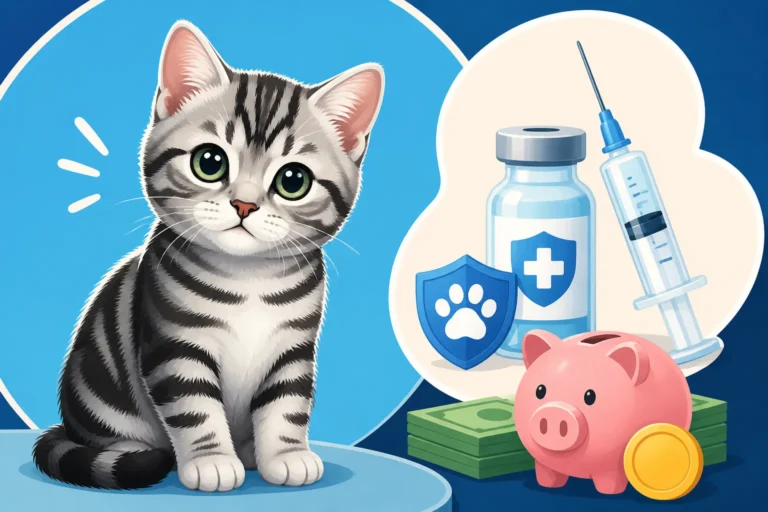
- Vaccinations: A series of shots to protect against common feline diseases. These typically require multiple visits over several weeks.
- Parasite Control: Initial deworming and flea/tick treatments.
- Spay/Neuter Surgery: A crucial procedure for any pet not intended for breeding, covering anesthesia, the surgery itself, and post-operative care. This is a significant cost, and you can expect What an American Shorthair's Neuter Costs to be a major part of the initial bill.
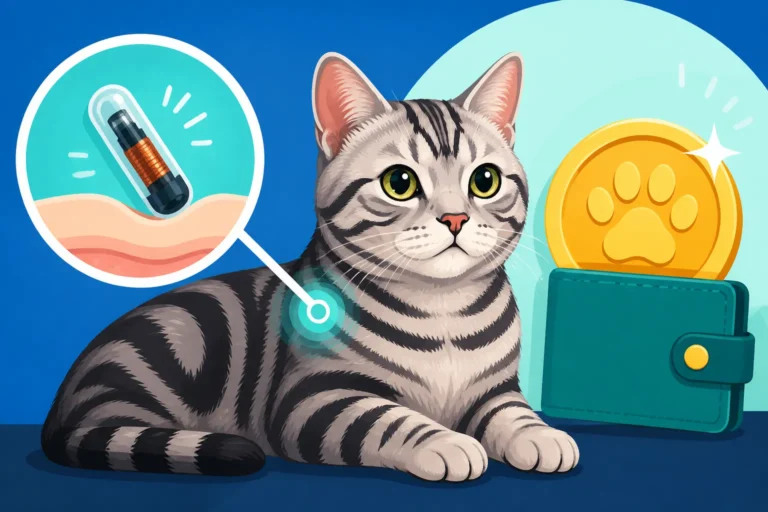
- Microchipping: Essential for identification if your new cat ever gets lost.
All of these costs are essentially duplicated for your second American Shorthair. While the initial costs for your first American Shorthair gave you a baseline, doubling these can be a shock for some owners. It's a stark reminder that An American Shorthair's First Year Against a Shelter Adoption means a significant financial commitment.
Ongoing Expenses: When One Plus One Isn't Just Two
Beyond the initial setup, the daily and monthly costs for two American Shorthairs can significantly exceed what you spent on just one. It’s not simply a matter of multiplying everything by two; sometimes the presence of a second cat introduces new dynamics and needs that further increase expenses.
Food Bills: More Mouths to Feed
This is perhaps the most obvious increase, but it can still surprise you. Two active American Shorthairs will consume twice as much food as one. While buying in bulk can offer some savings, remember that American Shorthairs are typically robust, muscular cats with hearty appetites. If you're focused on feeding a high-quality, protein-rich diet, your monthly food budget will see a substantial jump.
Consider factors like:
- Dietary Needs: Do both cats require the same food? One might have sensitivities, or as they age, one might need a senior formula while the other is still on an adult diet.
- Portion Control: While they once worked for their meals, indoor American Shorthairs need careful portioning to avoid obesity. This means even more meticulous measuring for two. You'll soon see What Feeding an American Shorthair by Portion Costs a Month double.
- Brand Loyalty: If you've found a brand your first cat thrives on, you'll likely want to stick with it for the second, doubling that specific brand's cost. Services like Chewy can be incredibly helpful for managing these increased food demands, offering bulk discounts and convenient delivery right to your door, which can save you time and heavy lifting.
Switching to two cats means re-evaluating your entire food strategy.
Litter and Supplies: The Never-Ending Replenishment
Beyond the initial purchase of more litter boxes, the ongoing cost of litter is a persistent expense that will significantly increase with a second cat. More cats mean more waste, and thus more litter used and more frequent replenishment.
Think about:
- Volume: You'll be going through bags or containers of litter much faster. How Much Litter a Cat the Size of an American Shorthair Uses is already considerable for one; double that, and you're making more frequent trips to the pet store or ordering online.
- Type of Litter: If you use premium, odor-controlling, or specific clumping litters, the cost per unit might be higher, making the increased volume even more impactful on your budget.
- Waste Bags/Disposal: With more litter to scoop, you’ll also use more waste bags or need to empty larger disposal systems more often.
- Cleaning Supplies: Expect to use more enzymatic cleaners for occasional accidents, especially during the introduction phase or if one cat decides to protest.
These seem like small, everyday items, but their cumulative effect on your monthly budget is very real when you have two cats.
Veterinary Care: Twice the Preventative and Emergency Potential
While American Shorthairs are generally considered healthy and hardy cats, having two means you effectively double your chances of vet visits, both routine and unexpected.
- Routine Care: Both cats will need annual check-ups, vaccinations (boosters after the first year), and regular parasite control (flea, tick, and worm treatments). These costs are fixed per cat.
- Dental Care: As cats age, dental issues become more common. Twice the cats means twice the potential for costly dental cleanings or extractions. How Many Dentals an American Shorthair Needs in Twenty Years can be a significant cost over their lifespan, and now you have two to consider.
- Emergency Care: This is where the budget can truly take a hit. If one cat has an accident or develops a sudden illness, the vet bills can be substantial. With two cats, the likelihood of one of them needing emergency care at some point increases. This is where pet insurance can be a literal lifesaver. Companies like Healthy Paws offer various plans that can help cover unexpected veterinary expenses, giving you peace of mind that you won't have to make tough decisions based solely on finances. While Why an American Shorthair Is Cheap to Insure compared to some breeds, insuring two will naturally be more expensive than one, but it's a wise investment in their long-term well-being.
- Chronic Conditions: As American Shorthairs age, they can develop conditions like arthritis, kidney disease, or hyperthyroidism. Managing these conditions involves ongoing medication, prescription diets, and frequent vet visits. With two aging cats, these costs can overlap and accumulate, making Caring for an American Shorthair Past Twelve a financially demanding phase.
It's vital to budget not just for preventative care, but also to set aside funds, or invest in insurance, for the inevitable unexpected vet bills that can arise with any pet, let alone two.
Lifestyle and Enrichment: Beyond Basic Needs
It's not just about filling tummies and providing a clean litter box. Keeping two American Shorthairs happy and mentally stimulated requires additional investment in their environment and your shared life. Their natural hunting instincts and desire for territory need to be addressed for harmonious cohabitation.
Toys and Mental Stimulation: Keeping Two Engaged
American Shorthairs retain a strong hunting drive, even if they're exclusively indoor cats. This means they need engaging toys and opportunities to "hunt" to stay happy and healthy. With two cats, you're not just buying more toys; you're buying a variety of toys and potentially more robust ones to withstand double the play.
- Variety is Key: Each cat might have different preferences. One might love wand toys that mimic birds, while the other prefers crinkle balls or puzzle feeders. You'll need to stock up on different types to keep both entertained.
- Durability: Toys get worn out faster with two cats playing tug-of-war or engaging in simulated hunts together. Replacing them more frequently is an added cost.
- Puzzle Feeders: These are excellent for mental enrichment, especially for a breed known for its mousing instincts. Whether a Puzzle Feeder Satisfies an American Shorthair is often yes, but you might need two separate ones to prevent competition at meal times, or even more if you want to spread them around.
- Scratching Posts and Cat Trees: While one large, sturdy cat tree might suffice, two cats might prefer separate vertical territories. Investing in multiple scratching posts in different textures (sisal, cardboard) ensures both have appropriate outlets for their natural scratching behavior, potentially saving your furniture. What a Cat Tree an American Shorthair Will Actually Use Costs can be substantial, and you might need more than one.
Ensuring both cats have enough engaging activities can prevent boredom, which can sometimes lead to destructive behaviors or inter-cat aggression, creating further costs down the line.
Space and Territory Management
American Shorthairs are typically easygoing, but like all cats, they need their own sense of territory. With two cats, this often means optimizing your living space to provide ample resources and escape routes.
- Vertical Space: Cat trees, shelves, and window perches become even more critical. These allow cats to survey their territory, escape from each other if needed, and enjoy elevated resting spots. You might find you need to add more shelves or a second cat tree to accommodate both. How Much Vertical Space an American Shorthair Needs isn't just about fun; it's about peace.
- Hiding Spots: Even the friendliest cats need private places to retreat. Extra cat caves, carriers left open, or even cardboard boxes provide essential safe zones.
- Resource Distribution: Spreading out food bowls, water dishes (perhaps even Whether an American Shorthair Needs a Water Fountain), and litter boxes in different areas of the house minimizes competition and helps both cats feel secure in their environment.
These additions might not always be direct purchases but can involve rearranging furniture, buying specialized cat furniture, or even investing in professional cat behavior advice if territorial issues arise.
Pet Sitting and Boarding: Vacation Costs Double
Dreaming of a getaway? When you had one American Shorthair, you might have relied on a friend or neighbor for casual check-ins. With two, or even more, this often becomes a more formal and costly affair.
- Professional Pet Sitters: A sitter will typically charge per visit, and sometimes per cat, or have a higher rate for multiple pets. This means your daily pet-sitting fee will at least double, if not more, depending on the services needed.
- Boarding Facilities: If you choose to board your cats, you'll pay per cat, per night. This can quickly become a significant expense for even a short vacation. While American Shorthairs are How Undemanding an American Shorthair Really Is and often cope well with change, removing them from their territory can still be stressful, so finding the right boarding situation is key.
- In-home vs. Boarding: While some cats cope with boarding, others thrive better in their own environment with a sitter. The choice often comes down to individual temperament and, of course, your budget. Either way, travel expenses with two cats are notably higher than with one.
It’s crucial to factor these increased costs into your travel budget from the outset, rather than being surprised when you're planning your next trip.
Unexpected Costs and Long-Term Considerations
Beyond the predictable daily and monthly expenses, there are less obvious costs and long-term financial implications that come with having a second American Shorthair. These can range from behavioral support to end-of-life care, and it's wise to consider them now.
Behavioral Challenges and Training
While American Shorthairs are generally known for their placid and adaptable nature, introducing a new cat into an existing feline household isn't always seamless. Even with careful introductions, some friction or behavioral issues can arise.
- Initial Adjustment Period: The first few weeks or months can be stressful for both cats as they establish their hierarchy and comfort levels. This might manifest as spraying, inappropriate urination, aggression, or excessive vocalization.
- Professional Help: If behavioral issues become persistent or severe, you might need to consult a veterinary behaviorist or a certified feline behavior consultant. Their fees can be significant, but their expertise can be invaluable in resolving conflicts and restoring peace to your home.
- Pheromone Diffusers and Calming Aids: Products like Feliway diffusers or calming supplements can help ease tension during introductions and ongoing cohabitation, but these are recurring costs.
- Environmental Adjustments: Sometimes resolving behavioral issues requires investing in more resources, like additional cat trees, hiding spots, or larger litter boxes, reinforcing the concept of territory management.
- Separation if Needed: In rare, extreme cases, cats may simply not get along, requiring permanent separation within the home, or even rehoming, which carries its own emotional and practical burdens.
Proactive enrichment and careful introduction can minimize these risks, but it's important to be prepared for the possibility that two cats might not instantly become best friends. How to Introduce an American Shorthair Without a Territory Fight is a critical skill for new multi-cat owners.
Senior Care and End-of-Life Planning
The joy of having two American Shorthairs often means you'll eventually face the heartbreak and financial burden of senior care and end-of-life decisions for both of them. American Shorthairs are known for their longevity, with many living to The Fifteen to Twenty Years the American Shorthair Was Given, but those later years often come with increased vet bills.
- Increased Vet Visits: Older cats typically need more frequent check-ups, often twice a year, to monitor for age-related conditions. This means double the consultation fees and diagnostic tests. What an American Shorthair's Senior Panel Costs can add up.
- Medications and Special Diets: Chronic conditions like kidney disease, hyperthyroidism, or arthritis require ongoing medication and often specialized prescription diets. These costs can be substantial per cat, and with two seniors, they can quickly accumulate.
- Mobility Aids: Older cats might benefit from ramps, orthopedic beds, or other aids to help them navigate the home comfortably.
- Palliative Care: In their final months or years, some cats require palliative care to manage pain and maintain quality of life. This can involve specialized treatments, hospice care, or regular vet visits.
- End-of-Life Decisions: Euthanasia and cremation or burial services are significant, emotionally charged expenses that you will face twice. It's a somber thought, but planning for these eventualities is a responsible part of pet ownership. What an American Shorthair's Last Year Costs can easily be a few thousand dollars, and having two means facing that prospect twice.
Thinking about these long-term costs ensures you can provide the best possible care for your American Shorthairs throughout their entire lives, not just when they are young and healthy.
The Hidden Value of Companionship
After all this talk about costs, it’s only fair to acknowledge that for many, the financial burden is well worth the emotional rewards. The companionship a second American Shorthair brings, not just to you, but to your existing cat, can be immeasurable.
- Inter-Cat Socialization: While not all cats become inseparable, many benefit greatly from having a feline companion. They can groom each other, play together, and provide comfort when you're away. This can reduce loneliness and boredom in an otherwise solitary cat.
- Entertainment and Joy: Watching two cats interact, play, and explore together brings immense joy and entertainment to a household. Their unique personalities and relationship dynamic add so much character to your home.
- Reduced Stress: For some cats, having a companion can actually reduce stress and anxiety, potentially leading to fewer stress-related health or behavioral issues over time, which can indirectly save on vet bills or behaviorist fees.
- Double the Love: Ultimately, the decision to bring a second American Shorthair into your life is about expanding your family and experiencing twice the purrs, headbutts, and unconditional love. While the bills add up, the moments of joy and companionship often make every penny feel worthwhile.
Adding a second American Shorthair is a big decision with significant financial implications that extend far beyond the initial purchase price. By understanding these costs upfront, from initial setup and vet care to ongoing supplies and long-term senior care, you can budget responsibly and ensure both your American Shorthairs thrive in a loving and well-supported home. While the costs are real, the rewards of a multi-cat household are often priceless.
| Expense Category | Single American Shorthair Cost (Example) | Second American Shorthair Adds (Factor) | Two American Shorthairs Cost (Example) |
|---|---|---|---|
| Initial Costs | |||
| Purchase/Adoption Fee | Moderate to High | 1x (similar to first) | Moderate to Very High |
| Initial Vet Care (Kitten) | High | 1x (similar to first) | Very High |
| Setup Supplies | Moderate | 0.5x – 1x (depends on sharing) | Moderate to High |
| Ongoing Monthly Costs | |||
| Food | Moderate | 1x | High |
| Litter | Moderate | 1x | High |
| Routine Vet Care (Annual) | Low (spread out) | 1x | Moderate |
| Toys/Enrichment | Low to Moderate | 0.5x – 1x | Moderate |
| Periodic/Unexpected | |||
| Emergency Vet Care | High (if needed) | 1x (doubles potential) | Very High (if needed for both) |
| Pet Insurance Premiums | Low to Moderate | 1x | Moderate to High |
| Pet Sitting/Boarding | Moderate | 1x | High |
| Dental Procedures | High (if needed) | 1x (doubles potential) | Very High (if needed for both) |
| Senior Care | Very High (eventual) | 1x (doubles eventual) | Extremely High (eventual) |
Disclaimer
This article is for general informational purposes only and does not constitute professional advice. Laws, prices and regulations vary by location and change over time. Consult a qualified professional for guidance on your specific situation.