What a Registered American Shorthair Kitten Costs With Papers
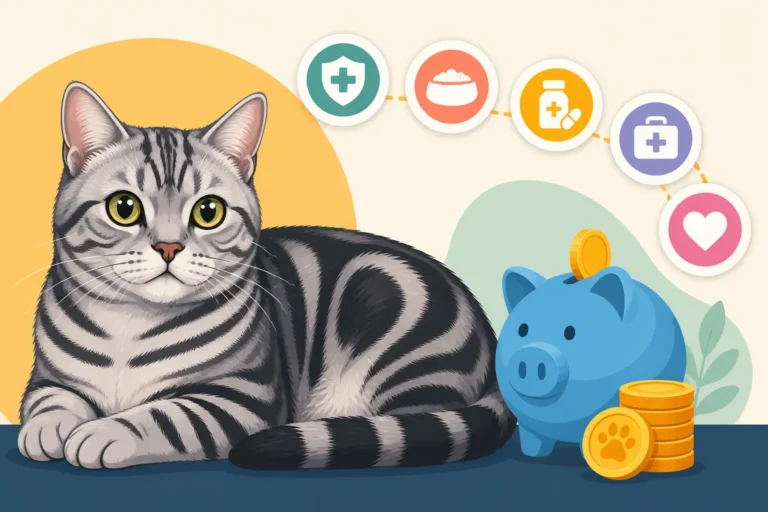
It's incredibly exciting to think about bringing a new kitten into your home, but for many folks, the price tags attached to "registered American Shorthair kittens with papers" can feel utterly bewildering. You see a number, and your first thought might be, "Is that just for a cat? What am I really paying for?" This guide is here to unravel that mystery, explaining what those "papers" actually signify, the myriad factors that influence the cost, and why investing in a responsibly bred American Shorthair can offer immense value and peace of mind over the lifetime of your beloved companion.
Decoding "Papers" and What They Mean for Your American Shorthair
When a reputable breeder talks about an American Shorthair kitten coming "with papers," they aren't just handing you a receipt and a cute photo. This phrase carries significant weight, representing a commitment to breed standards, genetic health, and the documented lineage of your future feline family member. It’s the difference between buying a car off a random lot versus one from a certified dealer with a full service history and warranty.
The Value of a Pedigree Certificate
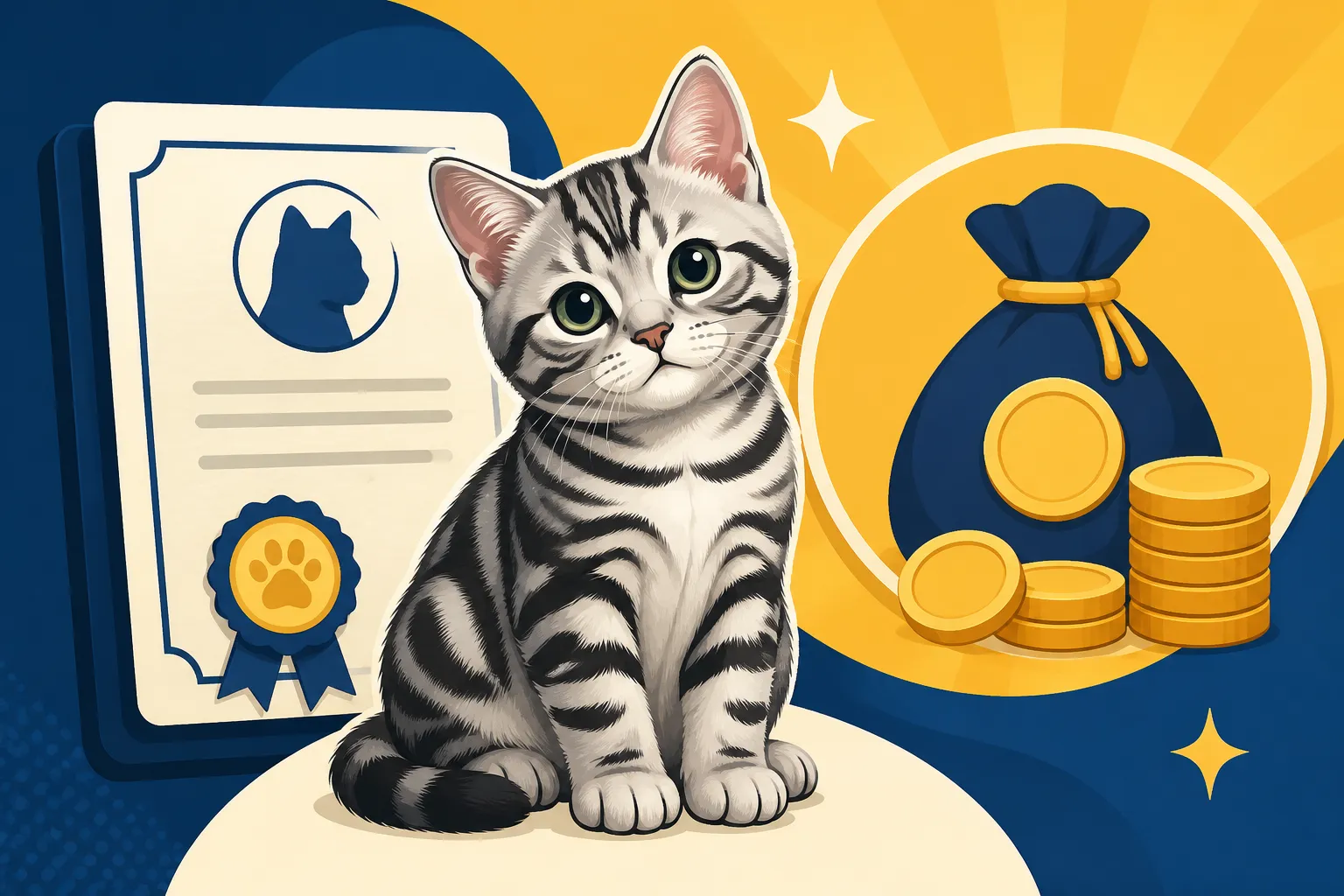
A pedigree certificate is essentially your kitten's family tree, meticulously recorded by a recognized cat registry like the Cat Fanciers' Association (CFA) or The International Cat Association (TICA). It traces your kitten's ancestry back several generations, listing its parents, grandparents, and often great-grandparents, along with their registration numbers and titles (like Grand Champion, if they've excelled in the show ring). This isn't just fancy bragging rights; it's a vital tool for predicting your cat's characteristics. When you see a long line of American Shorthairs, you have a much clearer idea of what your kitten will grow up to look, act, and even feel like. It gives you confidence in the breed's stable temperament and robust physique, traits for which the American Shorthair is renowned. This predictability is a huge part of What an American Shorthair Pedigree Guarantees.
Beyond just looks and temperament, a documented pedigree helps ensure you're getting a true American Shorthair. Sadly, there are individuals who might try to pass off a random-bred tabby as an American Shorthair to fetch a higher price. Without papers, you have no verifiable way to confirm the kitten's breed, opening you up to uncertainty about its future health and disposition. A pedigree confirms that your kitten comes from a carefully maintained gene pool, aiming to preserve the best qualities of the breed while minimizing undesirable traits. It’s a foundational piece of the puzzle that justifies the initial cost.
Beyond the Pedigree: Health Clearances and Breeder Guarantees
True "papers" extend far beyond just a genealogical chart. They also encompass proof of critical health screenings performed on the parent cats. For an American Shorthair, this is especially important when it comes to conditions like Hypertrophic Cardiomyopathy (HCM), which, while less prevalent than in some other breeds, is still the one inherited disease the American Shorthair kept. A reputable breeder will provide documentation of regular cardiac screenings, often echocardiograms, for their breeding cats. They might show you results from a board-certified veterinary cardiologist, indicating that the parents are clear of HCM. This level of transparency protects you from unknowingly bringing a kitten into your home that carries a significant genetic risk for heart disease. You might be interested in Which Health Results an American Shorthair Breeder Must Show for more details.
Furthermore, these papers often include a health guarantee from the breeder. This guarantee typically covers genetic health issues for a certain period after purchase, giving you recourse if a serious, inherited condition arises. This demonstrates the breeder's confidence in the health of their lines and their commitment to the welfare of their kittens. It’s a vital layer of protection that a casual seller simply won't (and often can't) offer. This is where the initial higher cost can translate into significant savings down the line, potentially preventing heartbreaking and expensive vet bills for preventable genetic conditions. The breeder's investment in these screenings, like What a Cardiologist Charges to Scan an American Shorthair, is directly reflected in the kitten's price.
Key Factors Influencing the Kitten's Price Tag
The cost of a registered American Shorthair kitten isn't static; it can fluctuate significantly based on several key factors. Understanding these elements can help you discern why one kitten might be priced differently from another, even within the same breed. It’s not just about the breed itself, but the specific attributes and background of each individual kitten.
Lineage and Show Potential
One of the most significant drivers of a kitten's price is its lineage – specifically, whether its parents or grandparents have achieved titles in cat shows. Kittens from lines with Grand Champions, Regional Winners, or National Winners often command a premium. Why? Because these titles are a testament to the cat's exceptional conformation to the breed standard, health, and temperament. A kitten from such a pedigree has a higher likelihood of inheriting these desirable traits, making it more valuable to future breeders or those who wish to show their own cats. This kind of investment is explored further in What a Championship Bloodline American Shorthair Costs.
Even if you have no intention of showing your cat, a strong show lineage indicates a breeder's dedication to improving the breed and maintaining high standards. These breeders typically invest more time, money, and expertise into their breeding program, from selecting the best mates to providing optimal care. A kitten from such a line is often referred to as a "show potential" kitten, even if it's sold as a "pet quality" companion (meaning it might have a minor trait that disqualifies it from the show ring but doesn't affect its health or pet suitability). Expect to pay more for a kitten with obvious show potential, and even pet quality kittens from champion lines will be at the higher end of the price spectrum due to the overall quality of the breeding program.
Color, Pattern, and "Breed Standard" Adherence
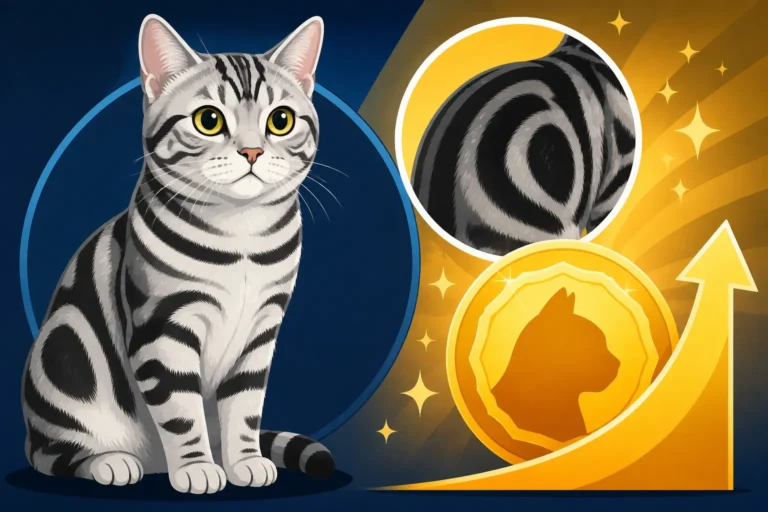
The American Shorthair comes in a stunning array of colors and patterns, but some are more sought after, and therefore, more expensive. The classic silver tabby, with its bold, swirling patterns and striking green or hazel eyes, is arguably the most iconic and popular American Shorthair. This specific color and pattern gained immense popularity, making it the "face" of the breed for many, which contributes to its higher price. If you’re curious about this, you can read more about Why the Silver Tabby American Shorthair Commands a Premium.
Beyond the specific color, how well a kitten's markings and physical attributes align with the breed standard also plays a role. A kitten with perfectly clear tabby markings, the ideal square muzzle, round eyes, and correct body proportions will often be more expensive than one with less defined patterns or minor conformational faults. These are often considered "pet quality" kittens, perfectly healthy and loving companions, but perhaps not destined for the show ring. While breeders will price all their registered kittens fairly based on their costs, these aesthetic distinctions do contribute to the variation you'll see in price.
Geographical Location and Breeder Reputation
Where you live can surprisingly impact the cost of a registered American Shorthair kitten. In areas with a high demand for pedigreed cats or a limited number of reputable breeders, prices tend to be higher due to basic supply and demand principles. Conversely, in regions with more breeders or less interest, prices might be slightly lower. Shipping costs, if a breeder is located far from you, will also add to the overall expense, making a local breeder often a more economical choice.
The breeder's individual reputation and years of experience also factor into pricing. Highly respected breeders with a long history of producing healthy, well-socialized kittens, and who are active in breed clubs and shows, often charge more. They have invested years, sometimes decades, into their lines, building a reputation for excellence. New or less established breeders might price their kittens slightly lower as they build their program, but this isn't always the case, nor does a lower price necessarily indicate lower quality. It's crucial to research breeders thoroughly, regardless of their pricing, to ensure you're working with someone ethical and responsible. This guide on How to Find an American Shorthair Breeder Worth Paying For can be very helpful.
The True Investment: What a Reputable Breeder Puts In
When you look at the price of a registered American Shorthair kitten, it’s easy to focus solely on the monetary figure. However, a significant portion of that cost reflects the considerable investment a reputable breeder makes into their cats, their facilities, and their passion for the breed. This isn't just about making a profit; it's about covering extensive overheads and ensuring the health and well-being of every cat and kitten in their care.
Comprehensive Health Screening for Parents
This is arguably the largest and most critical investment for any ethical breeder. To ensure the healthiest possible kittens, parent cats undergo regular, often annual, health screenings for genetic conditions prevalent in the breed. For American Shorthairs, this includes regular echocardiograms to screen for HCM. These tests are not cheap, and they require visits to veterinary specialists, such as a board-certified veterinary cardiologist. A breeder may spend hundreds of dollars per cat, per year, on these screenings alone.
Beyond specific genetic conditions, breeding cats receive top-tier general veterinary care, including regular check-ups, vaccinations, parasite prevention, and high-quality nutrition to maintain their peak health for breeding. This proactive approach drastically reduces the likelihood of kittens inheriting debilitating diseases, protecting you from future heartbreak and astronomical veterinary bills. When you see a higher price tag, understand that a significant chunk goes towards ensuring your kitten's fundamental health, a far cry from the unknown health status of a kitten from an unverified source.
Early Socialization and Vet Care for Kittens
A reputable breeder's work doesn't start or end with healthy parents. Once kittens are born, they receive meticulous care and socialization during their crucial first weeks of life. This includes ensuring they are handled regularly from birth, exposed to various sights, sounds, and gentle interactions to foster a confident, friendly, and well-adjusted temperament. Kittens are raised in a clean, stimulating home environment, not in isolated cages or outdoor pens, ensuring they are accustomed to household life.
Before they leave for their new homes, kittens receive their initial vaccinations (often two rounds), multiple deworming treatments, and a thorough veterinary check-up, including microchipping. Some breeders even spay or neuter their kittens before placement, adding another significant veterinary cost. All these services are included in the kitten's purchase price. This early veterinary care is fundamental to setting your kitten up for a healthy start, preventing common issues, and making your first vet visit with them much smoother.
Ongoing Support and Breeder Ethics
One of the less tangible, but incredibly valuable, aspects of purchasing from a reputable breeder is the ongoing support they provide. A good breeder will be a resource for you for the lifetime of your cat. They are often just a phone call or email away, ready to answer questions about nutrition, behavior, or health concerns. They have a vested interest in the well-being of every kitten they produce and are passionate about the breed.
This ethical commitment also means they stand by their health guarantees and will often take a cat back if an unforeseen circumstance makes it impossible for you to keep it, rather than seeing it end up in a shelter. This dedication extends to carefully vetting potential buyers to ensure their kittens go to loving, responsible homes. All these elements, from the time spent educating prospective owners to providing lifetime advice, are part of the "investment" covered by the kitten's price. It's not just a transaction; it's the beginning of a relationship with someone who genuinely cares about the breed and your cat.
Registered vs. Unregistered: Understanding the Cost Difference
The sticker shock of a registered American Shorthair kitten can sometimes lead people to consider "cheaper" alternatives, such as unregistered kittens or those from backyard breeders. While the upfront cost might be lower, it's crucial to understand the significant differences in what you're getting and the potential long-term expenses and heartaches you might face. This comparison truly highlights Whether an American Shorthair Is Worth Paying For.
The Hidden Risks of an Unregistered Kitten
An unregistered kitten, particularly one advertised as "purebred without papers," is a gamble. Without documented lineage, you have no guarantee of its true breed identity. It might look like an American Shorthair as a kitten, but could grow up to have different physical traits or a temperament that deviates from the breed standard. More critically, without a reputable breeder's commitment to health testing, you are essentially buying a kitten with an unknown health history. This means a much higher risk of inheriting genetic diseases like HCM, hip dysplasia, or other costly health conditions that could manifest later in life. What an American Shorthair Pedigree Predicts About Health becomes vitally important here.
These hidden health problems can lead to exorbitant veterinary bills down the road, quickly dwarfing any initial savings. Imagine adopting a kitten only to discover it needs extensive medical care for a condition that could have been screened for and avoided by responsible breeders. The emotional toll of caring for a chronically ill pet, coupled with the financial strain, can be devastating. Unregistered kittens also often lack the crucial early socialization provided by ethical breeders, potentially leading to behavioral issues that require costly professional intervention. While the initial purchase price might be lower, the potential for significant expenses and emotional distress throughout the cat's life is substantially higher.
Shelter Adoptions: A Different Kind of Value
For many, adopting from a shelter or rescue organization is a wonderful and ethical way to bring a cat into their home. Shelter fees are typically much lower than buying from a breeder, and these fees often cover initial vaccinations, spay/neuter surgery, and microchipping – significant value. You might even find an American Shorthair type cat, a domestic shorthair that shares many physical and temperamental traits with the breed. The primary goal of shelters is to find loving homes for cats in need, and supporting them is a commendable act.
However, shelter cats often come with an unknown history. While shelters do their best to assess health and temperament, they usually lack the comprehensive pedigree and health screening information that a reputable breeder provides. You might not know the exact age, breed mix, or genetic background of the cat, which can mean a higher degree of unpredictability regarding future health or behavioral traits. For someone specifically seeking the predictable qualities of a registered American Shorthair, a shelter cat, while deeply rewarding, might not offer the same level of assurance in terms of breed-specific characteristics and guaranteed health lineage.
Here's a quick comparison of the common cost categories:
| Feature | Registered American Shorthair (Reputable Breeder) | Unregistered "Purebred" (Backyard Breeder) | Shelter Adoption (Domestic Shorthair) |
|---|---|---|---|
| Initial Purchase Price | Higher | Medium to Low | Low (covers initial vet care) |
| Pedigree & Papers | Yes, documented lineage | No, or unverifiable | No, unknown history |
| Health Clearances | Yes, for parents (e.g., HCM scans) | Rarely, if ever | Basic health check on intake |
| Health Guarantee | Yes, typically for genetic conditions | Rare or unreliable | Sometimes (short-term) |
| Initial Vet Care | Included (vaccines, deworming, microchip) | Variable, often not included | Included (spay/neuter, vaccines) |
| Socialization | High priority, tailored to breed | Variable, often minimal | Variable, depends on past |
| Predictability | High (temperament, health, size) | Low (potential for surprises) | Medium (can be a mix of traits) |
| Long-Term Support | Yes, from breeder | Little to none | Yes, from shelter/rescue |
| Ethical Sourcing | Yes, supports responsible breeding | No, contributes to poor practices | Yes, saves a life |
| Potential Future Costs | Lower (due to screened health) | Higher (due to unknown health risks) | Variable (depends on individual cat) |
Initial Costs Beyond Purchase and Long-Term Savings
Bringing any new pet home involves more than just the purchase price. There's a whole array of initial supplies and vet visits that you'll need to budget for. However, investing in a registered American Shorthair from a reputable breeder can often lead to significant long-term savings and a higher quality of life for your cat.
Essential Supplies and Initial Vet Visits
Even after you’ve paid for your registered American Shorthair kitten, there will be immediate costs for setting up their new home. You'll need a quality litter box (or two!), appropriate litter, food bowls (perhaps a slow feeder for a cat with a working appetite!), and a comfortable bed. A sturdy carrier is essential for safe transport to and from the vet. Toys, scratching posts, and grooming tools are also necessary investments. Many American Shorthair owners might turn to online retailers like Chewy for a wide selection of these essential items, often with convenient delivery. For food, your breeder will typically send you home with a small bag of their current diet.
Beyond supplies, your kitten will need an initial "welcome home" vet check-up to ensure they're thriving and to establish a relationship with your chosen veterinarian. Even if your kitten came fully vaccinated and microchipped, this first visit is crucial. Your vet will confirm its health, discuss future preventative care like booster shots, and advise on parasite control. This visit helps ensure a smooth transition into your home and addresses any immediate concerns, though with a well-vetted kitten, these are often minimal.
The Potential for Reduced Future Vet Bills
This is where the upfront investment in a registered American Shorthair truly shines. Because reputable breeders rigorously screen their breeding cats for genetic health issues (like HCM in the American Shorthair), the likelihood of your kitten developing these costly conditions is significantly reduced. You're starting with a cat that has a strong genetic foundation for health, which can lead to fewer unexpected and expensive veterinary emergencies down the line. While no cat is guaranteed to be free of all health problems, the reduced risk of inherited diseases is a major advantage. This is why Why an American Shorthair Costs a Vet Less Than a Persian is a relevant point of discussion.
Furthermore, a cat with a predictable temperament, as is common with well-bred American Shorthairs, tends to be less prone to stress-related illnesses or injuries that might arise from anxiety or aggression. This can translate into fewer vet visits for behavioral issues or stress-induced ailments. Many owners find that investing in pet insurance, such as through Healthy Paws, can provide an extra layer of financial security against unexpected illnesses or accidents, but even with insurance, a healthier cat often means fewer claims and less hassle. This proactive approach to health at the breeding stage directly contributes to a healthier, happier cat and potentially lower overall lifetime veterinary expenses for you. You might also want to look into Whether Insurance Pays for an American Shorthair's Echo.
Is the Price Worth It? The Long-Term Value of an American Shorthair
Ultimately, the question boils down to value. Is the higher initial cost of a registered American Shorthair kitten with papers truly worth it? For many, the answer is a resounding yes, because the investment translates into a lifetime of predictability, joy, and peace of mind.
Predictable Temperament and Lifespan
One of the greatest benefits of a well-bred, registered American Shorthair is the remarkable predictability of its temperament. This breed is known for being adaptable, easygoing, and affectionate without being overly demanding. They are generally good with children and other pets, and their quiet, independent nature makes them ideal companions for a variety of households. When you purchase from a reputable breeder, you're not just getting a kitten; you're getting the assurance of these cherished breed traits, meticulously preserved through generations of careful breeding and socialization. This predictability helps avoid behavioral surprises that could lead to stress for both you and your cat.
Furthermore, the American Shorthair is celebrated for its robust health and impressive longevity. With proper care, many American Shorthairs live The Fifteen to Twenty Years the American Shorthair Was Given or even beyond. This long lifespan, combined with their generally good health, means you're likely to have many happy, healthy years with your companion, justifying the initial investment over a significant period. The joy and companionship they bring, coupled with fewer health worries, make the investment feel invaluable.
Supporting Ethical Breeding Practices
Choosing to purchase a registered American Shorthair from a reputable breeder means you are directly supporting ethical and responsible breeding practices. You are endorsing individuals who prioritize the health, temperament, and welfare of their animals above all else. These breeders are dedicated to preserving the integrity of the American Shorthair breed, contributing to its continued health and longevity for future generations. They invest in genetic testing, proper veterinary care, quality nutrition, and extensive socialization, all of which contribute to well-adjusted, healthy kittens.
By supporting such breeders, you are helping to differentiate them from backyard breeders or mass producers who often cut corners, leading to unhealthy and poorly socialized animals. Your purchase sends a message that you value animal welfare and quality over a mere low price. While the initial outlay for a registered American Shorthair kitten might seem substantial, it's an investment in a predictable, healthy, and long-lived companion, and it's an investment in the future of the breed itself.
Disclaimer
This article is for general informational purposes only and does not constitute professional advice. Laws, prices and regulations vary by location and change over time. Consult a qualified professional for guidance on your specific situation.