What an American Shorthair’s Microchip Costs
Worried about the myriad of costs that come with bringing a new American Shorthair into your life? From initial adoption fees to ongoing vet visits, the expenses can feel overwhelming, and microchipping is one of those crucial but often misunderstood initial outlays. This guide will meticulously break down what an American Shorthair's microchip costs, detailing not just the initial fee, but also the long-term financial implications and the unparalleled peace of mind it offers.
The Unseen Safety Net: Why Your American Shorthair Needs a Microchip
Bringing an American Shorthair into your home means taking on a wonderful responsibility, and part of that commitment is ensuring their safety and identification. While a collar with an ID tag is a great first line of defense, it's easily lost, removed, or damaged. This is where a microchip steps in, providing a permanent, tamper-proof form of identification that can literally bring your beloved feline home if they ever wander off. It’s an investment in their safety, often overlooked in the flurry of kitten excitement.
More Than Just an ID Tag: The Technology Inside
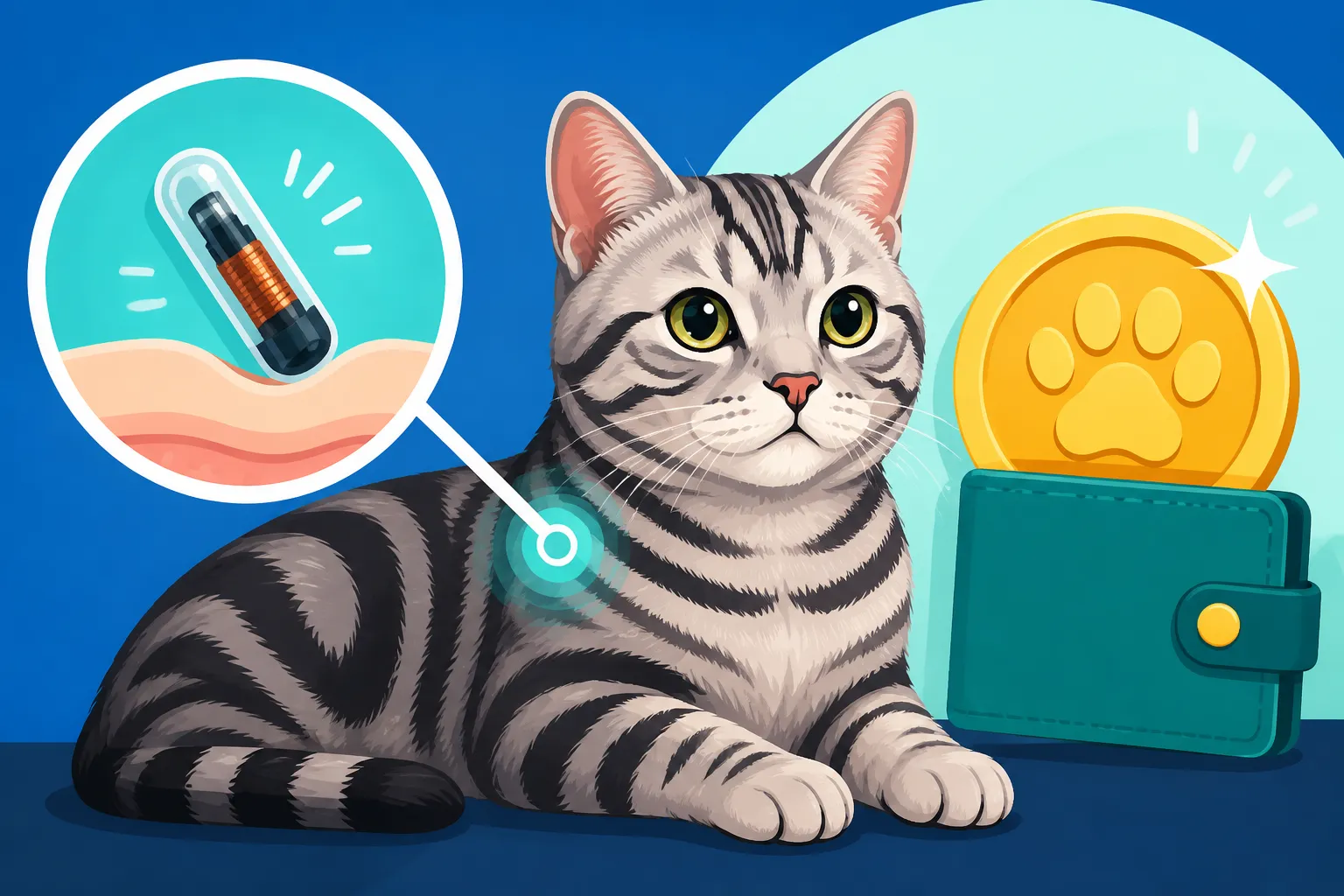
A microchip itself is an incredibly small device, about the size of a grain of rice. It's encased in biocompatible glass, meaning it's safe to be implanted under your cat's skin, typically between the shoulder blades. This tiny chip contains a unique identification number, but it doesn't store any personal information about you or your American Shorthair. It's a passive device, meaning it has no internal power source, so it only becomes active when a scanner passes over it. The scanner emits a low-frequency radio wave that powers the chip, allowing it to transmit its unique ID number.
The implantation process is remarkably quick and relatively painless, feeling much like a routine vaccination. A veterinarian or trained technician uses a sterile, pre-loaded syringe to inject the chip. Most cats barely react, and any discomfort is fleeting. It's a simple procedure that offers monumental reassurance, far outweighing any momentary mild poke. Knowing that your The American Shorthair Is the Control Group of Cat Breeding has this permanent identification can truly make a world of difference.
The Heartbreaking Reality of Lost Pets: A Preventative Measure
It’s a scenario no pet owner ever wants to imagine: their beloved cat goes missing. Whether they slipped out an open door, chased a bird a little too far, or got disoriented during a move, a lost cat is a terrifying prospect. The statistics on reuniting lost microchipped pets are significantly higher than those without chips. Collars can break or come off, leaving an otherwise identifiable cat without any visible means of returning home.
Think of it: if your American Shorthair, known for its calm and adaptable nature, somehow gets separated from you, a microchip is their silent advocate. Animal shelters, veterinary clinics, and rescue organizations are equipped with universal scanners that can read almost any microchip. Once scanned, the unique ID number is cross-referenced with a national pet recovery database, leading directly back to your contact information. This technology closes the gap between a lost pet and a frantic owner, often turning what could be a permanent separation into a joyous reunion.
Ensuring Lifelong Identification for Your American Shorthair
The beauty of a microchip lies in its permanence. Unlike a collar and tag, which can be lost or removed, the microchip stays safely implanted for the duration of your American Shorthair's life. This makes it an incredibly reliable form of identification, especially for a cat that might be a bit more adventurous or prone to exploring. While the American Shorthair is generally quite adaptable and home-oriented, accidents can happen, and having that microchip means they carry their "return ticket" with them at all times.
It also provides undeniable proof of ownership, which can be invaluable in disputes or if your cat is ever found far from home and mistakenly identified. This simple, effective device ensures that no matter where your American Shorthair ends up, if found by someone caring enough to take them to a scanner, they have a direct path back to you. It's a fundamental part of responsible pet ownership, akin to keeping up with their routine How Regularly a Healthy American Shorthair Still Needs Checking.
Decoding the Dollars: Factors Influencing Microchip Costs
When it comes to the actual cost of microchipping your American Shorthair, it’s not always a flat fee. Several factors can influence the price you pay, from where you get the service done to whether it's bundled with other procedures. Understanding these variables can help you budget effectively and choose the best option for your feline companion.
Veterinarian Clinics: The Most Common Route
Getting your American Shorthair microchipped at your regular veterinary clinic is perhaps the most common approach. This offers convenience, as your vet already has your pet's medical history and can perform the procedure during a routine check-up or another scheduled appointment, like a spay or neuter surgery. The cost at a private vet clinic typically covers the chip itself, the implantation procedure, and often the initial registration with a major pet recovery database.
While generally higher than some other options, the benefit here is the personalized care and the peace of mind that comes from having a trusted professional handle it. Some clinics might offer a slight discount if the microchipping is part of a larger procedure bundle, like getting What an American Shorthair Kitten's First Shots Cost or a full wellness exam. It’s always a good idea to call your vet's office ahead of time to ask for a specific quote.
Shelters and Rescue Organizations: Often More Affordable
For those looking for a more budget-friendly option, animal shelters and rescue organizations often provide microchipping services at a reduced cost, or even include it as part of their adoption fees. This is a common practice to ensure that every animal leaving their care has a permanent form of identification, increasing their chances of being reunited if lost. If you're adopting an American Shorthair from a shelter, it’s highly probable they’ll already be microchipped, saving you that initial expense.
Even if you didn't adopt your cat from them, many shelters host low-cost vaccination and microchipping clinics for the community. These events are fantastic opportunities to get your American Shorthair chipped without breaking the bank. The staff at these organizations are experienced in the procedure, and the cost usually just covers the basic materials and administrative fees, making it very accessible. This makes adopting from a shelter an attractive option, potentially lowering your initial An American Shorthair's First Year Against a Shelter Adoption costs.
Special Events and Mobile Clinics: Budget-Friendly Options
Beyond regular vet clinics and shelters, keep an eye out for special events or mobile vet clinics in your area. These often pop up during pet expos, community festivals, or at local pet supply stores. These events are specifically designed to offer affordable preventative care, including microchipping, to a wider audience. The costs at these clinics are typically very competitive, sometimes even lower than what shelters charge, because they operate with a high volume of patients and often have grants or sponsorships.
While these can be excellent, cost-effective options, remember to inquire about what's included in the price. Sometimes the low fee covers only the chip and implantation, and you might be responsible for separately registering the chip with a recovery database. Always confirm all steps to ensure your American Shorthair's microchip is fully functional and trackable. This is also a great place to pick up essential supplies, and you might even find deals on things like cat food or toys from brands like Chewy.
| Microchip Service Provider | Typical Cost Range | Included Services (Often) | Pros | Cons |
|---|---|---|---|---|
| Private Veterinary Clinic | Higher | Exam, Implantation, Reg. | Personalized care, convenience | Higher price point |
| Animal Shelter/Rescue | Moderate to Low | Implantation, Reg. | Affordable, often bundled with adoption | Less personalized, might require separate visit |
| Mobile/Community Clinic | Lowest | Implantation (sometimes Reg.) | Very affordable, high accessibility | Less personalized, may require separate registration |
Beyond the Implant: Understanding Registration and Ongoing Fees
The physical act of implanting the microchip is only half the battle. For that tiny chip to actually work its magic and bring your American Shorthair home, it needs to be properly registered in a pet recovery database. This is a critical step that some owners unfortunately overlook, rendering the chip virtually useless. Understanding these registration processes and any potential ongoing fees is vital for maximizing the value of your microchip investment.
The Critical Step: Database Registration Fees
Once your American Shorthair has their microchip implanted, the unique ID number needs to be linked to your contact information in a secure, national pet recovery database. This is where companies like AVID, HomeAgain, and PetLink come into play. While some vets or shelters might include the initial registration fee in their microchipping package, many times, it's a separate, additional cost you'll need to handle. The initial registration is usually a one-time fee, but some databases offer premium services or require annual renewal fees for advanced features, like lost pet alerts or pet recovery specialists.
It's absolutely paramount that you complete this registration and keep your contact information up-to-date. If your phone number changes, or you move to a new address, you must update your details in the database. A microchip with outdated information is just as ineffective as no microchip at all. Always double-check with your microchip provider or the clinic where it was implanted to confirm which database your chip is registered with, and then visit their website to verify your details.
The Value Proposition: What Your Microchip Investment Buys
While there's a cost associated with microchipping and its registration, the value it provides is immeasurable. Beyond the emotional relief of a potential reunion, there's a practical side. For instance, some pet insurance providers, like Healthy Paws, may view microchipped pets as a lower risk for certain types of incidents because they are more likely to be recovered if lost. This isn't to say it directly lowers your premium, but it speaks to the broader picture of responsible pet care that insurers appreciate.
The cost of a microchip and its registration is a small price to pay for the ultimate security measure for your American Shorthair. Consider the potential costs if your cat were lost and needed extensive searching, or if you had to go through the emotional turmoil of never knowing what happened to them. The investment in microchipping is primarily an investment in peace of mind, allowing your American Shorthair to roam their indoor territory or supervised outdoor space with a much stronger safety net. It contributes to their overall welfare, just like providing high-quality food.
Maintaining Your American Shorthair's Digital ID
Think of your American Shorthair's microchip registration as a living document. It needs periodic attention to remain effective. Setting a reminder to check your contact information in the pet recovery database annually, perhaps around your American Shorthair's annual vet check-up, is a smart practice. Life happens – phone numbers change, email addresses are updated, and sometimes people move across town or even across states.
If you ever transfer ownership of your American Shorthair, it’s crucial that the microchip registration is also updated to the new owner's details. This ensures that if the cat ever gets lost with their new family, they can still be safely returned. Some databases charge a small fee for ownership transfers, so be aware of that possibility. This due diligence ensures that the microchip remains a reliable link between your beloved What an American Shorthair Looks Like by the Standard and their family, wherever they may be.
Is Microchipping an American Shorthair a One-Time Expense or an Ongoing Investment?
The question of whether microchipping is a one-time cost or an ongoing investment is a common one, and the answer isn't always black and white. While the physical implantation of the microchip itself is generally a single charge, the long-term effectiveness of that chip relies on consistent, sometimes recurring, efforts and costs. It’s important to see it as a foundational step in your American Shorthair's safety plan, which requires occasional checks and updates.
Initial Outlay: The Implant and Primary Registration
Typically, the bulk of the "cost" is upfront. This initial outlay covers the microchip device and the fee for its implantation by a professional. As discussed, this can range depending on whether you visit a private vet, a shelter, or a community clinic. In many cases, this initial fee also includes the primary registration of your American Shorthair's chip with a pet recovery database for a certain period, sometimes for the lifetime of the pet.
This makes the act of getting your American Shorthair chipped a relatively straightforward one-time financial transaction for the hardware and its placement. However, it's the subsequent administrative actions that transform this one-time expense into a valuable, ongoing safety measure. Think of it like buying a phone (one-time cost) versus maintaining a phone plan (ongoing service). The chip itself is the phone, but the registration is the network that allows it to work.
Sustaining the Connection: Annual Fees and Updates
While many basic microchip registrations are a one-time fee, some database providers offer enhanced services that come with an annual subscription. These premium memberships might include perks like 24/7 lost pet support, personalized lost pet posters, travel assistance, or even poison control hotlines. Deciding whether these additional services are worth the annual fee is a personal choice based on your needs and budget. For a generally robust and healthy breed like the American Shorthair, these might be extra layers of security that some owners appreciate.
Even if your chosen database doesn't charge annual fees, the effort of ensuring your contact information remains current is an ongoing responsibility, albeit not always a monetary one. A quick visit to the database website once a year to confirm your details takes minimal time but is crucial. Changes in personal circumstances, such as moving or changing phone numbers, necessitate updates, and some databases may charge a small administrative fee for these changes. This ensures that the microchip continues to serve its purpose for the entire The Fifteen to Twenty Years the American Shorthair Was Given.
The True Value: Priceless Peace of Mind
Ultimately, the cost of microchipping your American Shorthair, whether it’s a single payment or includes a small annual fee, is a minor investment for the immense peace of mind it provides. There's no price tag you can put on the emotional distress of a lost pet or the joy of a reunion. The microchip is a testament to your commitment to your cat's safety and well-being, an essential tool in their care, right up there with regular health checks and good nutrition.
It's one of those foundational costs that simply make sense for responsible pet ownership. When you consider all the potential costs of caring for an American Shorthair over their lifespan, from food to toys to vet visits for issues like Why an American Shorthair Stops Jumping to the Counter, the microchip stands out as a relatively small, yet profoundly impactful, expense. It’s a silent guardian, working tirelessly to ensure that if the unthinkable happens, your beloved American Shorthair has the best possible chance of finding their way back home.
Disclaimer
This article is for general informational purposes only and does not constitute professional advice. Laws, prices and regulations vary by location and change over time. Consult a qualified professional for guidance on your specific situation.