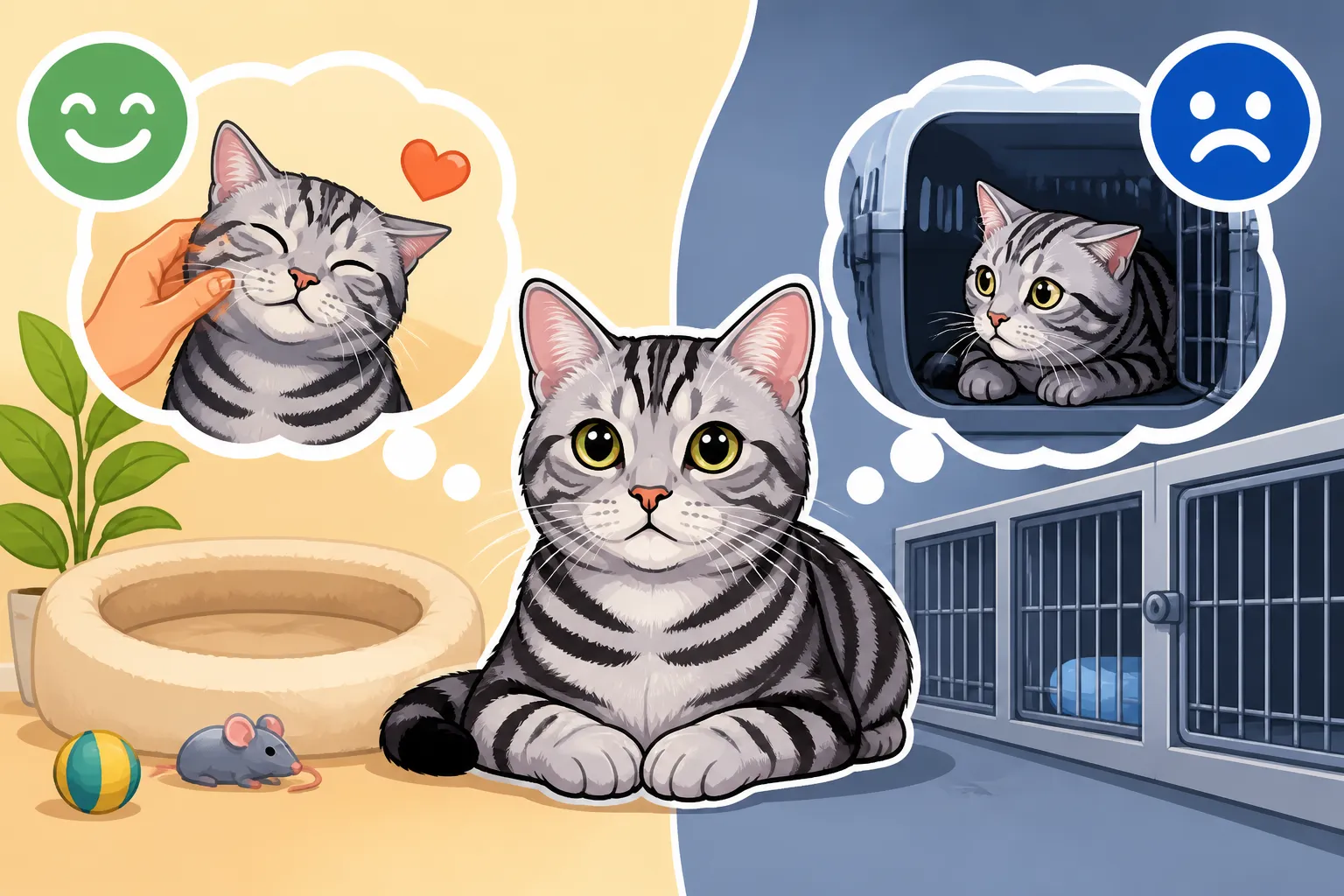
Whether an American Shorthair Copes With Boarding
It's a familiar scenario for many American Shorthair owners: you're planning a trip, and suddenly a wave of anxiety hits. Where will your beloved, independent feline friend stay? The thought of leaving them in an unfamiliar boarding facility can be daunting, especially for a cat that values its routine and territory above almost everything else. While American Shorthairs are known for their calm, self-sufficient nature, adapting to a new environment, even temporarily, is a significant change. This guide aims to help you understand your American Shorthair's likely reaction to boarding and how to make the experience as stress-free as possible for both of you.
Understanding the American Shorthair Temperament and Boarding Suitability
The American Shorthair is a breed steeped in history, originating from working cats brought to North America centuries ago. Their lineage speaks to a strong, resilient, and independent nature, traits that are both a blessing and a potential challenge when considering boarding. They aren't typically the most outwardly clingy cats, but that doesn't mean they don't feel stress or discomfort in new situations.
Their Independent and Self-Sufficient Nature
American Shorthairs were historically bred for their ability to hunt and protect provisions on ships and in barns, meaning they developed a strong sense of self-reliance. They often appear to be very independent, perfectly content to patrol their territory, chase a sunbeam, or nap in a quiet spot without constant human interaction. This inherent self-sufficiency can make owners wonder if boarding will be "easier" for them compared to a more demanding breed. In some ways, it might be. They are less likely to experience intense separation anxiety or cry mournfully for attention.
However, "independent" doesn't mean "indifferent." While they don't demand constant petting, they thrive on routine and familiarity. A sudden shift to a new place with new smells, sounds, and people can still be unsettling. Their calm demeanor can sometimes mask underlying stress, making it crucial for owners to observe them closely before and after a boarding stay. Thinking about Why an American Shorthair Was Never Bred to Need You helps us understand their stoicism, but it doesn't mean they don't have needs. They simply express them differently.
The Importance of Territory and Routine
For an American Shorthair, its home is its kingdom. They are creatures of habit, and their daily routine—from meal times to nap spots to their preferred scratching post—is vital to their sense of security. How a Territorial American Shorthair Handles Being Moved is a critical consideration here. They define their territory through scent marking, patrolling, and establishing comfort zones. Moving them to a boarding facility, even a clean and well-appointed one, strips them of this established territory.
The unfamiliarity of a new cage or room, the presence of other cats they can smell (and sometimes see) but not interact with on their own terms, and the change in their daily rhythm can cause significant stress. Even a seemingly minor change, like a different type of litter or a new feeding schedule, can be enough to throw them off. We often assume cats are flexible, but for an American Shorthair, consistency is comfort.
Their Stoic Demeanor and Hiding Stress
One of the most admirable, yet sometimes challenging, traits of an American Shorthair is their stoicism. They are not typically prone to dramatic displays of distress. They might not vocalize their unhappiness or engage in destructive behaviors when stressed. Instead, they might become withdrawn, hide more, eat less, or simply seem "off." This makes it incredibly important for owners and boarding staff to be astute observers.
It’s easy to mistake an American Shorthair's quiet acceptance for contentment, but it's often a coping mechanism. As an owner, you know your cat best. You'll notice subtle changes in their body language, their appetite, or their usual patterns. Remembering Why a Stoic American Shorthair Hides Pain the Longest can help you understand that hidden stress is still stress, and it requires careful attention from both you and the boarding facility. A cat that seems perfectly fine might actually be holding a lot of tension inside, only to relax once they're back in their familiar environment.
Preparing Your American Shorthair for a Boarding Stay
If boarding is your chosen option, proactive preparation can make a world of difference in how well your American Shorthair adjusts. It's about creating a bridge between their home environment and the temporary one, reducing the shock of change as much as possible.
Gradual Introductions and Acclimation
Sending your American Shorthair off to a boarding facility without any prior exposure can be like dropping them into a foreign country without a map. If possible, start early. Many reputable boarding facilities offer short-term stays, even just for a few hours or an overnight, to help cats acclimate. Consider taking your American Shorthair for a "playdate" visit to the facility. Let them sniff around, meet some staff, and get used to the general ambiance without the pressure of being left alone immediately.
Bring familiar items from home: a favorite blanket or bed with your scent on it, a familiar toy, or even an unwashed t-shirt of yours. These items carry comforting scents that can help ground your cat in an unfamiliar space. Some owners even try simulating the boarding environment at home by confining their cat to a room with their belongings for a few hours a day, gradually increasing the time, to help them adjust to a smaller space.
Maintaining Routine and Familiarity
Cats thrive on routine, and your American Shorthair is no exception. Before their stay, try to get a clear understanding of the boarding facility's daily schedule for feeding, playtime, and quiet hours. If possible, gradually adjust your cat's home schedule to align with the facility's schedule a week or two before their departure. This small effort can significantly reduce their stress.
When it comes to food, consistency is key. Ask the boarding facility if you can provide your cat's regular food. Many places are happy to accommodate this. If your American Shorthair is particular about their meals or has dietary needs, consider pre-portioning their food into labeled bags for each meal. Customized, pre-portioned food might be a good option if your cat is already accustomed to fresh food, making the transition to boarding less disruptive to their diet. This ensures they're eating something familiar and reduces the chance of an upset stomach on top of environmental stress. Also, pack a few of their favorite toys, perhaps even something purchased from Chewy that they've played with extensively, to provide comfort and distraction.
Health and Safety Considerations
Before any boarding stay, a visit to your veterinarian is highly recommended. Ensure all vaccinations are up to date, as most boarding facilities require proof of current immunizations to protect all boarders. Discuss any health concerns, medications your American Shorthair might be on, or any specific care instructions with your vet. A general health check can ensure they are in tip-top shape to handle the potential stress of boarding. How Regularly a Healthy American Shorthair Still Needs Checking highlights the importance of these routine vet visits.
It's also a good idea to ensure your cat is microchipped and that your contact information is current. While facilities are secure, accidents can happen. Consider pet insurance from providers like Healthy Paws to cover any unexpected veterinary costs that might arise during or immediately after their stay. Although American Shorthairs are generally hardy, the stress of a new environment can sometimes exacerbate underlying issues. Don't forget to clearly communicate all health details, including any allergies or special needs, to the boarding facility staff in writing.
Choosing the Right Boarding Facility for an American Shorthair
Selecting the right environment for your American Shorthair while you're away is paramount. Not all boarding facilities are created equal, and what works for one cat might be disastrous for another. For a self-possessed but routine-loving American Shorthair, specific features and practices will be more beneficial.
What to Look for in a Boarding Facility
When you begin your search, prioritize facilities that understand feline behavior and cater specifically to cats. Look for places with:
- Cat-Only Sections: Ideally, the facility should have a completely separate area for cats, away from the sights, sounds, and smells of dogs. This significantly reduces stress.
- Quiet and Private Spaces: American Shorthairs appreciate calm. Look for individual cat condos or rooms, not just cages, that offer vertical space, shelves, and hiding spots. Cats feel safer when they can retreat and observe from a higher vantage point.
- Cleanliness and Hygiene: A clean facility indicates good management and reduces the risk of illness. Check for fresh litter boxes, clean bedding, and overall tidiness.
- Experienced and Attentive Staff: Staff should be knowledgeable about cat behavior, patient, and genuinely caring. Ask about their staff-to-cat ratio to ensure your feline friend will receive adequate attention, even if they appear aloof.
- Proper Enrichment: While your American Shorthair might not be the most demanding cat, they still need mental and physical stimulation. Ask what kind of enrichment they offer – puzzle feeders, supervised play, window views, or quiet cuddle times.
Key Questions to Ask During Your Tour
Don't be shy about asking questions and taking a tour of any potential boarding facility. This is your chance to assess if it's the right fit for your American Shorthair.
Here are some essential questions:
- Can I tour the cat boarding area? This is non-negotiable. You need to see where your cat will be staying.
- What is your feeding schedule, and can I provide my cat's own food? As discussed, consistency in diet is important.
- How often are litter boxes cleaned? Frequent cleaning is crucial for hygiene and your cat's comfort.
- What veterinary care is available in an emergency? Knowing their protocol for illness or injury will give you peace of mind.
- What kind of interaction and playtime do the cats receive? Even a seemingly aloof American Shorthair benefits from gentle interaction.
- Are there any quiet retreat areas? An American Shorthair needs the option to withdraw.
- What are your vaccination requirements? This confirms their commitment to health standards.
- Do you have experience with American Shorthairs or similar independent breeds? Their understanding of the breed's specific needs can be reassuring.
Red Flags to Watch Out For
During your visit and conversations, keep an eye out for any warning signs that a facility might not be suitable for your American Shorthair:
- Reluctance to allow tours: A facility that won't show you the cat areas often has something to hide.
- Overcrowding: Too many cats in a small space can lead to stress, territorial disputes, and increased risk of illness.
- Unsanitary conditions: Foul odors, dirty litter boxes, or general mess are immediate deal-breakers.
- Lack of privacy or hiding spots: An American Shorthair needs options to feel secure.
- Staff who seem uninterested or rushed: Your cat deserves attentive care.
- Generic answers to specific questions: This indicates a lack of thorough procedures or knowledge.
- No separate cat facilities: Sharing space with barking dogs is often too stressful for cats.
Alternatives to Traditional Boarding for Your American Shorthair
If the idea of traditional boarding still doesn't sit right, or if your American Shorthair is particularly sensitive to change, there are excellent alternatives that might be a better fit. These options often focus on minimizing disruption to your cat's routine and environment.
Professional Pet Sitters
For many American Shorthairs, a professional pet sitter who comes to your home is the ideal solution. Your cat gets to stay in their familiar territory, sleep in their favorite spots, and maintain their established routine. A sitter can feed them at their usual times, clean their litter box, and provide play and affection tailored to your cat's preferences. This continuity is incredibly valuable for a cat that thrives on stability.
A good pet sitter will send you updates, photos, and ensure your home is secure. They can also bring in mail, water plants, and give your home a lived-in look. For an American Shorthair who values its space and routines, having someone visit daily to care for them can be far less stressful than being relocated. What a Sitter Costs for an American Shorthair That Needs Little can help you weigh the financial aspects of this personalized care. Ensure you hire a bonded and insured professional, and schedule a meet-and-greet beforehand to ensure they get along with your cat and understand all instructions.
Trusted Friends or Family
If you have a trusted friend, family member, or even a responsible neighbor who loves cats, asking them to house-sit or visit your American Shorthair daily can be another excellent option. The main benefit here is the familiarity of the person combined with the familiarity of the home environment. Your cat may already know and be comfortable with this individual, reducing the stress of meeting a stranger.
Make sure your chosen helper is reliable and understands your cat's specific needs and routine. Provide them with detailed instructions on feeding, litter box maintenance, any medications, and emergency contact information for your vet. While it might feel less formal than a professional sitter, clear communication is essential. This option can provide a wonderful sense of security for your American Shorthair, knowing a familiar face is checking in on them and maintaining their home life as much as possible while you're away. They might even recognize How an American Shorthair Greets a Visitor and know how to interact in a way that your cat appreciates.
Considering Their Temperament: Why In-Home Care Might Be Best
Ultimately, the best choice depends on your individual American Shorthair's personality. While they are resilient, How an American Shorthair Handles Change is always a factor. Some cats are naturally more adaptable and might tolerate a well-run boarding facility without too much fuss, especially if they are used to new experiences. However, many American Shorthairs prefer predictability and the comfort of their own domain.
For a cat that might become withdrawn or stressed in a new environment, maintaining their territory with a sitter is often the less disruptive choice. It minimizes the need for them to re-establish their hierarchy, adapt to new smells and sounds, or compete for attention. It respects their inherent need for a stable, secure home base, allowing them to continue their patrols and enjoy their naps in their familiar spots. This can contribute to a much smoother transition when you return, with a happier, less stressed cat waiting for you.
| Feature | Traditional Boarding | In-Home Pet Sitter |
|---|---|---|
| Environment | Unfamiliar, new smells/sounds, other animals | Familiar home, established territory, known scents |
| Routine | May differ from home routine, facility's schedule | Can maintain exact home routine (feeding, play, litter) |
| Socialization | Staff interaction, potential exposure to other cats | One-on-one with sitter, no unknown cat interaction |
| Stress Level | Moderate to high for sensitive cats due to change | Generally lower, as environment is consistent |
| Health Monitoring | Staff observes for illness, vet access during hours | Sitter observes during visits, direct communication with owner |
| Cost | Per-day rate, may have add-ons for extra services | Per-visit rate, typically covers house-related tasks too |
| Ideal for ASH | Adaptable, less territorial cats; well-managed facilities | Most American Shorthairs, especially those valuing routine/territory |
Disclaimer
This article is for general informational purposes only and does not constitute professional advice. Laws, prices and regulations vary by location and change over time. Consult a qualified professional for guidance on your specific situation.