Whether an American Shorthair Kitten Needs an Early Vet Check
You've just brought home that adorable, fluffy American Shorthair kitten, and your heart is probably bursting. But amidst all the snuggles and playtime, a nagging question often pops up: "Does this seemingly robust little furball really need an immediate vet check? They look perfectly fine!" It's a completely understandable thought, especially with a breed renowned for its hardy nature. However, that early veterinary visit is absolutely crucial for your American Shorthair kitten, setting them up for a lifetime of health and happiness.
The Critical Importance of That First Vet Visit for Your American Shorthair Kitten
Bringing home a new kitten is a joyous occasion, filled with purrs and playful antics. American Shorthairs, in particular, often seem like the picture of health and resilience, inheriting a strong constitution from their working ancestors. This can sometimes lead new owners to wonder if a vet visit is truly necessary if the kitten appears well. The truth is, this initial appointment is far more than a formality; it's a foundational step in your kitten's long-term wellness. Think of it as laying the groundwork for the many happy years ahead, potentially helping your American Shorthair reach its full potential of a long life.
More Than Just a "Wellness Check"
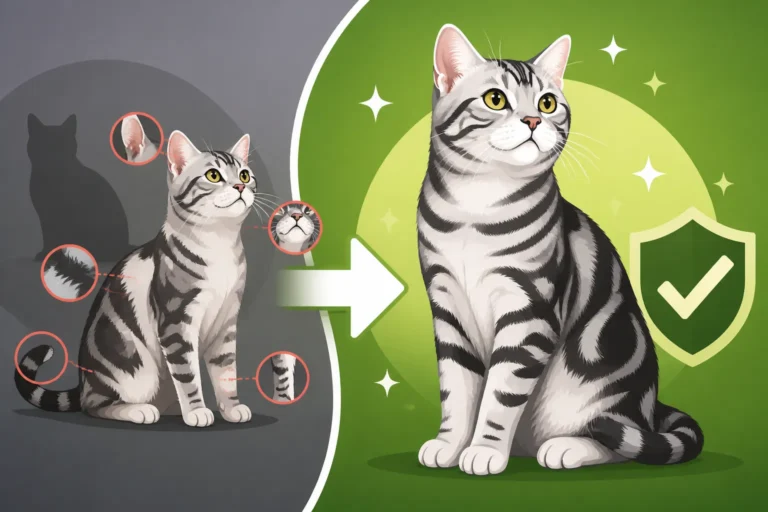
While we often refer to it as a "wellness check," for a kitten, it's really an in-depth health audit. This visit allows a veterinarian to establish a baseline for your kitten's health, examining every system from nose to tail. For a breed known for its general good health, like the American Shorthair, it might seem overkill, but even the hardiest breeds can harbor subtle issues that aren't immediately obvious to an untrained eye. A vet can detect congenital anomalies, early signs of illness, or developmental quirks that could become bigger problems down the line. It's about proactive care, not just reactive treatment once something has visibly gone wrong. This comprehensive examination helps ensure that your new family member is indeed as healthy as they seem.
Consider a scenario where a kitten might have a faint heart murmur. You might never notice it during play, but a veterinarian, with their stethoscope and trained ear, could pick up on it. This early detection doesn't necessarily mean a dire prognosis, but it allows for monitoring and possibly early intervention. Without that initial check, such an issue could go unnoticed until the kitten is much older and the condition has progressed, making treatment more complex.
Catching What the Breeder Might Miss (or Not Disclose)
Even the most reputable breeders can occasionally miss very subtle signs, or perhaps they haven't shared every detail of a kitten's full health history. If you're wondering about Whether an American Shorthair Kitten Arrives With Health Paperwork, that initial vet visit is your chance to have an independent professional review any provided documents and perform their own assessment. This is particularly important if you've adopted your kitten from a shelter or rescue, where their background might be entirely unknown.
A vet can verify vaccination records, check for signs of common kitten ailments like upper respiratory infections or ear mites, and ensure that the kitten is free from internal parasites, which are incredibly common in young animals. They can also discuss any genetic predispositions that the American Shorthair might have, even though they are generally quite robust. While American Shorthairs are typically healthy, understanding Which Diseases the American Shorthair Actually Carries can help you and your vet tailor a preventative care plan. This early check acts as an objective second opinion, giving you peace of mind and allowing you to address any potential concerns head-on.
Setting the Stage for Lifelong Health
The first vet visit is the cornerstone of a lifetime of preventative care. It's not just about addressing immediate concerns; it's about initiating a long-term partnership with your veterinarian. During this visit, you'll discuss everything from appropriate nutrition for a growing American Shorthair kitten to future vaccination schedules and parasite control. This is the moment to ask all your burning questions about kitten care, behavior, and what to expect as your American Shorthair grows into their famously sturdy adult self.
Establishing this relationship early helps your vet get to know your kitten's individual personality and health trends. For instance, they can advise you on What an American Shorthair Kitten Should Eat to support their muscular development without leading to obesity. This proactive approach is key to maintaining a healthy American Shorthair who can enjoy The Fifteen to Twenty Years the American Shorthair Was Given. By starting on the right foot, you're investing in a future where potential health issues are identified and managed early, contributing to a longer, happier life for your beloved companion.
What to Expect During Your American Shorthair Kitten's Initial Exam
Walking into the vet's office with a tiny, curious American Shorthair can feel a bit overwhelming, especially if it's your first kitten. But knowing what to expect can ease some of that anxiety. The initial examination is a thorough, systematic process designed to evaluate every aspect of your kitten's health, ensure they're on the right track, and protect them from common threats. It's a comprehensive check-up tailored specifically for a young feline.
The Head-to-Tail Physical Assessment
The cornerstone of the early vet check is a meticulous head-to-tail physical exam. Your veterinarian will carefully palpate your kitten's body, listen to their heart and lungs, and visually inspect their eyes, ears, nose, and mouth. For an American Shorthair kitten, the vet will be looking for specific indicators of health and proper development. They'll check their coat for fleas or skin issues, which, while rare for this breed, can happen. They'll check their ears for mites or infections, common culprits in young kittens. Their eyes will be examined for clarity, discharge, or any signs of conjunctivitis.
The mouth is a crucial area; the vet will assess gum color, check for developing teeth, and look for any signs of stomatitis or other oral health concerns that could impact their ability to eat properly. They’ll gently feel the abdomen to check organ size and rule out any hernias. Listen carefully when the vet uses the stethoscope; they are checking for heart murmurs or abnormal lung sounds, which, if present, would warrant further investigation. They'll also assess overall body condition, noting if your kitten is underweight or overweight, using their knowledge of What an American Shorthair Should Weigh at Its Frame. This full assessment provides a complete picture of your American Shorthair kitten’s current physical state.
Parasite Screening and Prevention
No matter how pristine your kitten's environment, parasites are a very real concern for young animals. The vet visit will almost certainly include screening for both internal and external parasites. This typically involves taking a small stool sample to check for intestinal worms like roundworms, hookworms, and tapeworms, as well as protozoa like giardia or coccidia. If parasites are found, your vet will prescribe appropriate deworming medication.
Beyond treatment, the conversation will shift to prevention. You'll discuss regular deworming schedules and flea and tick prevention. Even if your American Shorthair kitten is destined to be an indoor cat, prevention is still critical. Fleas can easily be brought in on clothing or other pets, and some internal parasites can be transmitted in ways you might not expect. This proactive approach ensures your kitten stays comfortable and avoids the health issues that parasites can cause, such as anemia or nutrient deficiencies. It’s an essential part of keeping your kitten healthy from the very beginning.
Vaccination Schedule and Discussions
Vaccinations are a cornerstone of kitten health, providing immunity against serious and potentially fatal diseases. During the first vet check, your veterinarian will discuss and initiate your American Shorthair kitten's core vaccination series. This typically includes protection against Feline Panleukopenia (distemper), Feline Viral Rhinotracheitis (herpesvirus), and Feline Calicivirus. The vet will explain why these are crucial and the schedule for follow-up booster shots.
They'll also discuss optional vaccinations, such as for Feline Leukemia Virus (FeLV), especially if your kitten will have any outdoor access or interact with other cats whose vaccination status is unknown. Knowing Which Vaccines an Indoor American Shorthair Actually Needs can help you make informed decisions based on your kitten's lifestyle. This initial appointment is the perfect opportunity to set up a vaccination plan that provides the best protection for your American Shorthair, ensuring they are shielded from common feline illnesses as they explore their new world.
Microchipping and Identification
While not strictly part of the health assessment, microchipping is often discussed and can be done during the first vet visit. It's a quick, relatively painless procedure where a tiny chip, about the size of a grain of rice, is inserted under your kitten's skin, usually between the shoulder blades. This chip carries a unique identification number that can be scanned by any vet clinic or animal shelter. Should your American Shorthair ever get lost, a microchip dramatically increases the chances of a happy reunion.
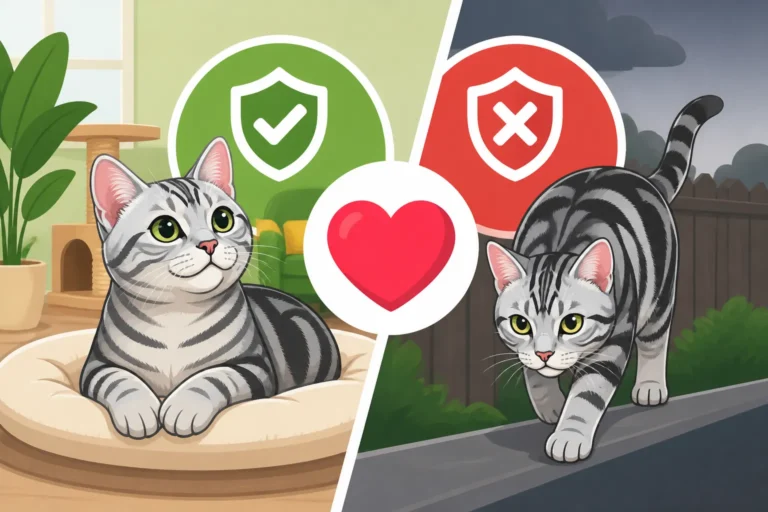
Even if your American Shorthair is an indoor cat, accidents happen. A door might be left ajar, or they might dart out unexpectedly. Having them microchipped provides an invaluable safety net. Many owners find it reassuring to have this done early, alongside their other preventative care measures. It’s a small step that offers immense peace of mind, knowing you've done everything you can to ensure your beloved kitten can always find their way home.
Timing and Preparation: Making the Most of the Early Vet Check
Once you understand why the early vet check is so vital, the next questions usually revolve around when to go and how to prepare. Getting the timing right and gathering all necessary information can make the visit much smoother for both you and your American Shorthair kitten. A well-prepared visit ensures your vet has all the details they need to give your kitten the best possible start.
The "When" of the First Visit
Ideally, your American Shorthair kitten should see the vet within a few days of coming home – typically within 48 to 72 hours. This timeframe is crucial for several reasons. Firstly, it allows your vet to assess your kitten before any underlying issues, often stressed by the change in environment, have a chance to worsen. It’s also important to confirm their current health status, especially if they came from a busy environment or a less-than-ideal situation. If you've just adopted a kitten, this quick check is even more critical, as their history might be unknown.
If you purchased your kitten from a breeder, many contracts actually require a vet check within a specific window (often 72 hours) to validate the kitten's health guarantee. Don’t delay this appointment! A prompt visit ensures you fulfill any contractual obligations and, more importantly, quickly identify and address any health concerns that might have been present before the kitten arrived in your care. This early visit sets the benchmark for their health and ensures a swift response to any potential problems.
Gathering Essential Information
Preparation is key to a productive vet visit. Before you head out the door, take some time to gather all the relevant paperwork and think about any questions you might have. If your kitten came from a breeder, bring all their health records, including vaccination history, deworming dates, and any health certificates or genetic testing results for the parents. While the American Shorthair is a robust breed, knowing What a Full American Shorthair Panel Actually Screens For could provide valuable context for your vet.
It’s also incredibly helpful to jot down any observations you’ve made since bringing your kitten home. Has their appetite been good? Are they using the litter box consistently? What's their energy level like? Have you noticed any sneezing, coughing, or unusual discharge? Don't be afraid to ask questions, no matter how small they seem. Your vet is there to educate and guide you. This initial conversation helps your vet understand your kitten's baseline behavior and allows them to address any early concerns you might have.
Preparing Your Kitten for a Stress-Free Visit
For a young kitten, a vet visit can be a scary experience: new smells, new people, and often a car ride. Making the experience as stress-free as possible starts before you even leave the house. Invest in a secure, comfortable carrier large enough for your American Shorthair to stand and turn around in, and ideally one that opens from the top and front for easier access. Get your kitten used to the carrier by leaving it open in the house with a soft blanket and treats inside. Positive association is vital.
On the day of the appointment, try to keep your kitten calm. Avoid feeding them a huge meal right before the trip, just in case they get car sick. Bringing a favorite toy or blanket that smells like home can offer comfort. When you arrive at the clinic, try to keep the carrier elevated and covered with a towel to reduce visual stress from other animals. A calm kitten allows the vet to perform a more thorough examination, ensuring nothing is missed. This early positive experience can also help shape their attitude towards future vet visits, making ongoing care, like How Regularly a Healthy American Shorthair Still Needs Checking, much easier.
Beyond the First Visit: Continued Preventative Care for Your American Shorthair
That first vet check is a fantastic start, but it's just the beginning of a lifelong commitment to your American Shorthair's health. Continued preventative care is essential to ensure they thrive, avoid common ailments, and reach their impressive lifespan potential. A consistent routine of veterinary visits, proper nutrition, and attentive observation on your part will make all the difference.
The Ongoing Vaccination and Booster Schedule
Your American Shorthair kitten's initial vet visit will kick off a series of vaccinations. It's absolutely crucial to complete this entire series, as single doses don't provide full protection. Your vet will outline the schedule for booster shots, typically administered a few weeks apart. Missing a booster can leave your kitten vulnerable to preventable diseases. After the initial kitten series, your American Shorthair will need regular adult boosters, usually annually or every three years, depending on the vaccine and your vet's recommendation for your cat's lifestyle.
Maintaining an up-to-date vaccination record is part of responsible pet ownership. These vaccinations are your first line of defense against many common and serious feline illnesses. Even if your American Shorthair is an indoor-only cat, some airborne viruses can still find their way into your home. Think of these regular immunizations as an invisible shield, protecting your naturally hardy American Shorthair throughout their life.
Nutrition and Growth Monitoring
Proper nutrition is paramount for a growing kitten and a healthy adult American Shorthair. During follow-up visits, your vet will continue to monitor your kitten's weight and body condition to ensure they're growing appropriately. American Shorthairs are a muscular, sturdy breed, and it can take up to three years for them to fully mature and fill out. It's easy for them to become overweight if their calorie intake isn't managed, especially once they're neutered and their activity levels might decrease.
Your vet can provide guidance on appropriate portion sizes, food types, and how to adjust their diet as they grow. Regular weigh-ins at home, along with body condition scoring, can help you keep track between vet visits. Remember, a healthy weight is key to preventing many health issues down the line, including joint problems and diabetes. Ensuring your American Shorthair maintains a lean, active physique will contribute significantly to their longevity and overall well-being.
Discussing Spay/Neuter Options
Another significant discussion point in your American Shorthair kitten's first year will be spaying or neutering. Your vet will discuss the ideal timing for this procedure, considering your kitten's age, growth, and overall health. Generally, most cats are spayed or neutered between five and six months of age, but your vet will provide personalized advice.
There are numerous health and behavioral benefits to spaying or neutering your American Shorthair. For females, it eliminates the risk of uterine infections and tumors, significantly reduces the risk of mammary cancer, and prevents unwanted litters. For males, it prevents testicular cancer, reduces the risk of prostate problems, and can curb undesirable behaviors like spraying, roaming, and aggression. The procedure itself is routine, and Why an American Shorthair Is a Low Anesthetic Risk can provide some reassurance about the safety of the surgery. It’s an important decision for your cat's health and your household's harmony.
The Role of Pet Insurance
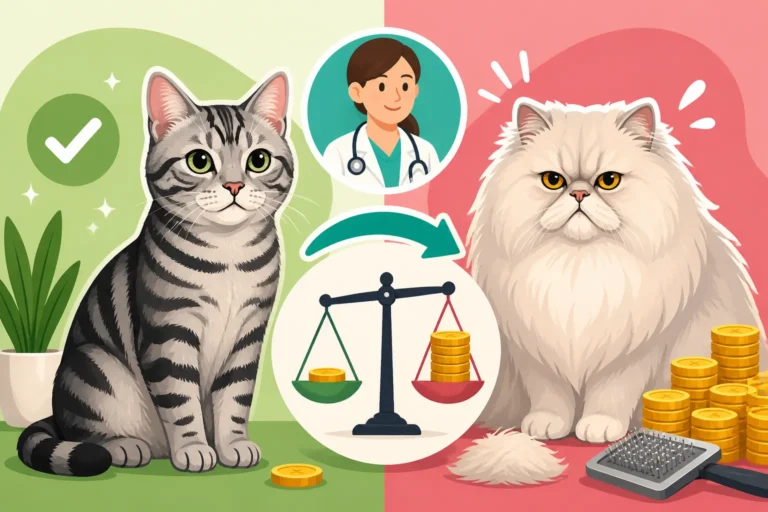
Even with the best preventative care, unexpected accidents or illnesses can occur. This is where considering pet insurance for your American Shorthair can offer significant peace of mind. While American Shorthairs are generally a healthy breed, no cat is immune to every possible health challenge as they age or from unforeseen accidents. Many owners find value in having a safety net for those "just in case" moments.
Providers like Healthy Paws offer various plans that can help cover costs associated with unexpected vet visits, diagnostics, surgeries, and even emergency care. Thinking about how much it might cost for Caring for an American Shorthair Past Twelve and the potential for age-related conditions can make pet insurance a wise investment. You can research different companies, like Healthy Paws, to find a plan that fits your budget and provides comprehensive coverage. Having a plan in place from a reliable provider like Healthy Paws allows you to focus on getting your beloved cat the best care without financial stress becoming an added burden during a difficult time.
Essential Care Practices at Home
Beyond vet visits, daily home care practices are fundamental to your American Shorthair's continued health. This includes regular playtime to keep them mentally stimulated and physically active, which helps manage their weight and satisfies their natural hunting instincts. Consistent litter box maintenance is also crucial for hygiene and preventing urinary issues.
While American Shorthairs are excellent self-groomers and their short, dense coats require minimal intervention, occasional combing can help reduce shedding, especially during seasonal changes. You should also get into the habit of checking their claws and considering How to Brush an American Shorthair's Teeth regularly, as dental health is often overlooked but incredibly important. By integrating these routine care practices, you become an active participant in maintaining your American Shorthair’s vibrant health and ensuring they lead a full, happy life.
| Aspect of Initial Vet Check | What the Vet Examines/Discusses | Why It's Important for an American Shorthair Kitten |
|---|---|---|
| Physical Exam | Eyes, ears, nose, mouth, heart, lungs, abdomen, skin, coat, paws, overall body condition. | Establishes baseline health, detects congenital issues, heart murmurs, dental alignment, or early signs of illness not visible to owner. |
| Parasite Screening | Fecal test for intestinal worms/protozoa; visual check for fleas/mites. | Common in kittens; can cause anemia, poor growth, and be transmitted to humans. Early treatment is vital. |
| Vaccinations | Discussion of core vaccines (Panleukopenia, Rhinotracheitis, Calicivirus) and optional ones (FeLV); first shots administered. | Builds immunity against serious, preventable diseases, tailored to your kitten's lifestyle and risk. |
| Deworming | Administering first dose or discussing schedule. | Eliminates common internal parasites that can hinder growth and health. |
| Nutrition Advice | Discussion on appropriate kitten food, portion sizes, feeding schedule, hydration. | Supports healthy growth, muscle development, and prevents early obesity in a naturally stocky breed. |
| Behavioral Guidance | Questions about litter box habits, socialization, play. | Addresses common kitten challenges, ensures appropriate development and integration into your home. |
| Microchipping | Discussion and optional implantation. | Provides permanent identification to facilitate reunion if your kitten gets lost. |
| Spay/Neuter Discussion | Timing, benefits, and risks of the procedure. | Prevents unwanted litters, reduces risk of certain cancers and behavioral issues. |
Disclaimer
This article is for general informational purposes only and does not constitute professional advice. Laws, prices and regulations vary by location and change over time. Consult a qualified professional for guidance on your specific situation.