Which Vaccines an Indoor American Shorthair Actually Needs
It’s a common misconception that an American Shorthair, especially one living a pampered indoor life, doesn't need many vaccinations. You might think, "My cat never goes outside, what could possibly happen?" This kind of thinking, while well-intentioned, can unfortunately leave your beloved companion vulnerable to preventable diseases. This guide is here to cut through the confusion and help you understand exactly which vaccines are truly essential for your indoor American Shorthair to ensure they stay healthy and happy for years to come.
Decoding Core and Non-Core Vaccines for Your Indoor American Shorthair
The world of pet vaccines can feel like a maze, full of scientific names and jargon that leaves many cat parents feeling overwhelmed. When you take your American Shorthair to the vet, they'll often talk about "core" and "non-core" vaccines, and it's vital to understand the difference, especially for an indoor cat. These categories aren't just arbitrary distinctions; they reflect the level of risk and the necessity of protection against certain diseases. Knowing which is which empowers you to make informed decisions for your American Shorthair's health.
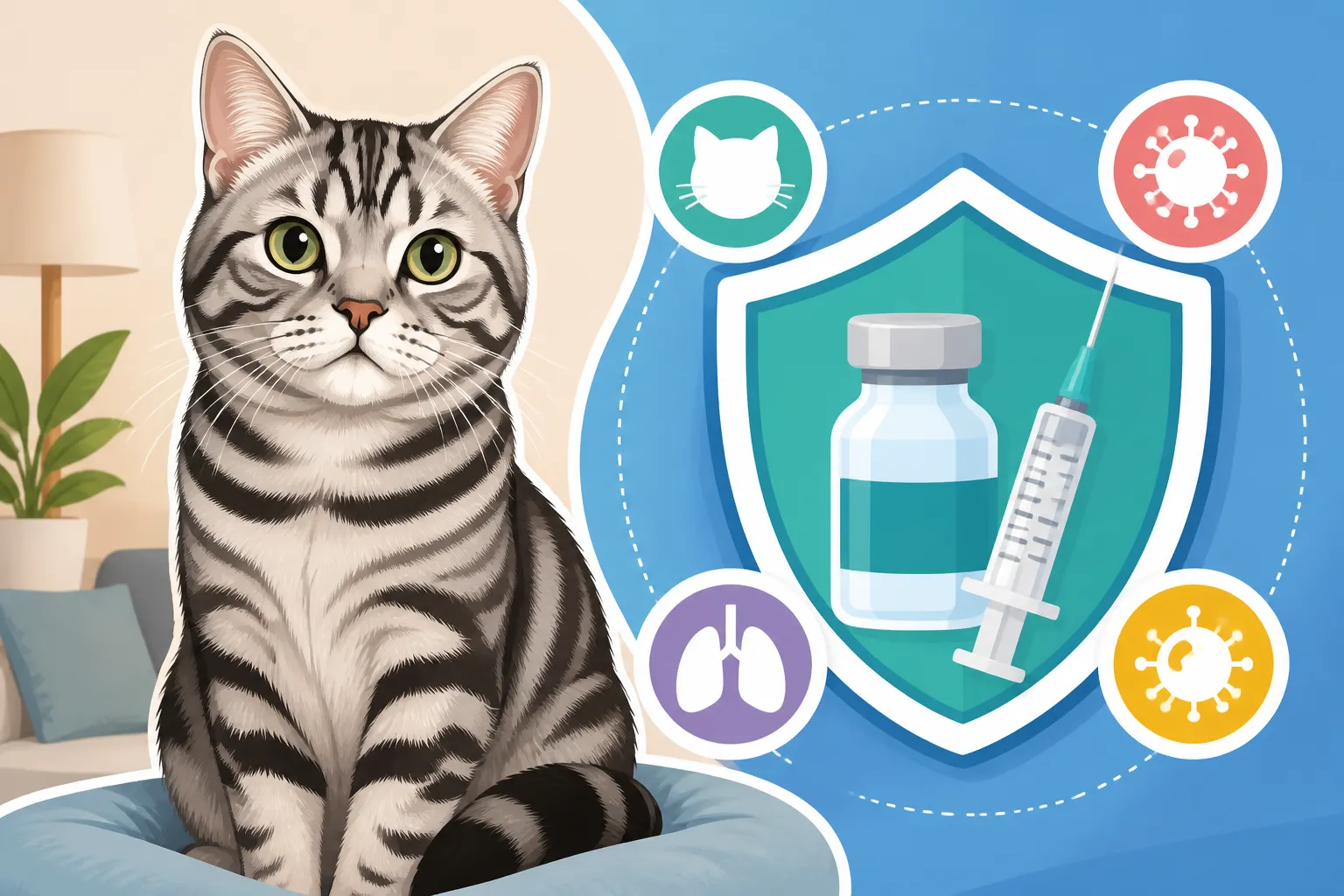
Core vaccines are those universally recommended for all cats, regardless of their lifestyle. These are the heavy hitters, protecting against widespread and often deadly diseases that can be transmitted in ways you might not even expect, sometimes without any direct contact with other animals. Think of them as the fundamental shield every American Shorthair needs in their arsenal. Ignoring these puts your cat at significant risk, even if they spend every moment safely ensconced within your home.
On the other hand, non-core vaccines are more elective. Their recommendation depends heavily on your cat's individual lifestyle, geographic location, and potential exposure risks. For an indoor American Shorthair, this is where the conversation with your veterinarian becomes crucial, as many of these non-core options might not be necessary. However, it's not always a clear-cut "no"; sometimes, even an indoor cat can have unexpected exposure avenues that warrant additional protection, which we'll delve into later.
The distinction between these two categories is really about balancing protection with minimizing unnecessary medical interventions. Every vaccine carries a small risk of reaction, just like human vaccines, so you want to ensure the benefit significantly outweighs that risk. For the American Shorthair, a breed generally known for its robust health and easygoing nature, understanding these vaccine categories is the first step in providing thoughtful and appropriate preventative care.
The Non-Negotiable Core Vaccinations for American Shorthairs
When it comes to the health of your American Shorthair, there are a couple of vaccinations that are simply non-negotiable, regardless of whether your feline friend is an adventurous outdoor explorer or a dedicated indoor couch potato. These are the core vaccines, and they protect against diseases that are so prevalent and dangerous that every cat needs this defense. For an American Shorthair, whose natural resilience makes them excellent candidates for a long, healthy life, these foundational protections are paramount. These vaccinations form the bedrock of preventative care and are universally recommended by veterinary organizations.
FVRCP: The Triple Threat Protector
The FVRCP vaccine, often referred to as the "distemper shot" or "feline viral rhinotracheitis, calicivirus, and panleukopenia" vaccine, is absolutely critical for all American Shorthairs. This single vaccine protects against three highly contagious and potentially life-threatening viral diseases that can spread rapidly, even in seemingly sterile environments. Feline viral rhinotracheitis (FHV-1) and feline calicivirus (FCV) are responsible for the common "cat flu" symptoms, causing sneezing, nasal discharge, conjunctivitis, and oral ulcers. While not always fatal, these can lead to severe illness, especially in kittens or immunocompromised cats.
The third component, feline panleukopenia virus (FPV), is often the most feared. It's a highly contagious parvovirus that attacks rapidly dividing cells, particularly in the bone marrow and intestines. This can lead to severe gastrointestinal distress, immunosuppression, and a high mortality rate, especially in young kittens. The virus is incredibly hardy and can survive in the environment for a very long time, meaning your indoor American Shorthair could be exposed even without direct contact with another cat. For example, you could inadvertently track the virus into your home on your shoes or clothing after visiting a pet store or a friend with an infected cat.
A typical vaccination schedule for FVRCP starts when your American Shorthair kitten is around 6-8 weeks old, with booster shots given every 3-4 weeks until they are about 16 weeks old. This series of shots is crucial because maternal antibodies, passed from the mother cat, can interfere with the vaccine's effectiveness, so multiple doses ensure full immunity develops. After the initial series, a booster is usually given one year later, and then typically every three years thereafter, depending on your vet's recommendation and the specific vaccine used. This schedule is designed to provide robust, long-lasting protection against these pervasive diseases, helping your American Shorthair maintain its legendary healthy status.
Rabies: A Non-Negotiable Shield
Rabies is another core vaccine that is absolutely essential for your American Shorthair, even if they never step foot outside. While the risk might seem low for an indoor cat, rabies is a zoonotic disease, meaning it can be transmitted from animals to humans, and it is almost always fatal once symptoms appear. Many states and municipalities have laws requiring rabies vaccination for all cats, regardless of indoor or outdoor status, precisely because of the public health risk involved.
How could an indoor American Shorthair be exposed? Picture this: a bat, known carriers of rabies, could accidentally find its way into your house through an open window, a chimney, or a small crack. Your naturally curious American Shorthair, with its inherent hunting instincts, might interact with it. Or perhaps a rabid rodent or wild animal manages to get into your garage or basement, and your cat slips out for a quick, unsupervised exploration. It sounds like a rare occurrence, but the consequences are so dire that the preventative measure is universally considered necessary.
The rabies vaccine typically begins with a single dose when your American Shorthair kitten is around 12 weeks old or older. The specific booster schedule can vary by jurisdiction and vaccine type – some require annual boosters, while others protect for three years. Your veterinarian will advise you on the specific requirements for your area. Getting your American Shorthair vaccinated against rabies isn't just about protecting your cat; it's about protecting your entire household and community from a terrifying disease. This core vaccine provides peace of mind and fulfills a legal obligation, making it a truly indispensable part of your cat's health regimen.
Evaluating Non-Core Vaccines for the Indoor American Shorthair Lifestyle
While core vaccines are a must, the discussion around non-core vaccines for an indoor American Shorthair becomes much more nuanced. These are vaccines that your vet will recommend based on specific risk factors, geographic location, and your cat's potential exposure. For a breed as generally robust and healthy as the American Shorthair, the goal is always to provide adequate protection without over-vaccinating. It’s a balance, and understanding these options will help you collaborate with your vet to make the best decisions for your particular feline companion.
FeLV: Assessing the Indoor Risk
Feline Leukemia Virus (FeLV) is a retrovirus that can cause a variety of serious health problems in cats, including anemia, immunosuppression, and certain cancers. It’s primarily spread through prolonged close contact between cats, such as mutual grooming, sharing food and water bowls, and fighting, as the virus is present in saliva, nasal secretions, urine, and feces. For this reason, the FeLV vaccine is considered a non-core vaccine.
For a strictly indoor American Shorthair who lives alone or only with other FeLV-negative cats and has no exposure to the outside world, the risk of contracting FeLV is extremely low. In such cases, your veterinarian might advise against the FeLV vaccine, as the benefits might not outweigh the minimal risks associated with any vaccination. However, the conversation changes if there's any possibility of exposure. Do you ever take your American Shorthair to a groomer? Does a friend’s cat ever visit? Do you plan to introduce a new cat whose FeLV status is unknown? All these scenarios could warrant reconsideration.
If your American Shorthair has even occasional, supervised outdoor access, or if you live in a multi-cat household where one cat ventures outside, the FeLV vaccine becomes a much more serious consideration. Kittens are also more susceptible to FeLV infection than adult cats, so many vets recommend the vaccine for all kittens, especially if their future lifestyle is uncertain, even for an American Shorthair kitten. The initial series typically involves two doses given 3-4 weeks apart, followed by annual boosters if continued protection is deemed necessary. Discussing your American Shorthair's specific environment and potential interactions with your vet is crucial for making the right call on FeLV vaccination. You can find more information about whether an outdoor American Shorthair needs the FeLV vaccine for comparison.
FIV: Less Common, Still a Consideration
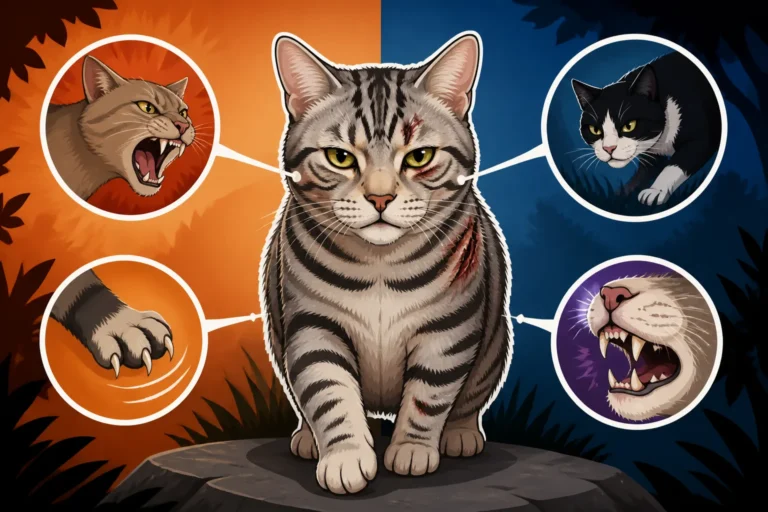
Feline Immunodeficiency Virus (FIV) is another non-core vaccine that warrants discussion, although it’s less commonly recommended than FeLV, especially for indoor cats. FIV primarily spreads through deep bite wounds, such as those sustained during cat fights. It can lead to a compromised immune system, making cats more susceptible to secondary infections and various other health issues.
Given its primary mode of transmission, the risk of an indoor American Shorthair contracting FIV is exceptionally low if they live exclusively indoors and have no contact with other cats or only with known FIV-negative cats. A cat that never fights or is exposed to potential carriers generally won't need this protection. Therefore, for most indoor American Shorthairs, the FIV vaccine is usually not recommended by veterinarians.
However, if your American Shorthair has a habit of escaping outdoors, if you frequently foster cats with unknown health histories, or if you live in an area with a high stray cat population and your cat might accidentally come into contact with them, then your vet might discuss the FIV vaccine with you. It's important to note that the FIV vaccine itself has been a subject of some debate, as it can interfere with FIV diagnostic tests, making it difficult to differentiate between vaccinated and infected cats. For this reason, and due to its generally lower risk for truly indoor felines, it’s usually reserved for specific, high-risk situations. Always ensure your American Shorthair has been tested for FIV (and FeLV) before vaccination, as vaccinating an already infected cat is not beneficial and could complicate diagnosis.
Other Situational Vaccines
Beyond FeLV and FIV, there are a few other non-core vaccines that might come up in conversation, though they are rarely, if ever, needed for a strictly indoor American Shorthair. These include vaccines for Feline Chlamydophila and Feline Bordetella.
Feline Chlamydophila is a bacterial infection that primarily causes conjunctivitis (inflammation of the eye lining). It's typically seen in multi-cat environments, particularly in catteries or shelters, where close contact facilitates transmission. For an indoor American Shorthair living in a single-cat household or with a stable group of healthy cats, the risk is negligible. Therefore, vaccination against Chlamydophila is generally only considered in very specific circumstances, such as in breeding catteries with a history of the infection or in rescue situations.
Feline Bordetella bronchiseptica is another bacterium that can cause respiratory disease in cats, often characterized by coughing and sneezing. While it's more commonly associated with kennel cough in dogs, cats can contract it, especially in environments with high animal traffic or stress, like boarding facilities or cat shows. An indoor American Shorthair who never leaves the house and doesn't encounter other cats from diverse backgrounds will likely never need this vaccine. If, however, you frequently board your American Shorthair at a facility where they will be in close quarters with many other cats, or if you show your cat, then your vet might discuss this option as a preventative measure. It's a prime example of a vaccine truly tailored to specific, rare exposure risks, rather than a general recommendation for the average home cat.
| Vaccine Type | Disease Protected Against | Core/Non-Core | Indoor American Shorthair Necessity | Primary Transmission |
|---|---|---|---|---|
| FVRCP | Feline Viral Rhinotracheitis (Herpesvirus), Calicivirus, Panleukopenia (Distemper) | Core | Essential | Airborne droplets, contaminated surfaces, direct contact |
| Rabies | Rabies Virus | Core | Essential (often legally required) | Bite from infected animal (e.g., bats, raccoons) |
| FeLV | Feline Leukemia Virus | Non-Core | Only if exposure risk exists (e.g., outdoor access, multi-cat household with unknown status, future introduction of new cat) | Prolonged close contact (saliva, grooming, shared bowls) |
| FIV | Feline Immunodeficiency Virus | Non-Core | Rarely needed (very low risk for indoor cats) | Deep bite wounds from infected cats |
| Chlamydophila | Chlamydophila felis | Non-Core | Rarely needed (specific multi-cat environments) | Direct contact with infected cats |
| Bordetella | Bordetella bronchiseptica | Non-Core | Rarely needed (boarding, cat shows, high-stress environments) | Airborne droplets, direct contact in crowded settings |
Managing Your American Shorthair's Vaccine Schedule and Health
Once you understand the different types of vaccines, the next step is to work closely with your veterinarian to establish a personalized vaccination and overall health plan for your American Shorthair. This isn't a "set it and forget it" situation; your cat's needs might change over time, and regular veterinary check-ups are essential for keeping them in tip-top shape. Remember, the goal is proactive care that supports their long, healthy lifespan. Don't be afraid to ask questions and express any concerns you might have – your vet is your best resource.
Establishing a Tailored Vaccine Plan
When you bring home an American Shorthair kitten, especially one whose history you might not fully know, establishing their initial vaccine series is one of the first and most important steps in their lifelong care journey. Your veterinarian will typically start with a series of core vaccinations, including the FVRCP and rabies, spaced out over several weeks or months. This initial period is critical for building a strong immune response, especially since kittens are often more vulnerable to diseases. This also applies if you’ve adopted an adult American Shorthair and their vaccination history is unknown or incomplete; your vet will likely recommend restarting a core series to ensure they are adequately protected. You can learn more about if an American Shorthair kitten needs an early vet check.
Beyond the initial kitten or adult series, your vet will recommend a booster schedule. For core vaccines, this often means boosters every one to three years, depending on the specific vaccine product and local regulations. For non-core vaccines, such as FeLV if your American Shorthair has any potential exposure, boosters would typically be given annually. It's not just about the shots, though. Each vet visit is an opportunity for a comprehensive physical exam, which allows your veterinarian to spot subtle changes in your American Shorthair's health that you might not notice at home. These regular check-ups are crucial for catching potential issues early, contributing to their overall well-being and longevity. Even if your American Shorthair seems perfectly healthy, it’s important to understand how regularly a healthy American Shorthair still needs checking.
Understanding Potential Vaccine Reactions
While vaccines are incredibly safe and effective, it's natural for any cat parent to worry about potential side effects. Just like in humans, it's possible for your American Shorthair to have a mild reaction to a vaccine, which typically resolves quickly on its own. Common mild reactions include lethargy, a temporary decrease in appetite, and mild soreness or swelling at the injection site. These are usually signs that your cat's immune system is actively responding to the vaccine and building protection, and they often pass within 24-48 hours. If you notice these symptoms, keep an eye on your cat and provide them with a quiet, comfortable space to rest.
More severe reactions are rare, but it's important to be aware of them. These can include allergic reactions (anaphylaxis), which might manifest as vomiting, diarrhea, difficulty breathing, facial swelling, or collapse. While extremely uncommon, these reactions require immediate veterinary attention. Another concern, particularly for cats, is the very rare occurrence of injection site sarcomas – a type of aggressive tumor that can develop at the site of vaccination. While the risk is incredibly low (estimated to be between 1 in 10,000 to 1 in 30,000 vaccinations), it's a valid concern for many cat owners. Because of this, many veterinarians now administer certain vaccines, like the rabies vaccine, in specific locations (e.g., a lower limb) to facilitate easier removal if a sarcoma were to develop. You can learn more about why injection site sarcoma worries an American Shorthair owner. Discuss these concerns with your vet, who can provide context and help you feel more comfortable with the vaccination process.
The Lifelong Importance of Boosters
It's tempting, after the initial kitten series, to think your American Shorthair is "done" with vaccines. However, that's generally not the case for most core protections. The effectiveness of vaccines can wane over time, which is why boosters are so important. They "remind" your cat's immune system how to fight off specific diseases, ensuring a strong and lasting defense. Skipping booster shots can leave your American Shorthair vulnerable to illnesses they were once protected against, potentially undoing all the good work of their initial vaccinations.
Your vet will recommend a booster schedule based on your cat's age, health, and risk factors, usually every one to three years for core vaccines. Adhering to this schedule is a critical part of ensuring your American Shorthair lives a long, healthy life. Beyond vaccines, these regular veterinary visits also offer a chance to discuss other aspects of your cat’s health, from nutrition and weight management to dental care, which is vital as cats age. For example, understanding why an old American Shorthair slows before it limps can prevent serious joint issues. Regular vet care, supported by a good pet insurance policy like one from Healthy Paws, can help manage these routine and unexpected health costs, ensuring your American Shorthair always gets the care they need.
Ultimately, the decision for your American Shorthair's vaccine plan should always be a collaborative one between you and your trusted veterinarian. They are best equipped to assess your individual cat's health status, lifestyle, and local disease prevalence to recommend the most appropriate and protective vaccination schedule.
Disclaimer
Please remember that this article is intended for informational purposes only and is not a substitute for professional veterinary advice. Always consult with a qualified veterinarian for any health concerns or before making any decisions about your American Shorthair's medical care, including vaccinations. Individual circumstances and local regulations may vary.