Whether a Murmur in a Cleared American Shorthair Matters
It’s a truly unsettling moment when your beloved American Shorthair, a breed known for its robust health and easygoing nature, receives news of a heart murmur, especially if they’ve been previously given a clean bill of health. You might be thinking, "But they were cleared! How can this be happening now?" This guide is here to walk you through what a heart murmur actually means for your American Shorthair, why it might appear in a cat previously deemed healthy, and what steps you and your vet can take to understand and manage it.
Understanding Heart Murmurs in Cats: What Are They Really?
A heart murmur, simply put, is an unusual sound heard during a heartbeat. Instead of the clear "lub-dub" sound, a vet might hear a whooshing, swishing, or even a rumbling sound. This sound is caused by turbulent blood flow within the heart or major blood vessels. It’s important to remember that a murmur itself isn't a disease; rather, it's a symptom that indicates something is affecting the normal flow of blood. For many cat owners, hearing this term can immediately trigger panic, but understanding the nuances can help ease some of that worry while still prompting necessary action.
The Mechanics of a Murmur
Imagine your cat's heart as a beautifully orchestrated pump, with valves opening and closing in perfect sync to move blood efficiently. When everything is working smoothly, blood flows in a laminar, quiet fashion. However, if there's any disruption to this smooth flow – perhaps a valve isn't closing properly, there's a narrowing in a blood vessel, or the blood itself is thinner than usual – the flow becomes turbulent, creating those extra sounds we call murmurs. Think of it like a quiet river versus a section with rapids; the rapids create more noise due to the chaotic water movement.
The intensity and location of the murmur can give your veterinarian initial clues about its potential cause. Murmurs are typically graded on a scale of I to VI, with I being very soft and barely audible, and VI being very loud, sometimes even palpable through the chest wall. However, the grade of a murmur doesn't always correlate directly with the severity of the underlying heart condition. A very soft murmur could indicate a serious issue, while a louder one could be completely benign. This is why further investigation is almost always recommended to truly understand what's going on inside your American Shorthair’s chest.
Benign vs. Pathological Murmurs
One of the biggest sources of relief for many cat owners is learning that not all murmurs are indicative of serious heart disease. In fact, a significant number of cats can have what are called "physiologic" or "innocent" murmurs. These are usually low-grade murmurs caused by temporary changes in blood flow, often due to stress, excitement, fever, anemia, or even rapid growth in kittens. These benign murmurs often come and go, or disappear entirely once the underlying cause is resolved. They don't typically cause any clinical signs and don't require treatment.
On the other hand, "pathological" murmurs are those caused by an underlying structural heart problem or other systemic disease. In cats, the most common underlying cause for a pathological murmur is hypertrophic cardiomyopathy (HCM), a condition where the heart muscle thickens, making it harder for the heart to pump blood effectively. Other causes can include valvular disease, congenital heart defects, or even thyroid problems that indirectly affect heart function. Distinguishing between a benign and pathological murmur is the critical next step after discovery, and it requires specialized diagnostics beyond a standard stethoscope check. This initial differentiation is crucial for understanding whether your previously cleared American Shorthair is facing a temporary blip or a more significant health challenge.
The American Shorthair and Heart Murmurs: Why a "Cleared" Cat Might Still Develop One
It's completely natural to feel confused and even a little betrayed when a heart murmur is detected in an American Shorthair that was previously given a clean bill of health. You've likely heard that the American Shorthair is celebrated for its robust health, often considered the "control group" of cat breeding. However, even the hardiest breeds are not immune to all health challenges, and heart conditions can develop over time.
Heart Health Is a Dynamic Process
The reality is that a "clear" heart screening at one point in a cat's life doesn't guarantee a lifetime free from heart issues. Think of it like your own annual physical: you might be in perfect health one year, but things can change. This is particularly true for conditions like HCM, which can have a late onset. A kitten or young adult American Shorthair might have a completely normal heart structure and function, but as they age, the genetic predisposition for HCM, which is known to affect this breed, can manifest. The thickening of the heart muscle, characteristic of HCM, is often a progressive condition, meaning it can develop gradually over months or even years. This is why even a healthy American Shorthair still needs a yearly heart scan, especially if they are part of a breeding program or have a known family history.
Factors like age, stress, other underlying health issues, or even changes in diet can influence heart health and the detection of murmurs. For example, if your American Shorthair has recently become an older cat, conditions like hyperthyroidism or kidney disease, which are more common in senior felines, can put extra strain on the heart and potentially lead to a murmur. So, while your American Shorthair's history of being cleared is certainly a positive sign, it doesn't mean you should dismiss a newly detected murmur. Instead, it signals the need for a deeper look into what might have changed.
The Role of Hypertrophic Cardiomyopathy (HCM)
When it comes to pathological heart murmurs in American Shorthairs, hypertrophic cardiomyopathy (HCM) is often the primary concern. While the breed is generally considered healthy, HCM is the one inherited disease the American Shorthair kept despite careful breeding efforts. Unlike some other breeds where specific gene tests can identify HCM carriers, a gene test cannot clear an American Shorthair's heart definitively. The inheritance pattern can be complex, and not all affected cats carry the same known genetic mutations. This is a significant frustration for breeders and owners alike, as it means regular screening is paramount.
The age an American Shorthair's heart starts to thicken due to HCM can vary widely. Some cats may show signs in early adulthood, while others might not develop noticeable changes until their senior years. This delayed onset is precisely why a cat cleared at a young age can later develop a murmur as the condition progresses. The murmur itself is caused by the turbulent flow of blood through the thickened heart chambers or past affected valves. It's a sign that the heart's architecture is no longer functioning optimally. Understanding why HCM survived in the American Shorthair lineage helps us appreciate why vigilant monitoring, even in seemingly healthy individuals, is so vital.
Diagnosing and Managing a Murmur in Your American Shorthair: Next Steps for Peace of Mind
Finding out your American Shorthair has a murmur, especially after a clear history, can be daunting. The good news is that there are clear diagnostic pathways and management strategies available to get to the bottom of it and ensure your cat receives the best possible care. Don't hesitate to take the next steps; early diagnosis often leads to better outcomes.
The Importance of a Veterinary Cardiologist
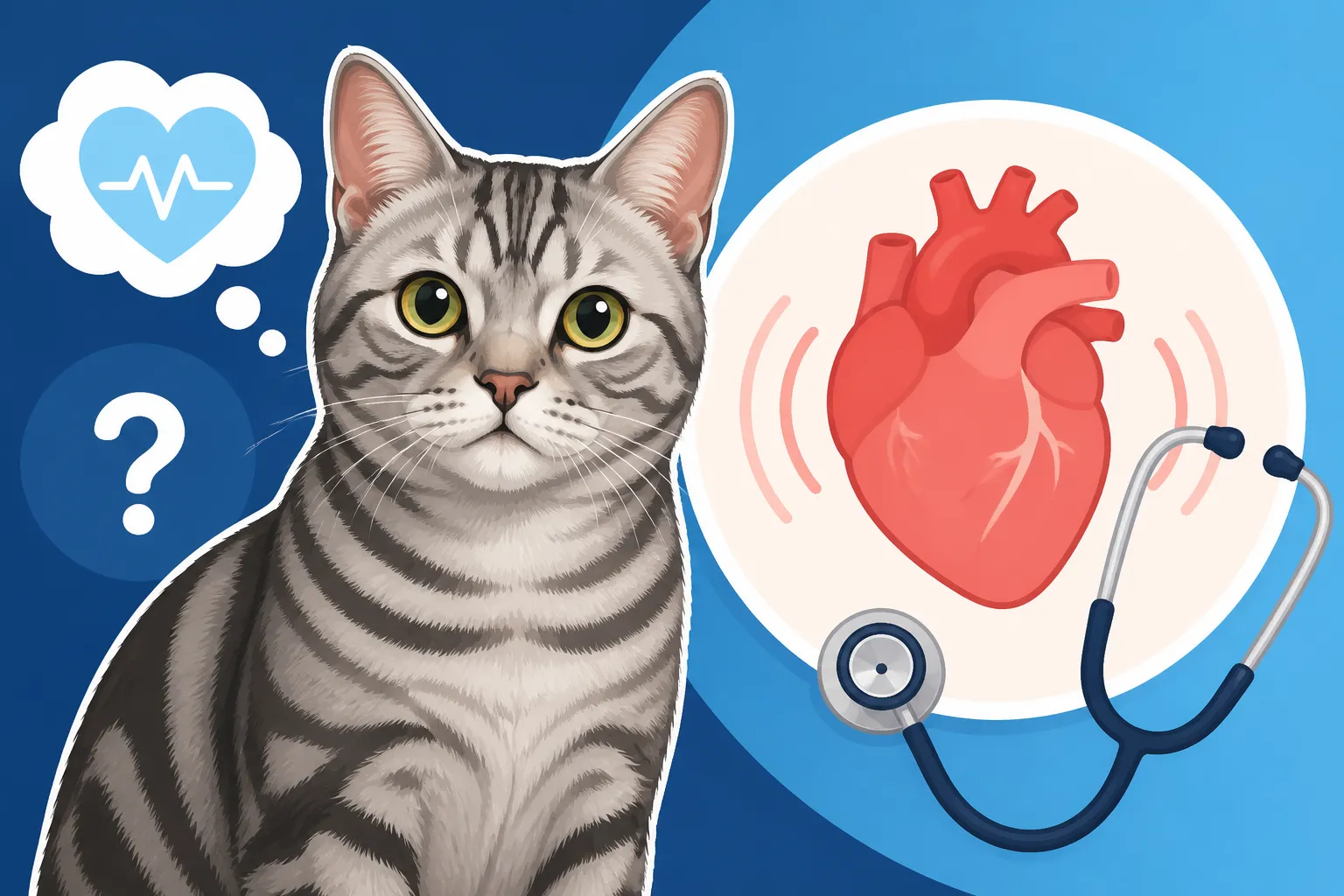
When a murmur is detected, especially in a breed like the American Shorthair where HCM is a known (albeit rare) concern, the gold standard for diagnosis is an echocardiogram (an ultrasound of the heart) performed by a veterinary cardiologist. While your regular vet is excellent for primary care, a cardiologist has specialized equipment and expertise to interpret the intricate details of heart structure and function. They can accurately measure heart chamber thickness, assess valve function, and detect any subtle abnormalities that might be missed on a general examination. This is precisely why an echo beats a gene test in an American Shorthair for definitive diagnosis of HCM.
During the echocardiogram, the cardiologist will be looking for specific signs of heart disease, such as the thickening of the left ventricular wall (the hallmark of HCM), enlargement of the left atrium, or abnormalities in valve movement. They can also assess blood flow patterns using Doppler technology, which directly helps in determining the cause of the murmur. A comprehensive cardiac workup might also include a blood pressure measurement, an electrocardiogram (ECG) to assess electrical activity, and sometimes blood tests like a proBNP, which can indicate cardiac stress. Many cat owners find comfort in knowing that pet insurance, such as a plan from Healthy Paws, can significantly assist with the costs associated with these specialized diagnostic tests.
Treatment and Monitoring Options
Once a diagnosis is made, whether it's a benign murmur or a more serious condition like HCM, your vet or cardiologist will discuss the appropriate course of action. If the murmur is deemed innocent, often no specific treatment is needed, but regular rechecks might be recommended to ensure no changes occur.
For pathological murmurs linked to HCM or other heart diseases, treatment focuses on managing symptoms and slowing the progression of the disease. This can involve various medications designed to relax the heart muscle, improve blood flow, prevent clot formation, or control heart rate. For instance, medications like beta-blockers, ACE inhibitors, or diuretics might be prescribed. It’s important to understand that there isn't a cure for HCM, but proactive management can significantly improve your cat's quality of life and potentially extend their lifespan. Your vet will also advise on lifestyle adjustments, such as diet changes or stress reduction strategies. Regular follow-up appointments, often involving repeat echocardiograms, will be crucial to monitor the condition's progression and adjust medication as needed. Knowing how a vet manages an American Shorthair with HCM can provide a clear roadmap for what lies ahead.
Long-Term Outlook: What a Murmur Means for Your American Shorthair's Future
When your American Shorthair has been diagnosed with a heart murmur, especially if it's found to be pathological, naturally you'll start wondering about their long-term prognosis and what their future will look like. It's a deeply emotional concern, but having a clear understanding of the outlook can help you prepare and provide the best care possible.
Prognosis Based on Murmur Type and Severity
The long-term outlook for your American Shorthair with a heart murmur depends heavily on whether the murmur is benign or pathological, and if pathological, the specific underlying condition and its severity. For innocent murmurs, the prognosis is excellent; these cats typically lead full, normal lives with no health complications related to their heart. They just happen to have a quirky heart sound!
If a pathological murmur is diagnosed, particularly one due to HCM, the prognosis becomes more variable. Cats with mild, stable HCM might live for many years with minimal or no symptoms, especially with appropriate management. The age an American Shorthair's heart starts to thicken and the rate of progression play significant roles. Some cats may have a slow-progressing form of the disease, while others may experience more rapid deterioration. What an American Shorthair shows before its heart fails can include lethargy, difficulty breathing, or even sudden collapse, so being vigilant for these signs is important. Regular veterinary check-ups and adherence to prescribed medications are key to maintaining their quality of life. Owners who have pet insurance through providers like Healthy Paws often find great relief in covering the ongoing costs of medication and monitoring for long-term conditions.
Living a Full Life with Heart Health Management
Despite a heart murmur diagnosis, many American Shorthairs can still lead happy, fulfilling lives. The goal of management is to minimize clinical signs, prevent complications, and maintain their comfort. This often means a partnership between you, your primary veterinarian, and a veterinary cardiologist. Adhering to medication schedules, monitoring for any changes in your cat's behavior or breathing, and ensuring they attend all follow-up appointments are vital.
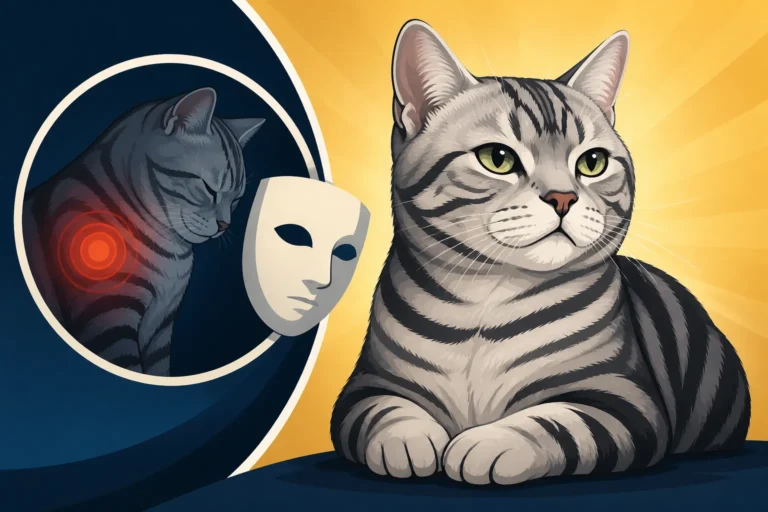
You'll also need to consider environmental factors. For example, reducing stress in the home can be beneficial, as stress can sometimes exacerbate heart conditions. Ensuring a consistent routine, providing quiet resting places, and avoiding sudden loud noises can all contribute to their well-being. Even minor adjustments can make a difference. While an outdoor American Shorthair hides heart failure longer due to their natural stoicism and activity levels, indoor cats might show subtle signs of fatigue or reduced play more readily. Be mindful of their weight, as obesity can put additional strain on the heart, and feed a high-quality diet appropriate for their needs. With dedicated care and proactive health management, your American Shorthair can continue to be the wonderful companion you know and love, even with a heart murmur.
| Murmur Grade | Description | Potential Clinical Significance | Typical Management |
|---|---|---|---|
| I | Very faint, intermittent | Often innocent, but warrants monitoring | Monitor, re-check in 3-6 months |
| II | Faint, consistently audible | Can be innocent or early pathological | Echocardiogram recommended |
| III | Moderate, easily audible | Likely pathological, requires investigation | Echocardiogram + full cardiac workup |
| IV | Loud, palpable thrill (vibration) | Clearly pathological, usually significant disease | Comprehensive cardiac workup, treatment plan |
| V | Very loud, thrill easily palpable | Severe pathological, often advanced disease | Intensive cardiac management |
| VI | Extremely loud, audible without stethoscope | Extremely severe, profound cardiac disease | Urgent cardiac intervention, palliative care |
Remember, this table is a general guide. A vet's assessment and an echocardiogram are always necessary for an accurate diagnosis and personalized treatment plan.
Disclaimer
The information provided in this article is for general informational purposes only and is not intended as a substitute for professional veterinary advice, diagnosis, or treatment. Always seek the advice of your veterinarian or other qualified animal health provider with any questions you may have regarding a medical condition or the health and welfare of your pet.