What a Full American Shorthair Panel Actually Screens For
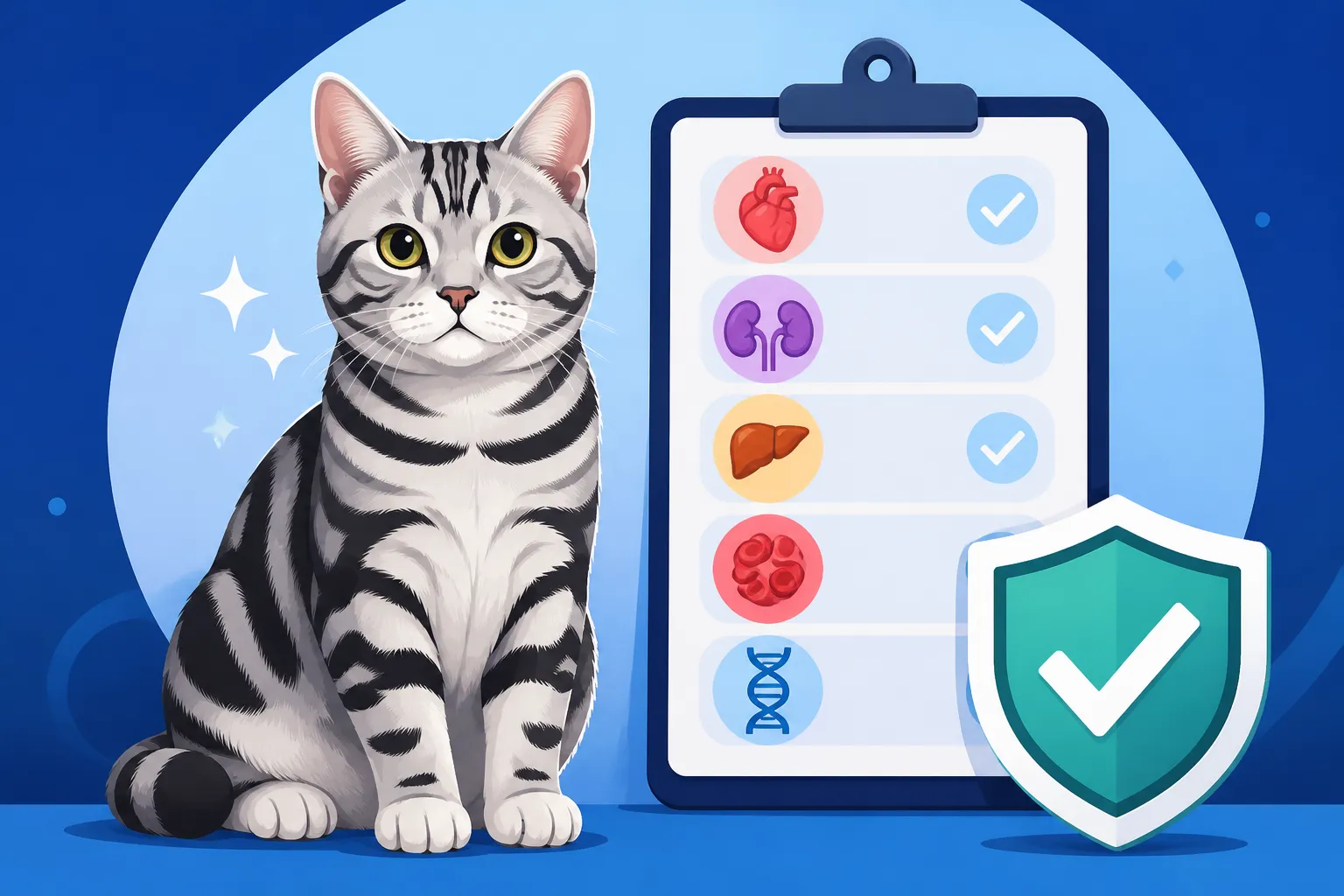
When you love your American Shorthair, it's completely natural to want to do everything in your power to keep them healthy and happy for as long as possible. Many of us, myself included, have walked into the vet's office wondering if there's a single "full panel" of tests that can just tell us everything we need to know. The reality, however, is a bit more nuanced than a simple checklist. This guide will walk you through what a truly comprehensive health assessment for your American Shorthair typically involves, breaking down the common misunderstandings and focusing on the specific screenings that truly matter for this wonderful breed.
Understanding the "Full Panel" Myth for American Shorthairs
It's easy to feel a little lost when it comes to veterinary jargon, and the term "full panel" can often lead to confusion. As pet parents, we often hope for one magical set of tests that will give us a complete health report card for our feline companions. The truth is, "full panel" isn't a universally defined battery of tests, but rather a flexible term that refers to different groupings of diagnostics depending on your cat's age, symptoms, and lifestyle.
Why a Single "Full Panel" Doesn't Exist
When you hear people talk about a "full panel" for their cat, they're usually referring to a comprehensive set of diagnostic tests tailored to a specific situation – perhaps a yearly wellness check, an investigation into a new symptom, or pre-surgical screening. It's not a static, one-size-fits-all menu. What might be considered a "full panel" for a young, seemingly healthy American Shorthair will look very different from the tests recommended for a senior cat with a new cough or a kitten with digestive issues.
Vets skillfully customize these panels based on what they observe during a physical exam, your answers to their questions, and specific risks associated with your cat's breed and environment. For instance, a cat that spends time outdoors might need more frequent parasite screenings than a strictly indoor cat, and an older cat will likely need different tests than a youngster to check for age-related conditions. This personalized approach is truly for the best, as it ensures your cat gets the most relevant and effective care without unnecessary procedures.
The American Shorthair's General Robust Health
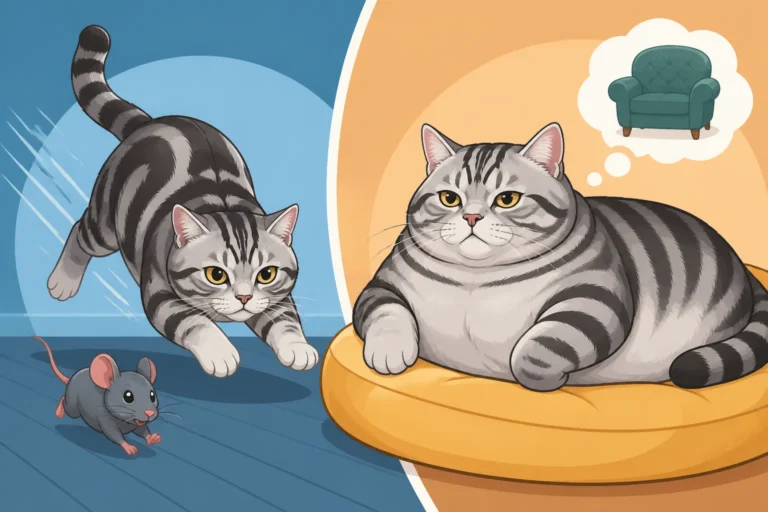
One of the most wonderful things about the American Shorthair is their generally robust health. Unlike some breeds that have been developed for extreme aesthetics, often leading to specific health challenges, the American Shorthair's lineage is rooted in natural selection. For centuries, these cats earned their keep as skilled mousers on farms and ships, meaning only the fittest and healthiest survived to pass on their genes. This history has given them a strong genetic foundation.
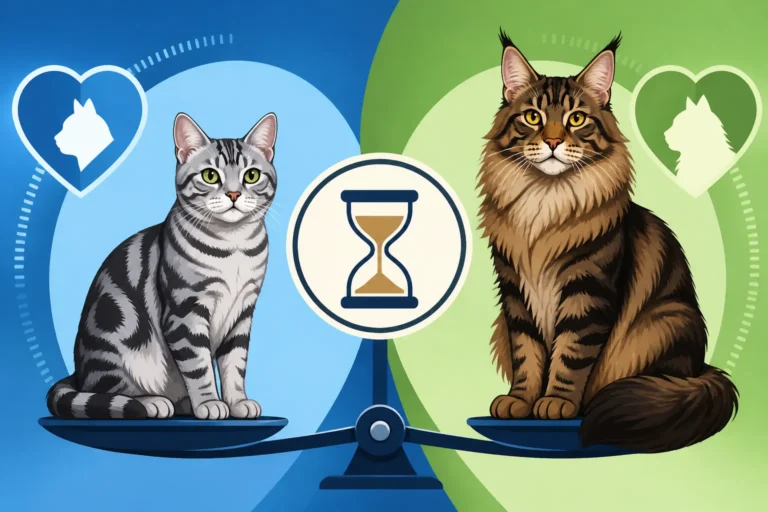
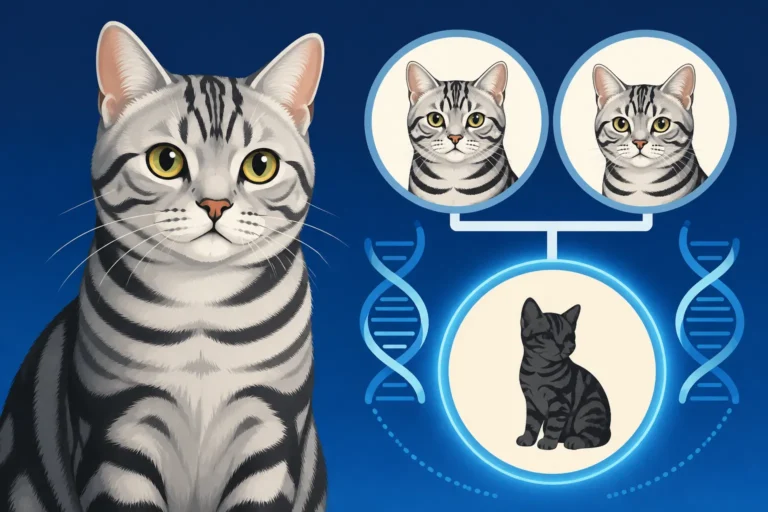
They are, in many ways, quite literally The American Shorthair Is the Control Group of Cat Breeding. This isn't to say American Shorthairs are immune to all health problems – no living creature is – but rather that they aren't predisposed to the lengthy list of inherited conditions that plague some other pedigreed cats. Their lack of "designer defects" means that routine preventative care, coupled with vigilance for common feline ailments, often goes a long way in ensuring a long and healthy life. This breed's history of function over form has truly gifted them with a resilient constitution.
Standard Wellness Panels: What Your Vet Does Screen For Routinely
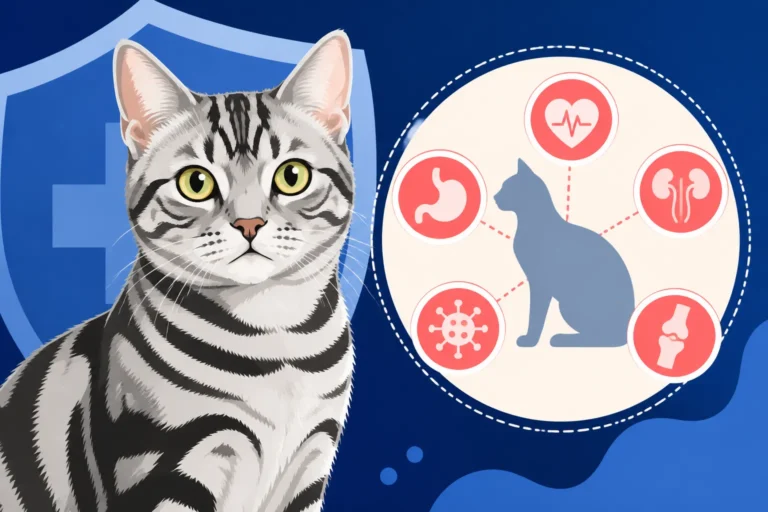
While there might not be one single "full panel," your veterinarian does have a set of standard wellness screenings they'll recommend regularly. These are the unsung heroes of preventative care, designed to catch potential issues early, often before you even notice any outward symptoms. Think of these as your cat's annual physical, delving deeper than just a quick glance.
Basic Bloodwork: Complete Blood Count (CBC) and Chemistry Panel
When your vet suggests bloodwork for your American Shorthair, they're typically referring to two main components: a Complete Blood Count (CBC) and a Chemistry Panel. These are incredibly powerful diagnostic tools that provide a snapshot of your cat's internal workings. They can reveal a surprising amount about what's happening beneath that beautiful, low-maintenance coat.
The Complete Blood Count (CBC) looks at the different types of cells in your cat's blood. It checks red blood cells, which carry oxygen, telling us if there's anemia or dehydration. It also evaluates white blood cells, which are crucial for the immune system, indicating the presence of infection, inflammation, or even certain types of cancer. Platelets, essential for blood clotting, are also counted. A CBC can be vital for catching subtle issues like chronic infections or early stages of some diseases that might not yet be causing obvious signs.
The Chemistry Panel, sometimes called a biochemical profile, measures various chemical components in the blood plasma. This is where your vet can assess organ function, particularly the kidneys and liver, which are vital for filtering toxins and processing nutrients. It also checks blood glucose levels, which are critical for detecting diabetes, and electrolytes, which indicate hydration status and overall balance in the body. For an American Shorthair, knowing these baseline values is incredibly important, as even minor shifts can signal developing problems that can be addressed proactively, often with simple dietary changes or medication.
Urinalysis: Peeking into Kidney and Urinary Tract Health
A simple urine sample might not seem like much, but a urinalysis offers a wealth of information about your American Shorthair's kidney function and overall urinary tract health. This is a non-invasive, yet incredibly telling, test that should be a regular part of your cat's preventative care, especially as they get older. Cats are notoriously good at hiding discomfort, and urinary issues can be particularly insidious.
During a urinalysis, the vet checks several things: the urine's concentration (specific gravity), which indicates how well the kidneys are concentrating waste; the pH level; and the presence of abnormal components like protein, glucose, blood, or crystals. They also look for bacteria, which would suggest a urinary tract infection. For male cats, in particular, urinary issues can become dangerous quickly due to their narrower urethras, making them more prone to blockages. This is why understanding Why a Male American Shorthair's Urethra Blocks First is so crucial, and why a urinalysis is an early warning system.
Catching even minor changes in urine composition can allow for early intervention. For example, detecting certain types of crystals can prompt dietary changes to prevent bladder stones from forming. Or, if kidney values on the blood panel are borderline, a dilute urine sample can confirm early kidney disease, allowing you to start supportive care much sooner and potentially extend your American Shorthair's healthy years.
Fecal Exam: Detecting Internal Parasites
Even the most fastidious indoor American Shorthair can be at risk for internal parasites, and for those who venture outdoors, the risk is significantly higher. A fecal exam is a crucial part of a comprehensive health screening, allowing your vet to check for worms and other microscopic parasites that can cause a range of issues from digestive upset to nutrient deficiencies.
During a fecal exam, a small sample of your cat's stool is examined under a microscope for parasite eggs or cysts. Common culprits include roundworms, hookworms, tapeworms, and protozoa like Giardia or Coccidia. Even if your American Shorthair doesn't show obvious signs like diarrhea or a pot-bellied appearance, they could still be carrying parasites that can impact their overall health and potentially be transmissible to other pets or even humans.
The frequency of fecal exams depends on your cat's lifestyle. For an indoor-only cat, once a year might suffice, but if your American Shorthair has outdoor access, your vet might recommend more frequent testing. This is particularly relevant when considering Whether an Outdoor American Shorthair Needs Regular Worming, as outdoor cats have continuous exposure to contaminated soil, prey, and other animals. Regular screening and appropriate deworming protocols keep your cat comfortable and prevent potential health complications from these unwelcome guests.
Specific Health Screenings for the American Shorthair (Beyond the Basics)
While the general wellness panels cover a lot of ground, there are a few specific health considerations for American Shorthairs that might warrant additional, targeted screenings. These are often breed-specific or lifestyle-driven, and discussing them with your vet ensures you're providing the most comprehensive care possible.
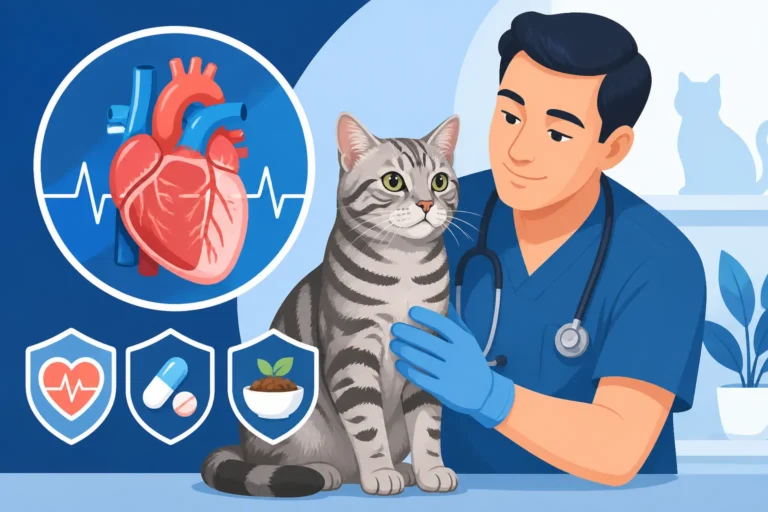
Heart Health: Hypertrophic Cardiomyopathy (HCM) Screening
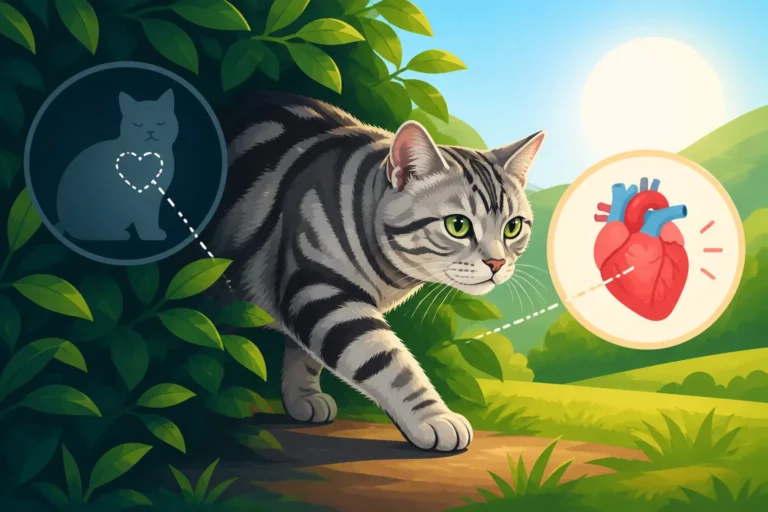
If there's one significant inherited health concern for the American Shorthair, it's Hypertrophic Cardiomyopathy, or HCM. This condition, which involves a thickening of the heart muscle, can silently progress for years before any symptoms appear. It's a cruel twist of fate that even such a naturally healthy breed can carry this particular predisposition. It truly is HCM Is the One Inherited Disease the American Shorthair Kept, making it the primary focus for specific breed screening.
The most effective way to screen for HCM is through an echocardiogram, a specialized ultrasound of the heart performed by a veterinary cardiologist. This allows them to visualize the heart muscle, measure its thickness, and assess blood flow. While a vet might hear a heart murmur during a routine physical exam, a murmur alone doesn't diagnose HCM, nor does its absence rule it out. An echo provides the definitive answer. For breeding American Shorthairs, annual echocardiograms are crucial to ensure they aren't passing on this condition. For pet American Shorthairs, especially as they age, periodic scans might be recommended if any suspicious signs arise or as a proactive measure for peace of mind. Regular heart checks are incredibly important for this breed, highlighting Why an American Shorthair Still Needs a Yearly Heart Scan.
Catching HCM early, even if there's no cure, allows for management strategies that can improve quality of life and potentially slow progression. This is where having robust pet insurance like Healthy Paws can truly make a difference, as specialized cardiac care and ongoing medications can be significant expenses.
Hip Dysplasia Considerations (Less Common, But Possible)
When we think of hip dysplasia, dogs usually come to mind. However, cats, especially those with a stocky, muscular build like the American Shorthair, can also be affected. While it's much less common than in some canine breeds, it's not unheard of, and its impact on a cat's mobility and comfort can be just as profound. The American Shorthair's broad, powerful frame, historically built for agile hunting and climbing, can sometimes predispose them to orthopedic issues. This is because Why a Broad Chested American Shorthair Puts Weight Through Its Hips.
Screening for hip dysplasia typically involves X-rays of the hips, usually performed under sedation to ensure optimal positioning and clear images. The vet will look for abnormalities in the hip joint, such as a shallow socket or a poorly fitting femoral head. If your American Shorthair starts to show signs of stiffness, reluctance to jump, or an unusual gait, especially as they get older, discussing hip X-rays with your vet is a wise step. Remember, American Shorthairs are incredibly stoic animals, often hiding pain until it becomes severe. This makes recognizing Why a Limp in a Stoic American Shorthair Is Never Minor incredibly important, and a reason to investigate thoroughly.
Early diagnosis of hip dysplasia can lead to management strategies such as weight control, joint supplements, and anti-inflammatory medications, all aimed at maintaining comfort and mobility. Again, this is an area where comprehensive pet insurance like Healthy Paws can be invaluable, helping to cover diagnostic imaging and long-term care for chronic conditions.
Infectious Disease Testing (FIV/FeLV)
Feline Immunodeficiency Virus (FIV) and Feline Leukemia Virus (FeLV) are serious infectious diseases that can significantly impact a cat's health and lifespan. Testing for these retroviruses is an important part of a comprehensive health panel, particularly for certain groups of American Shorthairs. While indoor cats have a lower risk, it’s not zero.
FIV and FeLV testing involves a simple blood test that can detect the presence of antibodies (for FIV) or antigens (for FeLV), indicating exposure or infection. This test is usually recommended for kittens, cats with unknown histories (such as rescues), or any cat that has had potential exposure, particularly through cat fights or living with an infected animal. For outdoor American Shorthairs, this testing becomes even more critical due to their increased risk of encountering other cats. Understanding Whether an Outdoor American Shorthair Should Be FIV Tested and Whether an Outdoor American Shorthair Needs the FeLV Vaccine is vital for owners of free-roaming cats, as these diseases are typically spread through bite wounds or prolonged close contact.
A positive result for either virus has significant implications for your cat's health and the health of any other cats in your household. While there's no cure for these viruses, early diagnosis allows for careful monitoring, supportive care, and measures to prevent transmission to other felines. Knowing their status helps you and your vet make informed decisions about future care, vaccinations, and household management. Again, Healthy Paws pet insurance may provide coverage for conditions related to these diagnoses, offering peace of mind during a challenging time.
The Role of Age and Lifestyle in Panel Recommendations
The concept of a "full panel" isn't just about what can be tested, but what should be tested, and that changes dramatically throughout your American Shorthair's life. Their journey from a playful kitten to a wise senior requires evolving healthcare strategies and, consequently, different diagnostic approaches.
Kitten Panels: Setting the Foundation
Bringing home an American Shorthair kitten is an exciting time, and those first few vet visits are crucial for setting them up for a healthy life. The "panel" for a kitten focuses on ensuring a strong start. This typically includes a thorough physical examination to check for any congenital abnormalities, listening to their heart and lungs, and palpating their abdomen.
Beyond the physical, a kitten panel will almost certainly involve fecal exams to detect and treat common parasites often passed from the mother. Regular deworming will be part of the protocol. FIV/FeLV testing is often recommended for kittens, especially those from multi-cat households or unknown backgrounds, to ensure they are negative before being introduced to other pets. Of course, this initial period is also when their vaccination series begins, protecting them against common feline diseases. An early vet check for an American Shorthair kitten is not just about shots; it's about establishing a baseline and catching any early issues that could impact their long-term development. This foundational care is why Whether an American Shorthair Kitten Needs an Early Vet Check is such an important first step.
Adult Wellness: Annual Check-ups and Monitoring Baselines
For healthy adult American Shorthairs, annual wellness check-ups form the cornerstone of preventative care. While your cat might seem perfectly fine, these yearly visits are where your vet can identify subtle changes that you might not notice at home. The "panel" for an adult cat often includes the basic bloodwork (CBC and chemistry), urinalysis, and fecal exam discussed earlier.
The real power of these annual screenings lies in establishing a baseline. Your vet keeps records of your cat's weight, blood values, and other metrics year after year. This allows them to spot trends – a slight increase in kidney values over two years, a gradual weight gain, or a minor change in heart rhythm. These small deviations, when caught early, can prevent major health crises down the line. It's about proactive monitoring, not just reactive treatment. Even for a generally healthy breed, How Regularly a Healthy American Shorthair Still Needs Checking can truly add years to their life by catching things while they're still easily manageable. These visits are also crucial for dental health assessments, as oral disease can be a silent instigator of other systemic problems.
Senior Cat Panels: Proactive Care for Longer Lives
As your American Shorthair enters their golden years (typically around 8-10 years of age, though some consider them senior later, especially healthy individuals), the recommended "panel" shifts to focus on age-related conditions. Just like with humans, older cats are more prone to certain ailments, and proactive screening becomes even more critical. Caring for an American Shorthair Past Twelve truly requires a different mindset and a more vigilant approach to health.
For senior American Shorthairs, regular bloodwork and urinalysis might be recommended every six months instead of annually, as kidney and liver function can decline with age. Additional tests often include thyroid screening, as hyperthyroidism is common in older cats, and blood pressure checks to detect hypertension, which can affect kidneys, heart, and eyes. Monitoring for joint pain and mobility issues also becomes paramount, as arthritis can creep up, causing stiffness that a stoic American Shorthair might hide well. This is often Why an Old American Shorthair Slows Before It Limps, as they become less active before they visibly limp.
The goal of senior panels is to detect conditions like chronic kidney disease, hyperthyroidism, diabetes, and arthritis in their earliest stages, allowing for interventions that can significantly improve your cat's comfort and extend their healthy lifespan. This proactive approach ensures that their twilight years are as comfortable and joyful as possible, and having comprehensive pet insurance like Healthy Paws can certainly help manage the increased veterinary care costs associated with senior cats.
Working With Your Vet to Create a Tailored Health Plan
Navigating your American Shorthair's health journey is a partnership between you and your veterinarian. While it might seem daunting to understand all the tests and recommendations, open communication and a clear understanding of your options are key to making the best decisions for your beloved companion.
Communication is Key: Discussing Your Cat's Specific Needs
Never underestimate the power of good communication with your vet. You know your American Shorthair better than anyone – their quirks, their habits, any subtle changes in behavior or appetite. Share everything with your vet, even if it seems insignificant. Did they recently start drinking more water? Are they less enthusiastic about playtime? Have they been grooming less effectively? These observations are vital clues that can help your vet tailor their examination and recommend the most appropriate "panel" of tests.
Don't be afraid to ask questions. If your vet recommends a particular test, ask why it's necessary, what it screens for, and what the potential outcomes could mean for your cat. A good vet will be happy to explain everything in plain language, empowering you to make informed decisions. This collaborative approach ensures that the health plan is truly personalized for your American Shorthair's unique needs, lifestyle, and your concerns as their primary caregiver.
Prioritizing Screenings: Balancing Thoroughness and Budget
Let's be real: veterinary care can be expensive, and the idea of a "full panel" can bring up concerns about the cost. It's a frustration many pet owners face, feeling like they have to choose between their pet's health and their financial comfort. This is where prioritizing screenings and discussing your budget openly with your vet becomes crucial. You don't always have to do every test suggested all at once, especially if your cat appears healthy.
Your vet can help you understand which tests are most critical based on your cat's age, risk factors, and any symptoms they might be showing. For instance, if you have a young, healthy indoor American Shorthair, annual basic bloodwork and urinalysis might be the priority, while an HCM screening could be considered every few years unless a murmur is detected. For a senior cat, more frequent bloodwork and thyroid checks might take precedence. Don't hesitate to ask for a breakdown of costs for recommended tests and discuss payment options or phased testing.
This is also where pet insurance, like a comprehensive plan from Healthy Paws, can be an absolute game-changer. It helps mitigate the financial stress when those unexpected or more extensive diagnostic panels are needed, allowing you to focus on your cat's well-being rather than the bill. Investing in insurance early on can make a significant difference over your American Shorthair's long life, ensuring you can say "yes" to the necessary tests and treatments without hesitation, even when a purebred American Shorthair is usually a more affordable breed to insure compared to more fragile pedigrees. This factor is often Why an American Shorthair Costs a Vet Less Than a Persian, and why Whether Insurers Price the American Shorthair Low.
Disclaimer
This article is for general informational purposes only and does not constitute professional advice. Laws, prices and regulations vary by location and change over time. Consult a qualified professional for guidance on your specific situation.