How the American Shorthair’s Lifespan Compares to a Maine Coon’s
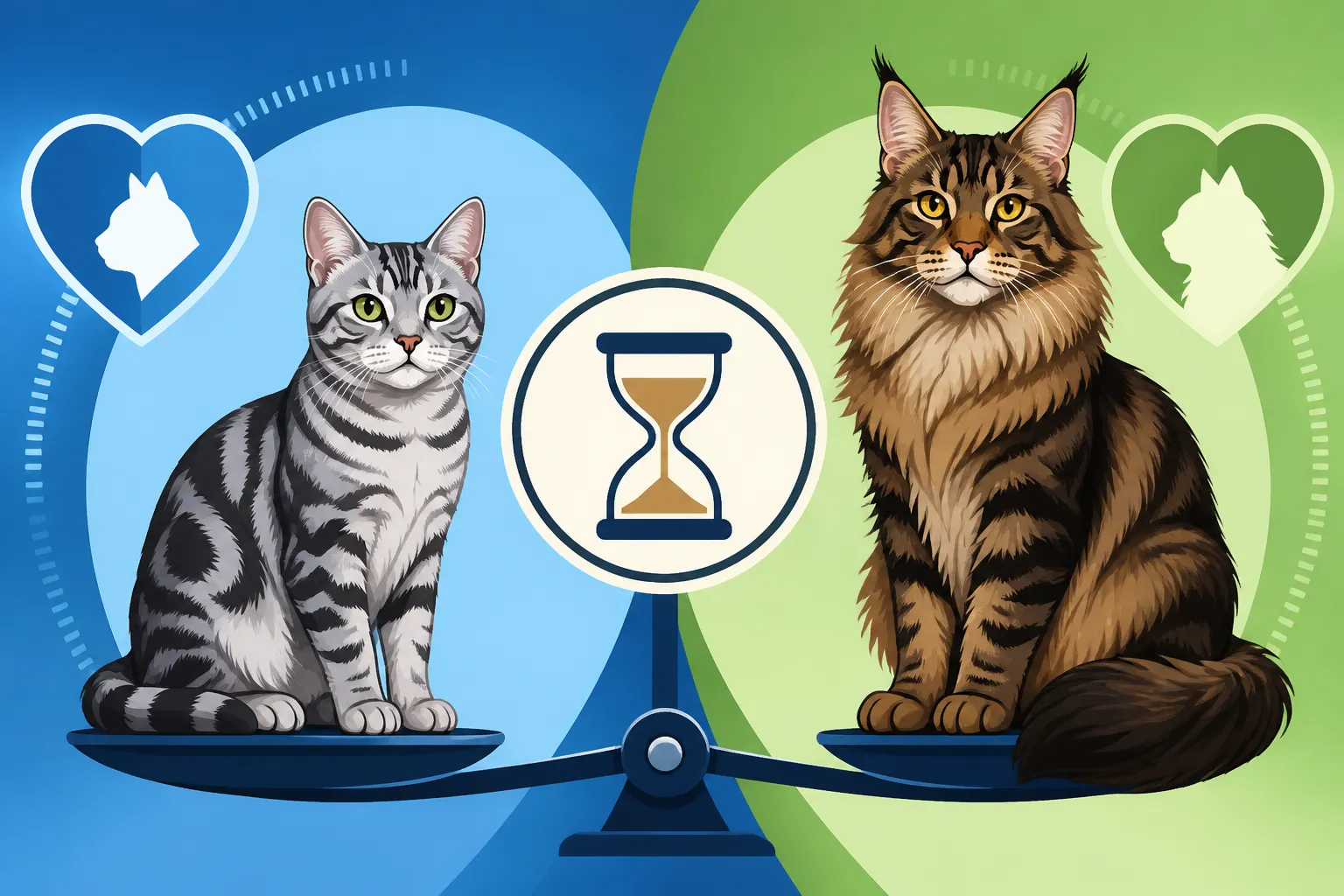
It's a common thought for cat lovers: "How long can I expect my beloved companion to be by my side?" When you're looking at breeds like the sturdy American Shorthair and the majestic Maine Coon, both cherished for their unique qualities, it's natural to wonder how their lifespans stack up against each other. This guide will dive deep into the longevity of these two popular breeds, exploring the genetic, lifestyle, and care factors that influence how many precious years you get to share with them.
Understanding Average Lifespans for Both Breeds
When you bring a cat into your home, you're signing up for a long-term commitment, and knowing what to expect regarding their lifespan can help you plan for their future care. Both the American Shorthair and the Maine Coon are generally considered robust breeds, but there are subtle differences in their typical longevity that are worth exploring.
The Sturdy American Shorthair's Longevity
The American Shorthair is often hailed as the "control group of cat breeding" due to its historically natural development and minimal selective breeding for extreme traits. This natural resilience has contributed to a reputation for excellent health and a decent lifespan. On average, you can expect an American Shorthair to live anywhere from 15 to 20 years, with many happily reaching the higher end of that spectrum, especially with proper care. Some even make it to their early twenties, which is truly a testament to their inherent hardiness.
This breed’s robust nature stems from its working-class ancestors, who needed to be tough and self-sufficient to survive harsh conditions and earn their keep as mousers on farms and ships. This history means they weren't selectively bred for delicate features or exaggerated traits that often come with health compromises. Instead, natural selection favored strength, agility, and a strong immune system. When you factor in good nutrition, regular veterinary check-ups, and a loving indoor environment, these cats truly thrive and live long, fulfilling lives. It’s no wonder they are often used as a health benchmark in the feline world.
The Gentle Giant Maine Coon's Lifespan
The Maine Coon, with its striking size and shaggy coat, captures hearts instantly. As one of the largest domesticated cat breeds, many people assume their larger stature might equate to a shorter lifespan, but that's not necessarily the case. Maine Coons typically live between 10 to 15 years, though some can certainly reach 16 or 17 years with exceptional care. While this average might appear slightly shorter than the American Shorthair's, it's important to remember that these are just averages, and individual health, genetics, and environment play a massive role.
Maine Coons are known for their sweet, gentle dispositions, often referred to as "gentle giants." Their impressive size means they mature more slowly than other breeds, sometimes not reaching their full physical development until they are three to five years old. This extended growth period requires careful nutritional support in their early years. Despite their imposing size, they are generally a healthy breed, though they do have some genetic predispositions that owners need to be aware of, which can influence their overall longevity.
Major Health Concerns Impacting Longevity
While both breeds are generally healthy, no cat is entirely immune to health issues. Understanding the common ailments that can affect each breed is crucial for proactive care and can significantly impact their longevity. It's often the diligent owner, armed with knowledge, who can help mitigate risks and ensure their cat lives its fullest life.
Heart Health: HCM in Maine Coons vs. American Shorthairs
One of the most significant health concerns for Maine Coons is Hypertrophic Cardiomyopathy (HCM), a genetic heart condition where the heart muscle thickens, making it harder for the heart to pump blood effectively. This is a progressive disease that can lead to heart failure, blood clots, and sudden death. It's a particularly frustrating issue for Maine Coon owners, as it can often go unnoticed until it's quite advanced, or manifest suddenly in seemingly healthy cats. Responsible Maine Coon breeders will screen their breeding cats for HCM using echocardiograms, and there's also a DNA test available for a specific mutation common in the breed, though it doesn't cover all possible genetic causes.
In contrast, while HCM can occur in any cat breed, including the American Shorthair, it is not considered a prevalent breed-specific genetic issue for them in the way it is for Maine Coons. The American Shorthair's wider and more naturally developed gene pool means that inherited diseases like HCM are much rarer. This doesn't mean an American Shorthair is completely immune; any cat can develop heart disease. However, the genetic predisposition is significantly lower. This is one of the key reasons why the American Shorthair is so robust, but an American Shorthair still needs a yearly heart scan as part of routine preventative care.
Joint and Mobility Issues
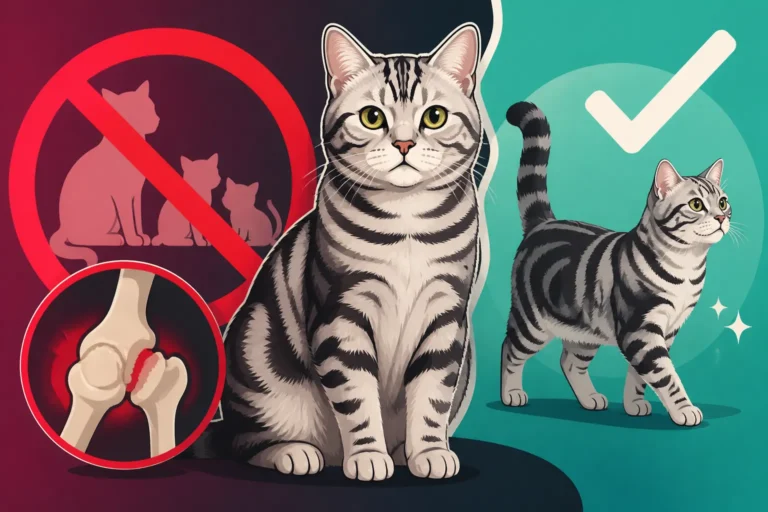
Given their substantial size and powerful build, both American Shorthairs and Maine Coons can be prone to certain orthopedic issues, though they manifest differently. Maine Coons, due to their sheer weight and rapid growth, are more susceptible to hip dysplasia. This condition occurs when the hip joint doesn't form properly, leading to instability, pain, and eventually arthritis. It's a common ailment in large dog breeds, but it's also seen in larger cat breeds like the Maine Coon. Reputable breeders often screen their breeding cats for hip dysplasia through X-rays to try and reduce its incidence in kittens.
American Shorthairs, while not as prone to severe hip dysplasia as Maine Coons, can also experience joint issues, especially as they age or if they become overweight. Their naturally muscular and stocky build, which once served them well for hunting, can put extra strain on their joints over time. This is why a stocky build costs an American Shorthair its hips if not managed carefully with weight control and appropriate exercise. Both breeds, particularly as they enter their senior years, can benefit from joint supplements and veterinary attention if they start showing signs of stiffness or reluctance to jump, which can be an early indicator of discomfort.
The Role of Lifestyle and Environment
Beyond genetics and breed-specific predispositions, the daily life and environment you provide for your cat are absolutely paramount in determining their lifespan. From their diet to their activity levels and even the stresses they face, every element contributes to their overall health and longevity.
Diet and Weight Management
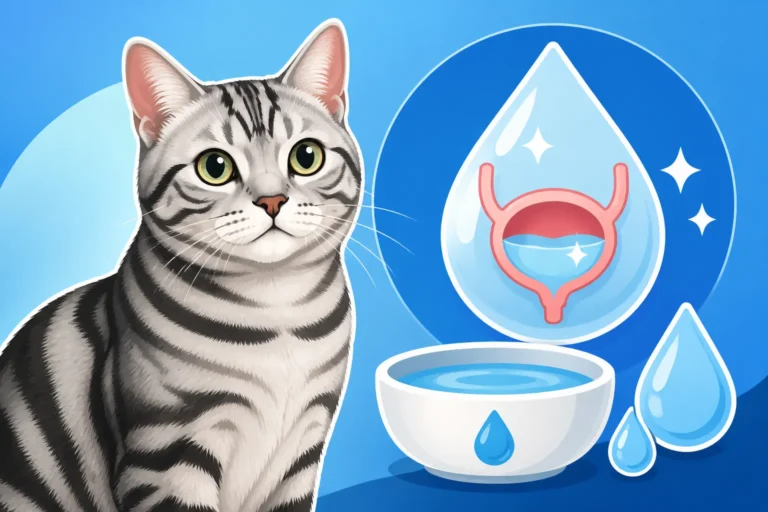
One of the biggest silent threats to a cat's longevity, regardless of breed, is obesity. However, it's particularly relevant for the American Shorthair, a breed whose ancestors were lean, active hunters. When their primary job of mousing ended and they transitioned to indoor companion animals, their strong appetite often remained, leading to a propensity for weight gain. An overweight American Shorthair is at higher risk for diabetes, joint problems, and fatty liver disease, all of which can significantly shorten their life. It's truly a case where obesity is what ending the American Shorthair's job cost it. Careful portion control and a diet rich in protein are essential.
Maine Coons, being large cats, also require careful attention to their diet. While they need sufficient calories to support their size and muscle mass, overfeeding can quickly lead to excess weight. High-quality cat food that is appropriate for their life stage and activity level is critical. Both breeds benefit immensely from interactive feeding strategies, such as puzzle feeders, which encourage them to "work" for their food, mimicking their natural hunting instincts and slowing down their eating. Regular monitoring of their body condition score is far more important than just the number on the scale, as their individual frames can vary.
Indoor vs. Outdoor Living Risks
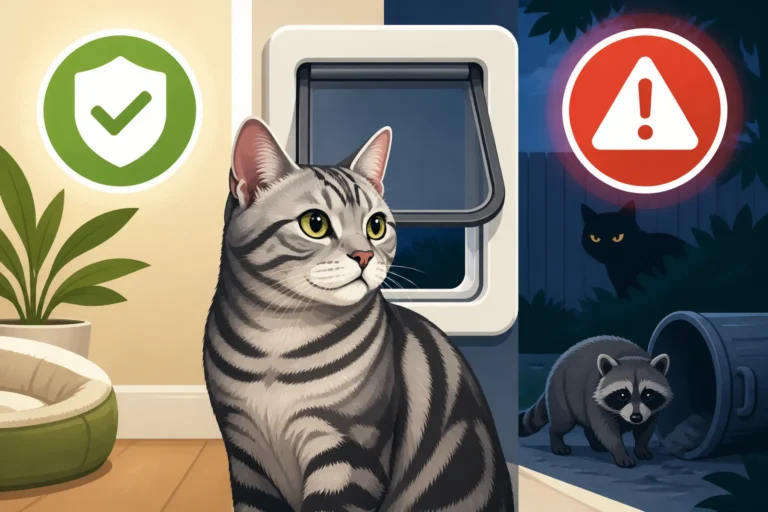
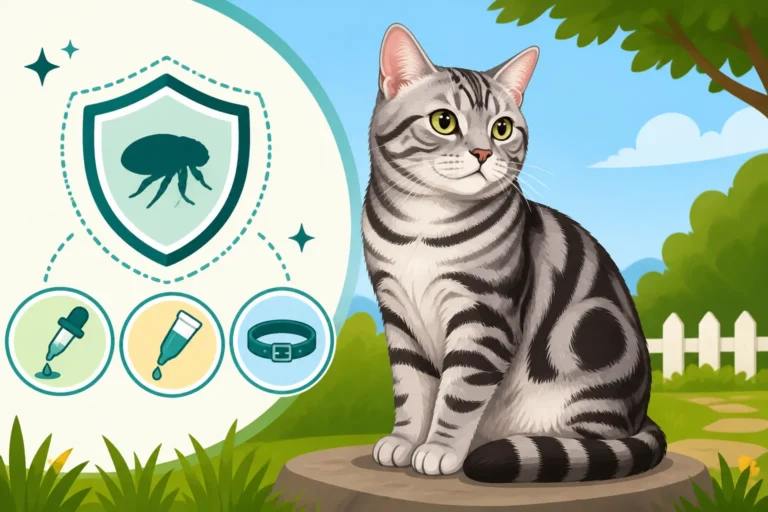
For both the American Shorthair and the Maine Coon, an indoor-only lifestyle almost invariably leads to a longer and safer life. While their natural instincts might tempt them to explore the great outdoors, the dangers lurking outside are numerous and severe. These include road traffic accidents, fights with other animals leading to injuries and abscesses, exposure to parasites like fleas and ticks, and infectious diseases such as Feline Leukemia Virus (FeLV) and Feline Immunodeficiency Virus (FIV).
An American Shorthair, with its historical independence and hunting prowess, might seem like a natural fit for outdoor life, but the risks an outdoor American Shorthair takes that an indoor one does not are stark. Similarly, a Maine Coon, despite its size, is not immune to these perils. Confining your cat to a safe, enriching indoor environment, perhaps with access to a secure catio, protects them from countless hazards. This is particularly important for breeds like these, where medical care for outdoor-related injuries or diseases can be expensive and distressing. Investing in pet insurance like Healthy Paws can certainly help mitigate those unexpected veterinary bills, regardless of whether your cat is an indoor or outdoor adventurer, but prevention is always the best medicine.
| Factor | American Shorthair (Avg. 15-20 years) | Maine Coon (Avg. 10-15 years) |
|---|---|---|
| Genetic HCM | Low breed-specific predisposition, but can occur. | Significant breed-specific predisposition, requiring regular screening and careful breeding. |
| Hip Dysplasia | Lower risk compared to Maine Coons, but can develop with age or obesity due to stocky build. | Higher risk due to large size and rapid growth; genetic screening important. |
| Obesity Risk | High, especially with sedentary indoor life; strong appetite from working ancestors. | Moderate, though large size requires careful portion control to prevent excess weight. |
| Dental Issues | Common, as with all cats, often unnoticed until severe. | Common, as with all cats, potentially exacerbated by diet or genetics. |
| Vet Costs | Generally lower due to fewer breed-specific genetic issues. Insurers like Healthy Paws often price policies lower. | Potentially higher due to HCM screening, hip X-rays, and managing related conditions. |
| Care Needs | Regular grooming (minimal), portion control, environmental enrichment to satisfy hunting instincts. | Regular grooming (long coat), portion control, environmental enrichment, proactive health screening. |
Proactive Healthcare and Senior Care
The journey through a cat's life is dynamic, and their healthcare needs evolve with age. Proactive veterinary care from kittenhood through their senior years is perhaps the single most important factor in maximizing the lifespan of both American Shorthairs and Maine Coons.
Regular Veterinary Check-ups and Screenings
For both breeds, annual veterinary check-ups are non-negotiable, especially as they get older. These visits are not just for vaccinations but are critical opportunities for your vet to perform a thorough physical examination, check weight, listen to the heart, palpate the abdomen, and discuss any changes in behavior or habits you might have noticed. Early detection of issues like dental disease, kidney problems, or even subtle signs of heart disease can make a world of difference in managing conditions and extending a cat's healthy years. This is especially true for Maine Coons and their propensity for HCM, where regular echocardiograms are recommended to monitor heart health.
For American Shorthairs, while they might have fewer breed-specific concerns, regular check-ups help catch common feline ailments. Think about things like gum disease; it's the American Shorthair's quietest problem, often going unnoticed until it's quite advanced and requires expensive extractions. Bloodwork and urinalysis, especially for cats over seven years old, become invaluable tools for catching conditions like kidney disease or hyperthyroidism in their early, more manageable stages. Companies like Healthy Paws can provide peace of mind by helping cover the costs of these diagnostic tests and subsequent treatments, making comprehensive care more accessible.
Caring for an Aging Feline
As both American Shorthairs and Maine Coons approach their golden years, typically around age 10-12 for Maine Coons and 12-14 for American Shorthairs, their needs will shift. Caring for an American Shorthair past twelve, for instance, involves more than just keeping their food bowl full. It means paying closer attention to subtle changes in mobility, appetite, water intake, and litter box habits. Older cats, particularly the stoic American Shorthair, are masters at hiding pain or discomfort, so a limp is never minor and warrants a vet visit.
Senior care often includes dietary adjustments to support aging organs and joints, potentially moving to a senior-specific food formula. Environmental modifications, such as ramps for accessing favorite high spots or softer bedding, can greatly improve their quality of life. Regular dental care becomes even more critical as they age, as teeth can deteriorate rapidly. For a breed like the American Shorthair, which typically lives long, understanding how many dentals an American Shorthair needs in twenty years highlights the importance of consistent oral hygiene throughout their life. Your vet can guide you on pain management strategies, joint supplements, and other interventions that can keep your aging companion comfortable and active for as long as possible.
Beyond the Averages: Individual Factors
While breed averages and general health predispositions provide a useful framework, it's vital to remember that every cat is an individual. Many factors unique to your specific feline friend will influence their actual lifespan.
Genetic Diversity and Responsible Breeding
The lineage of your cat plays a monumental role. A kitten from a reputable breeder who screens their cats for genetic diseases and prioritizes health and temperament will generally have a better chance at a long, healthy life. For Maine Coons, this means breeders testing for HCM and hip dysplasia. For American Shorthairs, it means ensuring a broad gene pool and maintaining the breed's natural health, avoiding any trends towards extreme physical traits.
Unfortunately, not all breeders are created equal, and some "backyard breeders" or those driven solely by profit might not perform these crucial health screenings. This can lead to kittens with inherent health vulnerabilities that only manifest later in life, sometimes after you've already formed a deep bond. Understanding what an American Shorthair breeder should have screened can empower prospective owners to make informed choices. Even if you adopt a cat of unknown origin, providing the best possible care from day one can counteract some genetic predispositions.
Environmental Enrichment and Stress Reduction
A cat's mental and emotional well-being are just as important as their physical health for a long life. Both American Shorthairs and Maine Coons are intelligent, active breeds that need mental stimulation and environmental enrichment. An American Shorthair still hunts, whether you want it to or not, so providing toys that simulate prey, regular play sessions, and vertical climbing spaces are essential for their happiness and physical fitness. A bored or stressed cat can develop behavioral issues, overgroom, or even suppress their immune system, making them more susceptible to illness.
Maine Coons, with their playful and curious nature, also thrive in an enriched environment. They love to climb, explore, and interact with their human companions. Providing tall cat trees, scratching posts, and engaging toys is crucial. A stable, predictable home environment, free from excessive noise or constant changes, also contributes significantly to a cat's sense of security and reduces stress. Think about how a territorial American Shorthair rebuilds a patrol route when it moves to a new home; minimizing such stressors helps them feel safe and promotes long-term health.
Disclaimer
The information provided in this article is for general informational purposes only and does not constitute veterinary advice. Always consult with a qualified veterinarian for any health concerns or before making any decisions about your pet's care. Individual cat lifespans and health conditions can vary widely.