Why an Outdoor American Shorthair Hides Heart Failure Longer
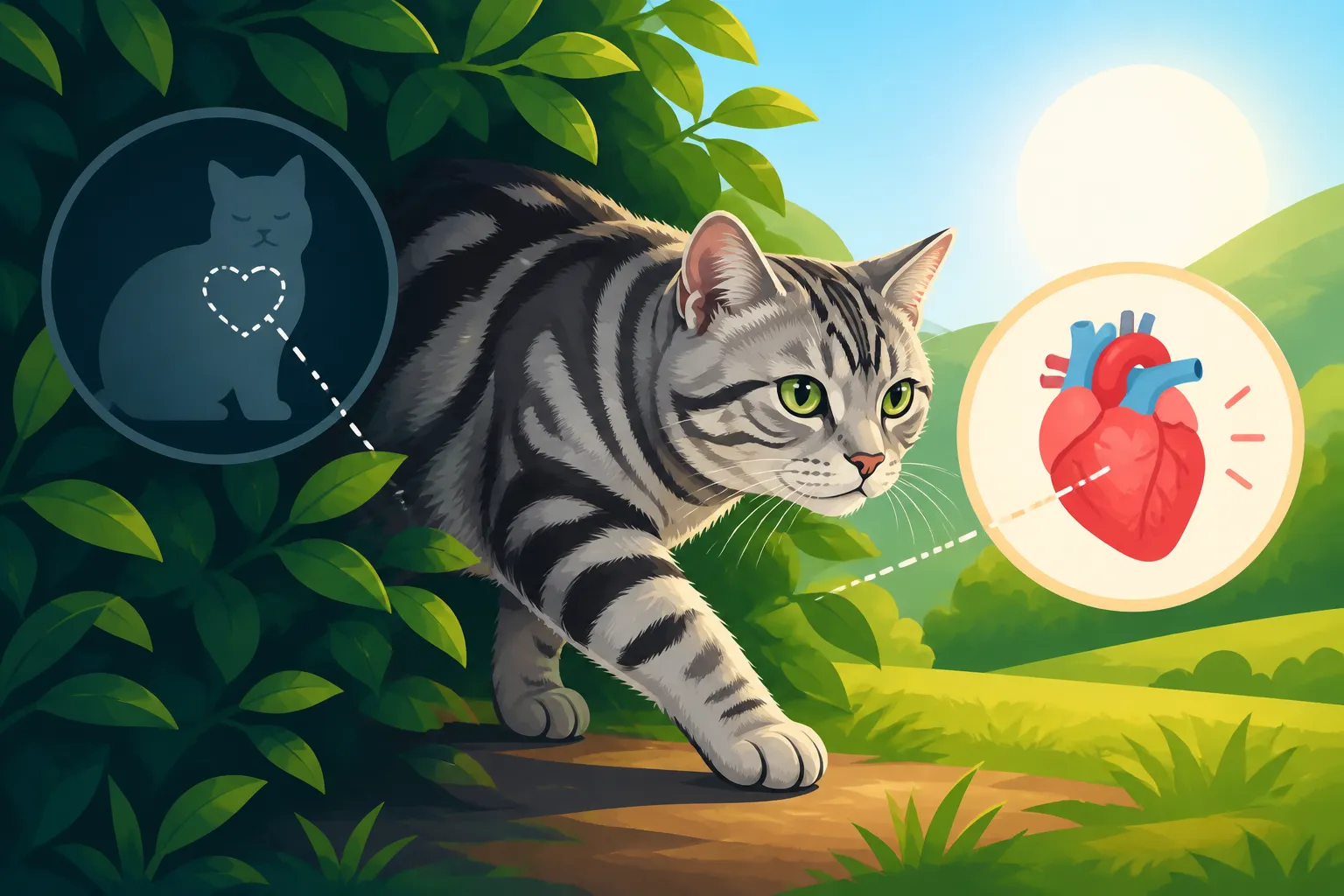
It’s a heartbreaking reality for many cat owners: you cherish your outdoor American Shorthair, admiring their independence and zest for exploration, only to discover a serious health issue like heart failure far later than you would have with an indoor companion. This delay in detection isn't a reflection of your care, but often a cruel consequence of their hardy nature and the demanding environment they navigate daily. This guide will delve into the specific reasons why an outdoor American Shorthair is particularly adept at masking the subtle, and often life-threatening, signs of heart disease, helping you understand what to look for even when they seem perfectly fine.
The Stoic Nature of the American Shorthair and Outdoor Survival
American Shorthairs are renowned for their robust health, calm demeanor, and incredible adaptability. These are traits that served their ancestors well as working cats, clearing rodents from ships and farms across the American continent. They are, by their very heritage, survivors. But this ingrained hardiness, combined with the pressures of an outdoor existence, can inadvertently lead to them becoming masters of disguise when it comes to illness, especially something as insidious as heart failure.
Inherited Resilience and Instinct to Conceal Weakness
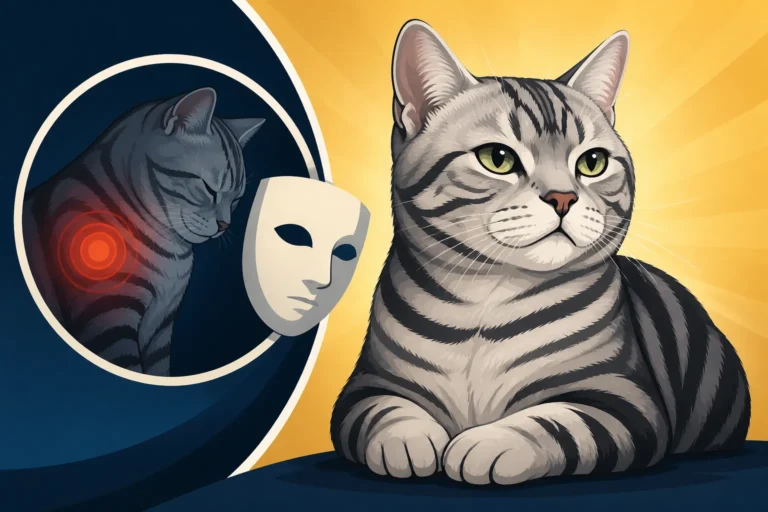
Generations of natural selection have sculpted the American Shorthair into a cat that doesn't easily show discomfort. Unlike some more delicate breeds, the American Shorthair has always been about function over fragility. This means they often possess a higher pain tolerance and a strong instinct to hide any vulnerabilities. In the wild, or even in a less-sheltered outdoor environment, showing weakness makes an animal a target for predators or a rival for resources. A cat that appears sick or injured is at a distinct disadvantage. This deeply embedded survival instinct means an American Shorthair with early-stage heart failure will often push through symptoms, maintaining an outward appearance of normalcy for as long as possible. They might be struggling internally, but their ancient programming tells them to act strong, to continue their patrols, and to hunt. This stoicism, while admirable, can be incredibly detrimental when trying to identify a progressive disease.
High Activity Levels Masking Early Symptoms
An outdoor American Shorthair lives a far more physically demanding life than its indoor counterpart. Their days are filled with patrolling territory, climbing trees, chasing prey, and sometimes engaging in skirmishes with other cats. This constant activity builds and maintains strong muscles and cardiovascular fitness. When heart disease begins to develop, one of the earliest signs is often a subtle reduction in exercise tolerance or an increase in lethargy. However, for an outdoor cat, "reduced activity" might still mean they are more active than many indoor cats on their best day.
Think about it: an indoor cat might go from zooming around the house to napping more, and you'd notice. An outdoor American Shorthair, on the other hand, might just shorten its hunting expeditions, patrol a slightly smaller area, or come home for rest a little earlier. These subtle shifts can easily be attributed to normal variations in their day, or even just a particularly good nap, rather than a serious underlying health issue. The sheer volume of their usual activity acts like a buffer, absorbing and concealing the initial dips in energy that would be glaringly obvious in a less active pet. This makes it incredibly difficult to pinpoint the moment when their usual vigorous pace begins to falter due to a weakening heart.
The Challenges of Observation in an Outdoor Environment
Even the most vigilant cat owner faces an uphill battle when monitoring an outdoor American Shorthair for subtle health changes. The very nature of their outdoor lifestyle creates numerous barriers to consistent observation, allowing progressive conditions like heart failure to advance unnoticed for extended periods.
Reduced Face-Time and Missed Cues
One of the most significant reasons outdoor cats hide illness longer is simple: you don't see them as much, or as closely, as you do an indoor cat. An indoor American Shorthair is often under your watchful eye for hours each day. You notice their breathing patterns as they sleep on the sofa, their enthusiasm (or lack thereof) for their breakfast, and any changes in their litter box habits. You might even hear a subtle cough or notice them sitting strangely.
An outdoor cat, however, might only be present in your home for brief periods—to eat, nap, or seek affection. During these times, they may be consciously or subconsciously putting on a brave face. The fleeting nature of your interactions means that subtle cues, like a slight increase in respiratory rate while resting, a diminished purr, or a slight reluctance to jump, are easily overlooked. You might simply be thrilled to see them return safe and sound, not realizing the careful assessment an indoor cat receives. This reduced "face-time" inherently limits the opportunities for an owner to pick up on the nuanced behavioral and physical changes that signal internal distress. This is often where conditions like What an American Shorthair Shows Before Its Heart Fails become apparent much later than they should.
Environmental Distractions and Noise
The outdoor world is a cacophony of sights, sounds, and smells. For an American Shorthair, this environment is rich with stimuli that both engage and distract. A cat struggling with a weakening heart might experience shortness of breath or a cough, but if these symptoms occur while they are stalking a bird, investigating a new scent, or reacting to a passing dog, they might not register as abnormal to an owner observing from a distance. The sounds of traffic, wind, or other animals can easily mask a soft cough or labored breathing that would be starkly apparent in the quiet confines of a home.
Furthermore, the cat itself is often so engrossed in its surroundings that its own discomfort might take a backseat. The adrenaline of the hunt or the vigilance of patrolling can temporarily override feelings of fatigue or breathlessness. An American Shorthair, built with a strong prey drive, will often prioritize its instincts over its physical limitations until the disease is quite advanced. This constant environmental input makes it incredibly difficult to isolate and identify symptoms that are otherwise clear indicators of heart failure when the cat is in a more controlled, quiet setting.
Subtle Signs of Heart Failure and Why They Are Overlooked
Heart failure in cats, particularly hypertrophic cardiomyopathy (HCM), is the most common heart disease in felines, and American Shorthairs, while generally healthy, are not entirely immune to it. HCM Is the One Inherited Disease the American Shorthair Kept can often progress silently, and its symptoms, even in indoor cats, can be quite subtle until a critical point. In an outdoor American Shorthair, these subtle indicators are even more prone to being missed or misinterpreted.
Reduced Stamina and Behavioral Shifts
One of the hallmark signs of heart failure is a decrease in stamina. A healthy American Shorthair, especially one accustomed to outdoor life, is typically robust and energetic. They love to explore, chase, and climb. When heart failure begins to set in, the heart's ability to pump oxygenated blood efficiently throughout the body diminishes, leading to muscles tiring more quickly. This translates into a cat that might become tired faster during play, choose to rest more frequently, or be less enthusiastic about venturing far from home.
However, in an outdoor setting, these changes are incredibly hard to notice. Is your cat napping more because it had a busy morning, or because its heart is struggling? Did it come home earlier today because it was cold, or because it couldn't keep up its usual pace? The reduced stamina might manifest as a less intense hunt or shorter patrols, which can easily be attributed to normal daily variations. You might also notice them interacting less with other cats or avoiding conflicts they once would have engaged in. Owners might also observe a subtle increase in hiding behavior. While some American Shorthairs are naturally a bit more reserved, a sudden or significant increase in hiding could be a sign they feel unwell and are seeking solitude, another instinctual behavior to avoid appearing vulnerable. If your typically social cat starts spending more time tucked away, it's a red flag. This also ties into Why a Withdrawn American Shorthair Should See a Vet.
Altered Breathing and Coughing Patterns
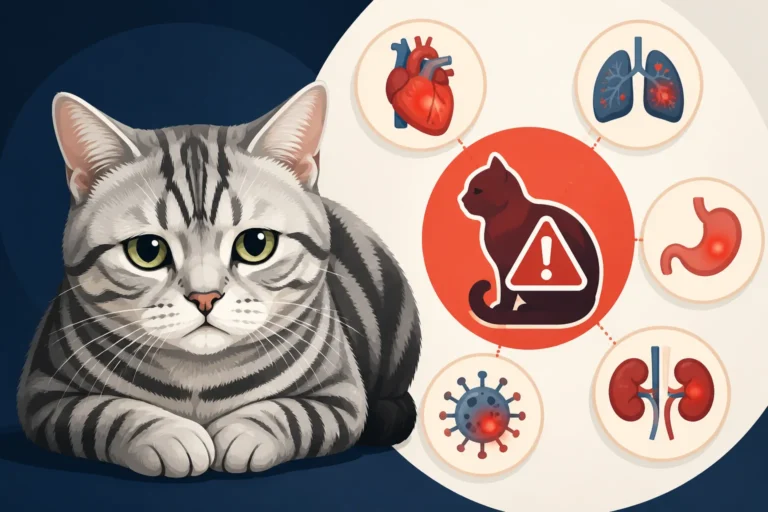
Breathing difficulties are critical signs of advanced heart failure, often indicating fluid accumulation in or around the lungs (pulmonary edema or pleural effusion). This can manifest as rapid breathing (tachypnea), open-mouthed breathing, or a noticeable increase in abdominal effort when breathing. A cough can also be a symptom, though less common in cats with heart failure than in dogs, and often attributed to other causes if it does occur.
For an outdoor American Shorthair, observing these changes is incredibly difficult. Rapid breathing might only occur after strenuous activity, which the cat might do out of your sight. A subtle cough might be dismissed as a hairball, or simply not heard over ambient noise. Moreover, a cat in respiratory distress might seek out cool, isolated places to rest, further obscuring your ability to notice their labored breathing. Unless the symptoms are severe—such as constant panting, gasping, or a persistent, wet cough—they are unlikely to be picked up by an owner who sees their cat sporadically. It's often only when the cat is in severe distress, panting continuously even at rest, that these signs become undeniable.
The Critical Role of Veterinary Care and Proactive Screening
Given the American Shorthair's propensity to mask illness, especially when living an outdoor life, proactive veterinary care becomes not just important, but absolutely vital. Waiting for overt symptoms in an outdoor cat often means the disease has progressed significantly, limiting treatment options and prognosis.
Regular Check-ups and Early Detection
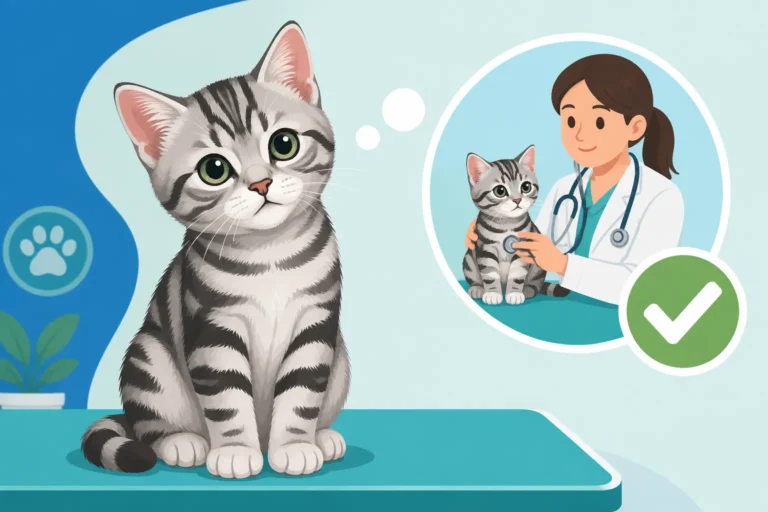
Even if your outdoor American Shorthair seems like the picture of health, regular veterinary check-ups are non-negotiable. These routine visits provide a trained professional with the opportunity to perform a thorough physical examination, listening to your cat's heart, palpating their abdomen, and assessing their overall condition in a calm, controlled environment. A vet might detect a heart murmur, an abnormal heart rhythm, or subtle changes in lung sounds that you would never notice at home.
During these appointments, discussing your cat's outdoor habits and any minor changes you've observed, no matter how insignificant they seem, is crucial. This is particularly true as your American Shorthair gets older. Caring for an American Shorthair Past Twelve requires extra diligence. If a veterinarian identifies a concern, they can recommend further diagnostic tests. For heart conditions, this often involves an echocardiogram (an ultrasound of the heart) to visualize the heart's structure and function. This is far more definitive than a general physical exam. Remember, Why an American Shorthair Still Needs a Yearly Heart Scan even if they appear healthy, especially as they age, to catch problems before they become critical emergencies.
Understanding Diagnostic Tools and Management
When heart disease is suspected, an echocardiogram is the gold standard for diagnosis. This non-invasive procedure allows a veterinary cardiologist to measure the thickness of the heart muscle, assess valve function, and detect any fluid buildup. It's a far more reliable tool than a gene test alone, as Why an Echo Beats a Gene Test in an American Shorthair for diagnosing the actual presence and severity of HCM. Blood tests can also provide valuable information about kidney function and other organ systems that can be affected by heart disease.
If heart failure is diagnosed, management typically involves a combination of medications to improve heart function, control fluid accumulation, and prevent clot formation. While these treatments don't cure the disease, they can significantly improve your cat's quality of life and potentially extend How Many Months Follow an American Shorthair's HCM Diagnosis. How a Vet Manages an American Shorthair With HCM often involves regular monitoring, adjusting medication dosages, and making environmental changes to reduce stress. This is where comprehensive pet insurance like Healthy Paws can be an absolute lifesaver. The diagnostic tests, specialist consultations, and ongoing medications for a chronic condition like heart failure can quickly add up, and having a reliable policy from a company like Healthy Paws can alleviate the financial burden, allowing you to focus on your cat's care. It’s a sad fact that many outdoor cats with heart issues only get diagnosed in an emergency situation, making the costs even higher without support from providers like Healthy Paws.
The Value of Pet Insurance
Considering the stoic nature of American Shorthairs and the difficulty of early detection in outdoor cats, pet insurance becomes a prudent investment. Policies from providers such as Healthy Paws can help cover the costs associated with diagnostic tests, specialized cardiac care, and long-term medications if your cat is diagnosed with a condition like heart failure. Without it, the financial strain of managing a chronic illness can be overwhelming, potentially forcing difficult decisions that no pet owner wants to face. Early enrollment, before any symptoms emerge, is key, as most policies have waiting periods and pre-existing condition exclusions. Thinking ahead with Healthy Paws or similar providers means you're prepared for the unexpected, ensuring your American Shorthair gets the best possible care, even if they've become an expert at hiding their ailments.
| Symptom Category | Indoor American Shorthair (Likely Noticed Early) | Outdoor American Shorthair (Often Missed/Dismissed) |
|---|---|---|
| Activity Level | Reduced play, more frequent naps, reluctance to jump. | Shorter patrols, coming home earlier, less vigorous hunts; easily attributed to daily variations. |
| Breathing | Visible increased respiratory rate at rest, open-mouthed breathing, occasional cough. | Labored breathing or cough occurs when out of sight, or masked by environmental noise/activity; mistaken for hairball. |
| Appetite/Weight | Noticeable decrease in food intake, unexplained weight loss or gain. | Potentially supplemented by hunting, making appetite changes harder to quantify; weight loss might be subtle. |
| Behavior | Hiding, less interactive, changes in purr or vocalization, lethargy. | Increased hiding attributed to natural reclusiveness or seeking rest; general stoicism masks discomfort. |
| Appearance | Less groomed coat (if unable to reach), swollen abdomen (rare/late). | Coat issues less obvious on an active outdoor cat; severe symptoms often only visible in crisis. |
| Crisis (Acute) | Sudden collapse, paralysis of hind legs (saddle thrombus), severe respiratory distress. | Often the first undeniable sign for outdoor cats, indicating advanced disease. |
It is a true testament to the American Shorthair's resilience that they can continue their outdoor adventures even while battling a serious condition. However, this innate ability to cope can unfortunately work against them, delaying the critical veterinary intervention needed. By understanding these challenges and committing to vigilant observation and consistent veterinary care, you can help ensure your beloved American Shorthair enjoys The Fifteen to Twenty Years the American Shorthair Was Given, with a healthy heart beating strong.
Disclaimer
This article is intended for informational purposes only and does not constitute veterinary advice. Always consult with a qualified veterinarian for any health concerns or before making any decisions about your pet's medical care.