Why a Broad Chested American Shorthair Puts Weight Through Its Hips
It’s a common misconception that because American Shorthairs are known for their robust health and sturdy build, they’re immune to the joint issues that plague many other breeds. We often see them as the picture of feline resilience, the kind of cat that just works. But even with their incredible genetic legacy, their unique physique – particularly that impressive, broad chest – can sometimes put them at a disadvantage, especially when it comes to their hips. This guide will delve deep into why this specific body type can lead to weight being disproportionately distributed through their hip joints and what you, as a loving owner, can do to prevent and manage potential problems.
The American Shorthair's Unique Physique and Its Historical Purpose
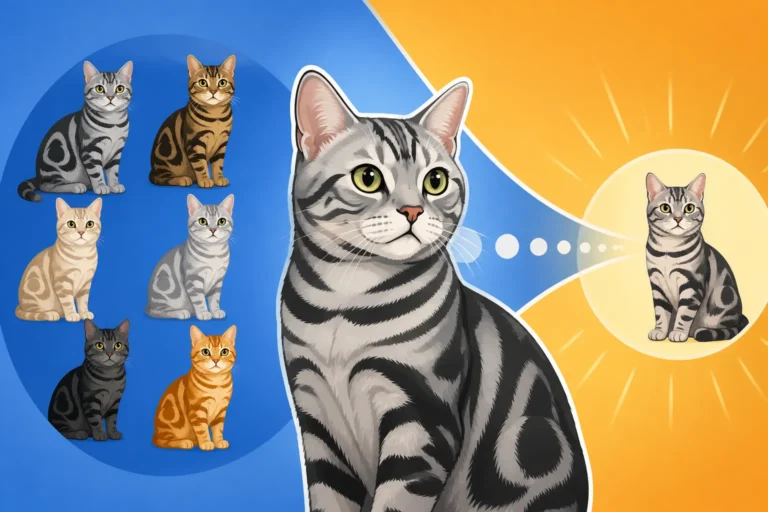
When you look at an American Shorthair, you’re not just seeing a pretty face; you’re observing centuries of natural selection at work. These cats weren’t bred for dainty elegance or extreme features. They were bred for a job, and that job required a very specific, utilitarian physique. This historical context is key to understanding why their broad chest is both a blessing and, potentially, a vulnerability.
A Build Designed for Work, Not Aesthetics
Imagine the original purpose of the American Shorthair's ancestors: skilled mousers on ships, in barns, and protecting settler homes. They needed to be agile, strong, and incredibly resilient. This isn't just theory; it's why we often refer to them as a benchmark for what a healthy, functional cat should be, hence discussions like Why the American Shorthair Is Used as a Health Benchmark. Their muscular frame, sturdy bones, and, yes, that broad chest were all assets in this demanding lifestyle. A wide chest provided powerful lung capacity for sustained activity and a strong foundation for their powerful forequarters, essential for pouncing and climbing. They were compact, solid, and built like little tanks, capable of handling rough conditions and a constant demand for pest control. This emphasis on functionality meant that traits detrimental to their working ability were naturally selected against.
How the Broad Chest Influences Weight Distribution
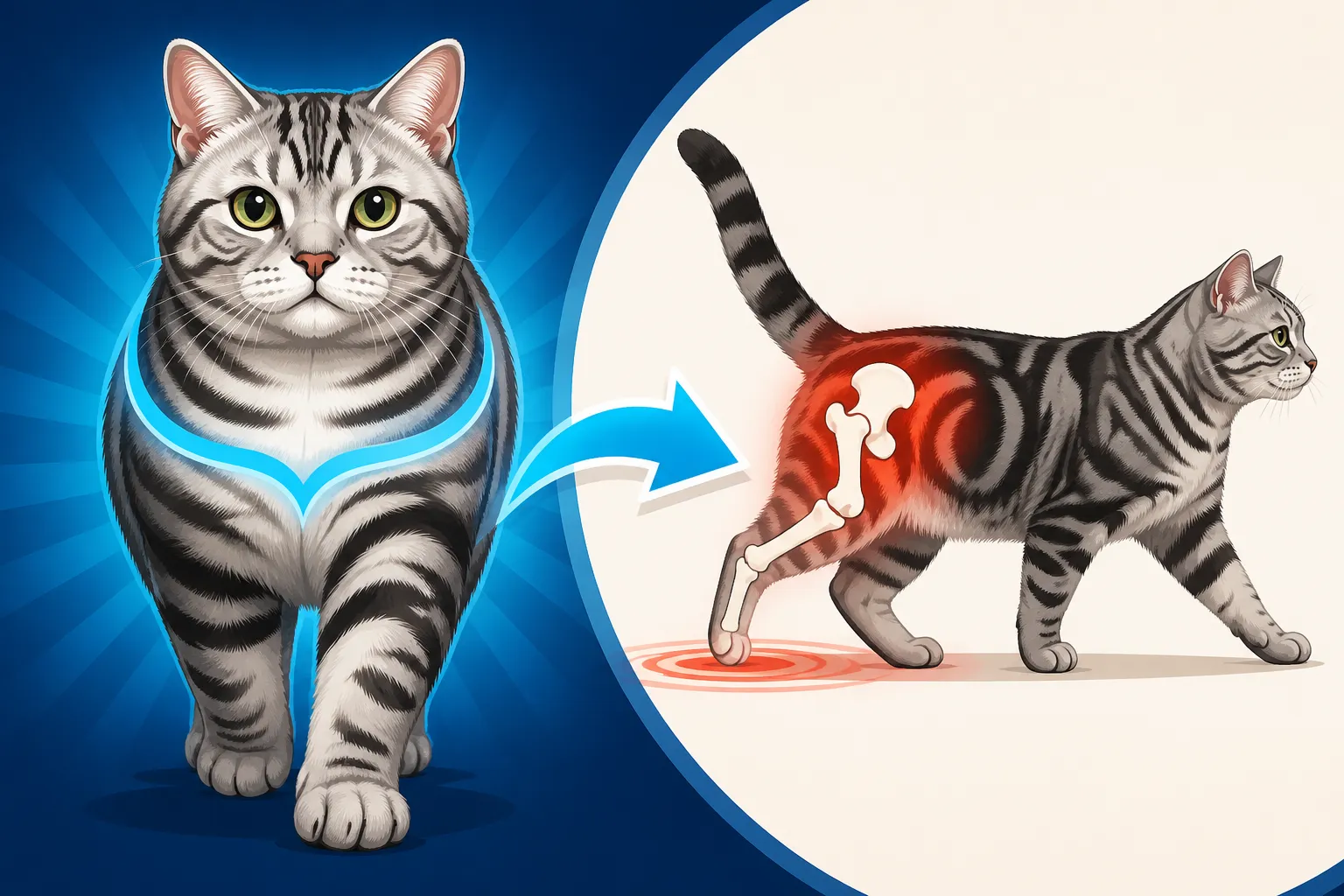
Now, let's consider the biomechanics of that broad chest. In a breed designed for such a robust, working life, the skeletal structure is inherently designed to carry weight efficiently across their frame during active movement. However, a broad chest essentially means a wider and often more forward-set center of gravity for a cat of this build. When an American Shorthair stands or moves, especially as they get older or if they carry extra weight, this broadness can alter how forces are transmitted through their spine and down into their hindquarters. Instead of a more evenly distributed load, the structure funnels a significant portion of this weight and impact force directly into the hip joints. It’s like a structural engineer designing a bridge, but one section of the foundation takes a disproportionate amount of stress due to the load distribution. Over time, this constant, concentrated pressure can begin to wear down the delicate structures of the hip joint, even in a breed celebrated for its general hardiness.
The Direct Link Between Weight and Hip Strain in American Shorthairs
It’s one thing for a cat to be broadly built; it’s another for that cat to also be carrying extra pounds. The moment an American Shorthair's weight starts to creep up, that inherent structural predisposition to hip strain becomes exponentially more pronounced. It's not just "extra weight is bad"; it's how that extra weight interacts with their specific anatomy that creates a unique challenge.
The Mechanics of Increased Load on Hip Joints
Every single step an overweight American Shorthair takes, every jump, every graceful (or not-so-graceful) landing, sends a ripple of impact through their body. With excess weight, the force of these impacts is magnified dramatically. Think about it: an American Shorthair that's only a few pounds overweight can put many more pounds of pressure on its joints with each movement, especially those high-impact actions like launching onto a counter or jumping off a chair. This constant, amplified stress taxes the hip cartilage and the joint capsule. Cartilage, that smooth, slippery tissue cushioning the bones, begins to wear down faster. The joint fluid, which normally lubricates the joint, can become less effective. This leads to inflammation, pain, and a gradual degeneration that can significantly diminish their quality of life. Unlike their ancestors who were constantly active, indoor life often means fewer calories burned, which then triggers a cascade of weight gain. This is part of the challenge outlined in Why Ending the Mousing Job Made the American Shorthair Heavy.
Why a Stocky Build Costs an American Shorthair Its Hips
The American Shorthair's stocky, powerful build, while advantageous for its working origins, actually makes it more susceptible to hip issues when coupled with excess weight. It’s a cruel irony. Their broad hips and powerful hind legs are designed for explosive movement, but when bogged down by additional fat, these same structures are subjected to immense grinding forces. Conditions like hip dysplasia, though more famously associated with certain dog breeds, can occur in cats. While rare in American Shorthairs compared to other breeds, any pre-existing minor hip laxity can be severely exacerbated by obesity. The sheer bulk of an overweight American Shorthair means that the hips must support a greater mass, leading to accelerated wear and tear on the joint cartilage and surrounding ligaments. This isn't just about pain; it's about the fundamental integrity of their movement. A clear indicator of this struggle can sometimes be seen in Why an American Shorthair Stops Jumping to the Counter, as the effort and pain become too great. This specific anatomical consideration is exactly Why a Broad Chested American Shorthair Puts Weight Through Its Hips, highlighting the critical importance of weight management for this breed.
| Sign of Hip Discomfort (Subtle to Obvious) | What it Might Look Like | Potential Implication |
|---|---|---|
| Reluctance to Jump/Climb | Hesitates before jumping onto furniture, prefers lower spots, uses steps. | Pain upon joint compression or extension. |
| Stiffness After Rest | Appears stiff or slow when first getting up from a nap. | Inflammation or degenerative changes in the hip joint. |
| Changes in Gait/Walk | Walks with a subtle sway, a bunny-hop, or uneven stride. | Attempting to minimize weight bearing on painful hip(s). |
| Decreased Activity/Play | Less interested in chasing toys, shorter play sessions. | Pain deters physical exertion. |
| Difficulty Grooming Hindquarters | Cannot easily reach certain areas to clean, matted fur on hips/tail base. | Reduced flexibility and range of motion. |
| Irritability/Aggression (when touched) | Reacts negatively to petting near the hips or tail. | Pain response to touch, a stoic cat's way of showing distress. |
| Muscle Loss in Hind Legs | Appears less muscular in the back legs compared to the front. | Disuse atrophy from favoring a painful limb. |
Recognizing and Managing Hip Health Challenges
Because American Shorthairs are notoriously stoic, as highlighted in "Why a Stoic American Shorthair Hides Pain the Longest", spotting the signs of hip discomfort can be tricky. They often suffer in silence, making it even more crucial for owners to be vigilant and proactive. Early detection and management are key to maintaining their quality of life.
Spotting the Subtle Signs of Hip Discomfort
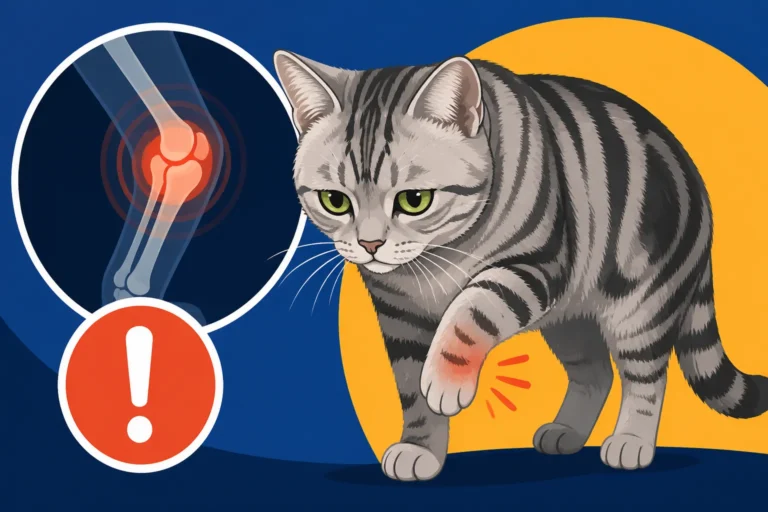
It's easy to dismiss a slight slowdown in your American Shorthair as just "getting older," but sometimes, these subtle changes are actually red flags for hip pain. Pay close attention if your cat, once a prolific jumper, starts hesitating before leaping onto their favorite perch or opts for lower resting spots. You might notice they're a bit stiff when they first wake up after a long nap, moving with a slightly altered gait before "warming up." Maybe they're not chasing the laser pointer with the same vigor, or their play sessions are shorter than before. Grooming habits can also change; if they can't comfortably twist to groom their hindquarters, you might see matted fur or less meticulous cleaning in those areas. Even subtle behavioral shifts, like increased irritability when you touch their back or hips, could be a silent plea for help. Knowing Why an Old American Shorthair Slows Before It Limps can help you catch these issues before they become severe. Remember, these cats are masters of disguise when it comes to pain, so your keen observation is their best defense.
Preventative Measures and Veterinary Interventions
The best offense is a good defense, especially when it comes to your American Shorthair's hip health. The single most important preventative measure is maintaining an ideal weight. Work with your vet to determine the right caloric intake and ensure they get adequate, appropriate exercise that encourages movement without excessive impact. Structured play sessions with wand toys that mimic hunting can provide mental and physical stimulation. Environmental modifications can also help, such as ramps or steps to help them access favorite elevated spots, reducing the strain on their hips.
If you suspect hip discomfort, a visit to the vet is paramount. They’ll likely perform a thorough physical examination, assessing their gait, range of motion, and checking for pain upon palpation. Often, X-rays are necessary to get a clear picture of the hip joints and detect any signs of arthritis or dysplasia. This is precisely How a Vet Assesses an American Shorthair's Hips. Treatment options vary depending on the diagnosis but can include anti-inflammatory medications to manage pain and swelling, joint supplements like glucosamine and chondroitin to support cartilage health, and even specialized prescription diets. For ongoing care and potential high costs of diagnostics and treatments, having robust pet insurance like Healthy Paws can be a lifesaver, ensuring you can always prioritize your cat's health without financial stress. Discuss with your vet When a Stiff American Shorthair Needs Joint Support for specific recommendations.
The Long-Term Impact of Untreated Hip Issues
Ignoring the early signs of hip discomfort in your American Shorthair can lead to a tragic decline in their quality of life. What starts as a subtle stiffness can escalate into chronic, debilitating pain, profoundly affecting every aspect of their day-to-day existence.
Progressive Pain and Mobility Limitations
When hip issues are left unaddressed, the initial discomfort will inevitably worsen. The inflammation becomes chronic, the cartilage continues to degrade, and the bones within the joint may even begin to remodel themselves in an attempt to compensate, often making the problem worse. This leads to persistent, severe pain that impacts every movement. Your American Shorthair might become severely lame, reluctant to move at all, and their world will shrink dramatically. They'll struggle to use the litter box comfortably, unable to squat properly. Jumping, running, and even walking short distances will become agonizing, leading to a sedentary lifestyle that then exacerbates other health issues like obesity. This cycle can quickly spiral, transforming a once active, curious cat into a withdrawn, uncomfortable one. The impact of their decreasing mobility, especially if they are carrying extra weight, is significant, and can be seen in What Extra Weight Does to an American Shorthair's Working Frame. This progressive decline emphasizes why managing their weight and hip health early on is so critically important.
Holistic Care for an American Shorthair with Hip Concerns
Managing an American Shorthair with diagnosed hip issues goes beyond just medication; it requires a holistic approach to their overall well-being. Alongside prescribed pain relief and joint supplements, consider complementary therapies like therapeutic laser treatments, acupuncture, or physical therapy exercises guided by a rehabilitation vet. Creating a comfortable environment is crucial: provide soft, warm beds, strategically placed steps or ramps to their favorite spots, and ensure their litter box has low sides for easy entry and exit. Maintaining their ideal weight remains paramount, as even a slight reduction can significantly decrease the load on their sensitive joints. Regular, gentle exercise tailored to their mobility level can help maintain muscle mass around the hips, offering natural support. Many owners find that continuous veterinary support and a well-rounded care plan, potentially supported by a pet insurance provider like Healthy Paws, allows them to manage the condition effectively. Understanding that Pain Relief Extends an American Shorthair's Active Years is key to adopting these comprehensive care strategies. Ultimately, a committed, proactive approach to their care can make a monumental difference in helping your American Shorthair live out their The Fifteen to Twenty Years the American Shorthair Was Given with as much comfort and joy as possible.
Disclaimer
The information provided in this article is for general informational purposes only and is not a substitute for professional veterinary advice. Always consult with a qualified veterinarian regarding any medical concerns or before making any decisions about your pet's health and treatment.