How an American Shorthair’s Hips Are Positioned for X Ray
It's incredibly unsettling when your beloved American Shorthair, known for their sturdy build and calm demeanor, starts showing any signs of discomfort, especially when it comes to something as fundamental as their mobility. Hip issues can sneak up on even the healthiest cats, and figuring out what's going on usually requires a trip to the vet and some diagnostic imaging. This guide will walk you through exactly how an American Shorthair's hips are typically positioned for an X-ray, why this is so important, and what to expect during the process, helping you feel more prepared and less anxious about your cat's care.
Understanding Hip Dysplasia in American Shorthairs
While American Shorthairs are generally celebrated for their robust health and long lifespans, no breed is entirely immune to every potential health challenge. Hip issues, particularly hip dysplasia, can sometimes affect these otherwise resilient cats, often catching owners by surprise.
Why Hip Issues Can Affect a Robust Breed
You might think of American Shorthairs as the picture of health, and for good reason! Their ancestry is rooted in working cats, those hardy felines that sailed on ships and patrolled barns, keeping rodent populations in check. This history has given them a naturally strong, well-muscled body, built for agility and endurance rather than delicate aesthetics. They are known for their solid, square frames and powerful hindquarters, which were essential for their mousing duties. However, this very build, particularly their broad chest and muscularity, can sometimes put unique stresses on their joints, making them susceptible to conditions like hip dysplasia. It’s a bit of a cruel irony that a trait developed for strength can, in some cases, become a point of vulnerability if the hip joint doesn't form perfectly or if too much weight is carried on those powerful limbs. When you consider their working heritage, it becomes clear that even these magnificent cats aren't invincible, and their powerful physique means those joints bear a significant load day in and day out. For more on this, you might find insight in our article on Why a Broad Chested American Shorthair Puts Weight Through Its Hips.
Recognizing the Subtle Signs of Hip Discomfort
Cats are absolute masters at hiding pain, and our stoic American Shorthairs are no exception. This incredible instinct, a holdover from their wild ancestors where showing weakness meant vulnerability, can make detecting hip discomfort incredibly challenging for even the most observant owner. You won't usually see them limping dramatically or crying out in pain, especially not early on. Instead, you'll need to look for much subtler cues. Perhaps you notice they're not quite as enthusiastic about jumping onto their favorite window perch or the kitchen counter as they once were. They might hesitate before taking a leap, or even start finding alternative, lower routes to their preferred high spots. A slight change in gait, a reluctance to play, or a general decrease in activity level can all be indicators. You might even observe them struggling a bit more to use the litter box, or showing some stiffness after a nap. Sometimes, they might just seem a little more withdrawn, or less keen on being petted in certain areas that might now be sensitive. It’s heartbreaking to realize your cat might be in pain, but recognizing these subtle shifts is the first critical step to getting them the help they need. Our article, Why a Limp in a Stoic American Shorthair Is Never Minor, delves deeper into the importance of noticing these quiet signals.
The Purpose and Importance of Hip X-Rays
When these subtle signs of discomfort start to appear, your vet will likely recommend X-rays. While a physical examination can certainly give your veterinarian a lot of information, it can only tell part of the story when it comes to complex joint issues.
Why Imaging Is Crucial for Diagnosis
A hands-on examination by your vet is invaluable, of course. They'll palpate the joints, assess range of motion, and observe your American Shorthair's gait. However, the soft tissues, cartilage, and bone structure deep within the hip joint are completely hidden from view. This is where diagnostic imaging, specifically X-rays, becomes absolutely indispensable. X-rays provide a clear picture of the skeletal structure, allowing the veterinarian to see the bone-on-bone relationships, look for signs of abnormal joint development (like a shallow hip socket or a flattened femoral head), and detect any degenerative changes, such as bone spurs or cartilage loss. Without this detailed visual, a definitive diagnosis of conditions like hip dysplasia would be purely guesswork, and accurate treatment planning would be impossible. It’s about moving beyond assumptions and getting concrete evidence to guide the best care for your cat.
Pre-Anesthetic Considerations for Your American Shorthair
Getting clear, diagnostic quality hip X-rays almost always requires your American Shorthair to be sedated or placed under general anesthesia. This is a big deal for any pet owner, and naturally, it brings questions and concerns. To ensure your cat's safety and the best possible outcome, your vet will conduct a thorough pre-anesthetic workup. This typically includes blood tests to check organ function, particularly the liver and kidneys, and ensure there are no underlying health conditions that could complicate anesthesia. They might also listen to your cat's heart and lungs carefully. It’s vital to follow any instructions your vet gives regarding fasting before the procedure; usually, this means withholding food for a specific number of hours beforehand, though water might still be allowed. This minimizes the risk of aspiration during anesthesia. Don't hesitate to ask your vet any questions you have about the anesthetic protocol – they understand your concerns and want you to feel comfortable. Discussing your cat's full medical history is crucial here, as it helps the veterinary team tailor the anesthesia to your specific American Shorthair.
The Standard Positioning for American Shorthair Hip X-Rays
When it comes to getting a clear view of your American Shorthair's hip joints, specific positioning is absolutely key. This isn't just about snapping a quick photo; it's a precise procedure designed to reveal the most accurate information about the joint's structure and health.
Ventrodorsal Extended View: The Gold Standard
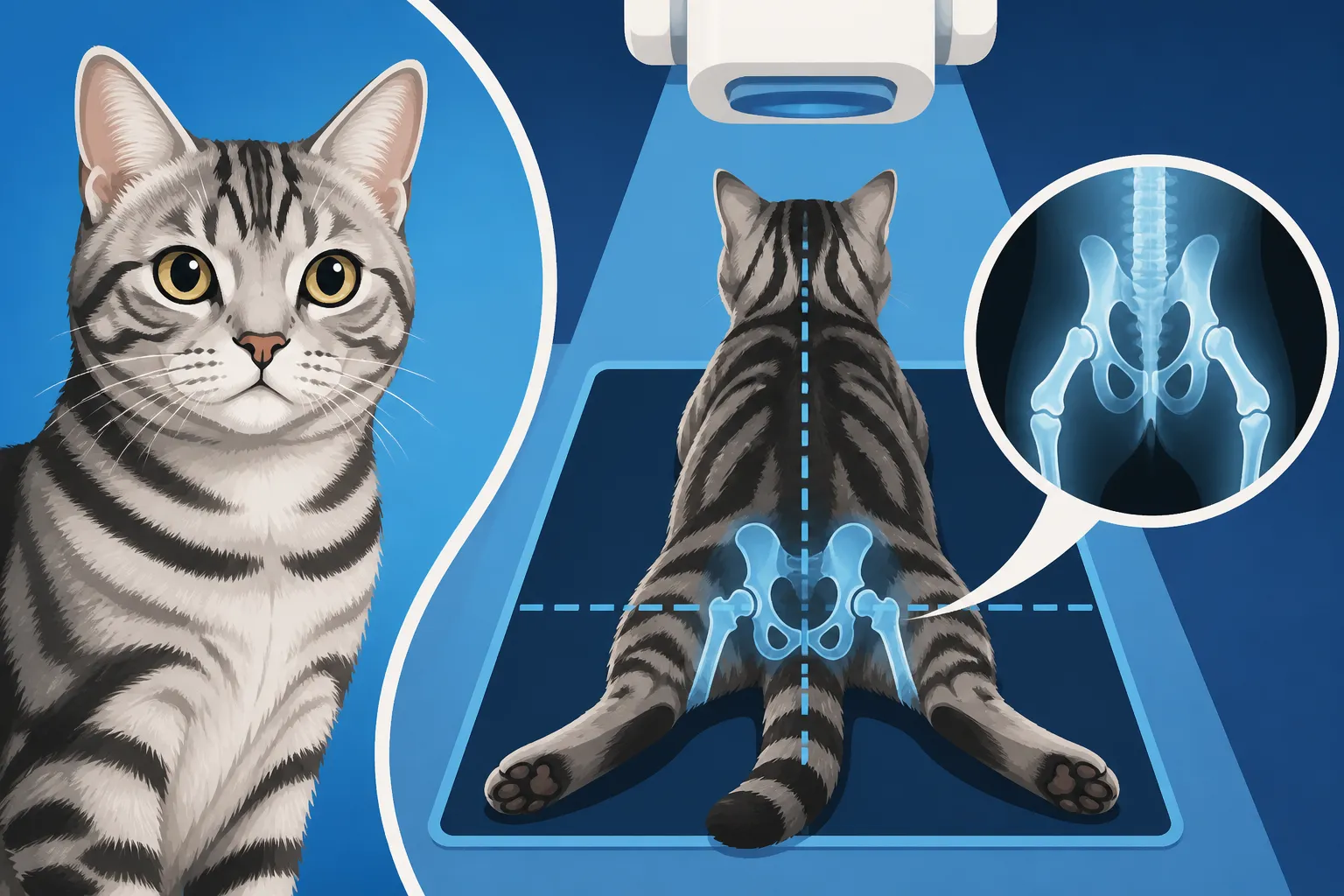
The most common and crucial X-ray view for evaluating hip dysplasia and overall hip health in cats is called the ventrodorsal extended view. Imagine your American Shorthair lying squarely on its back, with its hind legs carefully extended straight out behind the body, parallel to each other. Their knees are turned inward, and their feet are rotated so the hocks face upwards. This position aims to simulate the hips under a certain degree of stress, helping to reveal any looseness or poor congruence within the joint. Achieving this perfectly symmetrical and extended position is incredibly important because even slight rotations or asymmetrical limb placement can distort the image, making healthy hips appear dysplastic or masking actual problems.
To get this perfectly straight and extended pose, especially with an active or anxious cat, anesthesia or deep sedation is almost always necessary. The veterinary team will use specialized positioning aids, like foam wedges or sandbags, to keep your American Shorthair still and in the correct alignment while the X-ray is taken. The goal is to ensure the pelvis is perfectly level, the femurs are straight, and the kneecaps are centered. This meticulous attention to detail during positioning is what allows the vet to accurately assess the depth of the hip sockets, the shape of the femoral heads, and the tightness of the joint fit, which are all critical indicators of hip health.
Other Supplementary Views and When They Are Used
While the ventrodorsal extended view is the cornerstone for hip assessment, your veterinarian might sometimes request additional, supplementary X-ray views to gather more comprehensive information. One common alternative is the "frog-leg" view, also known as a flexed view. For this, your American Shorthair is still on its back, but their hind legs are bent at the knees and pulled forward, resembling a frog's resting posture. This view can be helpful for assessing the articulation of the femoral head within the acetabulum (hip socket) without the same stress applied by the extended view. It can reveal different aspects of joint congruence and identify osteoarthritic changes that might be obscured in the extended view.
Another supplementary option might include lateral views, where your cat lies on its side. While less direct for hip dysplasia screening, lateral views can be useful for looking at the overall alignment of the spine and pelvis, or for assessing other structures that might be contributing to a cat's discomfort, like the sacroiliac joints. Your vet will decide which views are necessary based on their initial physical exam findings and the specific concerns they have for your American Shorthair. These additional images act like different angles of a photograph, allowing for a more complete and nuanced diagnostic picture, ensuring no stone is left unturned in understanding your cat's hip health.
The Role of Anesthesia and Sedation in X-Ray Positioning
It sounds a bit intense to put your cat under anesthesia just for an X-ray, doesn't it? But for accurate hip imaging, it's not just recommended, it's practically essential.
Ensuring Proper Relaxation and Safety
The reason anesthesia or heavy sedation is almost always necessary for high-quality hip X-rays in cats boils down to a few critical factors: relaxation and safety. Even the most docile American Shorthair will naturally tense their muscles, and that muscle tension can actually pull the hip joints into an artificial position, masking the true conformation of the bones. Imagine trying to take a precise measurement of a wiggly object – it's nearly impossible to get it right. Under anesthesia, your cat’s muscles relax completely, allowing the veterinary team to extend and position the hind legs and pelvis with perfect symmetry without any resistance. This relaxation is crucial for obtaining truly diagnostic images where the vet can accurately assess joint congruence and identify subtle changes indicative of conditions like hip dysplasia.
Furthermore, it ensures your cat's safety and comfort. Manipulating the hips into the extended position can be uncomfortable, or even painful, for a cat that is awake, especially if they are already experiencing joint pain. Anesthesia prevents stress, fear, and any potential injury that could occur from struggling during manual restraint. Your vet will make sure your American Shorthair is a Why an American Shorthair Is a Low Anesthetic Risk candidate before proceeding. The veterinary staff can then focus entirely on achieving the best possible positioning for the X-ray, leading to clearer images and a more reliable diagnosis, all while your cat remains oblivious and pain-free.
What to Expect During and After the Procedure
Knowing what to expect can help ease your mind when your American Shorthair undergoes an X-ray under anesthesia. Your cat will typically be admitted to the clinic in the morning, having fasted as instructed. The veterinary team will perform their pre-anesthetic checks, and then administer the sedative or anesthetic. Once your American Shorthair is deeply relaxed or asleep, they will be carefully positioned for the X-rays. During the entire procedure, dedicated veterinary technicians will closely monitor your cat’s vital signs, including heart rate, respiration, and oxygen saturation, ensuring their safety throughout.
Once the X-rays are complete and the images are deemed diagnostically sound, the anesthesia will be reversed, or your cat will be allowed to wake up gradually. Recovery usually takes a few hours, and your American Shorthair might be a bit groggy, unsteady, or confused as the anesthetic wears off. Most cats are ready to go home later the same day, but your vet will give you specific instructions for post-procedure care. This might include restricting activity, offering small meals, and ensuring they have a quiet, comfortable place to rest. It's a bit like us after a minor medical procedure – they just need some gentle care and a bit of time to get back to their normal selves.
Interpreting the X-Ray Results for Your American Shorthair
Once the X-rays are taken, the real detective work begins. Your veterinarian, sometimes in consultation with a veterinary radiologist, will meticulously examine the images to understand what's happening within your American Shorthair's hips.
What the Radiologist or Vet Looks For
When reviewing the hip X-rays of your American Shorthair, the veterinarian or radiologist is looking for several key indicators that point towards or rule out hip dysplasia and other orthopedic issues. First and foremost, they'll assess joint congruence, which refers to how well the ball (femoral head) fits into the socket (acetabulum). Ideally, the femoral head should sit snugly and deeply within the acetabulum, with a smooth, even joint space.
They will also look for subluxation, which means a partial dislocation where the femoral head is not fully seated in the socket. This often appears as a gap between the ball and socket. Another crucial element is the shape and condition of the bones themselves. They'll check if the femoral head is round and smooth, and if the acetabulum is deep enough. Signs of wear and tear, such as osteophytes (bone spurs) or sclerosis (increased bone density) along the joint margins, are indicative of degenerative joint disease or osteoarthritis, which commonly develops secondary to hip dysplasia. Any changes in the joint space, density of the bone, or evidence of remodeling are all carefully noted. This detailed analysis helps paint a clear picture of your American Shorthair’s hip health and guides the next steps in their care.
Understanding Different Hip Grades and Their Implications
For breeding American Shorthairs, and sometimes for pet cats depending on the clinic and owner’s wishes, hip X-rays can be officially graded. While formal grading systems like OFA (Orthopedic Foundation for Animals) are more common in dogs, some veterinarians use similar principles to describe the severity of hip conformation in cats. These grades typically range from "excellent" to "severe dysplasia," giving a standardized way to communicate the health of the joints.
An "excellent" grade means the femoral heads are deeply seated in well-formed sockets, with no signs of laxity or degenerative changes. A "good" or "fair" grade indicates a healthy joint but perhaps with minor imperfections that don't currently cause problems. On the other end of the spectrum, "mild," "moderate," or "severe" hip dysplasia describes increasing degrees of joint laxity, subluxation, and degenerative changes. A cat with severe dysplasia might have significant flattening of the femoral head, shallow sockets, and extensive bone spurs, indicating advanced arthritis. These grades are important because they directly influence treatment recommendations. A cat with mild dysplasia might benefit from weight management and joint supplements, while a cat with severe dysplasia could require more intensive pain management, medication, or even surgical intervention to improve their quality of life. Understanding the grade helps you and your vet make informed decisions about managing your American Shorthair's long-term comfort and mobility. If you're looking into buying a kitten, knowing What an American Shorthair Breeder's Echo Paperwork Should Say can provide some context on breeder health screenings.
| X-Ray View | Cat's Position | Primary Diagnostic Purpose | What it Reveals |
|---|---|---|---|
| Ventrodorsal Extended | On back, hind legs extended and parallel | Primary screening for hip dysplasia and joint laxity under stress. | Joint congruence, depth of acetabulum, shape of femoral head, signs of subluxation, early degenerative changes. |
| Ventrodorsal "Frog-Leg" | On back, hind legs flexed at knees | Complementary view, assessing joint congruence without stress, and early osteoarthritis. | Femoral head seating, presence of osteophytes, joint space narrowing, different angles of joint stability. |
| Lateral | On side, legs usually extended | General overview of the pelvis, spine, and surrounding soft tissues. Less specific for hips. | Overall alignment, presence of fractures, tumors, or other pelvic abnormalities not directly hip-related. |
Long-Term Management and Support for Hip Health
Receiving a diagnosis of hip issues in your American Shorthair can be tough news, but it's not the end of the world. With thoughtful management and ongoing support, many cats can still live full, comfortable lives. The key is a multi-faceted approach that addresses pain, supports joint health, and minimizes further strain.
Lifestyle Adjustments and Environmental Modifications
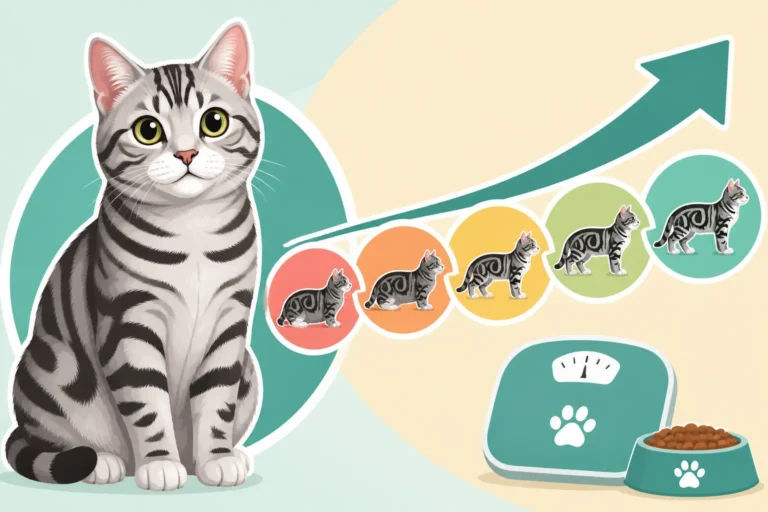
One of the most impactful things you can do for an American Shorthair with hip discomfort is to make some strategic lifestyle and environmental adjustments. First and foremost, weight management is absolutely critical. Excess weight puts incredible strain on already compromised joints, exacerbating pain and accelerating degenerative changes. Working with your vet to establish a healthy weight goal and a plan to achieve it through diet and controlled exercise is paramount. Our articles How a Vet Builds an American Shorthair's Weight Loss Plan and What an American Shorthair Should Weigh at Its Frame can offer valuable guidance here.
Beyond weight, consider how your cat navigates their world. If jumping up onto furniture or window sills is becoming difficult, provide ramps or steps to make these favorite spots more accessible. Ensure their bedding is soft, supportive, and easily accessible, perhaps even elevated slightly to reduce the effort needed to get up and down. Non-slip rugs on slick floors can prevent slips and falls that might further injure sensitive joints. Reducing the need for high jumps helps prevent further wear and tear, as discussed in Why an American Shorthair Stops Jumping to the Counter. These simple changes can dramatically improve your American Shorthair's comfort and mobility, helping them continue to enjoy their daily routines without unnecessary pain.
Nutritional Support and Pain Management Options
Beyond environmental tweaks, nutritional support and, when necessary, veterinary-prescribed pain management can make a significant difference in your American Shorthair's quality of life. Many owners turn to joint supplements containing ingredients like glucosamine, chondroitin, and MSM, which are believed to support cartilage health and reduce inflammation. Omega-3 fatty acids, found in fish oil, are also popular for their anti-inflammatory properties and can be a beneficial addition to your cat's diet. Always discuss any supplements with your veterinarian before introducing them, as they can advise on appropriate dosages and potential interactions.
For cats experiencing more significant pain, your vet might prescribe anti-inflammatory medications (NSAIDs specific for cats) or other pain relievers. These medications are powerful tools that can dramatically improve comfort and allow your cat to remain active. The decision to use these medications, and the specific type and dosage, will depend entirely on your American Shorthair's individual condition, the severity of their pain, and any other underlying health issues. Regular check-ups are essential to monitor the effectiveness of these treatments and adjust them as needed. Companies like Healthy Paws, known for their comprehensive pet insurance plans, can often help cover the costs associated with diagnostic X-rays, ongoing medications, and other treatments for conditions like hip dysplasia, making these important interventions more accessible. This kind of support allows us to explore options like Whether Pain Relief Extends an American Shorthair's Active Years. You can explore options like When a Stiff American Shorthair Needs Joint Support for more information on how to keep your cat comfortable.
Disclaimer
The information provided in this article is for general informational purposes only and is not intended as a substitute for professional veterinary advice. Always consult with a qualified veterinarian for any health concerns or before making any decisions related to your pet's health and treatment. The mention of any brand names, such as Healthy Paws, is for contextual illustration and does not constitute an endorsement.