When a Stiff American Shorthair Needs Joint Support
It’s a heart-wrenching moment when you notice your active, robust American Shorthair, who once leaped onto countertops with ease, starting to hesitate, struggle, or even avoid those favorite high perches. We all want our beloved feline companions to remain spry and comfortable throughout their lives, but age, genetics, and everyday wear and tear can creep up, leading to painful stiffness in their joints. This comprehensive guide will walk you through how to spot the subtle signs of joint discomfort in your stoic American Shorthair, understand the common culprits behind it, and most importantly, when and how to introduce effective joint support to help them regain their comfort and vitality.
Understanding Stiffness in Your American Shorthair
As our American Shorthairs grow older, it’s easy to assume a bit of slowing down is just a normal part of the aging process. And in some ways, it is. But there’s a crucial difference between a senior cat who prefers a longer nap and one who is experiencing genuine pain and discomfort in their joints. Recognizing this distinction is the first step toward providing the right support for your furry family member.
Distinguishing Normal Aging from Painful Stiffness
Imagine your American Shorthair, once a blur of activity, now spending more time in their favorite sunny spot. They might take a bit longer to get up after a nap, or perhaps they don't sprint to the food bowl with the same youthful abandon. These subtle changes can often be dismissed as simply "getting old." However, if these slow-downs are accompanied by visible signs of effort, reluctance, or even vocalizations (like a soft groan or grunt), you might be looking at something more than just typical senior behavior.
Normal aging might mean a reduction in overall activity level or a slightly less enthusiastic jump. Your cat might choose an easier route to the bed instead of scaling the dresser in one bound. But if they start avoiding jumps altogether, struggling significantly, or showing signs of discomfort when touched around their hips or back, it's a red flag. Think about how a person with a stiff knee might move – a bit slower, a bit more guarded, perhaps wincing occasionally. Our cats, being masters of disguise, often show even more subtle cues. You might notice they stop greeting you at the door with the same eagerness, or they're just not as interested in playing with their favorite wand toy. It’s those small, persistent shifts that tell a bigger story. To learn more about how to differentiate, consider reading about Why an Old American Shorthair Slows Before It Limps for a deeper dive into these nuanced behaviors.
Common Causes of Joint Stiffness in American Shorthairs
Joint stiffness, particularly what veterinarians call osteoarthritis or degenerative joint disease, is unfortunately a common ailment in older cats. For American Shorthairs, their robust, muscular build, which was once an asset for their mousing duties, can sometimes become a factor in joint wear and tear over a long lifespan.
One primary cause is simply the wear and tear that comes with age. Over years of running, jumping, and patrolling their territory, the cartilage that cushions their joints can start to erode, leading to bone-on-bone friction and inflammation. Genetics can also play a role, though American Shorthairs are generally known for their sound health due to their landrace origins. Still, individual cats can have predispositions. Past injuries, even those that seemed minor at the time like a sprain or a hard landing, can develop into arthritic changes later in life.
Weight management is another critical component. American Shorthairs have a natural tendency towards a sturdy build, and if not managed carefully, this can lead to being overweight or obese. Extra weight puts significant stress on all joints, especially the hips and knees, accelerating cartilage degeneration and inflammation. We know that What Extra Weight Does to an American Shorthair's Working Frame can be quite detrimental, exacerbating any underlying joint issues and making movement much more painful. Even seemingly minor weight gain can have a profound impact on an already stressed joint. A comprehensive approach considering their natural build and historical activities is key to understanding and mitigating these risks.
Recognizing the Signs Your American Shorthair Needs Joint Support
Cats are incredibly stoic animals, often hiding pain as a survival instinct. This means that by the time you notice overt signs of discomfort, your American Shorthair has likely been struggling for a while. Learning to recognize the subtle cues is essential for early intervention and maintaining their quality of life.
Behavioral Indicators of Joint Discomfort
The most telling signs often manifest in changes to your cat's routine and behavior. Your American Shorthair, who once effortlessly launched themselves onto the kitchen counter or the top of the tallest cat tree, might suddenly start using intermediate steps, like a chair, or abandon high places altogether. You might notice them hesitating at the bottom of the stairs, or taking an unusually long time to navigate them. This reduced mobility isn't just about preferring lower spots; it's often a direct indication of pain when jumping or climbing.
Another subtle but significant sign is a change in grooming habits. Cats are meticulous self-groomers, but reaching certain areas, especially their back, hips, or tail, can become excruciating if their joints are stiff. You might see a less well-groomed coat, particularly over their hindquarters, or areas where their fur looks matted or dull. Conversely, some cats might over-groom a painful joint area, leading to patchy fur or skin irritation. Changes in litter box habits, such as standing outside the box or eliminating near it, can also indicate joint pain, as climbing in and out of the box or squatting can be painful. A cat that previously had impeccable litter habits suddenly making mistakes could be telling you their joints hurt. It’s also important to remember that Why a Stoic American Shorthair Hides Pain the Longest, meaning these signs are often more pronounced than we realize.
Physical Manifestations of Joint Issues
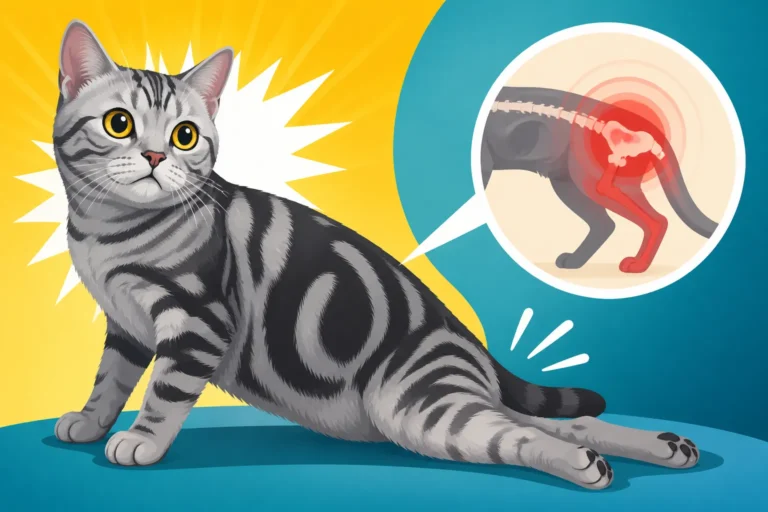
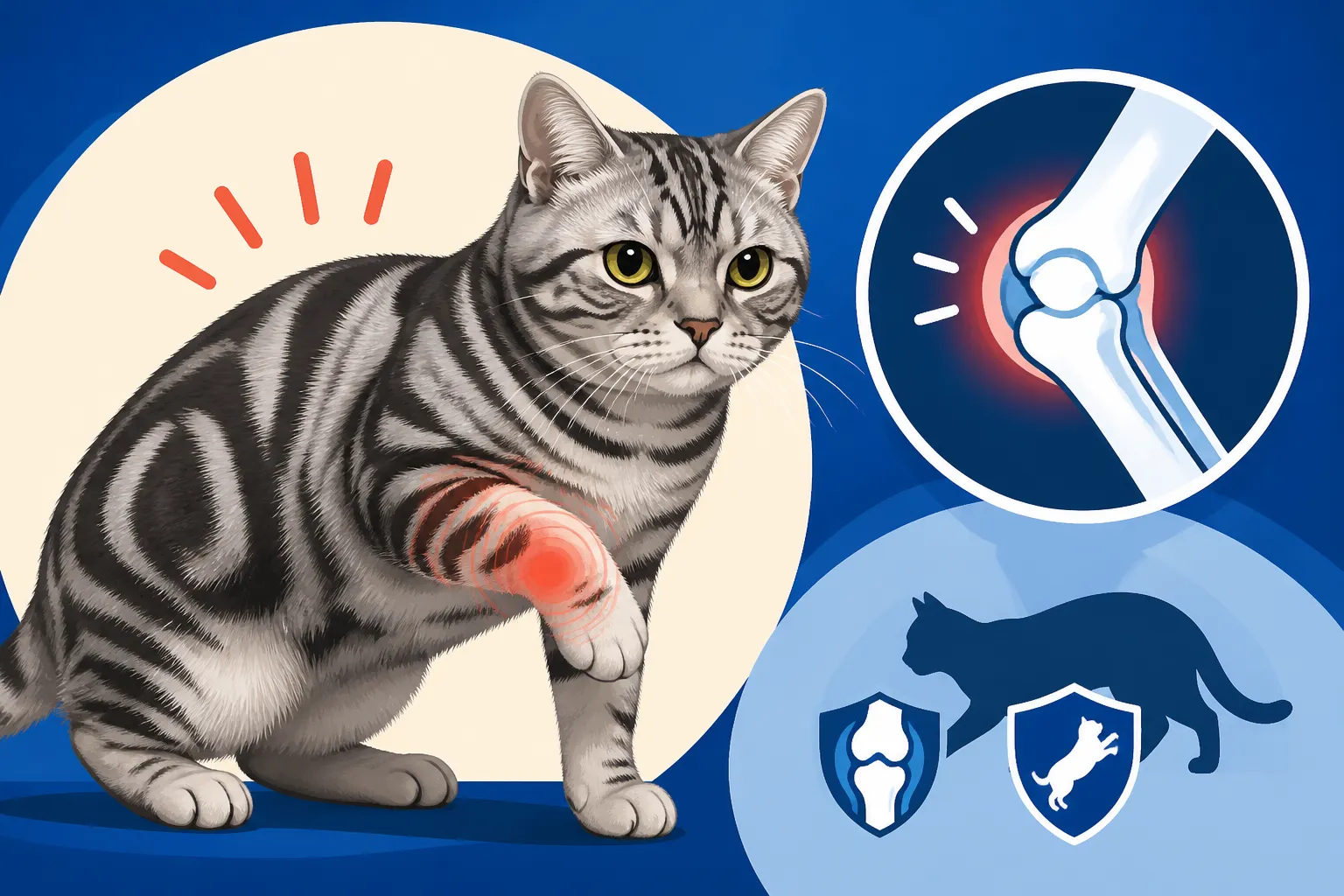
Beyond behavioral shifts, there are physical indicators you can observe, especially after periods of rest. Does your American Shorthair seem particularly stiff when they first wake up from a long nap? They might take a few awkward steps, or hold a limb slightly differently before they "warm up." This stiffness after rest is a classic sign of osteoarthritis. You might also observe a limp, though it can be intermittent or very subtle. Sometimes it's more of a short-stepping gait or a reluctance to put full weight on a particular leg.
Changes in posture can also be telling. An American Shorthair might carry their back in a more hunched position, or stand with their legs closer together to minimize joint movement. You might also notice muscle atrophy, particularly in their hind legs. If one leg or hip area appears thinner or less muscular than the other, it could indicate they're favoring it due to pain. Gently palpating their joints (if your cat tolerates it) might reveal warmth, swelling, or they might react with pain when touched. Observing their movement closely, perhaps even filming them for a few minutes to show your vet, can provide valuable clues. This kind of careful observation is crucial, as even minor changes can signal a need for intervention. Remember, a vet needs to truly know How a Vet Assesses an American Shorthair's Hips for a full diagnosis.
The Role of Joint Support: When and How to Introduce It
Once you suspect your American Shorthair is experiencing joint discomfort, the next crucial step is to seek veterinary advice. Self-diagnosing and treating can be risky and delay effective care. Your vet will be able to provide an accurate diagnosis and create a tailored plan for joint support.
Consulting Your Veterinarian for a Diagnosis
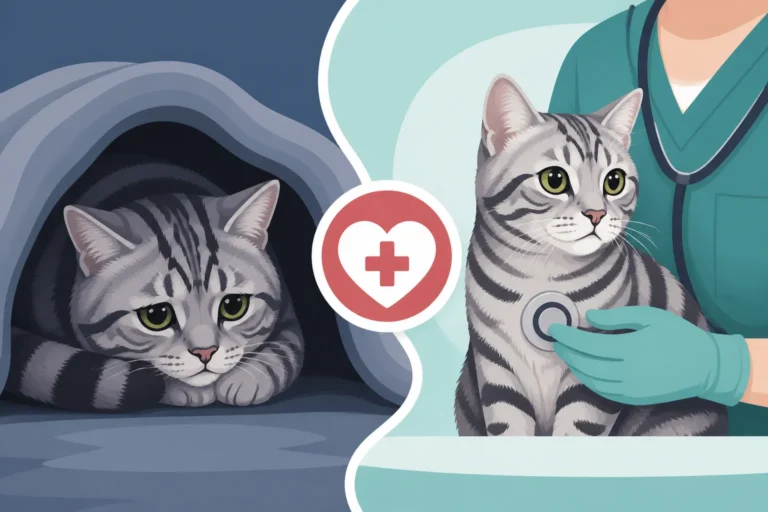
Your first call should always be to your veterinarian. During the consultation, be prepared to discuss all the subtle changes you’ve observed in your cat’s behavior and movement. Your vet will perform a thorough physical examination, carefully checking their joints for pain, swelling, and range of motion. They might manipulate your cat's limbs, looking for any signs of discomfort or crepitus (a grinding sound or sensation in the joint).
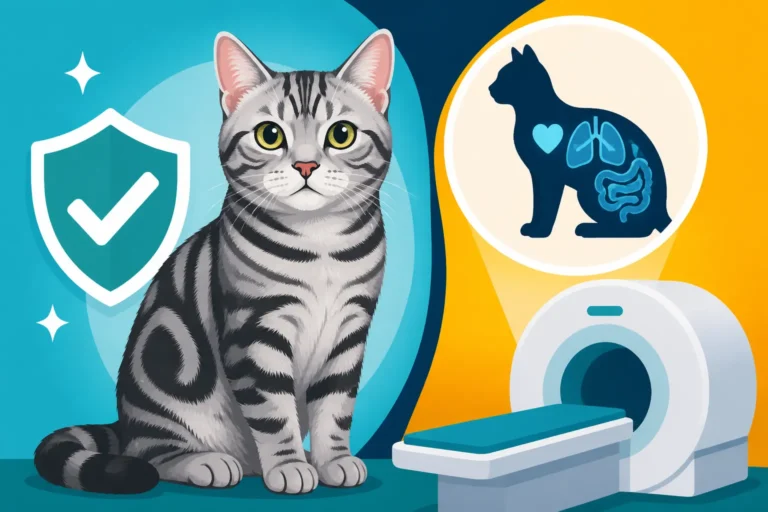
To confirm a diagnosis and rule out other conditions, your vet will likely recommend diagnostic imaging, such as X-rays. These images can reveal signs of arthritis, such as narrowed joint spaces, bone spurs, or changes in bone density. For instance, knowing What an American Shorthair's Hip X Rays Cost can help you prepare for the financial aspect of diagnosis. Sometimes, blood tests might be recommended to assess overall health and rule out inflammatory conditions or other diseases that could mimic joint pain. Don't hesitate to ask your vet about their experience with diagnosing and managing feline arthritis, and what specific treatment protocols they recommend for American Shorthairs. Many veterinary insurance providers, like Healthy Paws, offer coverage for diagnostic tests and ongoing care related to chronic conditions like arthritis, which can significantly ease the burden of these costs.
Types of Joint Support Available
Once a diagnosis is confirmed, your vet will discuss various options for joint support. These generally fall into a few categories:
-
Nutritional Supplements: These are often the first line of defense, especially for mild to moderate cases, or as a preventative measure.
- Glucosamine and Chondroitin: These are natural components of healthy cartilage and are thought to help repair and maintain cartilage, as well as reduce inflammation. Brands like Cosequin and Dasuquin are popular and widely recommended by vets.
- Omega-3 Fatty Acids: Found in fish oil, these have powerful anti-inflammatory properties that can significantly reduce joint pain and stiffness.
- MSM (Methylsulfonylmethane): Another supplement believed to reduce pain and inflammation.
These supplements often come in palatable chews, capsules that can be mixed with food, or liquid forms, making them easier to administer to even the pickiest American Shorthair. It's important to note that while supplements can be very beneficial, they often take several weeks to show noticeable effects, and consistent daily administration is key.
-
Prescription Medications: For more severe pain or inflammation, your vet might prescribe medications.
- NSAIDs (Non-Steroidal Anti-Inflammatory Drugs): Specific feline-safe NSAIDs like meloxicam are often prescribed to reduce pain and inflammation. It's crucial never to give your cat human NSAIDs like ibuprofen, which are highly toxic to felines.
- Gabapentin: This medication can help manage neuropathic pain and also has a mild sedative effect, which can be useful for cats who are particularly anxious due to pain.
- Amantadine: Often used in conjunction with NSAIDs, this medication can enhance pain relief, especially for chronic pain.
These medications can offer rapid relief but often require careful monitoring for side effects, particularly affecting the kidneys or liver. Regular blood work will be necessary to ensure your cat is tolerating the medication well. Many pet insurance plans, including those from Healthy Paws, cover a significant portion of the cost of these prescription medications, making long-term pain management more accessible. You might be surprised to learn Whether Pain Relief Extends an American Shorthair's Active Years as part of a comprehensive care plan.
-
Physical Therapy and Alternative Therapies:
- Laser Therapy: Low-level laser therapy can help reduce pain and inflammation and promote healing.
- Acupuncture: Some cats respond well to acupuncture for pain relief.
- Massage: Gentle massage can improve circulation and reduce muscle tension around sore joints.
Integrating Joint Support into Daily Life
Introducing joint support isn't just about pills and supplements; it's a holistic approach that integrates into your cat's everyday routine. Administering supplements can sometimes be a challenge, especially with a clever American Shorthair. Try hiding chews in a small amount of their favorite wet food or a treat paste. Liquid supplements can often be squirted directly into their mouth with a syringe if they're cooperative, or mixed thoroughly into a meal. Consistency is key, so find a method that works for both of you.
Environmental modifications are also crucial for supporting your cat's comfort. Provide soft, orthopedic beds in easily accessible, warm spots. Consider ramps or pet stairs to help them reach elevated areas like beds or sofas, reducing the need for painful jumping. Ensure their litter box has low sides for easy entry and exit, especially if they are large or have severe hip pain. Keeping litter boxes clean and accessible is even more vital when mobility is an issue.
Weight management remains paramount. If your American Shorthair is overweight, even a small amount of weight loss can significantly reduce strain on their joints. Your vet can help you formulate a safe and effective weight loss plan, which might involve a prescription diet or controlled portions of their regular food. Gentle, regular exercise through play can help maintain muscle mass and joint flexibility without overstressing them. Short, frequent play sessions with a wand toy, keeping the action low to the ground, are far better than long, strenuous ones. Remember that How Many Years Extra Weight Takes Off the American Shorthair's Lifespan, so proactive weight management is an investment in their future comfort.
Long-Term Management and Enhancing Your Cat's Quality of Life
Living with an American Shorthair with joint stiffness is a marathon, not a sprint. It requires ongoing dedication to monitoring their condition, making adjustments to their care plan, and providing a home environment that maximizes their comfort and happiness.
Monitoring Progress and Adjusting Support
Once you’ve started a joint support regimen, it’s vital to closely monitor your American Shorthair’s response. Keep a journal of their activity levels, how easily they move, any changes in their willingness to jump or play, and their overall demeanor. Look for subtle improvements: are they grooming themselves better? Are they more willing to interact? Is their gait smoother after resting?
This information will be invaluable for your follow-up veterinary appointments. Your vet will assess your cat's response to treatment and determine if any adjustments are needed. This might involve increasing the dosage of a supplement, trying a different medication, or adding another therapy. For example, some cats might respond well to a combination of supplements and NSAIDs. Don’t get discouraged if the first approach doesn't yield dramatic results; finding the optimal plan often involves some trial and error. Regular vet check-ups, typically every 3-6 months depending on the severity of their condition and medications, are essential to ensure their plan remains effective and safe. These check-ups are also important to discuss potential long-term issues, and some pet owners find that understanding What an American Shorthair's Senior Panel Costs helps them budget for these important diagnostic checks.
Holistic Approaches and Environmental Adjustments
Beyond direct medical and nutritional interventions, creating a supportive and enriching home environment plays a huge role in your American Shorthair’s quality of life. Soft, well-padded beds are a must. Consider orthopedic foam beds that distribute weight evenly and relieve pressure points. Placing beds in several favorite spots around the house ensures they always have a comfortable resting place nearby.
Ramps or pet steps can be a game-changer for allowing your cat to access their favorite elevated spots without pain. If your cat loves to watch birds from a window, ensure there's a low, comfortable perch available. For multi-level homes, having multiple litter boxes on each floor can prevent painful trips up and down stairs. Consider using a litter box with lower sides to minimize the strain of climbing in and out.
Maintaining a calm, stress-free household is also beneficial. Cats experiencing pain can become more irritable or withdrawn. A consistent routine, quiet spaces, and gentle interaction can help reduce anxiety. Puzzle feeders, designed to make your cat "work" for their food, can provide mental stimulation and encourage gentle movement, mimicking their natural hunting instincts without overexertion. Remember, Why an Old American Shorthair Loses Muscle First, so keeping them gently active and stimulated is key to maintaining overall health, not just joint health. While their days of rigorous mousing may be over, thoughtful enrichment can keep their minds and bodies engaged.
In essence, managing joint stiffness in your American Shorthair is about compassion, observation, and a proactive partnership with your veterinarian. By understanding the signs, exploring available support, and adapting their environment, you can ensure your cherished companion enjoys their golden years with as much comfort and joy as possible.
| Sign Category | Normal Aging (No Pain) | Joint Stiffness (Pain) |
|---|---|---|
| Activity Level | Slightly reduced, longer naps | Significant reduction, avoids favorite activities |
| Movement | Slower to get up, still graceful | Noticeable stiffness, awkward gait, limping |
| Jumping/Climbing | May choose easier routes, still capable | Hesitates, struggles, avoids jumps/climbs |
| Grooming | Meticulous and thorough | Patchy coat, matted fur (especially hindquarters), over-grooming painful areas |
| Litter Box | Normal habits | Difficulty entering/exiting, inappropriate elimination |
| Posture | Relaxed, typical cat posture | Hunched back, stiff stance, favoring limbs |
| Interaction | Normal, maybe less boisterous | May be withdrawn, irritable, avoids touch |
| Response to Touch | Enjoys petting | Reacts with pain, flinches, pulls away when touched near joints |
Disclaimer
The information provided in this article is for general informational purposes only and is not a substitute for professional veterinary advice, diagnosis, or treatment. Always seek the advice of your veterinarian or other qualified animal health provider with any questions you may have regarding a medical condition or treatment plan for your American Shorthair. Never disregard professional veterinary advice or delay in seeking it because of something you have read here.