Whether Show Selection Has Started to Narrow the American Shorthair
It’s a common worry for many cat lovers: when a breed becomes popular in the show ring, does the focus on perfecting specific looks start to narrow its genetic pool? This concern is perfectly valid, as a smaller gene pool can sometimes lead to an increased risk of inherited health problems. Today, we're going to dive deep into the world of the American Shorthair, a breed renowned for its robust health and easygoing nature, to explore whether its journey through show selection has begun to impact its cherished genetic diversity.
The American Shorthair's Foundation of Robust Health
The American Shorthair, affectionately known to many as the "working cat" or "farmer's friend," has a fascinating history rooted in practicality and resilience. Unlike many modern breeds that were selectively bred for extreme aesthetics from the outset, this breed’s ancestors earned their keep by being efficient mousers on ships and farms. This foundational history played a significant role in shaping their inherent good health and broad genetic diversity.
Tracing Back to the Landrace Legacy
Imagine the early days in North America: ships arriving from Europe, carrying not just people and goods, but also cats. These feline companions weren't chosen for fancy pedigrees but for their ability to protect provisions from rodents. These were true working cats, often a mix of various European shorthairs, and they adapted to the harsh new world, developing strong immune systems and hardy constitutions. This collective group of unpedigreed, naturally selected cats formed the landrace population from which the American Shorthair eventually emerged. Because these cats were breeding freely across a wide geographical area, their gene pool was incredibly diverse, drawing strength from countless generations of natural selection rather than human intervention. This vast genetic pool is often cited as a key reason for The American Shorthair Is the Control Group of Cat Breeding, setting a high bar for feline health.
The benefit of this landrace origin is undeniable. These cats weren't bred for a tiny nose, unusually large eyes, or a dramatically short tail; they were bred by necessity for survival and utility. This meant that only the fittest, healthiest individuals with strong immune systems and sound bodies thrived and reproduced. When the breed began to be formally recognized, breeders had a treasure trove of genetic material to work with, rather than a small, isolated group with potential inherent weaknesses. This rich history means that What an American Shorthair With No Designer Defect Gets Instead is a cat built for longevity and vitality.
The Early Days of Recognition
When the American Shorthair was finally recognized as a distinct breed in the early 20th century (originally as the "Domestic Shorthair," then renamed in 1966), the initial aim was to preserve the very qualities that made these cats so exceptional. Breeders wanted to stabilize their physical characteristics—their strong, medium build, rounded head, and short, dense coat—but always with an eye toward maintaining their robust health and amiable temperament. The breed standard was written to describe the ideal working cat, not to push for extreme features.
Early breeders were passionate about ensuring that form followed function. They understood that the broad chest, muscular legs, and sturdy jaws were attributes of a capable hunter, not just pretty features. This foundational philosophy meant that the "show cat" ideal for the American Shorthair was intrinsically linked to its natural, healthy conformation. Unlike some breeds where aesthetic exaggeration became the goal, the American Shorthair's standard sought to codify and protect its existing, naturally perfected form. This commitment to maintaining the breed's intrinsic qualities is why discussions about How Wide the American Shorthair's Gene Pool Really Is often highlight its exceptional breadth.
The Evolving Landscape of Show Standards and Genetic Diversity
Over time, as with any pedigreed animal, the show ring inevitably exerts its influence. While the American Shorthair has largely resisted the push towards extreme traits seen in some other breeds, the desire for "perfection" can still subtly shift breeding priorities. Understanding this dynamic is key to assessing any potential narrowing of the gene pool.
Defining the "Look"
In the world of cat shows, judges evaluate cats against a breed standard, looking for specific traits that exemplify the ideal American Shorthair. This includes everything from the shape of their head to the set of their ears, the length of their tail, and the clarity of their coat pattern. While the American Shorthair standard is commendably broad and avoids extreme exaggerations, the emphasis on certain "typey" features can sometimes lead breeders to favor particular lines that consistently produce those highly desired traits. For instance, a beautifully proportioned head or an exceptionally dense, weather-resistant coat might become a highly sought-after characteristic.
The challenge arises when a narrow interpretation of these standards, or an overemphasis on a few specific show-winning traits, leads to certain individuals or lines being favored repeatedly in breeding programs. This isn't necessarily about creating unhealthy exaggerations, but rather about inadvertently reducing the diversity within the gene pool by focusing on a smaller subset of breeding stock. Imagine a scenario where a particular male cat consistently wins Best in Show. Naturally, many breeders will want to use him for stud services, believing he will pass on his winning traits. While this can improve overall breed quality in some aspects, if done too extensively across the entire breed, it can contribute to a reduction in genetic variability, making the gene pool shallower over generations. This is a common concern across many breeds, and one reason why open gene pools, where Whether Registering Random Bred Cats Kept the American Shorthair Sound, are so valuable.
The Allure of the Silver Tabby
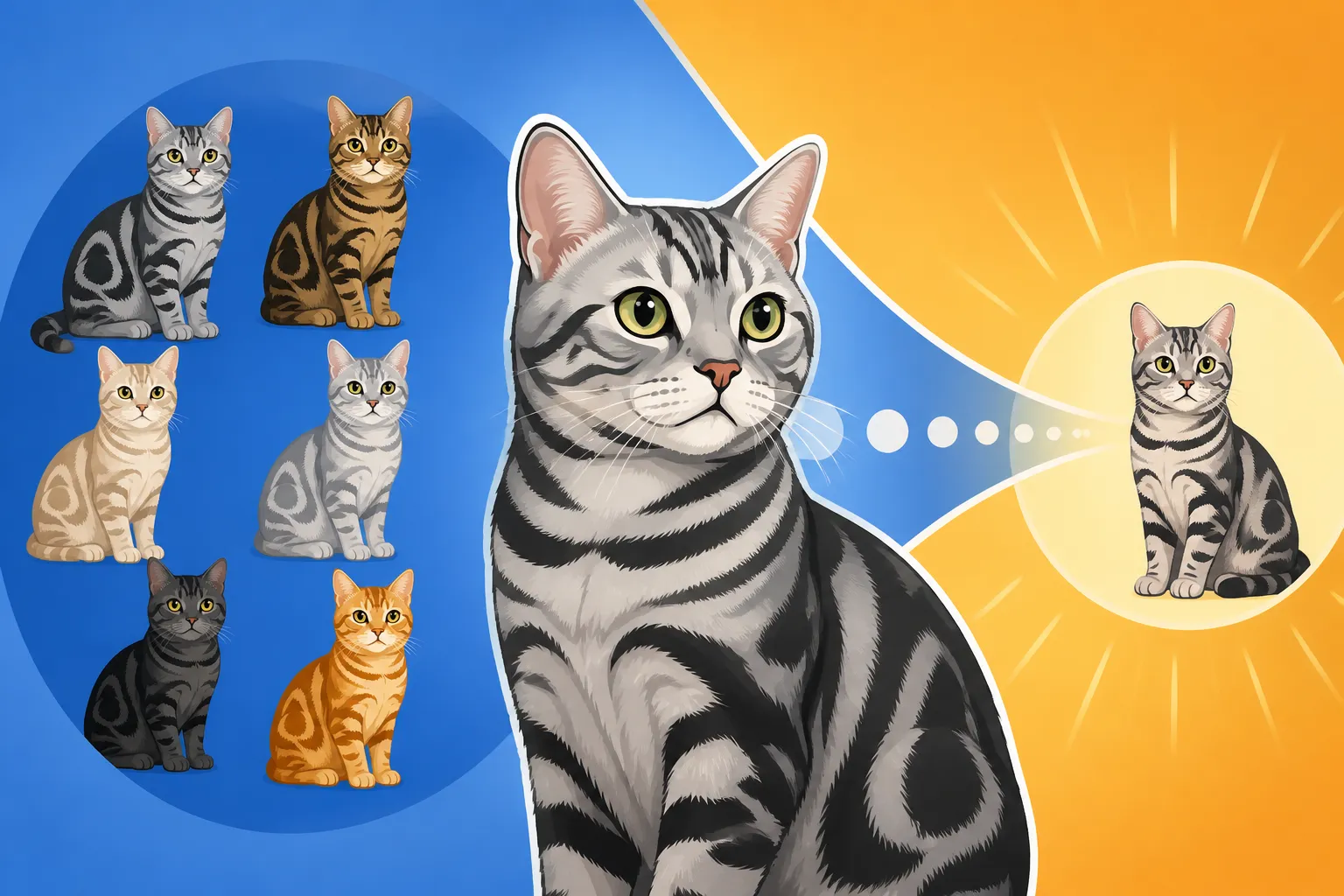
Perhaps no single factor has influenced the popular perception and, to some extent, the breeding focus of the American Shorthair more than the classic silver tabby pattern. This striking coat, with its clear black markings on a shimmering silver background, has become iconic and is often the image that comes to mind when people think of the breed. This widespread popularity, while wonderful for breed recognition, can also subtly guide breeding decisions.
When a particular color or pattern becomes highly desirable, breeders may naturally prioritize breeding cats that express this trait. While the American Shorthair comes in a wide array of colors and patterns, the silver tabby often commands a premium and wins accolades in the show ring. This isn't inherently bad, as long as breeders ensure that genetic health and temperament are never compromised for color. However, if too many breeders focus exclusively on producing silver tabbies from a limited number of champion lines, the overall genetic diversity for the breed could experience a subtle narrowing. It's a delicate balance: celebrating the beauty of a popular pattern while ensuring that the underlying genetic robustness of the entire breed is maintained. Responsible breeders of all colors and patterns contribute to the overall health and vibrancy, often advocating for genetic testing that can be supported by pet insurance plans like Healthy Paws.
Examining Potential Narrowing in the Gene Pool
Despite its historical advantages, no breed is entirely immune to the pressures that can lead to a narrower gene pool. It's essential to look at common breeding practices and the tools available to ensure the American Shorthair remains the picture of health we've come to expect.
The Impact of "Type" and "Line Breeding"
In the pursuit of perfecting the breed standard, breeders often engage in practices like "line breeding." This is a form of inbreeding, typically involving distant relatives (like cousins or half-siblings) within a specific family line, to concentrate desired traits and fix "type." When done carefully and with full knowledge of the cats' pedigrees and health histories, line breeding can be a powerful tool for consistency and improvement. It can help establish a strong, recognizable "look" and temperament, ensuring that kittens consistently meet the breed standard.
However, the risk lies in the magnification of undesirable recessive genes. Even in a healthy breed like the American Shorthair, every cat carries some recessive genes that, when paired, could result in health issues. If a particular line is bred too tightly or for too many generations without introducing new, unrelated blood, these hidden genetic flaws can become more prevalent. This is where the concept of the "effective population size" comes into play – even if many American Shorthairs exist, if they all trace back to a few common ancestors too closely, the effective number of unique genes being passed down can shrink. This is why a strong understanding of genetics and a commitment to rotating breeding stock are paramount for maintaining the breed's famed health. For breeders, understanding the full What an American Shorthair Breeder Should Have Screened can help manage these risks.
Health Screening as a Safeguard
Thankfully, modern veterinary medicine and responsible breeding practices offer crucial safeguards against the potential pitfalls of show selection and line breeding. Health screening is perhaps the most important tool in maintaining a broad and healthy gene pool. For American Shorthairs, while they are remarkably healthy, there are still specific conditions that breeders responsibly screen for.
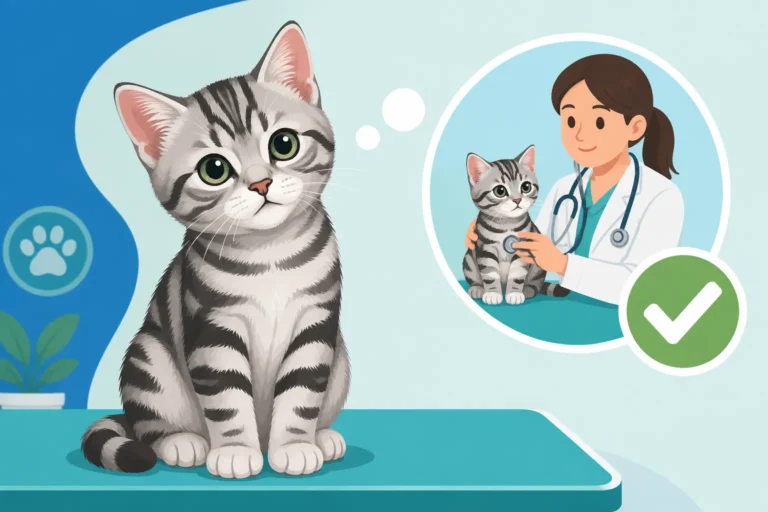
The most notable inherited health concern for the American Shorthair, albeit rare compared to many other breeds, is Hypertrophic Cardiomyopathy (HCM). This is a heart condition where the walls of the heart muscle thicken, reducing its efficiency. While How Rare HCM Is in an American Shorthair, it is still present within the breed. Reputable breeders will regularly screen their breeding cats for HCM using echocardiograms (heart ultrasounds) performed by a board-certified veterinary cardiologist. A clear scan provides a snapshot of heart health at that moment. Many dedicated breeders will ensure their cats have yearly heart scans. This proactive approach helps identify affected cats before they are bred, preventing the passing of the gene to future generations. These types of screenings are critical and, when paired with pet health insurance from providers like Healthy Paws, can make managing any unforeseen conditions much less stressful for owners. The question of Why an American Shorthair Still Needs a Yearly Heart Scan highlights this proactive stance.
| Health Condition | Screening Method | Goal | Frequency/Notes |
|---|---|---|---|
| Hypertrophic Cardiomyopathy (HCM) | Echocardiogram (Cardiac Ultrasound) | Identify thickening of heart muscle | Annually for breeding cats, as advised by cardiologist |
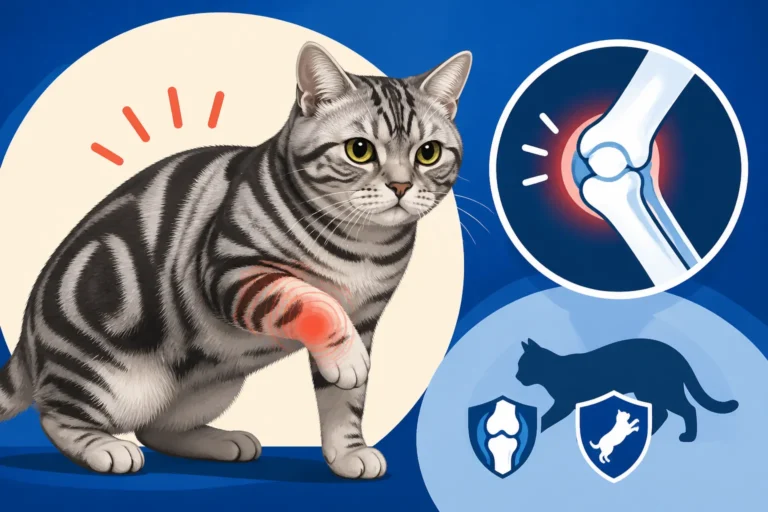
| Hip Dysplasia | X-rays (OFA or PennHIP) | Assess hip joint conformation | Once, before breeding |
| Polycystic Kidney Disease (PKD) | DNA Test (if applicable) and Ultrasound | Detect cysts on kidneys | Once for DNA, ultrasound as needed |
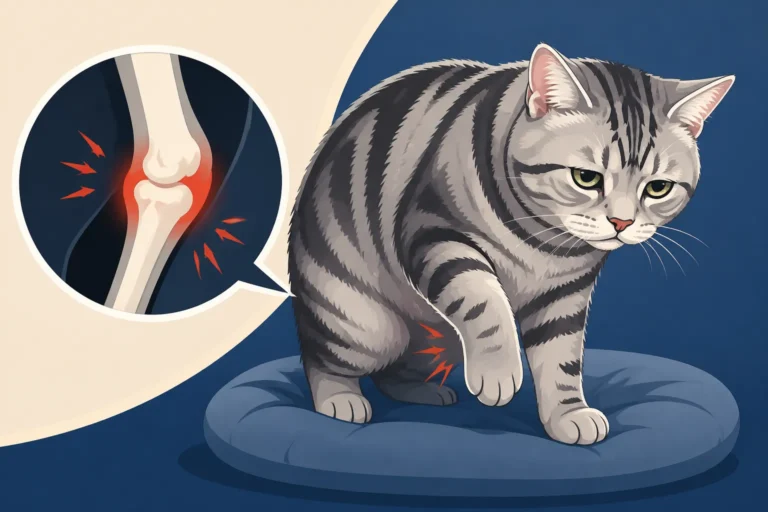
| Patellar Luxation | Physical Examination | Evaluate kneecap stability | Annually with vet check |
| General Health | Annual Veterinary Exams | Overall health, dental, weight, bloodwork | Annually, more often for seniors |
Note: While HCM and hip dysplasia are the primary concerns that diligent American Shorthair breeders focus on, they may also monitor for other general health issues common to all cats.
Maintaining the American Shorthair's Resilient Nature
The American Shorthair's robust health and gentle disposition are hallmarks of the breed. Ensuring these traits continue for generations requires ongoing vigilance and a community-wide commitment to responsible breeding and ownership.
The Ongoing Role of Responsible Breeding
Responsible American Shorthair breeders are the frontline guardians of the breed's health. Their role extends far beyond simply producing beautiful kittens; it's about making ethical decisions that prioritize the long-term well-being of the entire breed. This means:
- Understanding Pedigrees Deeply: A good breeder doesn't just look at the last generation but researches multiple generations back to understand potential health issues or excessive inbreeding coefficients. This helps them make informed decisions about pairings that maximize genetic diversity while still maintaining type.
- Adhering to Health Screening Protocols: As discussed, regular screening for conditions like HCM is non-negotiable. Breeders should be transparent about their screening results and willing to share them with prospective buyers. This not only benefits the individual cat but contributes to a healthier overall gene pool. The rigorous screening helps to ensure that Which Diseases the American Shorthair Actually Carries are minimized.
- Prioritizing Temperament and Structure: While appearance matters in the show ring, a responsible breeder will always prioritize a cat's temperament, health, and sound structure over fleeting trends in appearance. A shy, aggressive, or structurally unsound cat, no matter how "typey," should not be part of a breeding program.
- Limiting Breeding Frequency and Retirement: Over-breeding can put stress on queens and potentially lead to lower quality litters. Responsible breeders ensure their cats are healthy and given appropriate breaks. They also plan for the happy retirement of their breeding cats, often placing them in loving forever homes.
These dedicated breeders are the reason the American Shorthair continues to be recognized for its exceptional health. They work tirelessly, often incurring significant costs for health testing and quality care, which is a major factor in Why an American Shorthair Costs a Vet Less Than a Persian. Investing in a kitten from such a breeder is an investment in a healthy, well-adjusted companion.
Looking to the Future
The future of the American Shorthair's genetic diversity lies in the collective hands of breeders, cat associations, and owners. Education plays a massive role; the more potential owners understand what to look for in a responsible breeder and how to evaluate health guarantees, the more they can support ethical practices. Organizations like the Cat Fanciers' Association (CFA) and The International Cat Association (TICA) also play a vital role by setting breed standards and encouraging health registries.
Moreover, the American Shorthair community generally remains committed to its historical roots, understanding that the breed's greatest strength lies in its natural, unexaggerated form. This conservative approach to breeding, favoring moderation over extremes, acts as a natural buffer against severe genetic narrowing. The breed's popularity as a companion animal, celebrated for its low-maintenance care and friendly disposition, further reinforces the value of its robust health. Owners who seek out American Shorthairs are often looking for a sturdy, healthy cat, and this demand helps keep the focus on overall wellness. With sensible practices and an ongoing commitment to health, the American Shorthair is well-positioned to maintain its remarkable genetic diversity and continue to be a benchmark for health in the feline world for many years to come. Ultimately, ensuring the breed's longevity helps secure The Fifteen to Twenty Years the American Shorthair Was Given as its expected lifespan.
Disclaimer
This article is intended for informational purposes only and does not constitute veterinary advice. Always consult with a qualified veterinarian for any health concerns or before making any decisions about your pet's care.