Whether Ringworm Is a Risk in a Short Coated American Shorthair
It's a common misconception, especially with our sturdy, no-frills American Shorthairs, that their sleek, short coats make them practically immune to skin troubles. Many people believe a short coat means fewer tangles, less shedding, and a reduced risk of things like fungal infections. However, the truth about conditions like ringworm can be a little more complex and, frankly, frustrating. This guide will dive deep into why your short-coated American Shorthair can indeed be at risk for ringworm, how to spot it, and what you can do to protect your beloved feline family member.
Understanding Ringworm in Your American Shorthair
When you think of an American Shorthair, you probably picture a robust, healthy cat with a beautiful, dense but easy-to-care-for coat. They’re known for their resilience, a trait honed over centuries of working life. But even the hardiest of cats, with the shortest of coats, aren't immune to certain common ailments, and ringworm is definitely one of them.
Dispelling the Short Coat Myth and Ringworm
First things first, let's clear up a major misunderstanding: ringworm isn't a worm at all! The name is incredibly misleading. It’s actually a fungal infection caused by dermatophytes, a type of fungus that feeds on keratin found in skin, hair, and nails. So, whether your American Shorthair has a plush double coat or the characteristic short, stiff guard hairs, their skin and hair follicles are still prime targets.
The myth that short coats are safer often stems from the idea that long-haired breeds might trap more moisture or become matted, creating a better environment for fungal growth. While matted fur can certainly exacerbate skin issues, ringworm spores don't need a jungle to thrive. They simply need contact with the skin and a favorable environment to take hold. An American Shorthair's coat, though short, is still dense and provides enough surface area for spores to land and begin their work. Their historical role as working cats often meant they spent a good deal of time outdoors, potentially exposing them to various environmental fungi, and while many are now strictly indoor pets, that innate susceptibility remains. The overall health and integrity of their skin are far more important than the length of their fur when it comes to warding off ringworm.
How Ringworm Spreads and Where it Hides
Ringworm is incredibly contagious and, annoyingly, its spores are remarkably resilient. The most common way your American Shorthair might pick it up is through direct contact with an infected animal (another cat, a dog, even a small rodent or human). But here's where it gets tricky: the spores can also hang around in the environment for a very long time, sometimes up to 18 months! This means your cat doesn't even need to touch an infected animal directly.
Think about all the places your cat interacts with: their bedding, your sofa, carpets, scratching posts, shared toys, and even grooming tools. These can all become fomites – inanimate objects that carry the infectious spores. If an infected cat sheds skin flakes or hair containing spores, those spores can easily transfer to these surfaces. Then, when your American Shorthair rubs against the sofa or snuggles into their favorite bed, those spores can transfer to their coat and skin. Even if your American Shorthair spends most of its time indoors, the spores can be tracked in on shoes or clothing. For cats with outdoor access, the risk is even higher, as they can encounter contaminated soil or infected stray animals. It’s a silent, invisible enemy that often spreads before you even realize there's an issue.
Recognizing the Subtle Signs on a Short Coated Cat
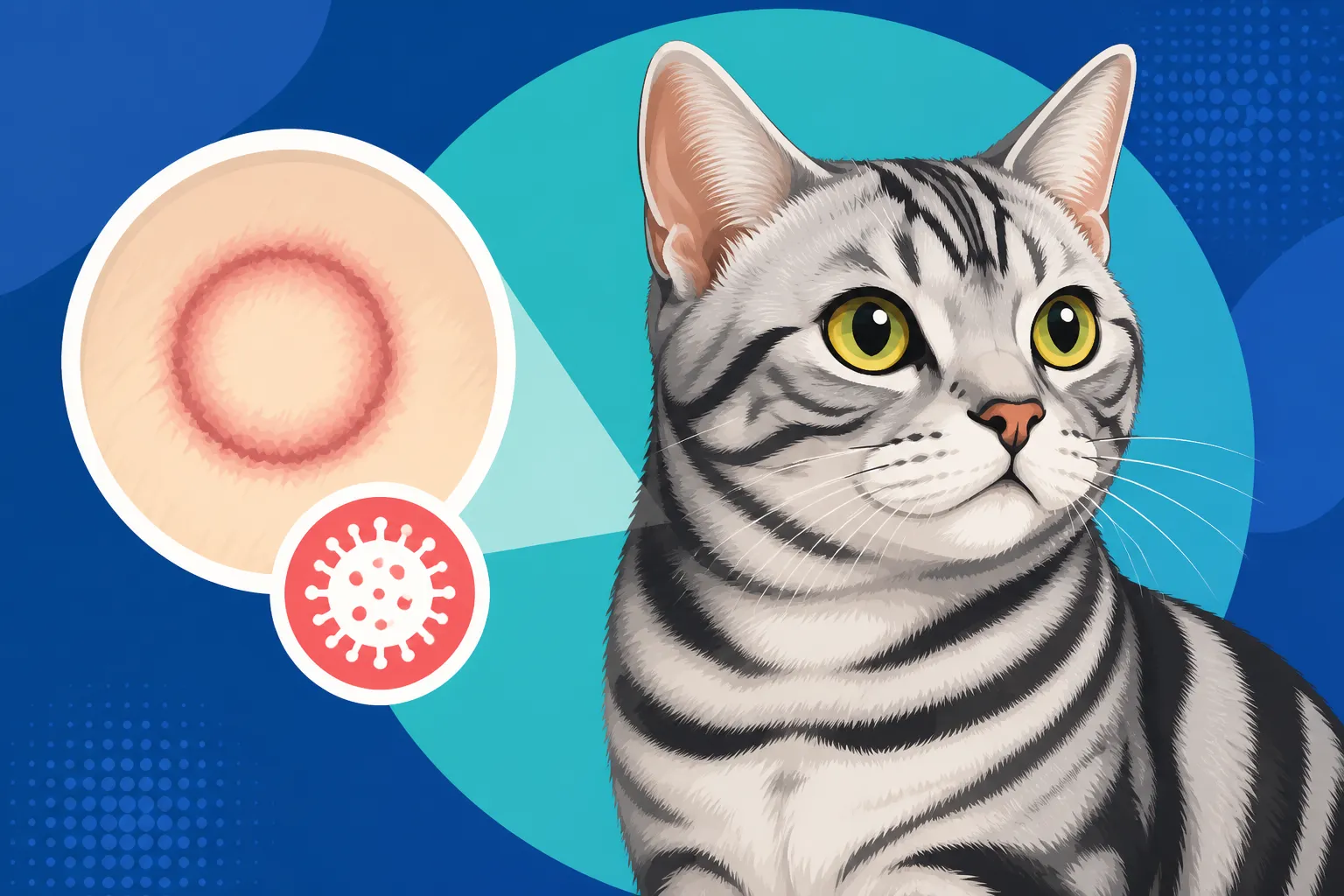
Because your American Shorthair's coat is short, you might think it'd be easy to spot any skin irregularities. However, ringworm doesn't always present as the classic "ring" lesion with a bald center and red, inflamed edges. In cats, especially, the signs can be much more subtle and easily overlooked in the early stages.
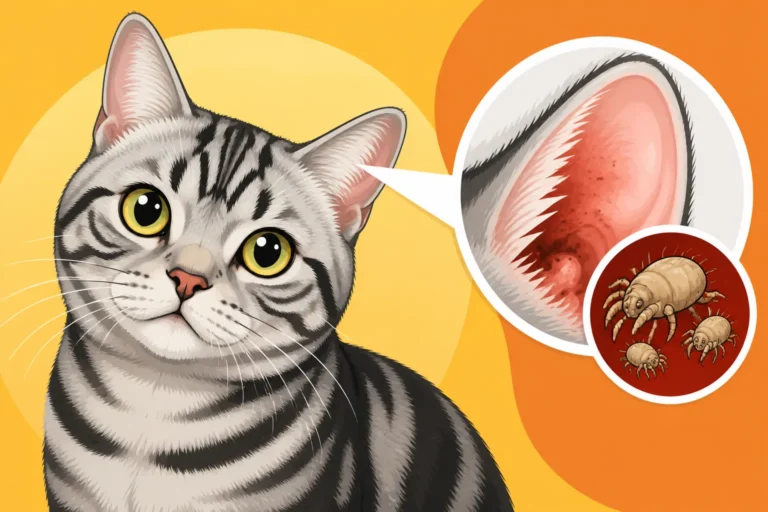
Common signs to watch for include small patches of hair loss that might appear anywhere on the body, but are often noticed first on the face, ears, paws, or tail. These patches might have a scaly, crusty, or flaky appearance. The skin underneath could be red or inflamed, and some cats might experience mild to intense itching, though this isn't always present. Sometimes, the only sign is a broken hair shaft, making the fur look thin or ragged in a particular spot. Given that American Shorthairs are typically stoic and not overly vocal about discomfort, these subtle signs can be missed during routine petting. It's important to make a habit of thoroughly checking your cat's skin during your regular bonding time, paying close attention to areas that might not be immediately visible, like under the chin, in the armpits, or between the paw pads. Early detection is key to preventing the spread and initiating treatment before it becomes a widespread issue.
Factors Increasing Ringworm Risk for American Shorthairs
While ringworm can affect any cat, certain factors can make your American Shorthair more susceptible. It's not just about what they look like, but their lifestyle, age, and general health. Understanding these elements can help you be more proactive in prevention.
Age, Immune Status, and Environmental Exposure
Just like in humans, very young and very old cats often have compromised immune systems, making them more vulnerable to infections like ringworm. American Shorthair kittens, with their developing immune systems, are particularly at risk, especially if they come from a multi-cat household or a breeder where hygiene might have been less than stellar. Similarly, senior American Shorthairs, whose immune responses may naturally decline with age, can also be more susceptible. Stress can also play a significant role in weakening immunity. A stressful event, like a move to a new home or the introduction of a new pet, can make an otherwise healthy adult cat more vulnerable.
Beyond age and stress, environmental exposure is a huge factor. While an indoor-only American Shorthair isn't immune, those with outdoor access face a much higher risk. Outdoors, they can come into direct contact with infected soil, other animals (wildlife or strays) carrying the fungus, or contaminated surfaces. They might pick up spores while exploring under bushes or even interacting with another neighborhood cat. This is why considerations like Which injuries an outdoor American Shorthair comes home with and Whether an outdoor American Shorthair needs FeLV cover are crucial for cats that roam, as outdoor life simply introduces a greater spectrum of risks beyond just ringworm.
Multi-Pet Households and Grooming Habits
If you live in a multi-pet household, the risk of ringworm spreading can increase dramatically. One infected pet can quickly become the source of an outbreak, easily passing spores to other cats, dogs, or even small animals like guinea pigs. Imagine an infected kitten playing with an older American Shorthair; the spores are transferred through direct contact during play. Then, if that older cat uses the same scratching post or sleeps in shared bedding, the spores continue to spread.
Even for a breed known for its meticulous self-grooming – you can learn more about How much time an American Shorthair spends grooming itself – shared grooming tools like brushes can be a vector. While most American Shorthairs rarely need extensive grooming, if you ever use a brush on multiple pets, it's vital to sanitize it regularly. The same goes for litter boxes, food bowls, and water dishes, though direct transmission through these is less common than through items that come into contact with fur and skin, like beds and toys. Maintaining rigorous hygiene in a multi-pet household, especially when introducing new animals, is paramount to preventing a widespread ringworm issue.
Traveling and Boarding Risks
Bringing your American Shorthair to new environments, such as a boarding facility, a cattery, or even the vet's office, can introduce them to ringworm spores. Boarding facilities, despite their best efforts, can sometimes be sources of infection due to the constant turnover of animals. If a previous boarder had ringworm, spores could linger on surfaces or in bedding, waiting for your unsuspecting cat. Similarly, cat shows, while exciting, bring many cats into close proximity, increasing the chance of spore transmission.
The stress of travel itself can also lower your cat's immune system, making them more susceptible to picking up infections they might otherwise fight off. If you're wondering Whether an American Shorthair copes with boarding, it's important to consider that beyond the emotional stress, there are also physical health risks like ringworm. Before boarding your American Shorthair, it's wise to research the facility's cleaning protocols and vaccination requirements. Ensuring your cat is as healthy and stress-free as possible before any travel or boarding situation can also help bolster their natural defenses.
Diagnosis and Treatment for Your American Shorthair
Discovering your beloved American Shorthair has ringworm can be alarming, but the good news is that it’s usually treatable. The key is prompt and accurate diagnosis, followed by a consistent treatment plan.
Getting a Proper Diagnosis at the Vet
If you suspect your American Shorthair has ringworm, the first and most crucial step is a trip to your veterinarian. While some people try home remedies or make assumptions, a proper diagnosis is essential because other skin conditions can mimic ringworm, such as bacterial infections, allergies, or even flea dermatitis. Given that American Shorthairs are typically robust, it's rare to see conditions like How rarely an American Shorthair gets a skin complaint, so any skin issue should be taken seriously.
Your vet will likely start with a physical examination, carefully looking at any suspicious lesions. They might use a Wood's Lamp, which emits ultraviolet light. About 50-60% of ringworm cases, specifically those caused by Microsporum canis, will fluoresce a characteristic apple-green color under the lamp. However, a negative Wood's Lamp test does not rule out ringworm, as other species of fungus don't fluoresce, and even M. canis might not glow if the fungal elements aren't actively growing. The definitive diagnosis usually comes from a fungal culture, where hair and skin samples are placed on a special growth medium (Dermatophyte Test Medium or DTM). If ringworm is present, the fungus will grow and typically cause a color change in the medium, confirming the diagnosis. This process can take a few days to a couple of weeks, so patience is required, but it's the most reliable method.
Comprehensive Treatment Approaches
Once ringworm is confirmed, your vet will outline a treatment plan tailored to your American Shorthair's specific situation. Treatment generally involves a combination of topical and oral medications, along with rigorous environmental decontamination.
For localized infections, topical treatments might be sufficient. This could include medicated shampoos containing miconazole or chlorhexidine, or antifungal dips, such as lime sulfur, which is known for its effectiveness against ringworm but can be messy and has a strong smell. These topical treatments need to be applied diligently, often every few days for several weeks, to kill the spores on the skin and coat. For more widespread or stubborn infections, oral antifungal medications are usually prescribed. Common options include itraconazole or terbinafine. These medications work systemically to kill the fungus from within and are typically given daily for several weeks, or even months, depending on the severity and response to treatment.
It’s important to stick to the vet's instructions precisely, even if your cat seems to be improving, as stopping treatment too early can lead to recurrence. While the cost of treating ringworm can add up, especially with oral medications and repeated vet visits, having pet insurance like Healthy Paws can certainly help manage these unexpected expenses. They can provide significant relief for treatments that might otherwise be a financial strain, helping ensure your American Shorthair gets the care they need. This is one of the many reasons why many owners find that Whether insurers price the American Shorthair low is less important than having comprehensive coverage when health issues arise.
Managing the Environment and Preventing Recurrence
Treating the cat is only half the battle; tackling the environment is equally, if not more, important to prevent reinfection and spread to other pets or humans. Ringworm spores are incredibly hardy and can survive for a long time in your home.
Environmental decontamination involves thorough cleaning and disinfection. This means frequently vacuuming carpets, rugs, and upholstery (and immediately disposing of the vacuum bag or emptying and cleaning the canister). All bedding, blankets, and washable toys should be laundered in hot water with detergent and dried on high heat. Hard surfaces can be disinfected with a diluted bleach solution (1 part bleach to 10 parts water) or an accelerated hydrogen peroxide solution, making sure to let it sit for at least 10 minutes before wiping clean. Any items that cannot be thoroughly disinfected, such as heavily contaminated scratching posts, might need to be discarded. During treatment, it’s also wise to limit your American Shorthair to easily cleanable areas, if possible, to contain the spread of spores. Continuing these environmental measures, even after your cat starts to recover, is crucial until your vet confirms your American Shorthair is completely clear of the infection, usually through two or more negative fungal cultures taken a few weeks apart.
Proactive Measures to Protect Your American Shorthair
While ringworm can be a frustrating experience, there are many proactive steps you can take to minimize the risk for your American Shorthair and keep them healthy and happy.
Regular Health Checks and Immune Support
One of the best lines of defense against any illness, including ringworm, is maintaining your American Shorthair's overall health. Regular veterinary check-ups are paramount. Your vet can spot subtle signs of skin issues you might miss and ensure your cat is in top condition. This is why it's so important that How regularly a healthy American Shorthair still needs checking isn't overlooked. During these visits, your vet can assess their immune system and recommend preventative measures.
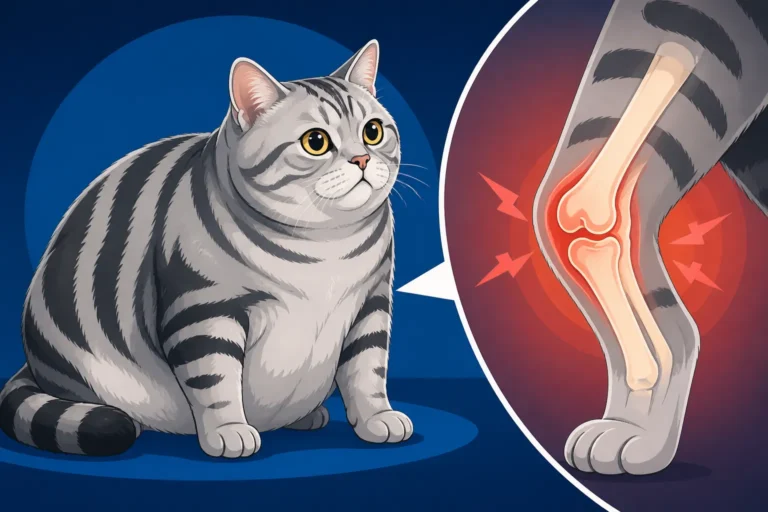
Good nutrition plays a vital role in immune health. Ensure your American Shorthair is on a high-quality diet appropriate for their age and activity level. Maintaining a healthy weight is also crucial, as obesity can stress the immune system and make grooming more difficult, potentially leading to skin issues. If you're unsure What an American Shorthair should weigh at its frame, your vet can help you assess their body condition. For cats that once worked for their meals, understanding Feeding an American Shorthair that no longer hunts its food is key to preventing weight gain and supporting their health. Minimizing stress in their environment also contributes significantly to a robust immune system. American Shorthairs are generally adaptable, but sudden changes or chaotic environments can still impact their well-being.
Maintaining a Clean Living Space
Even for an indoor-only American Shorthair, a clean living environment is fundamental in preventing ringworm and other infections. Regular household cleaning, especially in areas your cat frequents, helps to remove stray spores that might be tracked in from outside. Vacuuming carpets and washing pet bedding weekly are simple but effective measures.
Think about surfaces your cat routinely rubs against or sleeps on – these are prime spots for spore accumulation. Disinfecting these areas periodically, particularly if you have visitors with pets or have been somewhere potentially contaminated, can add an extra layer of protection. While you don't need to bleach your house daily, a consistent cleaning routine goes a long way. Investing in a good vacuum cleaner with a HEPA filter can also help capture microscopic spores and dander, improving overall air quality and reducing potential environmental contaminants.
Smart Socialization and Vigilance
If your American Shorthair interacts with other animals, whether in your home or during visits to friends or family, practice smart socialization. Always introduce new pets slowly and observe them for any signs of illness, especially skin lesions, before allowing close contact. If you're considering bringing a new cat into the home, ensure they have a clean bill of health from a vet.
Be vigilant about monitoring your American Shorthair's skin and coat. During your daily interactions and petting sessions, take a moment to run your hands over their entire body, feeling for any bumps, scabs, or rough patches. Gently part their fur to look at the skin, especially on their ears, chin, and paws. The sooner you notice a problem, the sooner you can address it, preventing it from becoming more severe or spreading. If you notice anything suspicious, contact your vet immediately. It's always better to be overly cautious when it comes to skin issues that could be contagious, both for your cat's health and the health of everyone in the household.
Comparing Common Fungal and Bacterial Skin Issues in American Shorthairs
It's easy to mistake one skin problem for another. Here's a quick comparison of ringworm symptoms with other common skin conditions you might see in your American Shorthair.
| Condition | Cause | Typical Appearance in American Shorthairs | Itchiness | Contagious? (to pets/humans) | Key Diagnostic Method |
|---|---|---|---|---|---|
| Ringworm | Fungus (Dermatophytes) | Circular patches of hair loss, scaly skin, red borders. Not always "ring-like." Can be subtle. | Variable (mild to intense) | Yes | Fungal Culture (Wood's Lamp can assist) |
| Flea Dermatitis | Flea bites (allergy) | Small red bumps, scabs (miliary dermatitis), hair loss (especially near tail base). Flea dirt often present. | Intense | No (but fleas spread) | Flea comb, skin exam for fleas/flea dirt |
| Bacterial Pyoderma | Bacterial infection | Red pustules, crusts, epidermal collarettes (circular lesions with a peeling edge), greasy fur. | Variable (mild to moderate) | No | Skin cytology, bacterial culture |
| Allergic Dermatitis | Environmental/Food allergies | Generalized itching, red skin, ear infections, overgrooming, sometimes hair loss. | Intense | No | Elimination diet (food), allergy testing (environmental) |
Disclaimer
The information provided in this article is intended for educational purposes only and should not be considered a substitute for professional veterinary advice. Always consult with a qualified veterinarian for any health concerns or before making any decisions about your American Shorthair's care.