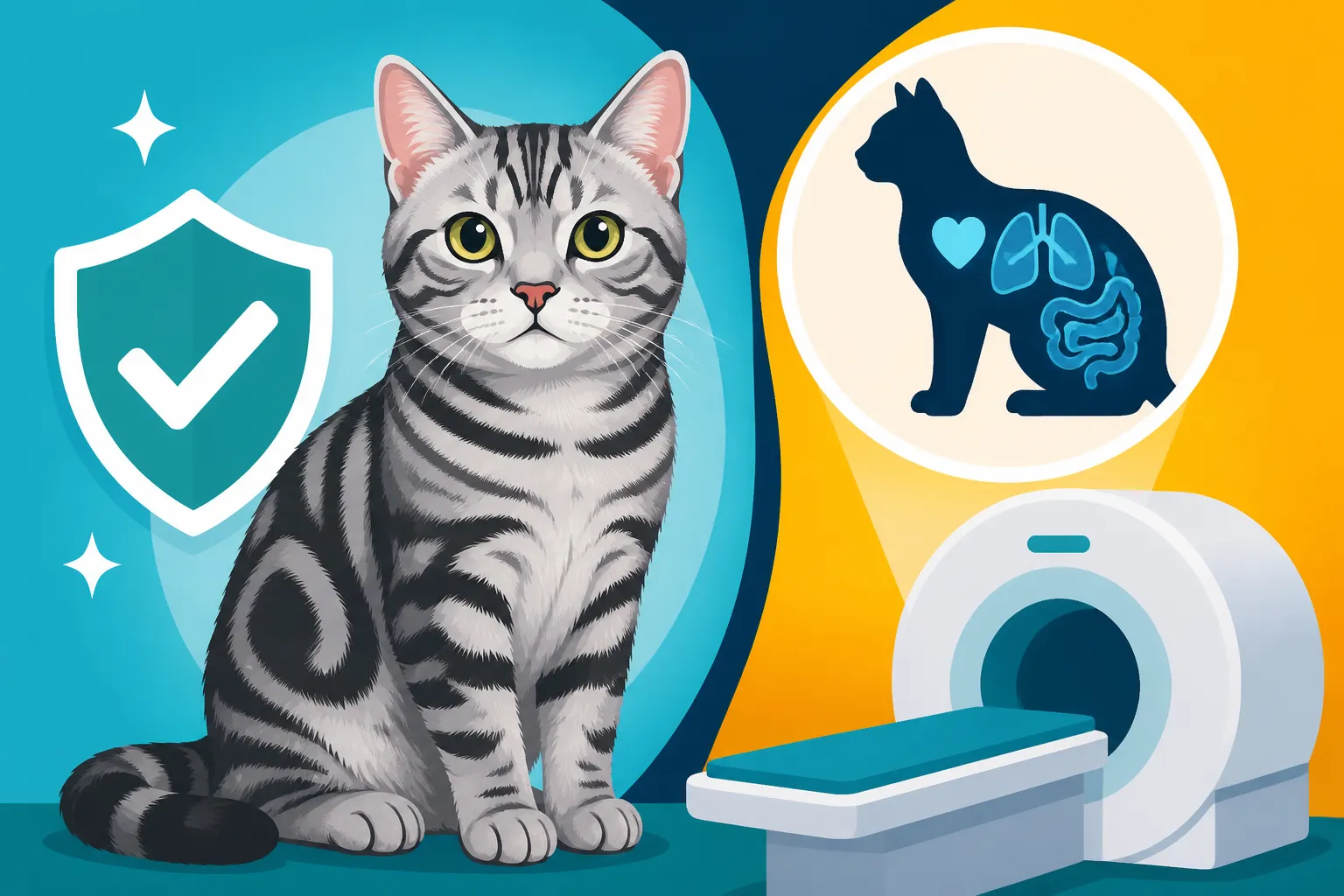
Why an Untested Adult American Shorthair Should Still Be Scanned
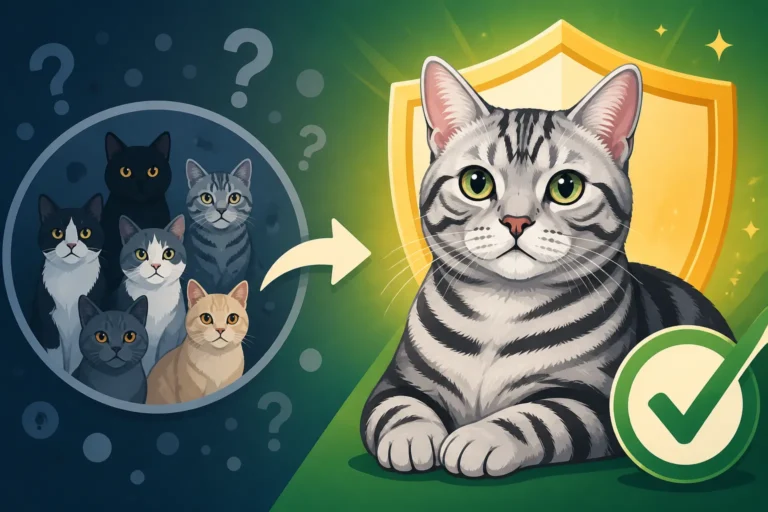
You've just brought home an adult American Shorthair, a breed renowned for its sturdy build and generally unflappable nature. Perhaps you adopted them from a shelter, or maybe they came from a previous home where their health history wasn't meticulously documented. It's incredibly tempting to assume such a robust cat is completely free of underlying issues, especially if they seem perfectly healthy on the surface. However, even these famously resilient felines can harbor silent health conditions that only a thorough check can uncover. This guide will walk you through precisely why an elective cardiac scan, specifically an echocardiogram, is a vital step for any untested adult American Shorthair, regardless of their current appearance, to detect potential problems early and ensure they can truly thrive.
Understanding the American Shorthair's Resilient Nature and Its Limits
The American Shorthair has earned its reputation as a sturdy, low-maintenance companion. For centuries, their ancestors were working cats, valued for their ability to keep barns and ships free of rodents. This heritage has shaped them into a breed known for its robust health, adaptability, and generally long lifespan. It’s this very resilience that can sometimes lead owners into a false sense of security, assuming their furry friend is impervious to common feline ailments.
The Myth of the "Bulletproof" Breed
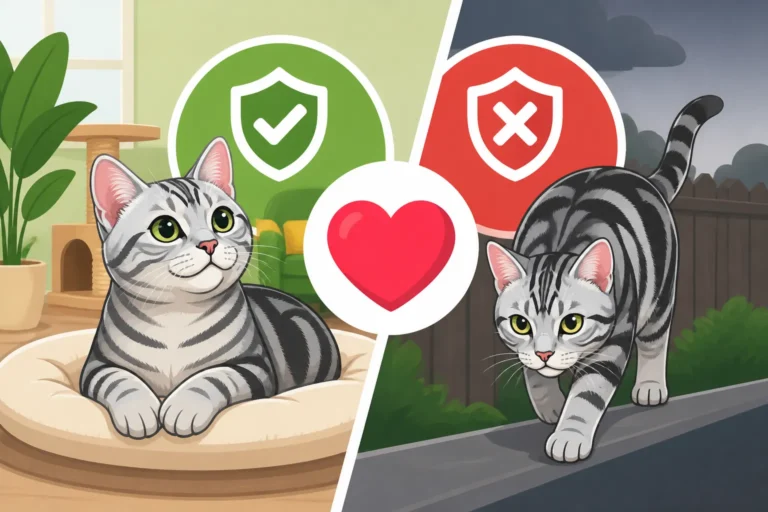
It’s easy to fall into the trap of thinking that because American Shorthairs are considered one of the healthiest purebreds, they're somehow "bulletproof." After all, their history wasn't about delicate breeding for extreme aesthetics; it was about survival and function. This ingrained hardiness often means they don't develop the same widespread, breed-specific genetic issues seen in many other pedigrees. In fact, the American Shorthair is frequently used as a benchmark for health across the feline world. This excellent reputation, while largely deserved, can inadvertently create a blind spot for owners. We see them pouncing, purring, and patrolling, and assume that all is well beneath their handsome tabby coats.
However, no living creature is entirely immune to health challenges, and cats, particularly those who are masters of disguise when it comes to discomfort, are no exception. Relying solely on a cat's outward appearance can delay critical diagnoses, especially for conditions that progress silently. This is why even with their strong genetic foundation, proactive health screening remains a cornerstone of responsible American Shorthair ownership. The very stoicism that makes them such wonderful companions can also mask early signs of trouble, making regular veterinary checks and specific diagnostic tools even more important.
Inherited Conditions Can Lie Dormant
While the American Shorthair's gene pool is notably broad and they haven't been subjected to the kind of selective breeding pressures that introduce numerous designer defects, it doesn't mean they are entirely free from inherited conditions. Certain genetic predispositions can still exist, often quietly, for years before any noticeable symptoms emerge. The most significant of these, and the primary reason for considering a cardiac scan, is Hypertrophic Cardiomyopathy (HCM). This condition, affecting the heart, is a subtle infiltrator, often showing no outward signs until it's reached an advanced stage.
Beyond HCM, other conditions, though less common or less critical to screen for in American Shorthairs specifically, can still develop or be present in varying degrees. These might include certain orthopedic issues related to their sturdy build or even certain metabolic predispositions as they age. The challenge with many of these conditions is their insidious onset. Cats are incredibly adept at hiding pain, illness, or weakness, a trait inherited from their wild ancestors who needed to appear strong to avoid becoming prey. This instinct means that by the time you notice something is wrong, the condition might be much more advanced than it otherwise would have been with early detection. Understanding Which Diseases the American Shorthair Actually Carries can help you prioritize screening efforts.
The Silent Threat of Hypertrophic Cardiomyopathy (HCM)
Hypertrophic Cardiomyopathy (HCM) is the most common heart disease in cats, and while the American Shorthair is thankfully less prone to it than some other breeds, it is still a significant concern. The danger of HCM lies in its stealthy progression, often without any obvious symptoms until the disease has become quite severe.
What is HCM and How it Affects American Shorthairs
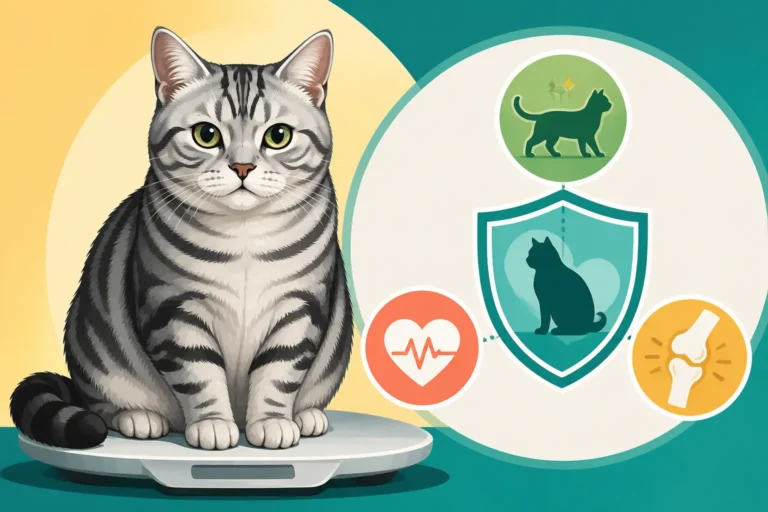
HCM is characterized by the thickening of the muscular walls of the heart, particularly the left ventricle. This thickening makes the heart less efficient at pumping blood throughout the body. The thickened muscle reduces the chamber's volume and stiffens it, impairing its ability to fill properly with blood between beats. Over time, this can lead to a host of secondary issues, including congestive heart failure, blood clots, and even sudden cardiac death. In the American Shorthair, even with their robust general health, this condition remains the one inherited disease that has persisted. It's not as prevalent as in some "designer" breeds, but it's present enough that vigilance is warranted, especially in adult cats whose history isn't fully known.
The insidious nature of HCM means that a cat can appear perfectly normal for years, sometimes their entire life, only for the disease to suddenly manifest in a crisis. The thickening process can be gradual, and a cat's body is incredibly adaptive, often compensating for reduced heart function until it simply can't anymore. This is why waiting for symptoms is a risky gamble. For American Shorthairs who are typically calm and less prone to overt displays of discomfort, these subtle changes can be even harder for an owner to pick up on, emphasizing the need for objective diagnostic tools.
Why an Adult Cat Needs Scanning Even Without Symptoms
The primary reason an adult American Shorthair, particularly one with an unknown history, absolutely warrants a cardiac scan is because HCM frequently progresses without any outward signs. Think about it: a cat might seem to just be "slowing down" or "getting a bit lazy" with age, when in reality, their heart is struggling. Symptoms like increased respiratory rate, lethargy, loss of appetite, or coughing are often indicators that the disease has progressed significantly, potentially to heart failure, making treatment much more challenging and the prognosis less favorable. In some tragic cases, the very first sign of HCM can be sudden collapse or even death due to complications like arterial thromboembolism (a saddle thrombus), where a blood clot from the heart travels down and blocks blood flow to the hind legs, causing acute paralysis.
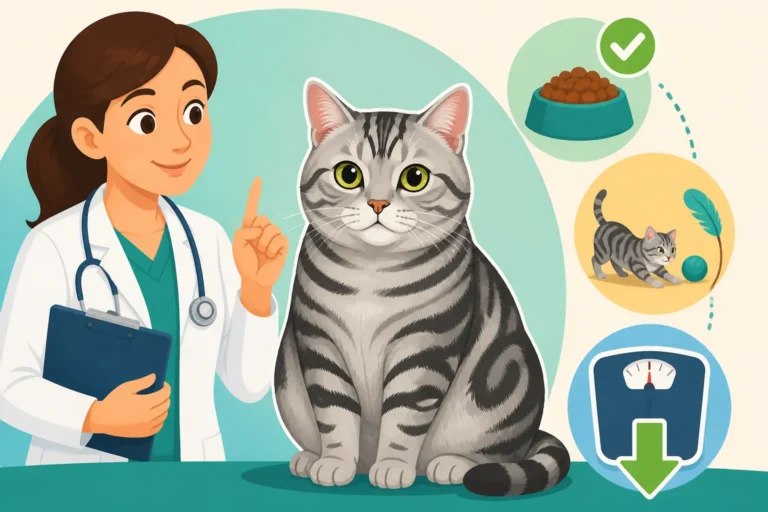
An echocardiogram can detect these heart changes long before they become clinically apparent. This early detection is invaluable. It allows your veterinarian to establish a baseline, monitor the progression, and, if necessary, begin medical management to slow the disease, improve heart function, and reduce the risk of secondary complications. This proactive approach can significantly extend the quality and length of your American Shorthair's life. Considering How Rare HCM Is in an American Shorthair, it might not be a common event, but the consequences of missing it are severe, making the scan a worthwhile investment in their health.
The Limitations of Genetic Testing for HCM
It's natural to wonder if a simple genetic test could offer peace of mind when it comes to HCM. While genetic tests are available for HCM in some breeds, notably the Maine Coon and Ragdoll, the situation is more complex for the American Shorthair. At present, there isn't a single, universally applicable genetic marker that can definitively clear an American Shorthair for HCM. The genetic basis for the disease in this breed is understood to be polygenic, meaning multiple genes or a combination of genes and environmental factors likely contribute to its development, rather than a single identifiable mutation.
Therefore, relying on a genetic test alone for an American Shorthair could provide a false sense of security. A "negative" genetic test result does not guarantee that your cat won't develop HCM, nor does it mean they aren't carriers of other genes that could lead to the condition. This is precisely Why a Gene Test Cannot Clear an American Shorthair's Heart. Because of this genetic complexity, the echocardiogram remains the gold standard for diagnosing HCM in American Shorthairs. It directly visualizes the heart's structure and function, allowing veterinary cardiologists to identify the physical changes characteristic of the disease, regardless of the underlying genetic cause. This diagnostic clarity is why annual or bi-annual scans are often recommended for breeding American Shorthairs and are so critical for untested adults.
What a Cardiac Scan Entails and Its Benefits
Deciding to get a cardiac scan for your untested adult American Shorthair is a significant step toward ensuring their long-term health. Understanding what the procedure involves and what benefits it offers can help alleviate any concerns you might have.
The Echocardiogram Procedure
An echocardiogram is essentially an ultrasound of the heart. It’s a non-invasive, painless procedure that provides real-time images of your cat’s heart structure and how it’s functioning. During the scan, your American Shorthair will typically lie comfortably on their side, often on a padded table with an indentation for the ultrasound probe. A small area of fur on their chest might be shaved to ensure good contact, and a water-soluble gel will be applied to help the ultrasound waves transmit effectively. A board-certified veterinary cardiologist, or a veterinarian trained in echocardiography, will then use a handheld probe to visualize the different chambers of the heart, measure wall thickness, assess valve function, and observe blood flow.
The process usually takes between 20 to 45 minutes, depending on your cat's cooperation and the findings. Most American Shorthairs, given their calm and tolerant temperament, handle the procedure remarkably well without the need for sedation. The vast majority will simply lie there, perhaps purring, while the cardiologist works. The whole experience is far less stressful for them than many owners anticipate, and the wealth of information gained is truly priceless. This is also why Why an American Shorthair Still Needs a Yearly Heart Scan (at least for breeding animals) is a key part of responsible breeding, and a similar principle applies to adult cats with unknown pasts.
Interpreting the Results
Once the echocardiogram is complete, the cardiologist will meticulously review the images and measurements. They'll be looking for any abnormalities, particularly the tell-tale thickening of the ventricular walls that defines HCM. They'll also assess other crucial aspects like the size of the heart chambers, the movement of the valves, the contractility of the heart muscle, and the pattern of blood flow within the heart. These detailed measurements and observations allow them to determine if the heart is structurally normal, if there are early, mild changes that warrant monitoring, or if a definitive diagnosis of HCM can be made.
If the heart appears normal, you’ll have invaluable peace of mind, knowing that a significant risk factor has been ruled out. If mild changes are noted, your vet might recommend periodic re-scans to monitor for progression. Should HCM be diagnosed, it's certainly concerning, but it’s not an immediate death sentence. Early diagnosis opens the door to therapeutic interventions. Your vet can discuss medications that help manage symptoms, improve heart function, and potentially slow the progression of the disease. This is where understanding How a Cardiologist Reads an American Shorthair's Scan becomes critical, as their expertise can guide the best course of action.
Peace of Mind and Proactive Care
The most significant benefit of an echocardiogram for your untested adult American Shorthair is the profound peace of mind it offers. Knowing your cat’s cardiac status allows you to engage in truly proactive care. If the scan is clear, you can breathe a sigh of relief, knowing one major silent threat isn't lurking. If HCM is detected, even in its early stages, it empowers you and your vet to create a tailored management plan. This might include dietary adjustments, medications to support heart function, or even aspirin to reduce the risk of blood clot formation. Learning Which Drugs Slow an American Shorthair's Heart Disease can make a huge difference in their quality of life.
Early intervention means you can potentially delay the onset of severe symptoms, extend their comfortable lifespan, and avoid sudden, devastating crises. This foresight also allows for better financial planning. Diagnostic tests and ongoing medications can be costly, and having a pet insurance plan like Healthy Paws in place before a diagnosis can be incredibly beneficial. They offer comprehensive coverage for accidents and illnesses, which can certainly include conditions like HCM once diagnosed, helping to offset the expense of managing a chronic condition. Investing in this scan is not just about identifying a problem; it's about investing in the longest, healthiest, and happiest life possible for your beloved American Shorthair.
Beyond the Heart: Other Reasons for a Comprehensive Adult Check-up
While cardiac health is a major concern for untested adult American Shorthairs, a thorough veterinary examination should always extend beyond just the heart. Many other conditions can silently impact a cat's quality of life and longevity, making a comprehensive wellness check-up essential, especially when you don't have a complete health history.
Dental Health and Hidden Pain
Dental disease is one of the most common ailments in adult cats, often going unnoticed by owners until it's quite advanced. American Shorthairs, with their stoic nature, are particularly good at hiding the discomfort associated with painful teeth, inflamed gums, or tooth resorption. They might continue to eat, albeit perhaps a bit slower, or you might only notice subtle changes like bad breath. But beneath the surface, chronic oral infections can lead to significant pain, making eating difficult, and even contributing to systemic issues by allowing bacteria to enter the bloodstream and affect organs like the heart, kidneys, and liver.
During a comprehensive vet visit, the veterinarian will perform an oral examination. While a full assessment of dental health often requires sedation and dental X-rays to visualize the tooth roots, an initial exam can flag obvious problems like tartar buildup, gingivitis, or visibly damaged teeth. Catching these issues early can prevent further pain and more complex (and costly) dental procedures down the line. It's a harsh reality that Why an American Shorthair Loses Teeth Nobody Noticed is often due to their incredible ability to mask discomfort, making regular dental checks crucial.
Kidney and Thyroid Screening
As American Shorthairs age, even with their excellent genetic background, they become susceptible to common age-related conditions like kidney disease and hyperthyroidism. These diseases also tend to creep up slowly, with early symptoms often vague or easily mistaken for normal aging. Kidney disease, for instance, involves a gradual decline in kidney function, often leading to increased thirst and urination, but these might not be noticeable until a significant portion of kidney function is already lost. Similarly, hyperthyroidism (an overactive thyroid gland) can cause weight loss despite a good appetite, hyperactivity, or a greasy coat, but these signs can be subtle at first.
Routine blood and urine tests, usually performed as part of an annual adult wellness panel, can detect early markers for these conditions. Catching kidney disease or hyperthyroidism in their initial stages allows for dietary management, medication, and other interventions that can significantly slow progression and improve your cat’s quality of life for many years. Regular screening, especially for an adult American Shorthair with an unknown history, provides a critical baseline and allows for prompt action should any values fall out of the normal range. Understanding How Kidney Disease Creeps Up on an Old American Shorthair can underscore the importance of these routine tests.
General Wellness and Baseline Establishment
Bringing an untested adult American Shorthair into your home means you don't have their medical history, which includes a baseline of what's "normal" for them. A comprehensive initial vet visit is the perfect opportunity to establish this baseline. Beyond the heart scan, dental check, and bloodwork for kidney and thyroid function, a full physical exam will assess their overall body condition, listen to their lungs, palpate their abdomen, check their eyes and ears, and evaluate their joint mobility. This detailed assessment creates a crucial reference point.
In the future, any subtle changes in weight, appetite, energy levels, or physical condition will be more easily identified against this established healthy baseline. This proactive approach allows for the earliest possible detection of various health concerns, from early arthritis to emerging cancer, improving treatment outcomes dramatically. Remember, an insurance provider like Healthy Paws can be a valuable partner in managing these unexpected health costs. While they don't cover pre-existing conditions, establishing a comprehensive health record now can ensure coverage for any new illnesses that might arise later. Taking the time for a thorough check-up, including a full panel of tests, ensures you know exactly What a Full American Shorthair Panel Actually Screens For and gives you the best foundation for a lifetime of care.
| Aspect | Untested Adult American Shorthair | American Shorthair with Known History |
|---|---|---|
| Cardiac Screening (Echo) | Highly Recommended/Crucial: To rule out undiagnosed HCM. | Periodic: Based on breeder history, past clear scans, age. |
| Dental Exam | Essential: To identify hidden pain, infection, or disease. | Routine: Annual checks, potentially less frequent if history is perfect. |
| Bloodwork (Senior Panel) | Essential: To screen for kidney, thyroid, and other metabolic issues. | Routine: Annual/biennial, especially after age 7. |
| Urine Analysis | Recommended: To assess kidney function and urinary health. | Routine: Annual/biennial, especially after age 7. |
| Overall Physical Exam | Crucial: To establish a complete health baseline. | Routine: Annual wellness checks. |
| Value | Peace of Mind & Proactive Intervention: Catches silent issues early. | Maintenance & Early Detection: Monitors known health. |
Disclaimer
This article is for general informational purposes only and does not constitute professional advice. Laws, prices and regulations vary by location and change over time. Consult a qualified professional for guidance on your specific situation.