How Weight Turns Into Diabetes in an American Shorthair
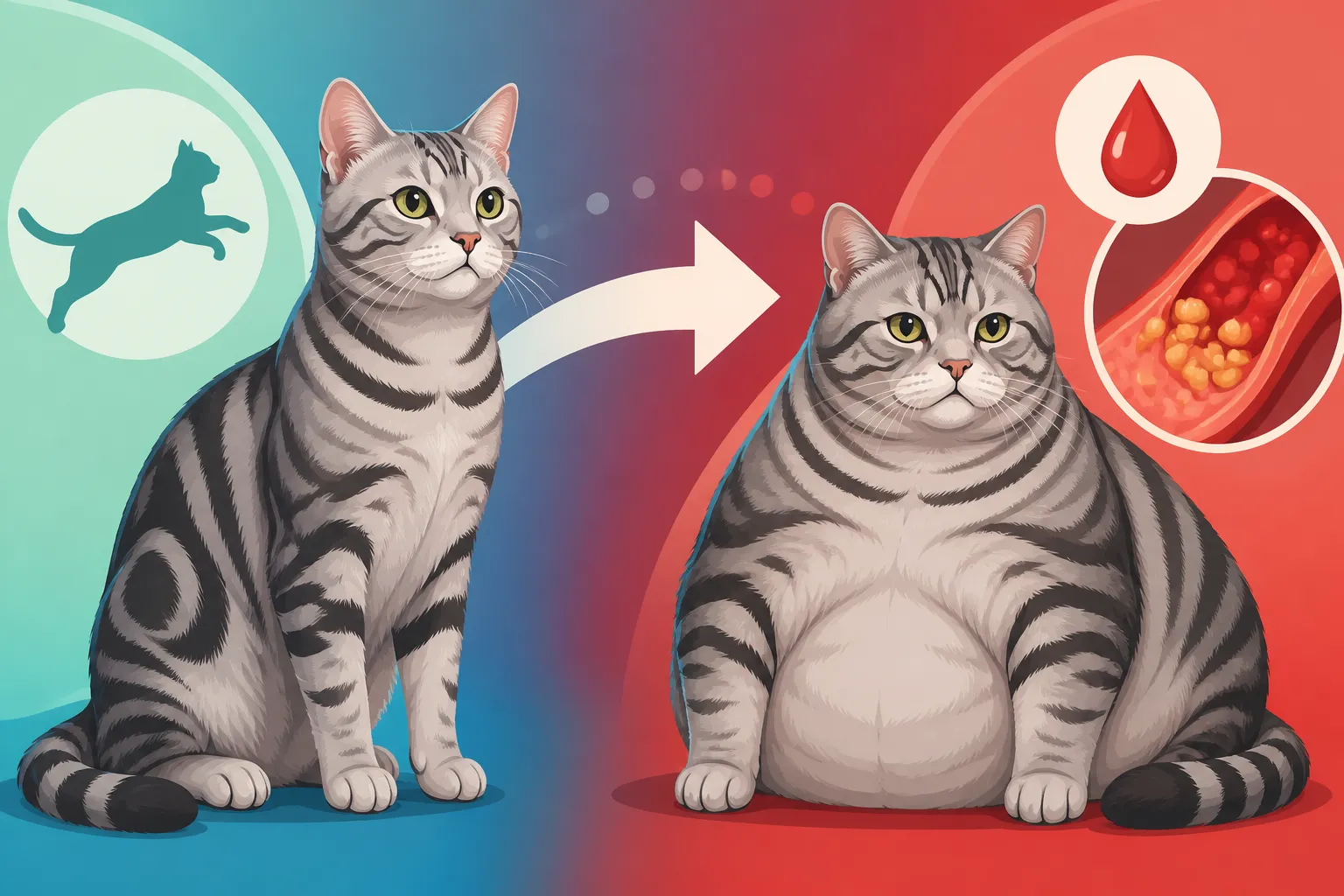
It’s a heartbreaking reality that many American Shorthair owners face: your seemingly robust, perfectly healthy cat starts to gain a little weight, and before you know it, you're grappling with a diagnosis of feline diabetes. This guide will walk you through the insidious journey from a few extra pounds to a serious metabolic condition, helping you understand the ‘how’ so you can better protect your beloved companion from this increasingly common illness.
The American Shorthair’s Vulnerability to Weight Gain
American Shorthairs, with their strong, muscular build and efficient metabolisms, were historically working cats, bred for patrolling barns and ships to control rodent populations. This heritage means they are incredibly adept at turning calories into energy for hunting. The problem arises when their lifestyle shifts dramatically from active outdoor hunters to pampered indoor companions, but their ingrained metabolic efficiency doesn't quite get the memo.
How Modern Lifestyles Lead to Extra Pounds
The transition from a life of constant motion to one of comfortable naps on the sofa, interrupted only by strolls to the food bowl, is a drastic change for any cat, but perhaps especially so for a breed with such a strong working history. Many American Shorthairs today live exclusively indoors, which, while safer from outdoor hazards, inherently limits their physical activity. They simply don't burn as many calories as their ancestors did. This mismatch between calorie intake and energy expenditure is the most straightforward path to weight gain. It’s not about overfeeding necessarily, but about feeding too much for their actual activity level.
Beyond just the lack of strenuous activity, the very structure of their day has changed. Instead of multiple small "hunts" throughout the day, they often get one or two large meals. This can lead to gorging, and without the need to work for their food, calories are consumed quickly and efficiently stored. You might be surprised to learn just How Few Calories an Indoor American Shorthair Burns, which means even a modest increase in portion size or a few too many treats can quickly add up. Understanding these subtle shifts is crucial when you're trying to figure out Why Indoor Life Made the American Shorthair Fat in the first place.
The Impact of Neutering on Metabolism
Neutering or spaying your American Shorthair is an essential part of responsible pet ownership, offering numerous health and behavioral benefits. However, it also has a significant, often underestimated, impact on a cat's metabolism. After being desexed, a cat’s hormonal balance shifts, which typically leads to a decrease in metabolic rate and a corresponding increase in appetite. It’s a double whammy: they need fewer calories but often feel hungrier.
This post-neutering metabolic change means that maintaining a healthy weight requires even more vigilance. Without careful adjustment of their diet and an intentional increase in play, a neutered American Shorthair can gain weight very quickly. Owners often notice their cat "filling out" after surgery, and while some of that is muscle development, a significant portion can be fat. It truly illustrates Why a Neutered American Shorthair Puts On Weight Faster, making proactive dietary management and enriched activity schedules incredibly important from day one.
From Extra Pounds to Insulin Resistance: The Silent Shift
Once those extra pounds start to accumulate, especially around the abdomen, things begin to get a little complicated under the surface. It's not just about aesthetics; that excess fat starts to change how your American Shorthair's body processes sugar, setting the stage for a much more serious condition. This is the silent, often invisible, shift towards insulin resistance.
Understanding Insulin and Glucose Metabolism
To truly grasp how weight leads to diabetes, we need a quick primer on insulin and glucose. Think of glucose (sugar) as the fuel your cat's body uses for energy, derived from the food they eat. Insulin, a hormone produced by the pancreas, acts like a key that unlocks the cells, allowing glucose to enter and be used for energy. Without insulin, glucose builds up in the bloodstream, unable to reach the cells that need it.
In a healthy American Shorthair, this system works flawlessly. When they eat, their blood glucose rises, the pancreas releases insulin, and the insulin helps shuttle that glucose into the cells, lowering blood sugar levels back to normal. It’s a delicate balance, finely tuned to keep your cat energized and healthy. But when too much fat enters the picture, this elegant system starts to falter, and the first sign of trouble is often a developing resistance to insulin’s commands.
When Fat Cells Interfere with Insulin Sensitivity
This is where the extra weight becomes problematic. Fat cells, particularly those accumulating around the organs in the abdominal cavity, aren’t just inert storage depots; they’re metabolically active. They release a cocktail of inflammatory chemicals and hormones that can directly interfere with insulin's ability to do its job. Imagine those fat cells are throwing monkey wrenches into the locks on your cat's cells, making it harder for insulin's key to turn.
As a result, the body's cells become less responsive to insulin – they become "insulin resistant." This means the pancreas has to work harder and produce more insulin to achieve the same effect of getting glucose into the cells. For a while, the pancreas might be able to keep up, churning out extra insulin to compensate. During this phase, your cat's blood glucose levels might still appear normal, masking the underlying struggle. However, this compensatory mechanism isn't sustainable indefinitely, and the relentless strain on the pancreas is what paves the way for diabetes. It’s a classic example of What Extra Weight Does to an American Shorthair's Working Frame, impacting not just their physical mobility but their internal machinery.
The Pancreas Under Siege: When Resistance Becomes Diabetes
The period of insulin resistance is like a ticking clock. The pancreas, a small but mighty organ, is working overtime, desperately trying to produce enough insulin to overcome the cells' stubborn refusal to absorb glucose. But even the most robust American Shorthair pancreas has its limits.
The Exhaustion of Pancreatic Beta Cells
The beta cells in the pancreas are the unsung heroes responsible for producing insulin. When faced with persistent insulin resistance, these beta cells are constantly stimulated to produce more and more insulin. It’s like being forced to run a marathon every single day without rest. Over time, this constant demand takes a massive toll.
These precious beta cells become exhausted. They can no longer keep up with the body's insatiable demand for insulin. Some beta cells might even start to die off, reducing the pancreas's overall capacity to produce insulin. At this point, the amount of insulin being produced is simply insufficient to overcome the resistance, and blood glucose levels, which may have been borderline for a while, begin to rise consistently and dangerously high. This inability of the pancreas to produce enough effective insulin, coupled with existing insulin resistance, is the hallmark of Type 2 diabetes in cats.
The Tipping Point: Diagnosing Feline Diabetes
The shift from insulin resistance to full-blown diabetes is often a gradual, insidious process, but there comes a definite tipping point. This is when the pancreatic beta cells can no longer produce enough insulin to control blood glucose levels effectively, even with the remaining cells working as hard as they can. High glucose levels then start circulating freely in the bloodstream, leading to the clinical signs we associate with diabetes.
Diagnosing diabetes in an American Shorthair usually involves a combination of elevated blood glucose readings and the presence of glucose in the urine. Vets will often perform a fructosamine test, which gives an average blood glucose level over the past 2-3 weeks, providing a more stable picture than a single stress-induced high blood glucose reading. It’s a moment of truth for many owners, as a condition that started as "just a little extra weight" now has a serious medical name and requires dedicated management. This is why regular vet checks, including discussions about your cat's weight and subtle changes in behavior, are so important.
Spotting the Subtle Signs of Emerging Diabetes
One of the trickiest things about feline diabetes, especially in a stoic breed like the American Shorthair, is that the early signs can be incredibly subtle or easily mistaken for other issues. Cats are masters at hiding discomfort and illness, and your American Shorthair, with its independent nature, might not overtly complain until the condition is quite advanced.
Increased Thirst and Urination
The classic early warning signs of diabetes are increased thirst (polydipsia) and increased urination (polyuria). When there’s too much sugar in the blood, the kidneys try to filter it out. As glucose is excreted in the urine, it pulls water with it, leading to a higher volume of urine. This, in turn, makes your cat feel perpetually thirsty, so they'll drink more to compensate for the fluid loss.
You might notice your American Shorthair making more frequent trips to the water bowl or spending more time there. The litter box might need scooping more often, and the clumps might be larger or more numerous than usual. While an American Shorthair might be a bit more reserved about showing these things, paying attention to changes in routine can be invaluable. It’s critical to ask yourself How to Tell If an American Shorthair Drinks Enough, and if you suspect any change, remember Why a Thirsty American Shorthair Should Be Tested promptly.
The Paradox of Weight Loss Despite Increased Appetite
This symptom often catches owners off guard. You might think, "My cat is eating more, so they must be healthy!" But in a diabetic cat, despite consuming more food, they often lose weight. This is because, without enough insulin, glucose can't get into the cells to be used for energy. So, even though there's plenty of fuel in the bloodstream, the body's cells are essentially starving.
To compensate, the body starts breaking down fat and muscle for energy, leading to a paradoxical weight loss even with a ravenous appetite. Your American Shorthair might seem hungrier than ever, begging for food more frequently, but gradually becoming thinner. This is a critical sign that something is metabolically amiss. Combine this with increased thirst and urination, and it's a strong indicator that a vet visit is needed immediately. A simple check for How to Spot Weight Gain on a Square Built American Shorthair can help you track these subtle body changes.
Life with Feline Diabetes: Long-Term Impacts
A diagnosis of diabetes is certainly scary, but it's not a death sentence. With diligent care, many American Shorthairs can live fulfilling lives. However, uncontrolled or long-standing diabetes can lead to a host of secondary complications that significantly impact their quality of life and potentially shorten their lifespan.
Neuropathy and Kidney Concerns
One of the most common long-term complications of uncontrolled diabetes in cats is diabetic neuropathy. High blood sugar levels can damage the nerves, particularly in the hind legs. You might notice your American Shorthair starting to walk with a peculiar plantigrade stance, meaning they walk flat on their hocks (ankles) rather than on their toes like a typical cat. They might seem weaker in their hindquarters or less willing to jump and climb. This nerve damage can be painful and debilitating.
Beyond neuropathy, the kidneys are also highly vulnerable. Prolonged high blood glucose puts a significant strain on these vital organs, leading to diabetic nephropathy. Over time, this can impair kidney function, potentially leading to chronic kidney disease. Regular monitoring of kidney values becomes an essential part of managing a diabetic cat, often requiring a thorough What an American Shorthair's Senior Panel Costs examination.
Increased Risk of Infections and Other Illnesses
Diabetic cats are generally more susceptible to infections due to the impaired immune response often associated with high blood sugar. Urinary tract infections (UTIs) are particularly common because the sugar in the urine creates a hospitable environment for bacteria. These can be painful and, if left untreated, lead to more severe kidney infections.
Beyond UTIs, diabetic American Shorthairs can also be more prone to skin infections, dental problems, and even cataracts, though cataracts are less common in felines than in diabetic dogs or humans. The constant battle against infection and the stress on internal organs can take a heavy toll on their overall health and contribute to How Many Years Extra Weight Takes Off the American Shorthair's Lifespan. Comprehensive veterinary care, including regular check-ups and prompt treatment of any suspected infection, is paramount. Insurance providers like Healthy Paws can often help cover these unexpected veterinary costs associated with managing a chronic condition.
Turning the Tide: Prevention and Early Intervention
While a diabetes diagnosis can feel overwhelming, the good news is that weight-induced feline diabetes is often manageable, and even preventable, with the right approach. Focusing on lifestyle changes and early detection can make all the difference for your American Shorthair.
Strategic Diet and Exercise Regimens
The cornerstone of both prevention and management of weight-related diabetes in American Shorthairs is a carefully controlled diet and an active lifestyle. For cats struggling with weight, a veterinary-prescribed diet, often higher in protein and lower in carbohydrates, is usually recommended. These diets help stabilize blood sugar levels and promote healthy weight loss. Portion control is absolutely key; free-feeding a cat prone to weight gain is a recipe for disaster. Using measured meals, perhaps even split into several small feedings throughout the day, mimics their natural hunting patterns and helps regulate their metabolism. You might find that Which Prescription Diet an American Shorthair Ends Up On is a topic you discuss with your vet.
Exercise is equally vital. Even indoor American Shorthairs need engaging play that stimulates their natural hunting instincts. Wand toys, laser pointers (with a catch at the end!), and puzzle feeders can encourage physical activity and mental stimulation. Aim for several short play sessions daily, totaling at least 15-30 minutes. These efforts help burn calories, build muscle, and improve insulin sensitivity. Remembering their ancestral role can help you find creative ways to get your cat moving.
Regular Veterinary Check-ups and Monitoring
Regular veterinary examinations are crucial for early detection and ongoing management. During these visits, your vet will perform a thorough physical exam, discuss your cat's weight, diet, and activity levels, and likely recommend routine blood and urine tests. These tests can catch subtle changes in blood glucose or other markers before they escalate into full-blown diabetes. If your American Shorthair is showing any of the signs we discussed – increased thirst, urination, or changes in appetite and weight – don't hesitate to schedule an appointment. Early intervention is key to preventing the progression of insulin resistance to diabetes, or to managing diabetes effectively if it's already present.
If your vet suspects diabetes, they will work with you to develop a tailored management plan. This might include dietary changes, insulin therapy (if needed), and regular monitoring of blood glucose levels at home. Insurance companies such as Healthy Paws understand the commitment involved in managing chronic conditions and can provide peace of mind regarding the financial aspects of ongoing care. Open communication with your vet about your American Shorthair's health and any concerns you have is the best defense against this disease. This proactive approach is part of understanding How a Vet Manages an American Shorthair With HCM, which also applies to general metabolic health and comprehensive care.
Understanding Diabetes Risks in Your American Shorthair
To help visualize the risks and signs, here’s a breakdown comparing a healthy American Shorthair’s characteristics against those that might indicate developing diabetes due to weight.
| Characteristic | Healthy American Shorthair | American Shorthair with Potential Diabetes (Weight-Related) |
|---|---|---|
| Body Condition | Lean, muscular frame; ribs easily palpable; visible waist | Overweight/Obese; ribs hard to feel; no discernible waist; pot belly |
| Appetite | Consistent, eats measured portions | Increased, often ravenous; begs for food frequently |
| Thirst | Normal water intake for size/activity | Noticeably increased, frequent visits to water bowl |
| Urination | Normal frequency and volume, small to medium clumps in litter | Increased frequency and volume, large, numerous clumps in litter |
| Weight | Stable, maintains ideal weight (see What an American Shorthair Should Weigh at Its Frame) | Weight loss despite increased appetite; sudden drop in condition |
| Energy Level | Active, playful; enjoys jumping and climbing | Lethargic, less interested in play; reduced jumping ability |
| Coat Condition | Shiny, smooth, well-groomed | Dull, greasy; unkempt appearance, especially on the back (due to inability to groom) |
| Hind Leg Strength | Strong, walks on toes | Weakness, plantigrade stance (walking on hocks) |
| Breath | Neutral | May have a sweet, fruity odor (due to ketones) |
Remember, this table serves as a general guide. If you notice any of these changes, especially multiple symptoms, it's crucial to consult your veterinarian for a proper diagnosis.
Disclaimer
The information provided in this article is for educational purposes only and is not a substitute for professional veterinary advice. Always consult with a qualified veterinarian regarding your American Shorthair's health and any medical conditions.