How Many Years Extra Weight Takes Off the American Shorthair’s Lifespan
It's a frustrating reality for many cat parents: your beloved American Shorthair, once a lean, active explorer of your home, has started to plump up. That extra weight isn't just a cosmetic concern; it's a silent threat that can steal precious years from their life. This guide will meticulously unpack exactly how those added pounds impact your American Shorthair's health, from immediate physical strain to chronic diseases, and offer actionable strategies to help them live their fullest, longest life.
The Silent Burden: Understanding Weight Gain in American Shorthairs
It's easy to look at our American Shorthairs and see a perfectly proportioned, robust cat. After all, they’re known for their sturdy, well-muscled build. But this very trait can mask a creeping problem: weight gain. Unlike some other breeds, an American Shorthair's square frame can make it challenging to spot those initial extra ounces, often leading owners to underestimate the issue until it's more significant. This breed was historically a working cat, bred for purpose and utility, which means their bodies were designed for activity, not for a sedentary indoor life of endless treats and readily available food.
Why American Shorthairs Are Prone to Weight Gain
Think about the ancestral roots of the American Shorthair. These cats were the ultimate working-class heroes, valued for their ability to keep barns and ships free of rodents. Their lives were a constant cycle of hunting, patrolling, and expending significant energy. When we bring them into our homes, we essentially retire them from their demanding, calorie-burning jobs without always adjusting their caloric intake or providing sufficient outlets for their innate drive. This historical context helps us understand Why indoor life made the American Shorthair fat. Their metabolism and instincts are still geared for that active lifestyle, even if their daily routine is a far cry from it.
Furthermore, the very genetic makeup that gave them their strong, muscular bodies means they have a natural inclination to be substantial. This can sometimes be mistaken for a healthy weight, when in fact, they might already be carrying a little extra. They tend to have a hearty appetite, a trait that served them well when food sources were uncertain and they had to hunt for every meal. In a modern home with easily accessible food bowls, this strong appetite can quickly lead to overeating. We often see pet parents leaving a bowl of kibble down all day, an approach that can be particularly detrimental to a breed with such a robust appetite and a history of working for its food.
The Immediate Health Risks of Carrying Extra Pounds
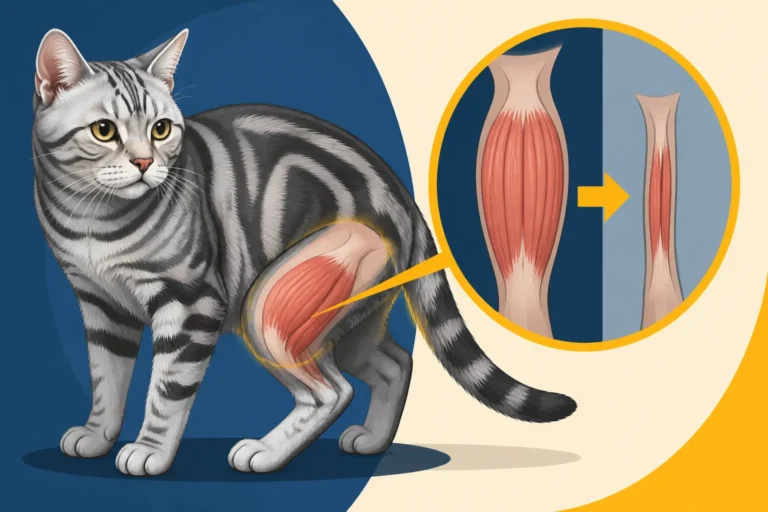
Even a few extra pounds can start to make a noticeable difference in your American Shorthair's day-to-day life. One of the first things you might observe is a subtle decrease in their agility. They might hesitate before jumping onto the kitchen counter or climbing their favorite cat tree, not because they’re suddenly lazy, but because the added weight puts strain on their joints. This strain can lead to discomfort, stiffness, and eventually, conditions like arthritis, making everyday movements a painful chore. It's a cruel irony that a cat bred for its athleticism can have its mobility compromised by something as preventable as excess weight.
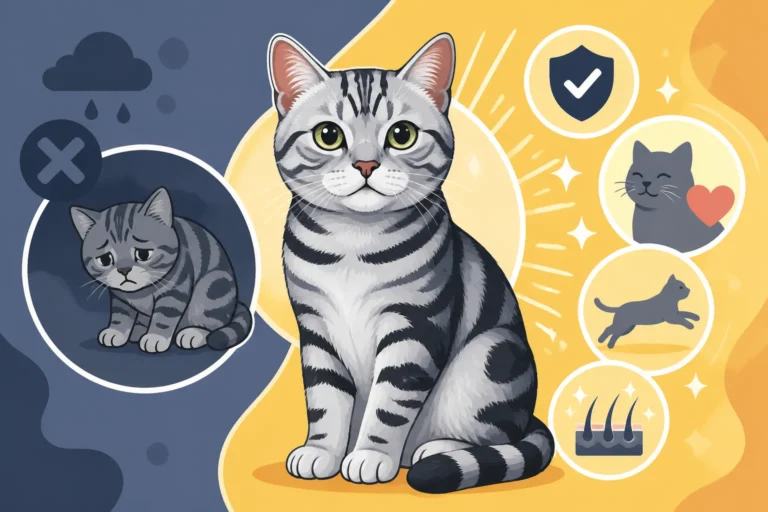
Beyond mobility, extra weight significantly impacts their overall comfort and hygiene. An overweight American Shorthair will often struggle to groom themselves thoroughly, especially in hard-to-reach areas like their back and hindquarters. This can result in a dull, unkempt coat, matted fur, and skin issues. You might also notice them breathing a bit heavier after even short bursts of activity, indicating stress on their respiratory and cardiovascular systems. What Extra Weight Does to an American Shorthair's Working Frame is considerable; it transforms a powerful, agile hunter into a cat struggling with the simplest tasks, directly diminishing their quality of life. These immediate physical burdens are often the first signs that something needs to change, long before more serious chronic illnesses manifest.
The Long-Term Impact: Chronic Diseases and Reduced Lifespan
The short-term discomfort and reduced mobility are just the tip of the iceberg when it comes to feline obesity. Over time, that persistent extra weight transforms into a breeding ground for chronic, debilitating diseases that undeniably shorten an American Shorthair's lifespan. We're talking about conditions that require ongoing veterinary care, medication, and ultimately, significantly impact their quality of life in their senior years, and often bring those years to an early close.
Obesity's Role in Diabetes and Heart Disease
One of the most alarming long-term consequences of obesity in cats is the development of Feline Diabetes Mellitus. When a cat carries excess weight, their body's cells can become resistant to insulin, the hormone responsible for regulating blood sugar. This means the pancreas has to work harder and harder to produce enough insulin, eventually becoming exhausted. The result is consistently high blood sugar levels, leading to a diagnosis of diabetes. It’s a devastating condition that requires daily insulin injections, regular monitoring, and strict dietary management. We've seen countless American Shorthairs, robust in their youth, succumb to the demands of diabetes later in life, simply because their diet and activity weren't managed effectively. How Weight Turns Into Diabetes in an American Shorthair is a critical piece of understanding for any owner.
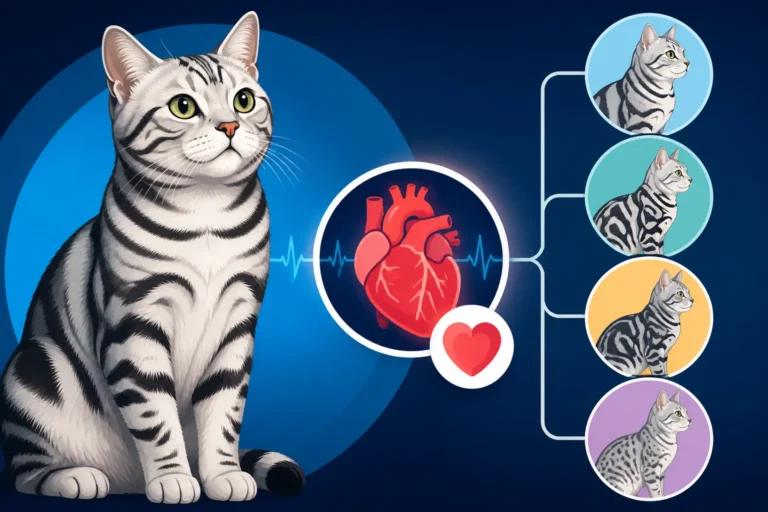
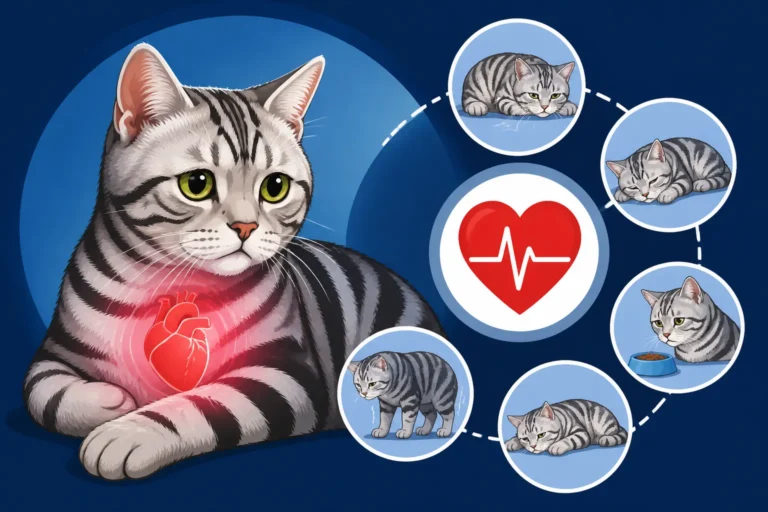
While American Shorthairs are generally considered a healthy breed, obesity can also exacerbate or contribute to heart conditions. While they are known for being less prone to inherited heart issues like Hypertrophic Cardiomyopathy (HCM) compared to some other breeds, carrying excess weight makes the heart work harder to pump blood throughout the body. This constant strain can lead to increased blood pressure, which in turn stresses the heart muscle and other organs. Even a cat with an otherwise healthy heart can develop problems when consistently overloaded by extra body mass. While a regular check-up and even a yearly heart scan are vital for any cat, especially an American Shorthair, addressing obesity can significantly reduce the strain on their cardiovascular system, helping to prevent the early onset or worsening of heart-related complications.
How Excess Weight Taxes Organs and Shortens Life
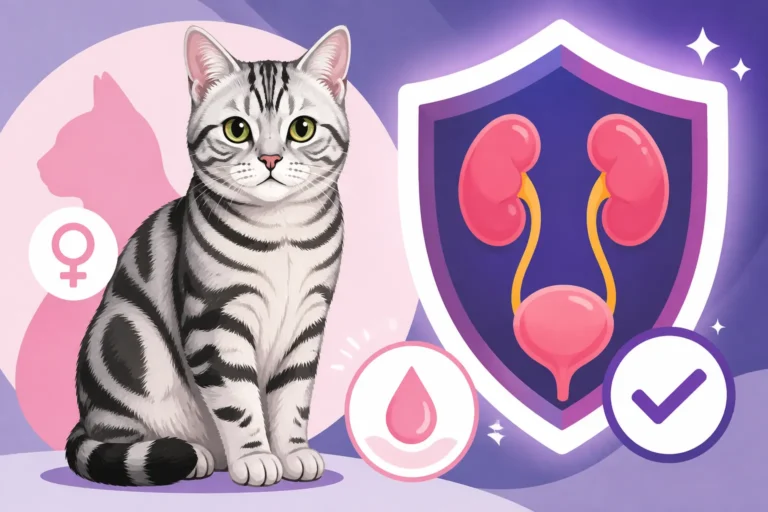
Beyond diabetes and heart issues, a significant and sustained amount of extra weight places immense stress on nearly every internal organ. The kidneys, for instance, are constantly working overtime to filter waste from a larger body, increasing their workload and making them more susceptible to chronic kidney disease. This is a progressive illness that severely impacts a cat's health and longevity. Similarly, the liver can become infiltrated with fat, leading to a serious condition known as hepatic lipidosis, or fatty liver disease. This can be life-threatening and often requires intensive veterinary intervention.
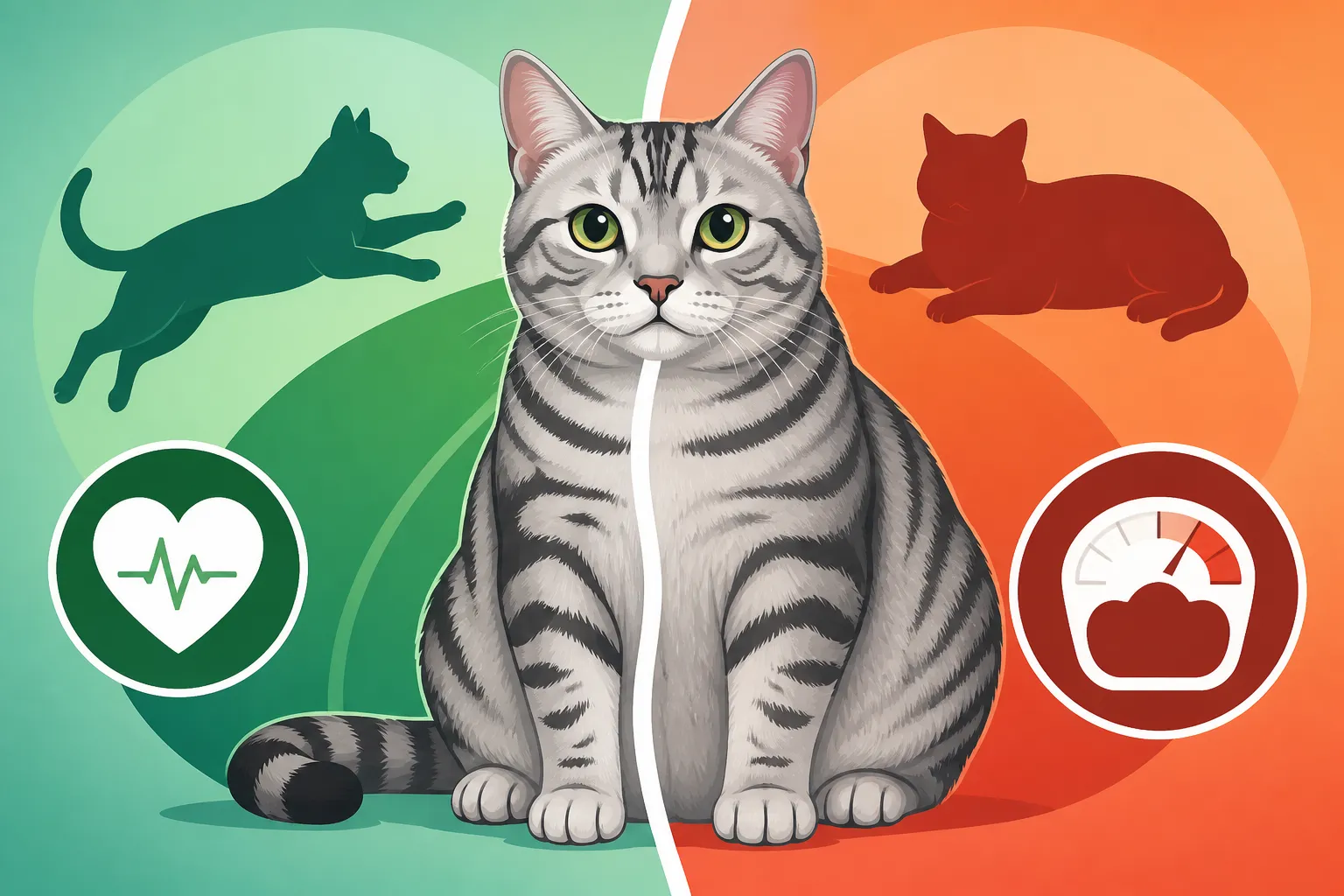
Obesity also contributes to a state of chronic low-grade inflammation throughout the body. This persistent inflammation is a silent attacker, damaging cells and tissues over time and increasing the risk for various cancers and other degenerative diseases. Think of it like a constant low-level fire simmering inside their body, slowly burning away at their health reserves. The cumulative effect of these stresses—on joints, heart, pancreas, kidneys, and liver—is a body that simply wears out faster. This accelerated aging process means that an overweight American Shorthair, despite their breed's typical longevity of 15-20 years, might only reach 10 or 12 years of age, losing several precious years of companionship and health.
Reclaiming Those Years: Managing and Preventing Weight Issues
The good news is that obesity is largely preventable and, in many cases, reversible. Taking proactive steps to manage your American Shorthair's weight is one of the most loving and impactful things you can do to ensure they live a long, healthy, and happy life. It requires commitment, patience, and a clear strategy, but the rewards are immeasurable.
Crafting an Effective Weight Loss Plan
The first and most crucial step in any weight loss journey for your American Shorthair is a visit to your veterinarian. They can accurately assess your cat's current weight, determine their ideal body condition score, and rule out any underlying medical conditions that might be contributing to weight gain or making weight loss difficult. From there, they can help you develop a personalized plan, including a precise calorie target. Remember, cutting calories too drastically can lead to serious health problems like hepatic lipidosis, so it's vital to follow professional guidance on How a Vet Builds an American Shorthair's Weight Loss Plan.
Dietary changes are usually at the forefront of the plan. This often means transitioning to a high-protein, moderate-fat, and low-carbohydrate food, which is closer to a cat's natural diet and helps them feel full while building muscle rather than fat. Many vets recommend wet food over dry kibble, as the higher water content helps with satiety and hydration. Portion control is absolutely key; those free-fed bowls of kibble need to go. Instead, measure out their daily allowance and divide it into two or three small meals. This mimics their natural feeding behavior of smaller, more frequent "hunts." It's important to remember that weight loss is a marathon, not a sprint. Your vet will likely advise a gradual weight loss of about 1-2% of their body weight per week, meaning a plan might run for How Many Months an American Shorthair's Weight Plan Runs – sometimes six months or even a year, depending on how much they need to lose.
Lifestyle Adjustments for a Healthier, Longer Life
Diet alone isn't always enough; increasing physical activity is equally important. American Shorthairs still possess that strong hunting instinct, and channeling it through play is an excellent way to burn calories and provide mental enrichment. Invest in interactive toys like wand teasers, laser pointers (just remember to end with a tangible 'catch' to prevent frustration), and puzzle feeders. Puzzle feeders, in particular, make them "work" for their food, slowing down eating and engaging their natural foraging behaviors. Aim for multiple short play sessions throughout the day, perhaps 10-15 minutes each, rather than one long, exhausting session.
Creating an enriched environment is also crucial. Provide vertical spaces like cat trees, shelves, or catio access if safe and appropriate, encouraging them to climb and explore. Regularly monitor their weight at home, perhaps once a month, using a baby scale or by weighing yourself holding the cat and subtracting your weight. Pay attention to changes in their drinking habits; if you notice your American Shorthair is suddenly drinking a lot more water, it's definitely a sign for a vet visit, as Why a Thirsty American Shorthair Should Be Tested can indicate conditions like diabetes or kidney disease. Consistent, proactive care and attention to their unique needs will extend their healthy, active years significantly, helping you enjoy Caring for an American Shorthair Past Twelve with vitality.
The Financial Side of Feline Obesity
It’s an unfortunate truth that a heavier cat often translates to a heavier financial burden for their owner. While the initial costs of food might seem negligible, the long-term veterinary expenses associated with obesity-related illnesses can quickly skyrocket, making that once "cheaper" lifestyle a very expensive one indeed. Many pet parents are caught off guard by these accumulating bills, highlighting the importance of preventative care.
Increased Vet Bills and Medication Costs
When an American Shorthair develops obesity-related conditions like diabetes, the costs quickly become substantial. Diagnosis involves blood tests and urine analyses, followed by ongoing expenses for insulin, syringes, and regular glucose monitoring. These daily medications can easily run into hundreds of dollars per month, indefinitely. If a cat develops heart disease or needs When a Stiff American Shorthair Needs Joint Support due to arthritis exacerbated by weight, there will be costs for cardiac medications, joint supplements, and ongoing pain management, which can include expensive anti-inflammatory drugs. These aren't one-off expenses; they're continuous drains on your budget for the remainder of your cat's life.
Think about the contrast: a healthy American Shorthair, known for its robustness, typically costs less at the vet over its lifetime. Why an American Shorthair Costs a Vet Less Than a Persian is partly due to their generally hardy nature. However, an obese American Shorthair will erode that cost advantage entirely. Emergency visits for complications like urinary blockages (more common in overweight males) or sudden diabetic crises can result in bills soaring into the thousands of dollars. Having pet insurance, like a policy from Healthy Paws, can certainly help cushion the financial blow of these unforeseen or chronic illnesses, but even with insurance, copays and deductibles add up, not to mention the emotional toll of seeing your cat suffer. It underscores the financial prudence of maintaining a healthy weight as much as the health benefits for your beloved companion.
| Health Risk Exacerbated by Obesity | Potential Impact on Lifespan | Typical Treatments/Costs (Estimates) |
|---|---|---|
| Joint Issues (Arthritis) | Reduced mobility, chronic pain; can lead to earlier euthanasia due to poor quality of life. | Pain medication, joint supplements, physical therapy. ($50-$200/month) |
| Diabetes Mellitus | Significant reduction if uncontrolled; can be managed for years with strict care, but still taxing. | Insulin injections, glucose monitoring, special diet. ($100-$300/month) |
| Heart Disease | Can lead to heart failure, blood clots, sudden death. | Cardiac medications, regular echocardiograms. ($50-$200/month, plus scans $300-$600/year) |
| Urinary Tract Disease | Recurrent infections, blockages (especially in males), kidney damage. | Antibiotics, special diets, emergency surgery for blockages. ($100-$500/episode; surgery $1,000-$4,000) |
| Fatty Liver Disease (Hepatic Lipidosis) | Potentially fatal if not treated aggressively. | Hospitalization, feeding tubes, IV fluids. ($2,000-$7,000+) |
| General Inflammation/Cancer | Increased risk of various cancers and chronic illnesses, shortening overall lifespan. | Chemotherapy, surgery, palliative care (variable and often very high). |
Disclaimer
This article is for general informational purposes only and does not constitute professional advice. Laws, prices and regulations vary by location and change over time. Consult a qualified professional for guidance on your specific situation.