Whether an Extreme American Shorthair Head Would Bring Problems
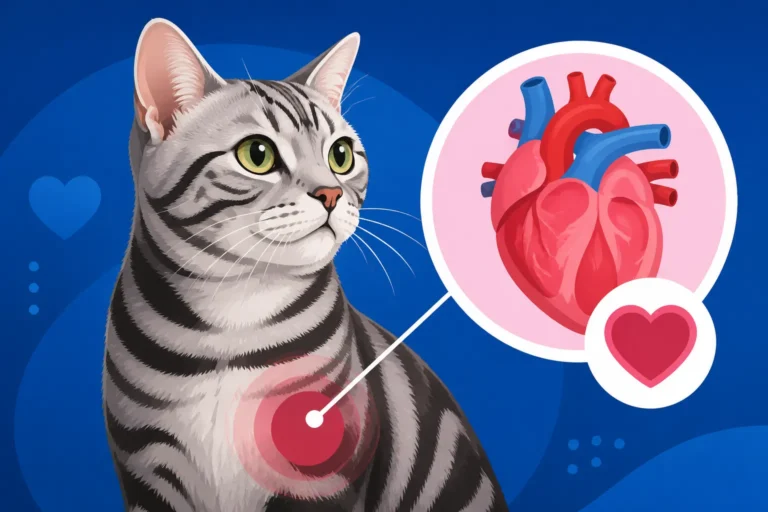
When we consider the unique characteristics of different cat breeds, it's natural to wonder if specific physical traits, particularly those that might be considered "extreme," could lead to health complications down the road. For many potential American Shorthair owners, questions arise about how their cat's distinct, well-rounded head shape influences its overall well-being. This guide will delve into the breed's established head standards and explore whether any deviation towards an exaggerated appearance could, in fact, introduce unforeseen health challenges for these otherwise remarkably robust felines.
The American Shorthair's Inherently Balanced Head Standard
Unlike some other pedigreed cats where selective breeding has pushed physical traits to aesthetically pleasing, yet sometimes problematic, extremes, the American Shorthair has largely retained its natural, working-cat physique. The breed standard, meticulously maintained by organizations like the Cat Fanciers' Association (CFA), emphasizes a well-proportioned and functional structure, and this applies directly to its distinctive head. There's a strong historical precedent for preserving its original form, given its lineage as a hardy, capable mouser.
The American Shorthair's Natural, Unexaggerated Features
An American Shorthair's head is characterized by its broad, medium-sized, and slightly rounded appearance, often described as having a pleasant, open expression. The muzzle is medium in length and squared off, not excessively short or pinched, which is crucial for unobstructed breathing. Their ears are medium-sized, set wide apart, and slightly rounded at the tips, maintaining an alert yet balanced look. The eyes are large, round, and set well apart, contributing to their intelligent gaze without being bulging or recessed. This careful balance ensures that all facial structures work harmoniously, free from the issues that can plague breeds with more exaggerated features. You can learn more about specific breed characteristics in our piece on What an American Shorthair Looks Like by the Standard. This focus on natural form is precisely why the American Shorthair is used as a health benchmark in the feline world.
Why the Original Purpose Discouraged Extremes
The American Shorthair's ancestors were working cats, brought to North America by early settlers to control rodent populations on ships and in barns. Their survival and effectiveness depended entirely on their physical capabilities. A cat with a severely flattened face might struggle to breathe during exertion, while one with an overly long, delicate muzzle might be more prone to injury during a hunt. Their moderate, sturdy build, including their head, was a direct result of natural selection and their utility as working animals. This heritage continues to influence breeding practices today, ensuring that function and robust health remain paramount. In essence, Why Function Left the American Shorthair Fewer Faults is deeply tied to its pragmatic origins.
Potential Problems with Exaggerated Head Features in Cats
While the American Shorthair’s head is not typically prone to extremes, it's worth understanding the types of problems that can arise in other breeds when facial features are pushed too far. This provides valuable context for appreciating the American Shorthair’s health. If, hypothetically, breeders were to aim for an "extreme" American Shorthair head, it could veer into territory that is detrimental to the cat's health and quality of life.
Respiratory and Dental Concerns
Perhaps the most well-known issues linked to extreme head shapes are respiratory problems, often seen in brachycephalic (flat-faced) breeds. While the American Shorthair's muzzle is well-defined and medium in length, an "extreme" version might involve shortening it dramatically. This can lead to Stenotic Nares (narrow nostrils), an elongated soft palate, and everted laryngeal saccules, all of which obstruct airflow and cause labored breathing. These cats often snort, snore loudly, and can suffer heat intolerance and exercise intolerance.
Beyond breathing, an unnaturally short or misaligned jaw can lead to severe dental problems. Cat teeth are designed to fit together precisely, allowing for efficient tearing of food. When the jaw structure is altered, teeth can become overcrowded, misaligned, or fail to erupt properly. This increases the risk of gum disease, tooth decay, pain, and difficulty eating. Imagine trying to eat with a mouth that doesn't quite close right – it's a constant struggle. These dental issues often require costly veterinary intervention, sometimes involving multiple extractions, which can be a significant expense for owners.
Eye and Tear Duct Issues
Extreme head shapes can also have a profound impact on a cat's eyes and vision. If the eye sockets are too shallow or the eyes are overly large and prominent, they can be more susceptible to injury, dryness, or even proptosis (the eyeball dislodging from the socket). Conversely, eyes that are too recessed can lead to issues with vision field.
The tear ducts are particularly vulnerable. A face that is too flat or has excessive folds can cause the tear ducts to become blocked or to drain improperly. This results in constant tearing, staining around the eyes (epiphora), and can lead to skin irritation or secondary infections. Owners might find themselves constantly wiping their cat's face, and severe cases can be quite uncomfortable for the cat, potentially requiring surgical correction. For instance, if you have a cat with recurring eye issues, having pet insurance like Healthy Paws can provide immense relief for unexpected vet bills.
The Reality of "Extreme" in the American Shorthair
Thankfully, the concept of an "extreme" American Shorthair head is largely hypothetical when it comes to healthy breeding practices. The breed’s standard and its dedicated enthusiasts actively work to maintain its moderate, functional conformation, safeguarding it against the very issues discussed above. This commitment is a big part of The American Shorthair Is the Control Group of Cat Breeding.
The Breed's Protection Against Exaggeration
The American Shorthair's enduring popularity lies partly in its good health and straightforward nature. Breeders adhere to a standard that celebrates a balanced, sturdy, and well-proportioned cat, rather than one with exaggerated features. This means they are not striving for the shortest possible muzzle, the largest possible eyes, or the broadest possible head. Instead, they aim for symmetry, strength, and the overall look of a cat that could still capably perform its original duties as a mouser. This conservative approach to breeding is a powerful safeguard against the health problems associated with extreme traits. A good breeder will always prioritize health and temperament over fleeting aesthetic trends, understanding that What an American Shorthair Pedigree Predicts About Health is fundamentally tied to responsible breeding.
How to Spot a Well-Bred American Shorthair Head
When you look at a well-bred American Shorthair, you'll see a head that is harmonious with the rest of its body. The muzzle should be distinct but not overly long or short, ending in a firm, squared-off chin. Its eyes will be clear and bright, not weeping or showing excessive whites. The ears will be alert, medium-sized, and free from excessive wax or irritation. The cat should breathe easily and silently, without any snorting or wheezing, even during play. These are all indicators of a healthy, functional head structure.
If you are considering bringing an American Shorthair into your home, always choose a reputable breeder who can provide health clearances for the parents and is transparent about their breeding philosophy. They should be proud to show you how their cats meet the breed standard in terms of both appearance and health. Don't be shy about asking questions about their lines and genetic testing practices. This due diligence is crucial because even with a generally healthy breed like the American Shorthair, responsible breeding makes all the difference. For any unexpected health issues, consider pet insurance options such as Healthy Paws, which can help manage costs and give you peace of mind.
Why Responsible Breeding Matters for Head Health
The commitment of American Shorthair breeders to maintaining the breed's natural, unexaggerated features is a significant factor in its overall health. They understand that a cat's head isn't just about aesthetics; it's a complex structure vital for breathing, eating, seeing, and hearing. Breeding for moderation ensures these critical functions are not compromised. This is a core reason Why an American Shorthair Needs Fewer Tests Than Most other pedigreed breeds.
The Role of the Breed Standard in Health Preservation
The breed standard for the American Shorthair, as defined by organizations like the CFA, acts as a blueprint for maintaining the breed's integrity and health. It’s a detailed description of the ideal cat, not just in terms of coat color or pattern, but also critically, its physical structure, including the head. This standard explicitly avoids calling for extreme features, instead emphasizing balance, strength, and good health. Judges in cat shows are trained to reward cats that best embody this healthy, moderate ideal, which in turn encourages breeders to continue these practices. This dedication helps ensure that the delightful disposition of an American Shorthair, making it suitable for Why an American Shorthair Suits a First Time Owner, is matched by its physical vitality.
Veterinary Examinations and Early Detection
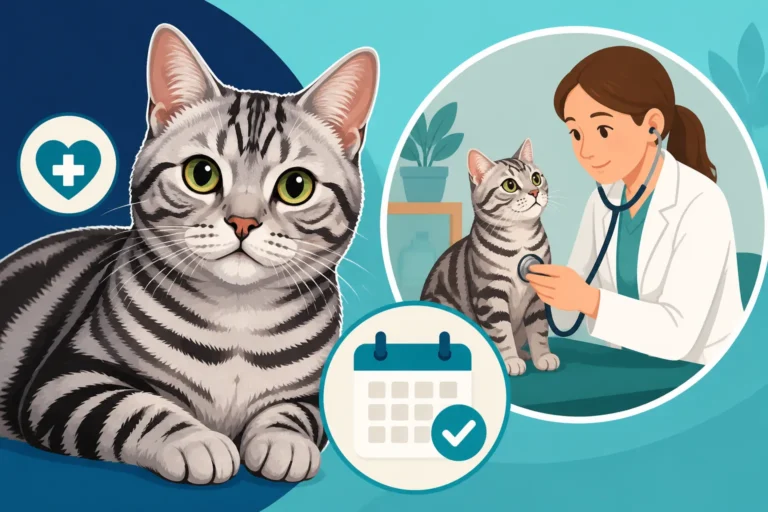
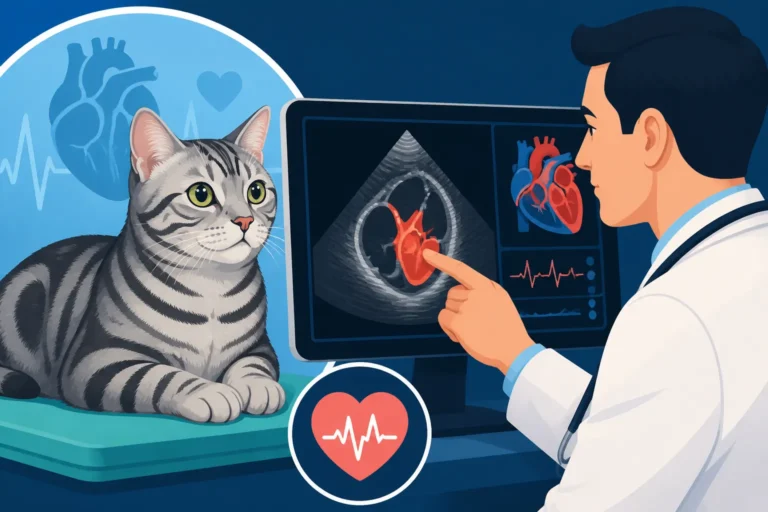
Even with responsible breeding, regular veterinary check-ups are essential for all cats, including American Shorthairs. These visits allow your vet to monitor your cat’s overall health, including its oral health, respiratory function, and eye condition. While head-related issues are rare in American Shorthairs, early detection of any emerging health concern, whether it's related to dental health or something else, can lead to more effective and less invasive treatment. For example, a thorough dental exam can identify issues before they become painful or require extensive intervention. Having a good pet insurance plan from providers like Healthy Paws can also be incredibly beneficial for covering routine care and unexpected health challenges, making quality veterinary care more accessible. Ultimately, this vigilance contributes to the fact that How Much Less an American Shorthair Owner Spends at the Vet compared to owners of many other purebred cats.
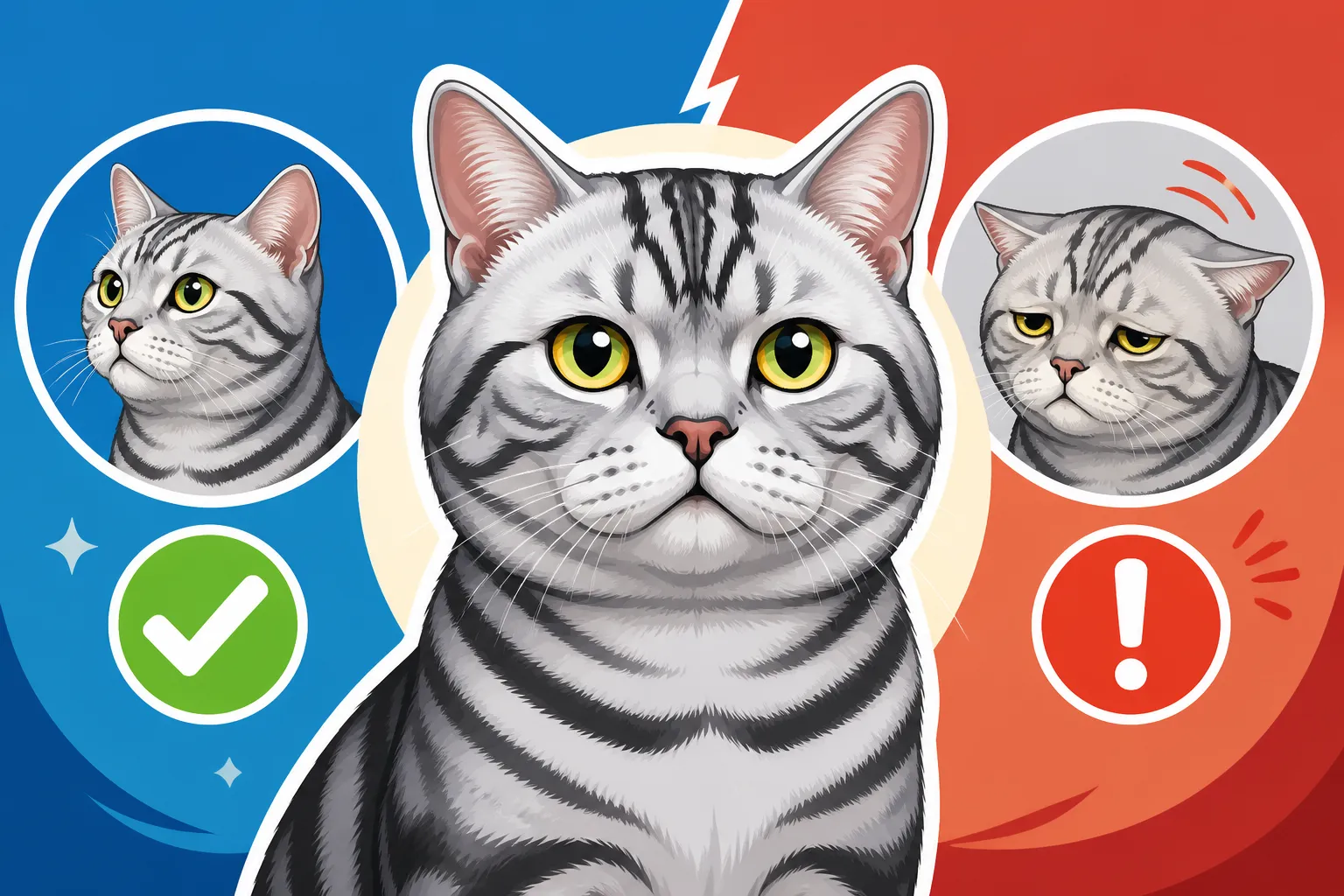
Here's a quick comparison of ideal American Shorthair head traits versus the potential issues of hypothetical extreme breeding:
| Feature | Ideal American Shorthair Standard | Potential Issues of "Extreme" Breeding (Hypothetical) |
|---|---|---|
| Head Shape | Broad, medium-sized, slightly rounded, balanced | Overly large/small, severely flattened or elongated |
| Muzzle Length | Medium length, squared-off, distinct | Dramatically shortened (brachycephalic), pinched, or excessively long/narrow |
| Nostrils | Open, allowing for clear, unobstructed breathing | Stenotic (narrowed) nares, restricting airflow |
| Jaw & Teeth | Well-aligned, strong jaws, even bite, healthy teeth | Malocclusions, overcrowding, dental disease, difficulty eating |
| Eyes | Large, round, well-spaced, clear, open expression | Bulging, recessed, excessive tearing, prone to injury |
| Ears | Medium-sized, set wide apart, slightly rounded tips, alert | Too small/large, oddly shaped, prone to infections |
| Breathing | Quiet, effortless, even during activity | Snorting, snoring, labored breathing, exercise intolerance |
By staying informed and partnering with a reputable breeder and veterinarian, American Shorthair owners can ensure their beloved felines continue to enjoy excellent health, free from the complications that can arise from undesirable extreme characteristics. The American Shorthair's longevity and robust health are a testament to a thoughtful breeding philosophy that prioritizes well-being above all else.
Disclaimer
Please remember that this article provides general information and insights into American Shorthair health and breeding standards. While we strive for accuracy, it should not replace professional veterinary advice. Always consult with a qualified veterinarian for any health concerns or before making decisions about your pet's care.