How Many American Shorthairs Reach Twenty
It’s a thought every cat owner has whispered: “I wish you could live forever.” When you bring an American Shorthair into your home, you’re not just getting a pet; you're welcoming a sturdy, calm, and famously healthy companion. The hope for many is to share two full decades with these wonderful felines. But how realistic is that dream? This guide will delve into what it truly takes for an American Shorthair to reach the impressive milestone of twenty years, exploring their natural inclinations, essential care, and the realities of feline longevity.
The American Shorthair's Natural Lifespan and Its Legacy
American Shorthairs have a reputation for being exceptionally healthy, a legacy rooted deeply in their history as working cats. This isn't just a happy coincidence; it's a testament to centuries of natural selection. Understanding this foundation is key to appreciating their potential for a long life, even if reaching two full decades remains an ambitious goal.
Understanding the Breed's Robust Health Foundation
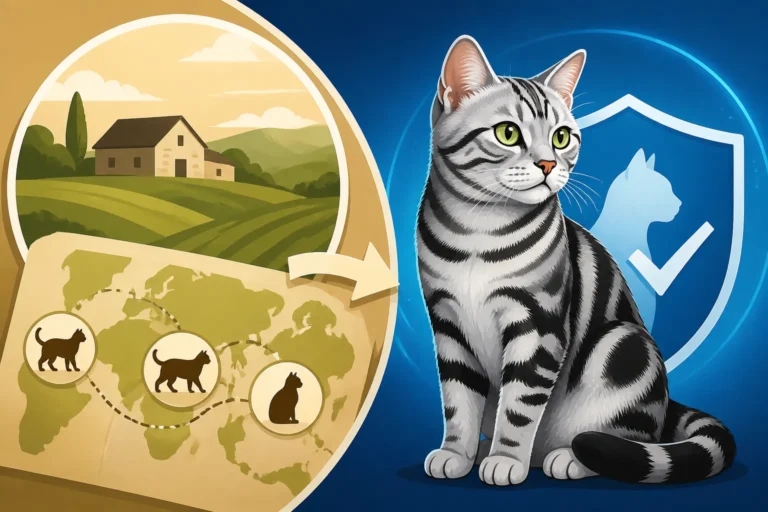
Imagine the early American Shorthair ancestors, robust felines brought over on ships to handle rodent populations. These weren't delicate, selectively bred show cats; they were survivors, chosen by the harsh realities of farm life and long sea voyages for their strength, intelligence, and resilience. This natural selection process meant that only the healthiest, most adaptable cats thrived and reproduced. This historical context is why the American Shorthair is often celebrated as a benchmark for feline health, even earning the informal title of "control group" in the cat world due to its relative lack of designer defects.
Unlike some modern breeds that have been developed for extreme physical traits, often leading to a myriad of inherited health problems, the American Shorthair's breeding has focused on maintaining its functional, moderate structure. This commitment to their natural, robust type means they are less prone to the severe respiratory issues of brachycephalic (flat-faced) breeds or the skeletal problems sometimes seen in larger, fast-growing cats. Their hardy constitution is a gift from their lineage, providing a solid starting point for a long and healthy life. This inherent resilience means that from day one, your American Shorthair kitten has an excellent genetic blueprint for health, a stark contrast to breeds where owners must contend with a known predisposition to certain ailments right from the start. They simply have fewer genetic predispositions that typically shorten a cat's life compared to many other pedigreed felines.
Average Lifespan Versus Exceptional Longevity
The average lifespan for an American Shorthair is generally cited as a respectable 15 to 20 years, with many sources often narrowing that down to 15-18 years as a more common average. This is an impressive range, putting them among the longer-lived cat breeds. However, hitting the "twenty-year" mark is truly exceptional, pushing the boundaries of what's considered average, even for a healthy breed. It’s akin to a human living to 100 – possible, but certainly not the everyday experience for most. While a strong, well-bred American Shorthair has a higher chance of reaching these advanced years compared to some more fragile breeds, it's never a guarantee.
Reaching two decades often involves a fortunate combination of excellent genetics, consistent top-tier care, and a good dose of luck. Think of it this way: many American Shorthairs will comfortably live into their mid-to-late teens, enjoying a full and vibrant life. But to go beyond that, to the mystical age of twenty, usually requires overcoming the typical age-related challenges that eventually catch up with all felines. It means their bodies continue to function optimally despite decades of wear and tear, their immune systems remain robust, and they avoid the serious diseases that can shorten a cat's life. It's a journey where every year past fifteen is a bonus, and twenty years is a true testament to remarkable health and dedicated ownership. The journey to twenty years is a long one, but the breed's fundamental health, as detailed in articles like The Fifteen to Twenty Years the American Shorthair Was Given, provides a hopeful outlook.
Key Factors Influencing an American Shorthair's Journey to Two Decades
While an American Shorthair’s genetic makeup offers a fantastic head start, genetics alone won't get them to twenty years. Longevity is a complex tapestry woven from daily care, environmental choices, and unwavering commitment from their human companions. Every decision you make, from their food bowl to their annual vet visit, plays a critical role.
The Crucial Role of Preventative Veterinary Care
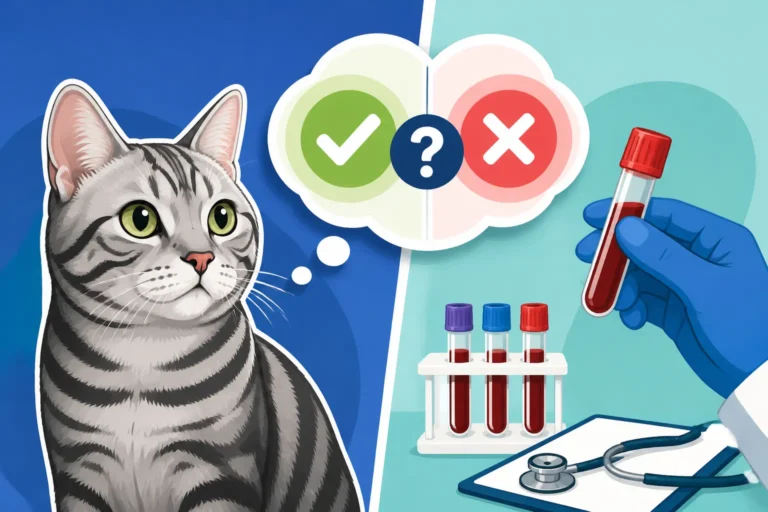
Regular veterinary check-ups are arguably the single most impactful factor in ensuring a long, healthy life for your American Shorthair. Cats are masters of disguise when it comes to illness, often hiding symptoms until a condition is quite advanced. This stoicism, a remnant of their wilder ancestors who couldn't afford to show weakness, can be a major hurdle for even the most observant owner. A yearly (and for seniors, often twice-yearly) visit to the vet allows for the early detection of subtle changes that you might miss at home. Think of it like a car maintenance schedule; you wouldn't skip oil changes for twenty years and expect your engine to run perfectly.
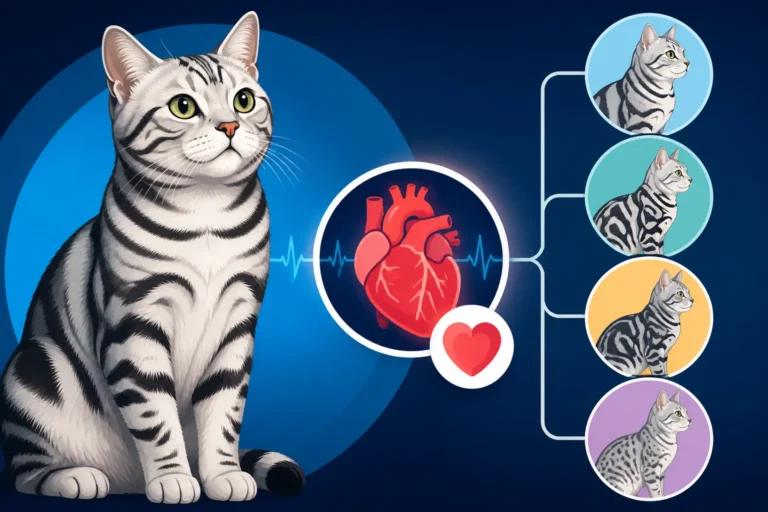
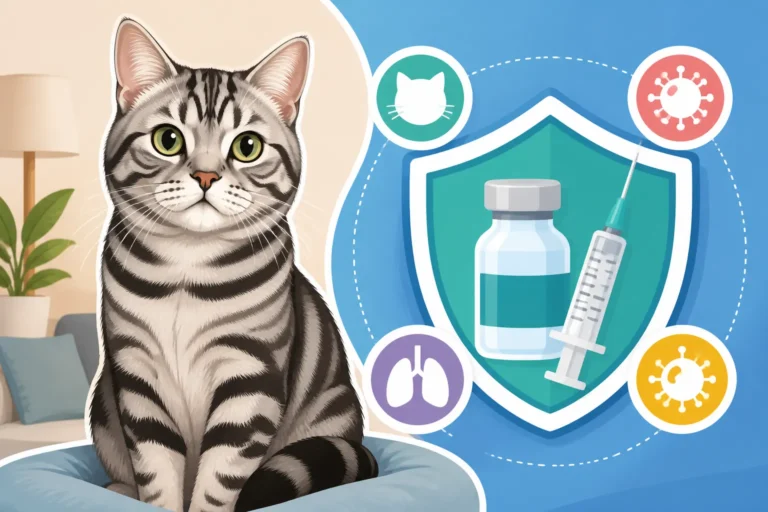
Beyond general health assessments, these visits are vital for maintaining an up-to-date vaccination schedule, crucial for protecting your cat from common feline diseases. They also ensure consistent parasite control, keeping fleas, ticks, and internal worms at bay, which can cause chronic health issues if left unchecked. Furthermore, as American Shorthairs age, they become more susceptible to conditions like hyperthyroidism, kidney disease, and diabetes. Regular bloodwork, urinalysis, and physical exams can spot the early indicators of these conditions, allowing for timely intervention and management. Even though the American Shorthair is a notably healthy breed, it's still susceptible to hypertrophic cardiomyopathy (HCM), a thickening of the heart muscle. While rare compared to some breeds, an annual heart scan, as discussed in Why an American Shorthair Still Needs a Yearly Heart Scan, can be a life-saving preventative measure, especially for breeding cats or those with a family history of the condition. Early diagnosis allows for management strategies that can significantly extend a cat's comfortable life.
Nutrition, Weight Management, and Dental Health
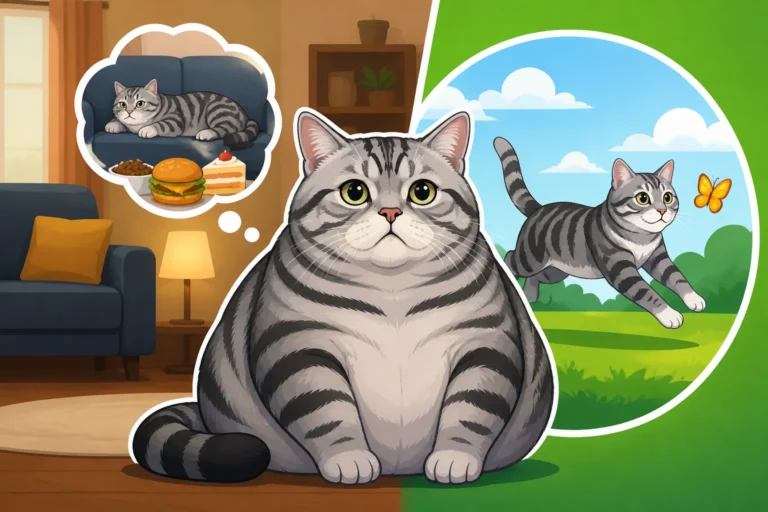
The food you put in your American Shorthair's bowl is more than just sustenance; it's medicine. Given their ancestral roots as active mousers, American Shorthairs have a robust appetite that often outlasts their modern, less strenuous indoor lifestyle. This means they are particularly prone to obesity if not carefully managed. Extra weight puts undue strain on their joints, increases the risk of diabetes, and can exacerbate heart conditions, ultimately shaving years off their lifespan.
A high-quality, protein-rich diet appropriate for their age and activity level is essential. Portion control is paramount; free-feeding, where food is left out all day, is a common culprit for weight gain. Instead, measured meals offered a few times a day can help keep their weight in check. You might also consider puzzle feeders to engage their natural hunting instincts and make them "work" for their food, burning a few extra calories in the process. The impact of weight on longevity is profound, with studies showing that even a few extra pounds can significantly reduce a cat's lifespan. Articles like How Many Years Extra Weight Takes Off the American Shorthair's Lifespan elaborate on this serious risk.
Beyond weight, dental health is a silent killer for many cats. Plaque and tartar buildup lead to gum disease (gingivitis) and eventually painful tooth resorption and infections. These oral bacteria can then enter the bloodstream, affecting vital organs like the heart, kidneys, and liver. Regular dental cleanings, ideally performed under anesthesia by a veterinarian, and daily toothbrushing at home can prevent these issues. While challenging to implement, starting a dental routine early in a cat's life can make a world of difference in their overall health and comfort, contributing significantly to their ability to reach those golden years.
Environmental Enrichment and Stress Reduction
An American Shorthair, despite its calm demeanor, still carries the instincts of a skilled hunter. An indoor lifestyle, while protecting them from many dangers like traffic and fights, can lead to boredom and frustration if not properly enriched. This can manifest as behavioral problems or, worse, chronic stress, which suppresses the immune system and can lead to various health issues. Providing ample environmental enrichment means offering opportunities for climbing, scratching, and "hunting." Cat trees, wall shelves, and interactive toys that mimic prey are vital. Regular play sessions with a wand toy can satisfy their predatory drive and provide much-needed exercise.
The choice between an indoor or outdoor lifestyle is a significant one. While an indoor American Shorthair avoids the perils of cars, aggressive animals, and exposure to diseases like Feline Leukemia Virus (FeLV) and Feline Immunodeficiency Virus (FIV), a completely sterile environment can be mentally unstimulating. Some owners opt for secure catios (cat patios) or supervised leash walks to provide safe outdoor experiences. The risks associated with outdoor life, as explored in The Risks an Outdoor American Shorthair Takes That an Indoor One Does Not, are substantial and often directly impact lifespan. Even in an indoor environment, minimizing stress is crucial. Cats thrive on routine and predictability. Major changes like moving, introducing new pets or people, or even altering furniture arrangements can be incredibly stressful. Providing safe, quiet retreats and consistent interaction can help maintain their emotional well-being, which in turn supports their physical health. A calm, stimulated cat is a healthy cat, and a healthy cat has a better chance of a long life.
The Reality of Reaching Twenty and Supporting Senior American Shorthairs
The dream of a two-decade companionship with your American Shorthair is a beautiful one, and while the breed's robust health makes it a possibility, it's essential to approach it with realistic expectations and a deep understanding of the commitment involved in senior cat care.
Acknowledging the Rarity of the Twenty-Year Milestone
Let's be honest: while "15 to 20 years" sounds fantastic on paper, most American Shorthairs will live a wonderful, full life closer to the 15-18 year mark. Reaching the grand old age of twenty, while not unheard of, is genuinely uncommon. It’s a testament to exceptional circumstances – perfect genetics, meticulous care, and a considerable amount of good fortune. When a cat lives to twenty, it often means they've dodged major illnesses like aggressive cancers, severe organ failure, or debilitating accidents. It means their body has simply held up better than average, resisting the typical decline that comes with extreme old age.
The focus, therefore, should always be on maximizing the quality of every year you have with your American Shorthair, rather than fixating solely on the quantity. A cat that lives a vibrant, pain-free 17 years is arguably more fortunate than one that struggles through a debilitating 20th year. It's about providing the best possible life, recognizing that biology has its limits. Our goal as pet parents should be to ensure their comfort, happiness, and health for as long as nature allows, celebrating each year we are given with these stoic and loving creatures.
Supporting Your American Shorthair in Their Golden Years
As your American Shorthair enters their senior years – typically around age 10-12 – their needs will inevitably change. What worked for a spry young adult might not be suitable for a venerable elder. This transition requires proactive adjustments to their care, environment, and even your approach to their daily routine. Articles like Caring for an American Shorthair Past Twelve offer excellent guidance for this stage of life.
Here's how you can make a profound difference:
- Dietary Tweaks: Older cats often have different nutritional requirements. They might need food that’s easier to digest, higher in moisture, or formulated to support kidney health. If they start to lose muscle mass, higher protein might be recommended, but if kidney disease is creeping in, protein restriction might be necessary. Your vet can guide you on the best senior diet, especially given that conditions like How Kidney Disease Creeps Up on an Old American Shorthair are common. Keeping track of their weight is vital, as discussed in Why an Old American Shorthair's Weight Should Be Watched.
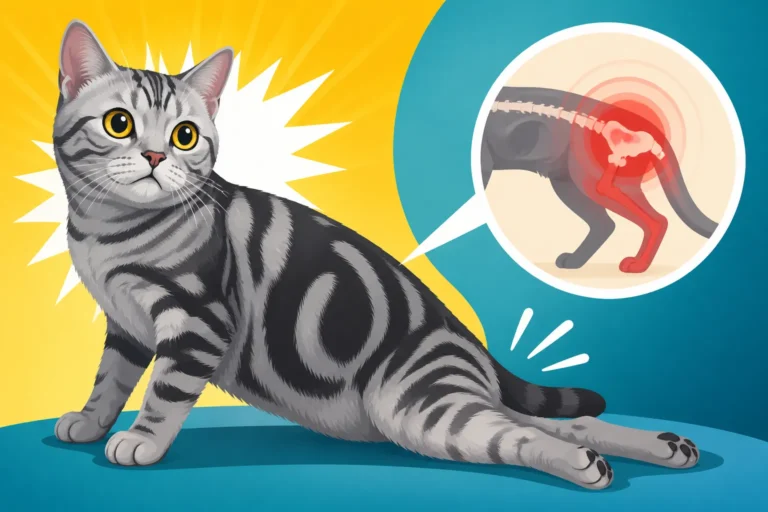
- Environmental Comforts: Arthritis and joint stiffness are common in older cats. Make sure their favorite resting spots are easily accessible. Consider ramps for high beds or cat trees, softer bedding, and heated beds for warmth. Ensure litter boxes have lower sides for easier entry and exit, and place them in convenient, quiet locations.
- Medical Management: Senior cats require more frequent vet visits – often every six months – to monitor for age-related conditions. Early diagnosis of issues like hyperthyroidism, high blood pressure, or arthritis allows for timely medical intervention that can significantly improve their quality of life and potentially extend their comfortable years. Pain management, whether through medication or supplements like glucosamine, becomes increasingly important.
- Pet Insurance: This is where a good pet insurance plan can be a lifesaver. As cats age, veterinary costs inevitably rise due to more frequent check-ups, diagnostic tests, and ongoing medication for chronic conditions. An insurance provider like Healthy Paws can help cover a significant portion of these expenses, ensuring you can make treatment decisions based on what’s best for your cat, not just your wallet. While American Shorthairs might be cheap to insure initially, as covered in Whether Insurers Price the American Shorthair Low, the costs can certainly add up in their later years. Having that financial safety net can alleviate immense stress during an already challenging time.
The Cost and Commitment of a Long-Lived Companion
While the emotional rewards of a long-lived companion are immeasurable, it's crucial to acknowledge the significant financial and personal commitment involved. A cat living to twenty means potentially spending two decades on food, litter, toys, and routine veterinary care. But it's in those last five to eight years that expenses can truly escalate.
Consider the cumulative costs. Annual vet visits become semi-annual, often including more extensive blood panels, urinalysis, and potentially specialized diagnostics like ultrasounds or radiographs to monitor age-related conditions. Medications for arthritis, hyperthyroidism, kidney disease, or cardiac issues can become a daily expense. Prescription diets, often costing more than regular cat food, might be necessary. Dental cleanings may be required more frequently. Emergency visits, unfortunately, also become more common as health becomes more fragile. The total outlay for a truly long-lived cat can easily run into the tens of thousands of dollars over their lifetime. This is detailed in articles such as What a Long Lived American Shorthair Costs in Its Last Five Years, which highlights the financial realities.
Beyond the monetary aspect, there's the profound emotional and time commitment. Caring for an elderly cat means being vigilant for subtle changes, administering medications, possibly assisting with grooming or mobility, and making difficult decisions about their quality of life. It’s a labor of love that demands patience, dedication, and a deep bond. Understanding and accepting this commitment from the outset is vital for anyone hoping to share two decades with their beloved American Shorthair.
| Age Stage | Typical Behaviors/Needs | Longevity Contribution | Key Interventions |
|---|---|---|---|
| Kitten (0-1yr) | Playful, rapid growth, learning boundaries | Foundation of good health, socialization, strong immunity | Vet checks, vaccinations, parasite control, quality kitten food, safe environment, early dental care intro |
| Adult (1-9yrs) | Peak activity, established routines, solid health | Maintenance of ideal weight, continuous enrichment, disease prevention | Annual vet checks, ideal weight monitoring, dental hygiene, consistent diet, interactive play, stress reduction |
| Mature (10-14yrs) | Signs of slowing, potential subtle health changes | Early detection & management of age-related issues, comfort | Semi-annual vet checks, senior bloodwork, joint supplements, adjusted diet, easier access to resources, Healthy Paws pet insurance |
| Senior (15-20+yrs) | Significant changes in mobility, appetite, cognitive function, increased health issues | Advanced medical management, pain control, maximum comfort, quality of life focus | Frequent vet visits, specialized diets, comprehensive diagnostics, tailored medications, environmental modifications (ramps, soft beds, low litter boxes) |
Disclaimer
The information provided in this article is for general informational purposes only and is not a substitute for professional veterinary advice. Always consult with a qualified veterinarian regarding your American Shorthair's specific health concerns, treatment options, and care plans. Individual cats may vary in their health and longevity.