Why Indoor Life Made the American Shorthair Fat
It's a bittersweet paradox, isn't it? Our beloved American Shorthairs, those sturdy, amiable descendants of hardy working cats, are now, ironically, often battling the bulge. We bring them into our homes, shower them with affection, and provide them with a safe, cozy existence, only to find their once lean, muscular frames softening around the edges. This guide aims to unravel the reasons behind this common problem – how the very comforts of an indoor life can lead to an overweight American Shorthair – and offer some realistic insights into keeping them fit and healthy.
The Legacy of a Working Cat's Metabolism
To understand why an indoor life makes an American Shorthair prone to weight gain, we first need to appreciate the incredible genetic blueprint they carry. These aren't just any housecats; their ancestors were the ultimate working felines, bred not for fancy looks but for sheer survival and utility.
Centuries of Instinctive Hunting and Activity
Imagine the scene: ancient ships crossing vast oceans, early American farmsteads bustling with activity, or busy city warehouses. In all these environments, the ancestors of the American Shorthair weren't just passengers or pets; they were vital members of the crew, earning their keep by expertly controlling rodent populations. This wasn't a casual job; it was a full-time, energy-intensive occupation. These cats spent their days stalking, chasing, pouncing, climbing, and running. Every meal was a hunt, demanding significant physical output and mental engagement.
This relentless, instinct-driven activity deeply ingrained a particular metabolism into the breed. Their bodies were optimized for bursts of intense energy, sustained patrols, and efficient nutrient absorption from their prey. They were built to be active, not sedentary. This inherent drive to hunt and explore means that even a modern, pampered American Shorthair still carries the strong urge to engage in these behaviors, as explored in articles like The American Shorthair Still Hunts, Whether You Want It To or Not. When these instincts aren't adequately satisfied, it can lead to frustration, boredom, and often, overeating as a coping mechanism.
The Metabolism Built for Constant Energy Expenditure
The physiology of an American Shorthair is a testament to its heritage. They possess a naturally muscular, broad-chested frame – a build designed for strength, agility, and enduring physical exertion. Their metabolism, therefore, is accustomed to a high caloric burn rate. They needed more fuel to sustain their constant activity, to maintain muscle mass, and to thrive in sometimes harsh environments. Their bodies were incredibly efficient at processing food and turning it into usable energy.
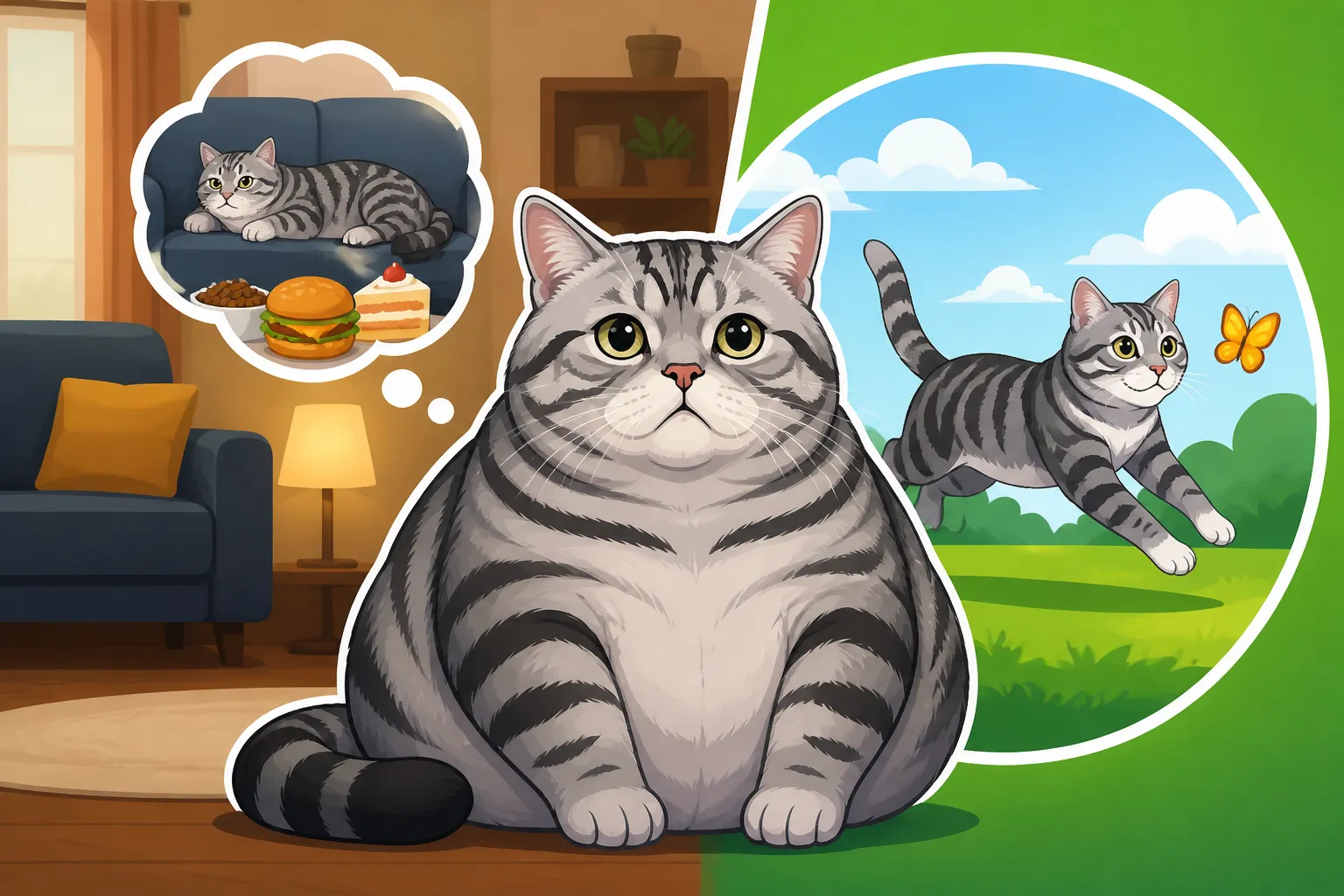
However, this efficient, high-energy metabolism becomes a double-edged sword in a modern indoor setting. When the demand for energy dramatically decreases, but the caloric intake remains the same (or even increases), the body, still wired to conserve energy and store fat for lean times, does precisely that. It’s not that your American Shorthair is "lazy"; it's that their incredible evolutionary design is now working against them in an environment vastly different from the one it was honed in. Their bodies are simply not designed for a life of minimal physical activity and abundant, easily accessible food.
The Drastic Shift to a Sedentary Indoor Life
Moving from an active outdoor existence to a cushy indoor one fundamentally alters an American Shorthair's daily energy expenditure. While the safety and comfort are undeniable benefits, they come with significant lifestyle trade-offs.
Reduced Opportunities for Natural Hunting Behavior
Let's be honest, most of our homes don't have mice scurrying around, ripe for the taking. The "job" of rodent control that defined the American Shorthair for centuries is largely obsolete in a domestic setting. This means the inherent hunting sequence – the stalking, the chase, the pounce, the kill, and the consumption – is rarely completed naturally. This cycle is incredibly important for a cat's physical and mental well-being. Without it, they miss out on critical exercise and mental stimulation.
Instead of navigating complex outdoor terrains, climbing trees, or engaging in territorial patrols, an indoor American Shorthair's world is often limited to a few rooms, a cat tree, and maybe a window perch. The sheer caloric output required to patrol a large farm or ship is simply not present in a typical apartment or house. This drastically reduced activity level means their caloric needs plummet, but their appetite, still influenced by their working heritage, often does not. This discrepancy is a primary driver of weight gain. The internal link What an Indoor American Shorthair Does With a Mouser's Instinct delves deeper into how these instincts manifest indoors.
The Impact of Confined Spaces on Activity Levels
While some cats adapt beautifully to indoor life with plenty of enrichment, for a breed like the American Shorthair, whose instincts crave a larger territory to patrol, confined spaces can limit their natural inclination to move. Imagine being a marathon runner suddenly confined to a small room; your body's need for activity doesn't just disappear. Similarly, without ample space to sprint, climb, and explore, their daily step count (or paw count!) drops significantly.
Many indoor American Shorthairs might display bursts of "zoomies," but these short sprints don't compare to the sustained activity of a wild or working cat. The lack of varied terrain, climbing opportunities, and novel stimuli means less incentive to move. When a cat has fewer reasons to run, jump, or stalk, the calories they consume accumulate, leading directly to extra weight. It's a cruel twist that our efforts to keep them safe indoors often inadvertently contribute to a health problem like obesity.
Modern Feeding Practices Versus Ancestral Needs
The way we feed our cats today is a far cry from how their ancestors obtained food. This shift, while convenient for us, often clashes directly with the American Shorthair's evolutionary dietary needs and metabolic programming.
Free-Feeding: A Recipe for Weight Gain
One of the most common pitfalls for indoor cats, especially those with a robust appetite like the American Shorthair, is free-feeding. This practice, where a bowl of kibble is left out all day for the cat to graze on, is an absolute recipe for disaster for a creature whose body is hardwired to eat when food is available. Their ancestors never knew when their next meal would come, so they evolved to consume as much as they could when they found prey. This survival instinct, combined with the sheer accessibility of free-fed kibble, leads to continuous snacking and easy overconsumption.
While it might seem convenient, leaving a full bowl down encourages cats to eat out of boredom rather than true hunger. Without the mental and physical effort of hunting, eating becomes their primary activity. This can quickly pack on the pounds, especially for a breed known for its substantial build. Understanding How Much a Working Framed American Shorthair Should Eat becomes crucial here, as their needs are very different from a free-fed, sedentary cat. Owners often find that even if their cat isn't gorging themselves, the constant, small top-ups throughout the day easily exceed their true caloric requirements.
The Caloric Density of Commercial Cat Foods
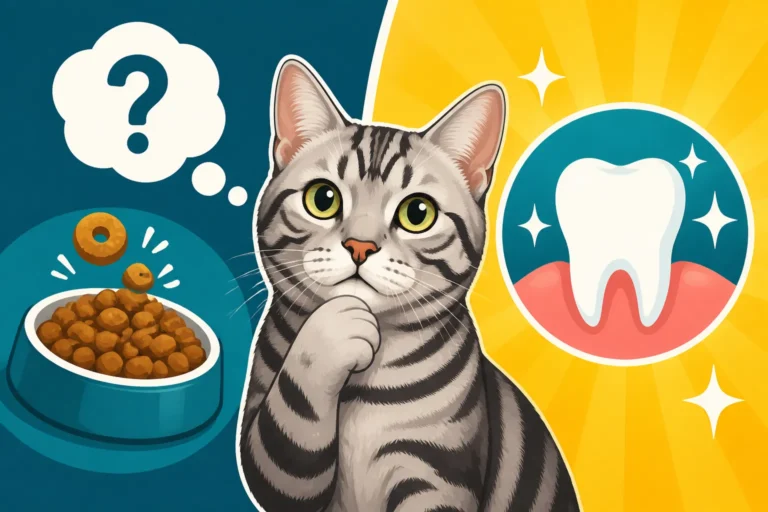
Modern commercial cat foods, particularly dry kibble, are incredibly calorically dense. They're designed to be highly palatable and convenient, but this often means they pack a lot of energy into a small volume. While this is great for highly active cats, it's problematic for an American Shorthair whose activity level has plummeted indoors. A small scoop of kibble can contain far more calories than their now-sedentary bodies need, especially if they’re eating several times a day.
Furthermore, many commercial foods are high in carbohydrates, which, while providing energy, are not the primary fuel source for a carnivorous cat. Cats are designed to thrive on a diet rich in protein and moderate fat, mirroring the nutritional profile of their natural prey. A diet heavy in carbohydrates can contribute to weight gain and potentially other health issues down the line. It's a balancing act: finding a nutritious, appealing food that doesn't inadvertently lead to obesity. This is where careful portion control and choosing appropriate formulas become paramount.
Behavioral Changes and Their Contribution to Weight Gain
Beyond just diet and exercise, an American Shorthair's behavior in an indoor setting can also play a significant role in their propensity to gain weight. Their mental and emotional well-being is intrinsically linked to their physical health.
Boredom Eating and Emotional Factors
Cats, much like humans, can turn to food for comfort or to alleviate boredom. An American Shorthair, with its intelligent and active mind, can easily become under-stimulated in an environment that lacks the challenges and novelties of the outdoors. When the natural instincts for hunting, exploring, and problem-solving aren't engaged, eating becomes an accessible and often gratifying activity. A cat might visit the food bowl simply because there’s nothing else exciting happening.
This boredom eating can be subtle. It's not always a ravenous feast; it might be a few extra nibbles here and there throughout the day that add up over weeks and months. Stress or anxiety, perhaps from changes in the household or lack of perceived control over their environment, can also trigger overeating. Understanding their emotional landscape and providing adequate mental stimulation is just as important as managing their food portions. If your cat seems to be eating disproportionately to their activity, boredom or stress might be at play.
The Subtle Signs of an American Shorthair Gaining Weight
Because American Shorthairs are naturally sturdy and muscular, identifying weight gain can sometimes be tricky for owners. They don't always become overtly "fluffy" like some other breeds; instead, their square, robust frame can mask early signs of excess fat. This stoic nature also means they might not show discomfort until a problem is quite advanced. Learning How to Spot Weight Gain on a Square Built American Shorthair is essential for early intervention.
One of the first places to check is their waistline and ribs. When standing over your cat, you should be able to see a slight indentation at their waist, just before their hips. You should also be able to easily feel their ribs when running your hands along their sides, much like feeling the back of your hand, without having to press hard. If you can’t easily feel the ribs or notice a sagging belly, particularly a primordial pouch that swings when they walk, your American Shorthair might be carrying too much weight. This pouch is normal to a degree, but an excessively large or firm one indicates extra fat. Regularly checking these indicators, as described in How to Find the Ribs on a Square Built American Shorthair, can help you stay ahead of the problem.
The Health Consequences of Feline Obesity
While a few extra pounds might seem harmless, obesity in cats, particularly in a breed like the American Shorthair whose health is often used as a benchmark, can lead to a cascade of serious health problems, significantly impacting their quality of life and lifespan.
Increased Risk of Joint Issues and Diabetes
The sturdy, muscular build of the American Shorthair, which once served them well for active work, becomes a liability when they are overweight. All that extra body mass puts immense strain on their joints, especially their hips and knees. Over time, this chronic stress can lead to or exacerbate conditions like osteoarthritis, making it painful for them to move, jump, or even groom themselves. This creates a vicious cycle: pain leads to less activity, which leads to more weight gain, and further joint deterioration. This is why it's crucial to understand What Extra Weight Does to an American Shorthair's Working Frame.
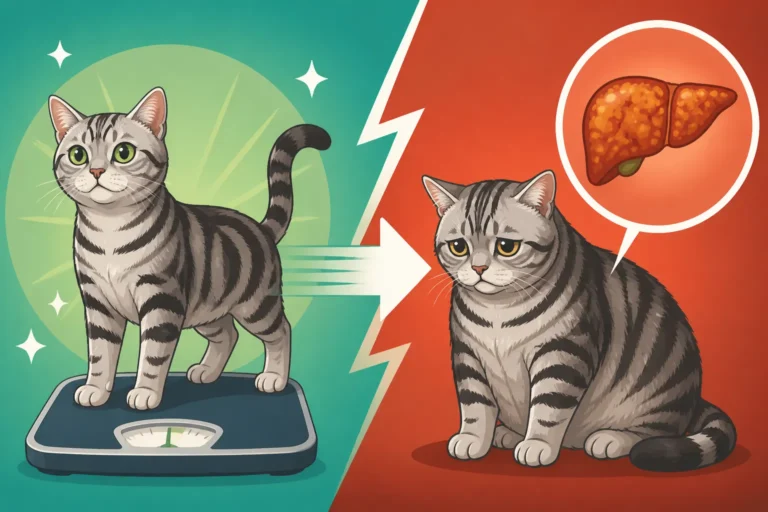
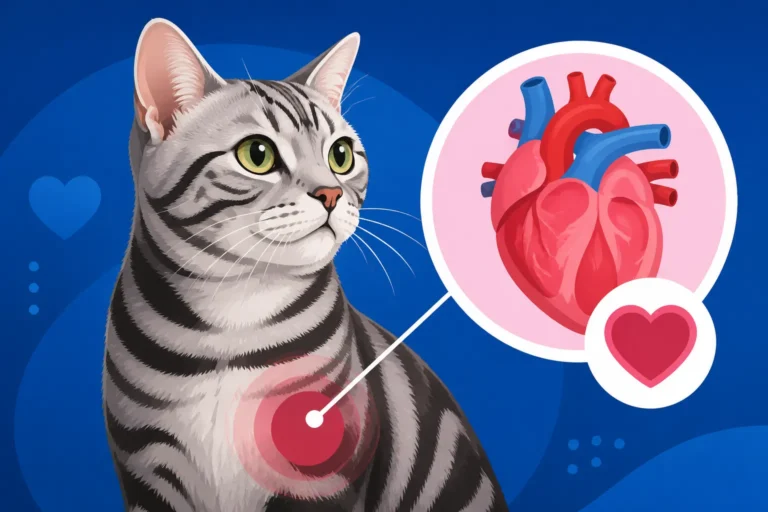
Beyond joint problems, obesity is a significant risk factor for feline diabetes mellitus. Excess fat cells can lead to insulin resistance, meaning the body's cells don't respond properly to insulin, a hormone vital for regulating blood sugar. Over time, this can lead to type 2 diabetes, requiring daily insulin injections and careful dietary management. The article How Weight Turns Into Diabetes in an American Shorthair details this concerning link. Other health issues linked to obesity include liver problems (hepatic lipidosis), urinary tract disease, and certain types of cancer. These conditions can be costly to manage, and while a good insurance policy from providers like Healthy Paws can help cover unexpected veterinary bills, prevention is always better.
Impact on Lifespan and Quality of Life
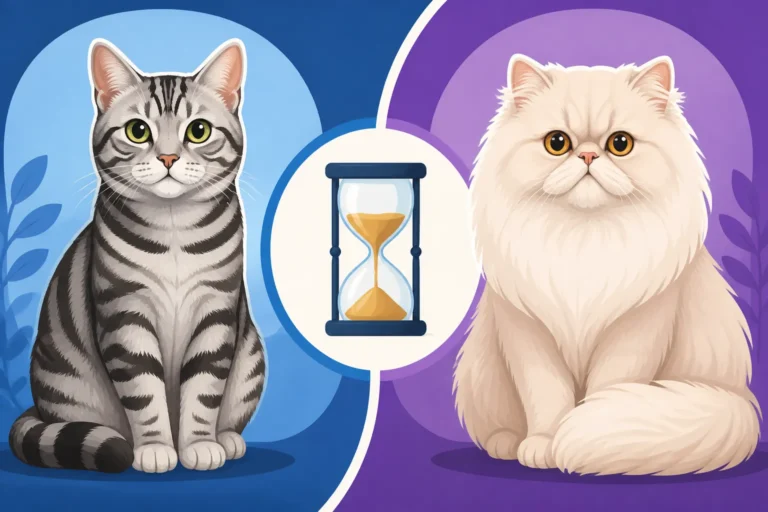
Simply put, an overweight American Shorthair is unlikely to live as long or as comfortably as one maintained at a healthy weight. Studies consistently show that obese pets have a significantly reduced lifespan, sometimes by several years. For a breed that typically enjoys a long life, often reaching The Fifteen to Twenty Years the American Shorthair Was Given, this is a heartbreaking consequence. Every extra pound stresses their organs, compromises their immune system, and contributes to chronic inflammation, chipping away at their vitality.
Beyond longevity, the quality of life for an overweight cat is often diminished. They may struggle with basic activities like self-grooming, leading to matted fur and skin infections. Their mobility is reduced, making it harder to enjoy play or reach high places they once loved. They might become lethargic, withdrawn, and less interactive. The vibrant, alert, and playful personality characteristic of the American Shorthair can be dulled by the physical burden of obesity. Investing in good preventive care, often supported by pet insurance plans like those offered by Healthy Paws, is key to giving your American Shorthair the best chance at a full, healthy life. This also becomes particularly important when considering Caring for an American Shorthair Past Twelve, as excess weight can compound age-related issues.
Strategies to Combat Weight Gain in Your American Shorthair
The good news is that feline obesity is largely preventable and, in many cases, reversible. By understanding the underlying causes, we can implement targeted strategies to help our American Shorthairs shed those extra pounds and live their healthiest lives.
Reintroducing Play and Environmental Enrichment
Since a lack of activity and mental stimulation is a major contributor to weight gain, enriching your American Shorthair's environment and encouraging play is crucial. Think about simulating their natural hunting behaviors. This isn't about letting them outside to catch real prey, but providing outlets for their innate instincts. Wand toys that mimic a bird or a mouse, allowing for stalking, chasing, and a satisfying "capture," are excellent. Structured play sessions, 10-15 minutes twice a day, can make a huge difference, particularly using toys that allow them to complete the full hunting sequence, as described in Play That Finishes the Hunting Sequence for an American Shorthair.
Vertical space is also key. Cat trees, shelves, or wall-mounted perches give them opportunities to climb, jump, and survey their "territory" from above. Puzzle feeders are fantastic for engaging their minds and making them "work" for their food, slowing down consumption and providing mental exercise. Hiding portions of their daily food ration around the house can also simulate foraging, turning mealtime into an engaging activity rather than a quick scarf-and-dash. Even simple changes like rotating toys or introducing new scents (like catnip or silvervine) can keep their environment stimulating.
Crafting a Balanced Nutritional Plan
The cornerstone of weight management is a well-controlled, balanced diet. The days of free-feeding an indoor American Shorthair need to end. Instead, transition to scheduled meals, two or three times a day, with carefully measured portions. Work with your veterinarian to determine the ideal caloric intake for your cat based on their current weight, target weight, age, and activity level. Many vets can help you create a personalized weight loss plan, including recommending specific "light" or "weight management" diets that are lower in calories but still provide essential nutrients.
Consider incorporating more wet food into their diet. Wet food typically has a higher moisture content and can be less calorically dense than dry kibble, helping your cat feel fuller on fewer calories. It also contributes to better hydration, which is beneficial for overall health. Treats should be given sparingly and factored into their daily calorie count. Opt for low-calorie, healthy options. Regular weigh-ins at home (you can use a baby scale or weigh yourself, then yourself holding the cat, and subtract) will help you track progress and make necessary adjustments. Remember, slow and steady weight loss is safest, typically around 1-2% of their body weight per week, to avoid conditions like hepatic lipidosis. It's a journey, but a worthwhile one for their long-term health. Knowing How Many Years Extra Weight Takes Off the American Shorthair's Lifespan should be a strong motivator.
Understanding the Caloric Needs of an American Shorthair
Determining the right amount of food for your American Shorthair can feel like a puzzle, especially when their needs vary depending on their activity and ideal weight. Here's a general guide to help visualize the difference.
| Factor | Working American Shorthair (Historical) | Indoor American Shorthair (Modern) |
|---|---|---|
| Activity Level | High: Constant hunting, patrolling, climbing, high energy expenditure. | Low to Moderate: Limited space, bursts of play, mostly sedentary. |
| Metabolic Rate | High, efficient at processing prey for sustained energy. | Efficient, but prone to storing excess calories as fat with reduced activity. |
| Approximate Caloric Need | 25-30 calories per pound of ideal body weight. (e.g., 12lb cat = 300-360 kcal) | 15-20 calories per pound of ideal body weight. (e.g., 12lb cat = 180-240 kcal) |
| Typical Diet | Primarily fresh prey (high protein, moderate fat, low carb). | Commercial kibble/wet food (variable protein, fat, and carb content). |
| Feeding Method | Self-regulated through hunting. | Often free-fed, leading to overconsumption. |
| Weight Management | Natural regulation through activity. | Requires strict portion control and environmental enrichment. |
Note: These are general guidelines. Always consult your veterinarian for a precise caloric recommendation tailored to your individual cat's health status and weight goals.
Disclaimer
This article is for general informational purposes only and does not constitute professional advice. Laws, prices and regulations vary by location and change over time. Consult a qualified professional for guidance on your specific situation.