How the American Shorthair’s Lifespan Compares to a Persian’s
It's completely natural to wonder about how long our beloved feline companions will be with us, especially when considering different breeds. You've probably heard varying numbers thrown around, and it can be frustrating trying to get a clear picture of what to expect. When you're comparing a classic, hardy breed like the American Shorthair with the distinctively bred Persian, the differences in their typical lifespans and the reasons behind them are fascinating and incredibly important for potential owners to understand. This guide will delve deep into what influences the longevity of these two wonderful cat breeds.
The American Shorthair Lifespan: The Baseline of Health
The American Shorthair often gets lauded as the quintessential "average" cat, and when it comes to health and longevity, that's a huge compliment. These cats are known for their robust health, a testament to their working-cat origins where only the strongest and healthiest survived to pass on their genes. They weren't selectively bred for extreme physical traits, which largely spared them from many of the inherited conditions that plague more "designer" breeds.
Average Lifespan and Contributing Factors
Typically, an American Shorthair can be expected to live a good, long life, often ranging from 15 to 20 years, sometimes even longer with excellent care. This impressive longevity is a direct result of their natural genetic diversity and the absence of specific breed-related predispositions to severe health issues. They are, in many ways, the "control group" of cat breeding, representing what a healthy, naturally evolved feline should be. Their sturdy build, well-proportioned features, and generally strong immune systems contribute significantly to their ability to withstand common ailments and enjoy a full, active life well into their senior years. You might find it interesting to know that The Fifteen to Twenty Years the American Shorthair Was Given is a common expectation among enthusiasts and veterinarians alike.
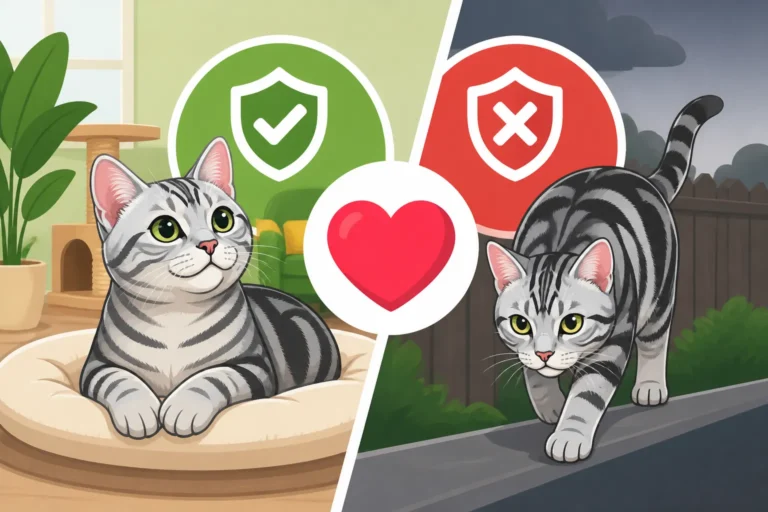
The factors contributing to this healthy lifespan include a moderate body type that doesn't put undue stress on joints or internal organs, a strong genetic pool that has not been excessively narrowed by extreme selective breeding, and a generally placid temperament that helps them handle stress well. Of course, individual care plays a massive role. An American Shorthair kept indoors, fed a high-quality diet, and receiving regular veterinary check-ups is much more likely to reach the upper end of that impressive age range. It's truly a testament to a breed that was allowed to develop naturally, focusing on function over exaggerated aesthetics.
The Role of Genetic Diversity
One of the biggest unsung heroes of the American Shorthair's robust health is its wide genetic pool. Unlike many pedigreed breeds that were established from a small number of foundation cats, the American Shorthair essentially came from the diverse population of working cats that immigrated to North America. This broad genetic base means a lower incidence of inherited diseases. When a breed has a very narrow gene pool, harmful recessive genes are more likely to be expressed because there's less genetic variety to buffer them.
For the American Shorthair, this genetic breadth acts as a shield, making them less susceptible to the widespread genetic illnesses seen in some other pedigrees. Breeders of American Shorthairs generally focus on maintaining this natural health, selecting for vigor and good temperament rather than chasing after extreme physical traits. This approach has allowed the breed to largely avoid the serious health issues that often accompany intense selective breeding for specific looks. This is why The American Shorthair Is the Control Group of Cat Breeding in many studies and discussions about feline health.
Persian Cat Lifespan: A History of Selective Breeding Challenges
Now, let's turn our attention to the Persian cat, a breed renowned for its luxurious long coat and distinctive flattened face. While undeniably beautiful and sweet-natured, these very traits, developed through generations of selective breeding, have unfortunately introduced a number of health challenges that can impact their overall lifespan and quality of life.
Average Lifespan and Inherited Predispositions
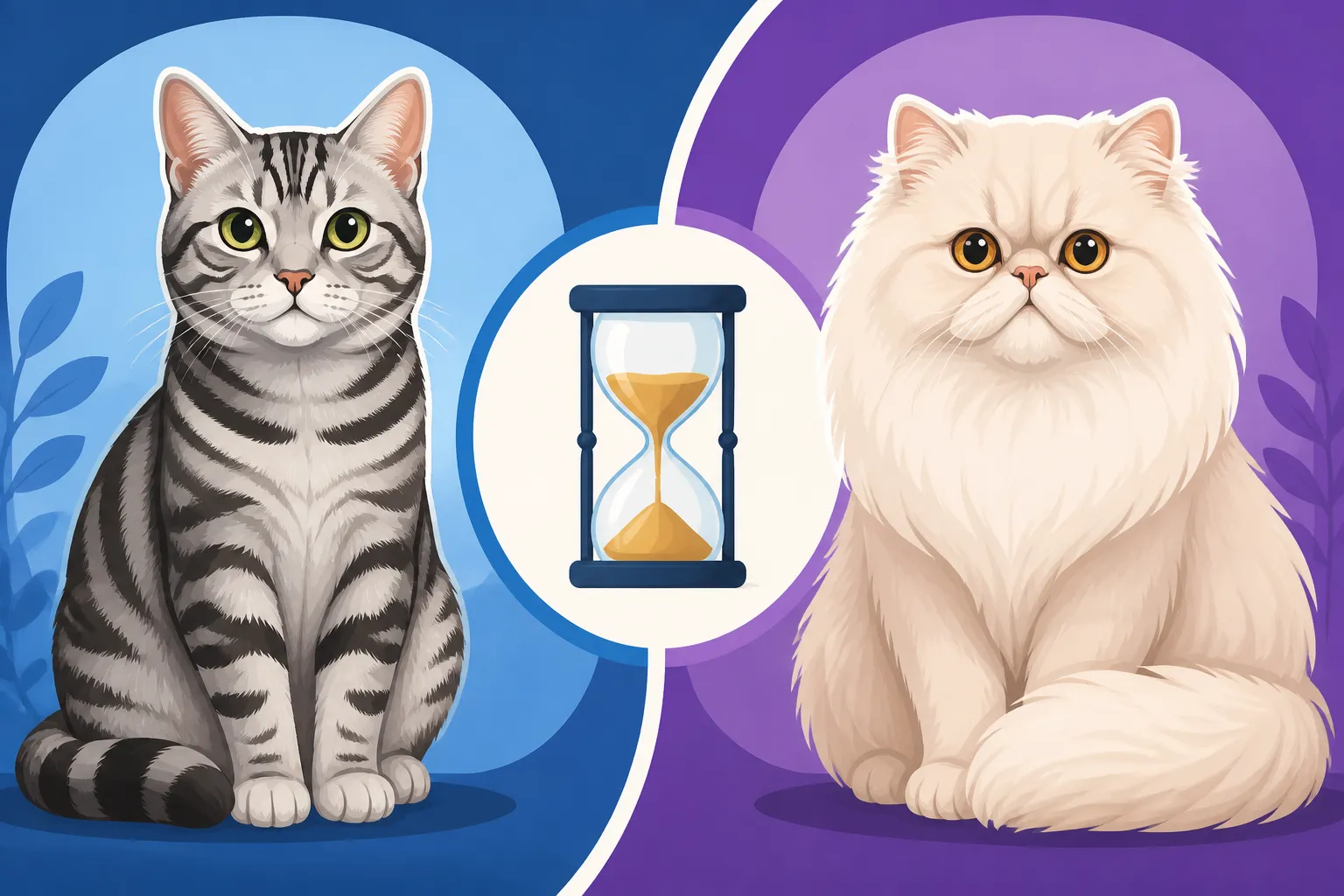
The average lifespan of a Persian cat typically falls between 10 and 15 years, which is a noticeable difference from the American Shorthair's potential of 15 to 20 years. This shorter average is primarily due to a suite of inherited health conditions that are more prevalent in the breed. The very features that make a Persian so recognizable – the brachycephalic (flat) face, the long fur, and specific head shape – are intrinsically linked to these predispositions.
One of the most well-known inherited conditions in Persians is Polycystic Kidney Disease (PKD), where cysts form in the kidneys and gradually lead to kidney failure. Responsible breeders now screen for PKD, but it was historically a significant issue. Other common issues include hypertrophic cardiomyopathy (HCM), a thickening of the heart muscle, and various eye conditions. These genetic predispositions mean that even with the best care, a Persian cat might face health hurdles that are less common in a breed like the American Shorthair.
Impact of Brachycephalic Features
The Persian's iconic flat face, while adored by many, is perhaps the single biggest contributor to their specific health challenges. This brachycephalic structure affects their respiratory system, eyes, and dental health significantly. Their shortened nasal passages mean they often struggle with breathing, especially in warm weather or during periods of stress. This can lead to conditions like Brachycephalic Airway Obstruction Syndrome (BAOS), which manifests as noisy breathing, panting, and even respiratory distress.
Beyond breathing, the unique facial structure also impacts their eyes. The prominent eyes, coupled with often excessive tear production due to tear ducts that struggle to drain properly, can lead to chronic epiphora (tear staining) and skin irritation. The shape of their eyelids can also contribute to entropion, where the eyelid rolls inward, causing eyelashes to rub against the cornea, leading to pain and potential damage. Furthermore, their flattened skulls often mean their teeth are crowded and misaligned, making them prone to dental disease. These persistent physical challenges require diligent care and can significantly affect a Persian's overall well-being and lifespan.
Key Health Differences Impacting Lifespan
When we look at the core differences between these two breeds, it becomes clear why their lifespans diverge. It's not just about getting sick; it's about the type of sicknesses and the severity with which they typically manifest.
Respiratory and Dental Health
For Persians, respiratory health is a constant concern. Their compacted facial structure, as mentioned, leads to narrowed nostrils, elongated soft palates, and sometimes even a collapsed larynx. This can make everyday activities like playing or even just breathing comfortably a struggle, especially in hot or humid environments. Imagine trying to breathe through a perpetually stuffy nose; that's often the reality for a brachycephalic cat. Chronic breathing difficulties can put a strain on their heart over time and make them more susceptible to respiratory infections.
In contrast, American Shorthairs have well-defined, open nostrils and normal muzzle length, allowing for effortless breathing. This natural anatomy means they rarely encounter respiratory issues stemming from their physical structure. Similarly, dental health is a bigger battle for Persians. Their crowded mouths often lead to misaligned teeth that trap food particles more easily, increasing the risk of plaque buildup, gum disease, and tooth loss. This necessitates more frequent professional dental cleanings and home care. While American Shorthairs can certainly develop dental issues, it's typically due to a lack of routine care rather than an inherent structural flaw. You might be surprised to learn How Many Dentals an American Shorthair Needs in Twenty Years even with their healthier oral anatomy.
Cardiovascular and Renal Disease Risk
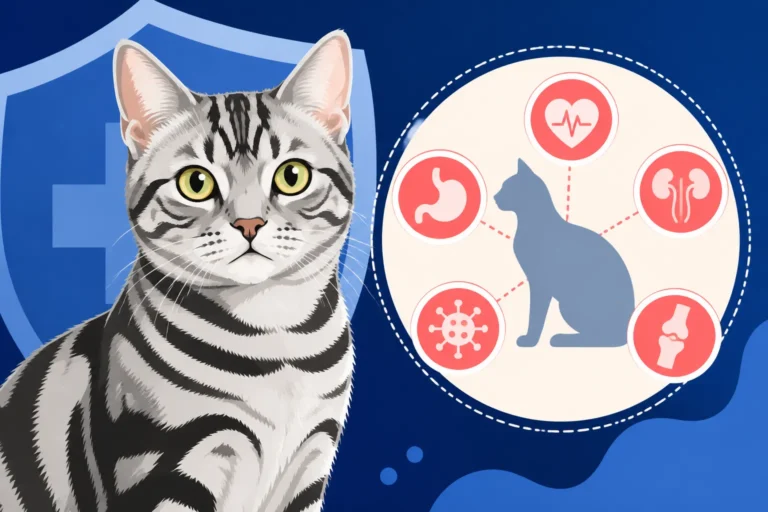
Cardiovascular disease, particularly Hypertrophic Cardiomyopathy (HCM), is a concern in both breeds, but with differing prevalence and patterns. For American Shorthairs, while not as widespread as in some other breeds like the Maine Coon, HCM is the one inherited cardiac disease that has been identified. Regular screening by responsible breeders is crucial. This is why HCM Is the One Inherited Disease the American Shorthair Kept and vigilance is important. If detected, management can help, but it's a serious condition.
Persians also face a risk of HCM, but perhaps their most defining internal health challenge is Polycystic Kidney Disease (PKD). This genetic disorder causes fluid-filled cysts to form in the kidneys, progressively enlarging and eventually leading to kidney failure. While genetic testing has made it possible to screen breeding cats and reduce the incidence of PKD, it remains a historical and significant concern for the breed. The cumulative effect of these various health predispositions naturally shaves years off their potential lifespan compared to the more structurally sound American Shorthair. This is a significant reason Why an American Shorthair Costs a Vet Less Than a Persian in terms of long-term health management.
Common Health Issues for Each Breed
Understanding the typical ailments each breed faces helps owners prepare for their specific needs and gives insight into their projected longevity. Proactive care can make a huge difference, no matter the breed.
American Shorthair Specific Concerns
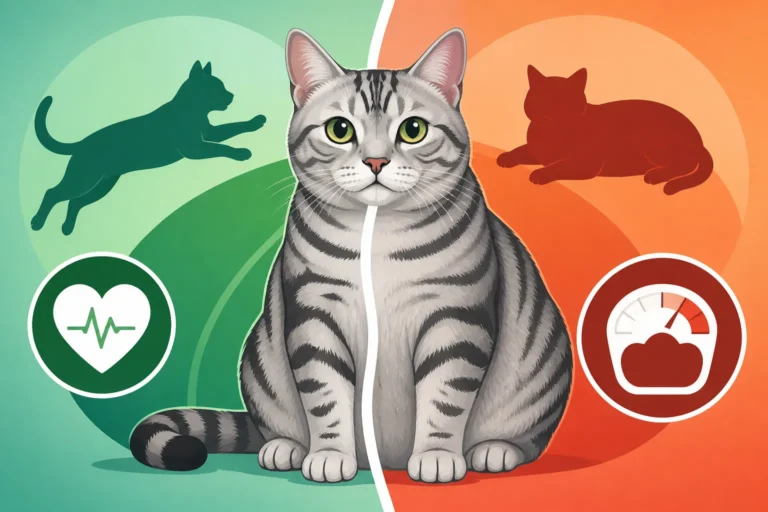
While generally robust, American Shorthairs aren't immune to health issues. One concern, as touched on, is Hypertrophic Cardiomyopathy (HCM). While rarer than in some other breeds, it does exist, so routine heart screenings, especially for breeding cats, are recommended. It's essential that Why an American Shorthair Still Needs a Yearly Heart Scan is understood by all owners, even those of supposedly healthier breeds. Another growing concern for the American Shorthair, particularly for indoor cats, is obesity. Their strong, muscular build means they have a hearty appetite, a remnant of their mousing days. When that natural hunting drive isn't met with activity, and calories aren't portioned correctly, weight gain can quickly become a problem.
Obesity in cats can lead to a host of secondary issues, including diabetes, arthritis, and liver problems, all of which can significantly shorten a cat's lifespan. We often see how Obesity Is What Ending the American Shorthair's Job Cost It, leading to health problems that could have been avoided. Additionally, like many cats, they can be prone to urinary tract issues, especially males, due to their narrower urethras. A male American Shorthair can be susceptible to blockages, a life-threatening emergency, which highlights Why a Male American Shorthair's Urethra Blocks First. Regular water intake and a proper diet are crucial here.
Persian Specific Concerns
Persians, unfortunately, have a longer list of breed-specific ailments directly tied to their unique conformation. Beyond PKD and HCM, their facial structure leads to a range of issues:
- Eye Problems: Epiphora (excessive tearing), cherry eye, entropion (inward-rolling eyelids), and even progressive retinal atrophy are more common. The need for daily facial cleaning to prevent skin irritation and infection from tear staining is a constant chore for owners.
- Breathing Difficulties: Brachycephalic Airway Obstruction Syndrome (BAOS) can range from noisy breathing to severe respiratory distress, requiring careful management, especially in hot weather.
- Dental Disease: Their misaligned and crowded teeth are highly susceptible to periodontal disease, requiring vigilant home care and frequent veterinary dental cleanings, sometimes with extractions. Why an American Shorthair Loses Teeth Nobody Noticed might be a general cat issue, but for Persians, it's often an accelerated and more severe problem due to their jaw structure.
- Heat Intolerance: Due to their breathing difficulties, Persians struggle immensely with heat and humidity, making them strictly indoor cats who require climate control.
- Hairball Issues: Their luxurious long coats, while beautiful, require daily grooming to prevent mats and reduce the ingestion of fur, which can lead to serious hairball blockages.
These chronic conditions often mean more frequent vet visits, specialized care routines, and a higher chance of needing medications or even surgeries throughout their lives.
Preventative Measures and Early Detection
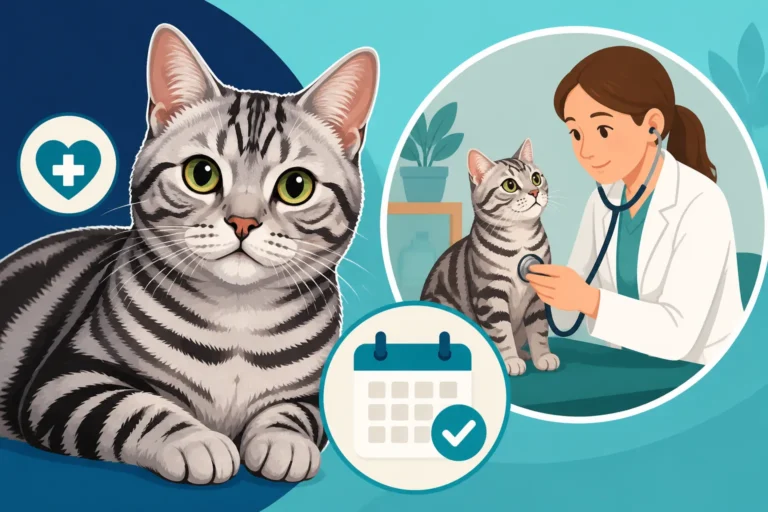
For both breeds, preventative care is paramount to maximizing their lifespan and quality of life. Regular veterinary check-ups, typically once a year for younger cats and twice a year for seniors, are non-negotiable. These visits allow your vet to catch subtle changes early, before they become major problems. For American Shorthairs, this includes monitoring weight, dental health, and annual heart screenings. Knowing What an American Shorthair Breeder Should Have Screened can give you an idea of the health baseline you should expect.
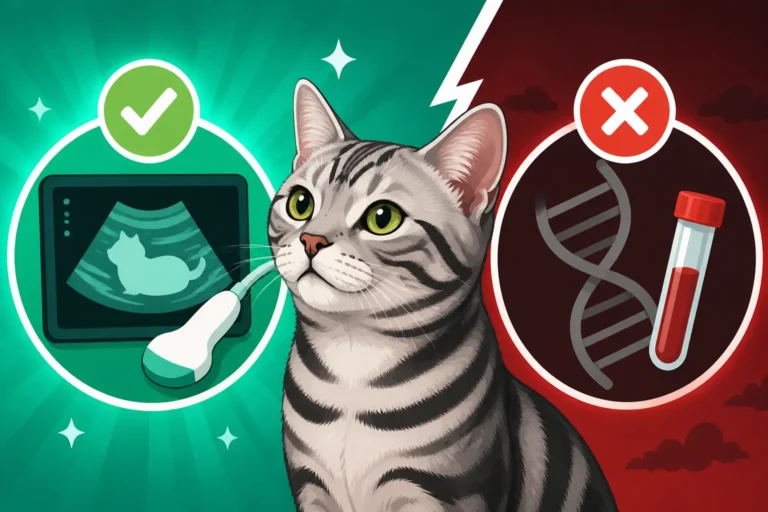
For Persians, the preventative regimen is often more intensive. Daily facial cleaning, meticulous grooming to prevent mats and hairballs, and careful monitoring of breathing are essential. Early detection of PKD through genetic testing (for breeders) or ultrasound (for individual cats) and regular cardiac screenings are vital. Owners should be aware of the signs of respiratory distress, eye irritation, or dental pain and seek veterinary attention promptly. Proactive care, rather than reactive treatment, is the best strategy for ensuring a long and comfortable life for both the American Shorthair and the Persian.
Care and Lifestyle Factors for Longevity
It's not just genetics that determine a cat's lifespan; the environment we provide and the daily care we offer play an equally critical role. For American Shorthairs and Persians, these lifestyle factors manifest differently due to their inherent breed characteristics.
Nutrition and Weight Management
For any cat, a high-quality, nutritionally balanced diet is the cornerstone of good health. However, the approach to feeding can differ significantly between these two breeds, especially when considering their natural tendencies. American Shorthairs, with their mouser ancestry, often have robust appetites. They were historically lean, active hunters, but in a modern indoor setting, that instinctual drive for food combined with a sedentary lifestyle can quickly lead to weight gain. Obesity in an American Shorthair can lead to joint problems, diabetes, and other serious health issues, effectively shortening their healthy years. It's a sad truth that How Many Years Extra Weight Takes Off the American Shorthair's Lifespan can be substantial. Portion control, interactive feeding (like puzzle feeders), and encouraging play are crucial for maintaining an ideal weight for an American Shorthair.
Persians also benefit from a high-quality diet, but their unique facial structure can sometimes make eating certain kibble shapes difficult. Wider, shallower bowls are often necessary to accommodate their flat faces, preventing whiskery fatigue and making mealtime more comfortable. Due to their predisposition to PKD, some veterinarians might recommend specific kidney-supportive diets later in life, even if the disease is not yet symptomatic. Given their often less active nature compared to an American Shorthair, precise portioning is equally important to prevent obesity, which would only exacerbate any existing respiratory or joint issues.
Grooming Needs and Their Health Impact
The grooming requirements for an American Shorthair versus a Persian couldn't be more different, and these differences directly impact their health and longevity. The American Shorthair boasts a dense, short coat that is remarkably easy to care for. It's designed to protect them from the elements and largely takes care of itself. A weekly brush-through to remove loose hair and distribute oils is usually sufficient. This minimal grooming requirement means less stress for both cat and owner and fewer issues like matting or excessive hairballs.
Persians, on the other hand, are high-maintenance when it comes to grooming. Their long, luxurious double coat is prone to matting, especially in areas like the armpits, behind the ears, and around the hindquarters. Daily brushing is not just a cosmetic chore; it's a critical health necessity. Mats can pull on the skin, causing pain, skin infections, and becoming a breeding ground for parasites. Regular grooming also helps prevent the formation of large hairballs, which can lead to life-threatening intestinal blockages. Beyond their coat, their flat faces demand daily cleaning to manage tear staining and prevent skin irritation and infection. Neglecting these intensive grooming needs can lead to significant discomfort and health complications, ultimately affecting their well-being and lifespan.
Environmental Enrichment and Stress
While American Shorthairs are generally adaptable and self-sufficient, providing them with adequate mental and physical stimulation is important. They retain a strong hunting instinct, so interactive playtime with wand toys or puzzle feeders is crucial to satisfy their prey drive and keep them active. A well-placed cat tree provides vertical territory for observation and climbing, which contributes to their overall happiness and physical fitness. A calm, consistent home environment generally suits their placid nature.
Persians, while often content to be "lap cats," still require enrichment to prevent boredom and stress. Their lower energy levels mean they might not need as much vigorous play as an American Shorthair, but puzzle toys and gentle interaction are still beneficial. Their brachycephalic features make them more sensitive to heat and stress, so a cool, quiet, and predictable home environment is paramount. Any environmental stressor, like excessive noise, changes in routine, or extreme temperatures, can exacerbate their breathing difficulties or lead to other stress-related health issues. Both breeds thrive with human companionship, but the American Shorthair's independent streak means it often copes better with periods of solitude than some other breeds, whereas the Persian often prefers a more tranquil and stable home life.
Financial Considerations for Long-Term Health
The financial aspect of pet ownership is a significant one, and when comparing breeds, the potential veterinary costs over their lifespan can vary dramatically, heavily influencing overall ownership experience and, indirectly, a cat's longevity through access to care.
Routine Vet Care Costs
Routine veterinary care forms the baseline cost for any cat owner. This includes annual check-ups, vaccinations, parasite prevention, and dental cleanings. For an American Shorthair, these costs tend to be on the lower end compared to many pedigreed cats, precisely because of their generally robust health. They might need an occasional dental cleaning, and yearly heart screenings are advised due to the risk of HCM, but serious, chronic conditions are less common. This is a big reason Why an American Shorthair Costs a Vet Less Than a Persian in the long run.
For a Persian, routine care often comes with a higher price tag. Due to their specific predispositions, more frequent or specialized screenings might be recommended by your vet, such as regular eye exams or more intensive dental care. Dental cleanings might be needed more frequently due to their crowded teeth, and treatments for chronic conditions like tear duct issues or minor breathing problems can add up. Moreover, their extensive grooming needs, whether done at home or by a professional, represent a recurring expense that American Shorthair owners largely avoid.
Managing Chronic Conditions
Here is where the financial differences truly widen. If an American Shorthair develops a chronic condition like HCM or arthritis in old age, the costs for medication, specialized diets, and ongoing monitoring can be substantial. However, the likelihood of them developing multiple, lifelong, breed-specific conditions is lower. Many American Shorthairs live out their senior years with minimal medical intervention beyond routine maintenance.
For a Persian, the potential for managing multiple chronic conditions throughout their life is much higher. A cat with PKD might need special renal diets, subcutaneous fluids, and medication for kidney disease. A cat with severe BAOS might require surgery to improve breathing. Chronic eye infections, skin fold dermatitis, or severe dental disease can lead to expensive specialist visits, surgeries, and long-term medication. These ongoing medical needs can easily run into thousands of dollars over a cat's lifetime, placing a significant financial burden on owners. It's a heavy thought to consider What an Untested American Shorthair Usually Dies Of and realize how many more complications a Persian might face.
The Value of Pet Insurance
Given the potential for high veterinary bills, especially for breeds with known health predispositions, pet insurance becomes a critical consideration. For American Shorthair owners, an insurance policy offers peace of mind against unexpected accidents or illnesses, such as the sudden diagnosis of HCM or a urinary blockage. Companies like Healthy Paws offer comprehensive plans that can cover a significant portion of unexpected veterinary costs, ensuring that an American Shorthair receives the best possible care without financial strain.
For Persian owners, pet insurance can be even more invaluable. With the higher probability of developing expensive chronic conditions related to their breed, a good policy from providers like Healthy Paws can literally save thousands of dollars in medical expenses over the cat's lifetime. It means you can make medical decisions based on what's best for your cat, rather than what you can afford out-of-pocket. When comparing the long-term costs of caring for these two breeds, factoring in a robust pet insurance plan from a company like Healthy Paws is a wise decision that supports not just your wallet, but ultimately, your cat's health and longevity. It provides a safety net, allowing owners to focus on enjoying their beloved companion rather than worrying about potential vet bills for issues like those requiring Caring for an American Shorthair Past Twelve or managing more complex Persian ailments.
A Comparative Overview
To summarize the key differences influencing the lifespan and care of American Shorthairs and Persians, here's a helpful table:
| Feature | American Shorthair | Persian |
|---|---|---|
| Typical Lifespan | 15-20 years (often longer) | 10-15 years |
| Genetic Diversity | High; generally robust health | Lower; predisposed to several inherited conditions |
| Facial Structure | Normal muzzle, open nostrils | Brachycephalic (flat face), compacted airways |
| Respiratory Health | Excellent; rarely structural issues | Prone to Brachycephalic Airway Obstruction Syndrome (BAOS) |
| Dental Health | Generally good; routine care prevents issues | Prone to crowded teeth, misalignment, severe dental disease |
| Eye Health | Generally clear | Prone to excessive tearing, entropion, other issues |
| Coat & Grooming | Short, dense; low maintenance (weekly brush) | Long, luxurious; high maintenance (daily brushing, mat prevention) |
| Common Major Health | HCM (lower incidence), obesity (if not managed), urinary issues | PKD, HCM, BAOS, severe dental & eye issues, hairballs |
| Heat Tolerance | Good | Poor; strictly indoor, requires climate control |
| Typical Vet Costs | Lower; focused on preventative care | Higher; focused on preventative and condition management |
This comparison clearly illustrates why the American Shorthair, a breed valued for its natural soundness, often enjoys a significantly longer and healthier life than the Persian, whose distinctive aesthetic unfortunately comes with a trade-off in terms of health and longevity.
Disclaimer
This article is intended for informational purposes only and does not constitute veterinary advice. Always consult with a qualified veterinarian for any health concerns or before making any decisions about your pet's care. Individual cats may vary, and while general breed predispositions are discussed, any cat can experience health issues.