Whether Welfare Bodies Have Anything to Say About the American Shorthair
It's completely understandable to wonder if any red flags exist for a breed like the American Shorthair, especially when so much conversation around purebred cats today focuses on potential genetic issues and extreme features. We all want our beloved companions to live long, healthy lives, and it's natural to be concerned about hidden health problems. This guide is dedicated to exploring what major welfare organizations and veterinary bodies have to say about the American Shorthair, delving into their overall assessment of the breed's health and any specific recommendations they might offer.
Understanding the Role of Welfare Bodies in Breed Standards
When we talk about "welfare bodies," we're generally referring to organizations like the Cat Fanciers' Association (CFA), The International Cat Association (TICA), and various veterinary associations, as well as broader animal welfare groups. Their primary goal is to ensure the health, safety, and well-being of animals, and for pedigree breeds, this often involves reviewing breed standards and monitoring common health trends. They aim to prevent practices that could lead to suffering or a reduced quality of life.
What Constitutes a "Welfare Concern" in Pedigree Cats?
A welfare concern in pedigree cats typically arises from breeding practices that prioritize aesthetics over health, leading to exaggerated features that cause physical problems. This could include brachycephalic (flat-faced) breeds struggling to breathe, breeds with folded ears being prone to ear infections and cartilage issues, or those with very long backs suffering from spinal problems. It also encompasses inherited genetic diseases that are common or severe within a particular breed, making it a focus for ethical breeders and welfare advocates.
For an American Shorthair, a breed known for its robust, natural physique, these concerns are often less about extreme features and more about the ongoing management of a healthy cat. Welfare bodies look at the breed's genetic diversity, prevalence of inherited diseases, and general longevity. If a breed consistently shows a high incidence of a debilitating condition or requires constant medical intervention just to exist, that would certainly raise a red flag. Thankfully, the American Shorthair generally stands in stark contrast to breeds with such issues, but vigilance is always key.
How Breed Standards Can Influence Welfare
Breed standards, set by organizations like the CFA and TICA, describe the ideal physical and temperamental traits of a purebred cat. While these standards are essential for maintaining breed identity, they can inadvertently create welfare issues if they encourage traits that compromise health. For instance, a standard that favors an extremely short nose might lead to breathing difficulties. Fortunately, the American Shorthair's standard emphasizes a well-balanced, sturdy, and proportioned cat – traits that inherently support good health rather than hinder it.
The very essence of the American Shorthair's standard promotes a cat that is functional and fit, reflecting its working heritage. This is a huge advantage from a welfare perspective, as breeders are not encouraged to select for features that could cause suffering. Instead, the focus is on maintaining its natural conformation and amiable temperament. This aligns perfectly with the goals of welfare bodies, which advocate for breeding practices that enhance, rather than detract from, a cat's ability to live a comfortable and healthy life.
The American Shorthair's Unique Position Regarding Welfare
It's refreshing to discuss a breed where welfare bodies often offer praise rather than caution. The American Shorthair truly holds a special place in the feline world, often being referred to as the benchmark for what a healthy, well-balanced cat should be. This isn't just luck; it's a direct result of its history and how the breed was developed over generations.
Historical Context and Natural Breed Development
The American Shorthair's ancestors were the working cats brought to North America by early European settlers. These cats weren't bred for fancy looks or specific aesthetic traits; they were valued for their ability to hunt vermin and survive harsh conditions. This meant that only the hardiest, healthiest, and most adaptable cats thrived and reproduced, essentially creating a "natural selection" process. This long history of natural development, rather than selective breeding for extreme features, is a cornerstone of the breed's excellent health.
The phrase "The American Shorthair Is the Control Group of Cat Breeding" truly encapsulates this heritage. It means they embody the natural robustness that other breeds are often compared against. When breeders eventually started to formalize the breed, they focused on preserving these practical, healthy characteristics, rather than introducing exaggerated traits. This historical foundation is why welfare bodies generally view the American Shorthair so positively – its very blueprint is built on functionality and resilience.
Minimal Extreme Features and Health Outcomes
One of the biggest reasons welfare bodies have so little to be concerned about with the American Shorthair is its lack of extreme physical features. Unlike some breeds with pushed-in faces, tiny ears, or long, delicate bodies, the American Shorthair possesses a strong, muscular build, a well-proportioned head, and a healthy, short coat. These are all traits that contribute to its overall health and vitality, preventing the common conformational problems seen in other breeds.
This natural, moderate build means that American Shorthairs generally have "What an American Shorthair With No Designer Defect Gets Instead" – a body designed to function optimally. They have open nostrils for easy breathing, strong jaws and teeth, sturdy legs, and a dense, weather-resistant coat that requires minimal grooming. This absence of extreme features translates directly into fewer health complications, making the American Shorthair a model of good breed stewardship from a welfare perspective.
Specific Health Considerations Monitored by Welfare Groups
While the American Shorthair is known for its robust health, no breed is entirely immune to all health challenges. Welfare bodies, therefore, also focus on educating owners and breeders about specific conditions that, though rare, might still occur, and how to best manage general feline health. This ensures that even in a healthy breed, proactive care and informed decisions remain paramount.
Hypertrophic Cardiomyopathy (HCM)
Even for a breed as naturally healthy as the American Shorthair, there is one genetic condition that does warrant attention: Hypertrophic Cardiomyopathy (HCM). This is a heart condition characterized by the thickening of the heart muscle, which can impede its function. While it's significantly less prevalent in American Shorthairs compared to some other breeds like Maine Coons or Ragdolls, it's still the primary inherited disease that welfare bodies and ethical breeders keep an eye on. It’s a stark reminder that even the most robust breeds can carry a genetic predisposition.
This is why, despite their overall health, "HCM Is the One Inherited Disease the American Shorthair Kept." Responsible breeders typically screen their breeding cats for HCM using echocardiograms performed by a veterinary cardiologist. This proactive approach helps to identify affected animals before they are bred, slowly working to reduce the incidence of the disease in future generations. For pet owners, understanding that "Why an American Shorthair Still Needs a Yearly Heart Scan" is a crucial part of long-term health monitoring, especially as they age, even if a hereditary link isn't directly established for their specific cat. Organizations like the American Veterinary Medical Association (AVMA) emphasize regular veterinary check-ups for all cats, including those within breeds with known, albeit rare, genetic predispositions.
Obesity and Lifestyle-Related Issues
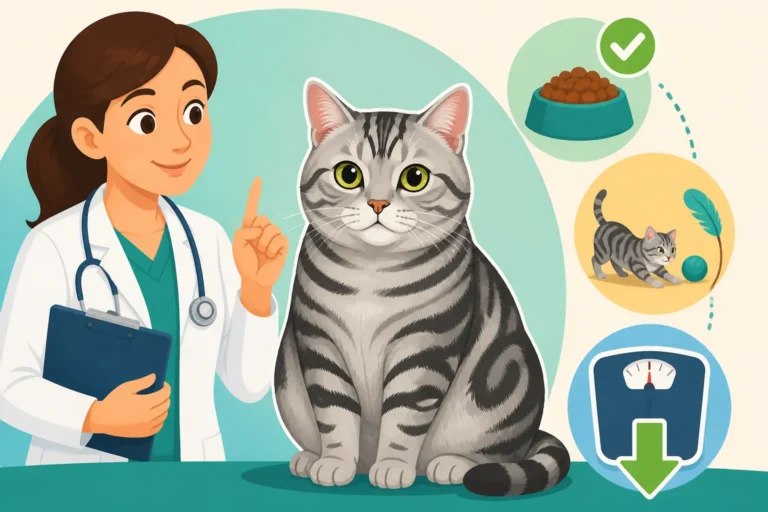
Perhaps the most significant welfare concern for many domestic cats, including the American Shorthair, isn't genetic but lifestyle-related: obesity. American Shorthairs were historically working cats, constantly on the move, hunting for their meals. In modern indoor environments, this natural drive for activity often isn't met, and their strong appetites can lead to weight gain. This is where "Obesity Is What Ending the American Shorthair's Job Cost It." Excessive weight places strain on joints, increases the risk of diabetes, and can lead to a host of other health problems, significantly impacting their quality of life and lifespan.
Welfare bodies strongly advocate for responsible feeding and enrichment to prevent obesity. This means carefully portioning meals, offering stimulating play that mimics hunting, and providing adequate vertical and horizontal space for exercise. Reputable pet insurance providers like Healthy Paws often highlight the importance of preventative care, including weight management, to keep claims down and, more importantly, to keep pets healthy. If an American Shorthair becomes overweight, seeking guidance from your veterinarian on "How a Vet Builds an American Shorthair's Weight Loss Plan" is crucial for a safe and effective dietary and exercise regimen. This focus on preventative care is a major part of what welfare bodies consider responsible pet ownership for any breed.
Other General Health Checks
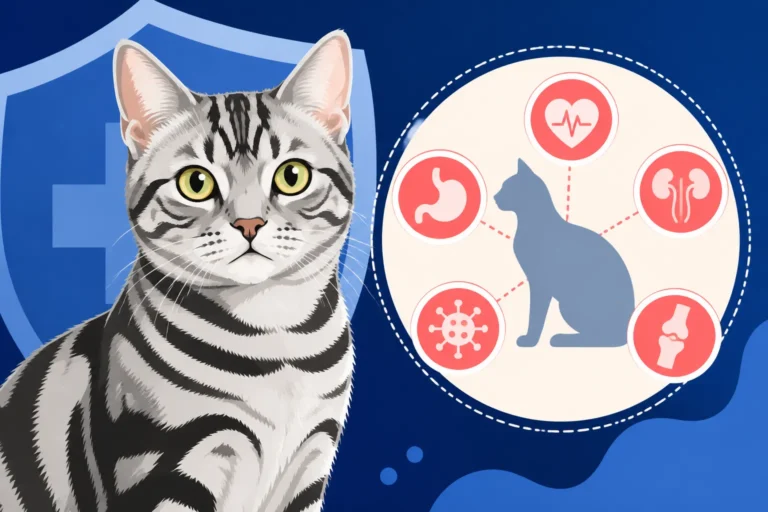
Beyond specific genetic concerns and lifestyle issues, welfare bodies also advocate for comprehensive general health care for American Shorthairs, just as they would for any cat. This includes routine vaccinations, parasite control, and regular veterinary check-ups to catch any emerging issues early. One often-overlooked area, but a significant contributor to overall well-being, is dental health. "Why Gum Disease Is the American Shorthair's Quietest Problem" is a common issue across all cat breeds and can lead to pain, infection, and even systemic health problems if left untreated. Regular dental care, including professional cleanings, is vital.
Another aspect of general health that welfare bodies champion is ensuring that cats receive appropriate veterinary care for any illness or injury. This might sound obvious, but the cost of vet care can be a barrier for some owners. This is where pet insurance, like plans offered by Healthy Paws, can play a crucial role, helping owners afford necessary treatments. The American Shorthair's generally good health contributes to "How Much Less an American Shorthair Owner Spends at the Vet" compared to owners of breeds with more extensive inherited issues, making routine and even unexpected care more manageable. Their reputation as "Why an American Shorthair Is a Low Anesthetic Risk" also contributes to the safety of necessary surgical procedures, which is another aspect welfare bodies consider when assessing overall breed well-being.
What Major Welfare Organizations Advise for American Shorthairs
Given their excellent health profile, welfare bodies generally view the American Shorthair as a breed that exemplifies good breeding practices. Their advice largely centers on maintaining this status through responsible ownership and ethical breeding, ensuring future generations remain as robust and well-adjusted as their ancestors.
General Recommendations for Responsible Breeding and Ownership
For American Shorthair breeders, welfare organizations emphasize maintaining genetic diversity, which helps keep the breed resilient against inherited conditions. This means careful selection of breeding pairs to avoid close inbreeding and ensuring all breeding cats are screened for known health issues, particularly HCM. They also advocate for transparency with potential buyers, providing health clearances and being open about the breed's history and potential needs. When it comes to pet owners, the recommendations are similar to those for any cat: provide a high-quality diet, ensure regular exercise and mental stimulation, maintain a clean living environment, and seek prompt veterinary care when needed.
The emphasis from welfare bodies is less about correcting inherent problems in the American Shorthair and more about preserving its natural advantages. This aligns with the idea that "What an American Shorthair Pedigree Predicts About Health" is largely positive, but a pedigree is only as good as the ethical choices made by the breeder. Organizations like the Cat Fanciers' Association (CFA) or The International Cat Association (TICA) provide codes of ethics for their registered breeders, which often include provisions for health screening and responsible placement of kittens. A responsible breeder, often a member of such organizations, will openly share genetic screening results and discuss the health of their lines, ensuring that new owners feel confident in their choice.
Resources and Support for American Shorthair Owners
For current or prospective American Shorthair owners, welfare bodies, often in conjunction with breed clubs, offer a wealth of information and resources. This includes guidance on nutrition, enrichment, training, and how to spot signs of illness. They also highlight the importance of preventative veterinary care, suggesting regular check-ups and vaccinations tailored to the cat's lifestyle. Many resources also delve into behavioral aspects, explaining "The American Shorthair Still Hunts, Whether You Want It To or Not" and how to channel those natural instincts positively indoors.
Furthermore, these organizations often recommend reputable pet insurance plans, like those offered by Healthy Paws, as a way to manage unforeseen veterinary costs. Given that "Whether Insurers Price the American Shorthair Low" is often true due to their good health, it makes robust insurance a very sensible and affordable choice for comprehensive care, further supporting the cat's welfare throughout its life. Ultimately, welfare bodies are there to support owners in providing the best possible care, ensuring that the American Shorthair continues to be a shining example of a healthy, happy, and well-adjusted companion cat, fitting beautifully into homes, and for "Why an American Shorthair Suits a First Time Owner" particularly well.
Here’s a quick overview of how the American Shorthair stacks up against common welfare concerns:
| Welfare Concern Category | Common Issue in Some Breeds | American Shorthair Standing |
|---|---|---|
| Conformational Extremes | Brachycephaly (breathing issues), folded ears (infections), long backs (spinal problems) | Excellent: Robust, well-proportioned body, round head, open airways. No extreme features. |
| Genetic Diseases | High prevalence of specific genetic conditions (e.g., PKD in Persians, HCM in Maine Coons) | Very Good: Very low incidence of inherited diseases. HCM is the main one to monitor, though rare. |
| Coat/Skin Issues | Excessive matting, delicate skin, specific allergies | Excellent: Short, dense, low-maintenance coat. Seldom mats, few skin complaints. |
| Temperament/Behavior | Extreme shyness, aggression, high anxiety, excessive vocalization | Excellent: Known for being amiable, adaptable, quiet, and independent. |
| Longevity | Shortened lifespan due to breed-specific health issues | Excellent: Consistently lives 15-20 years, a testament to its genetic health. |
| Common Acquired Illnesses | Dental disease, obesity, arthritis | Good, but depends on owner: Prone to obesity if overfed, dental care is crucial, arthritis in old age. |
Disclaimer
Please remember that this article provides general information and insights into the American Shorthair breed and welfare body perspectives. Every cat is an individual, and specific health concerns should always be discussed with a qualified veterinarian. This content is not a substitute for professional veterinary advice.