Whether Kibble Does Anything for an American Shorthair’s Teeth
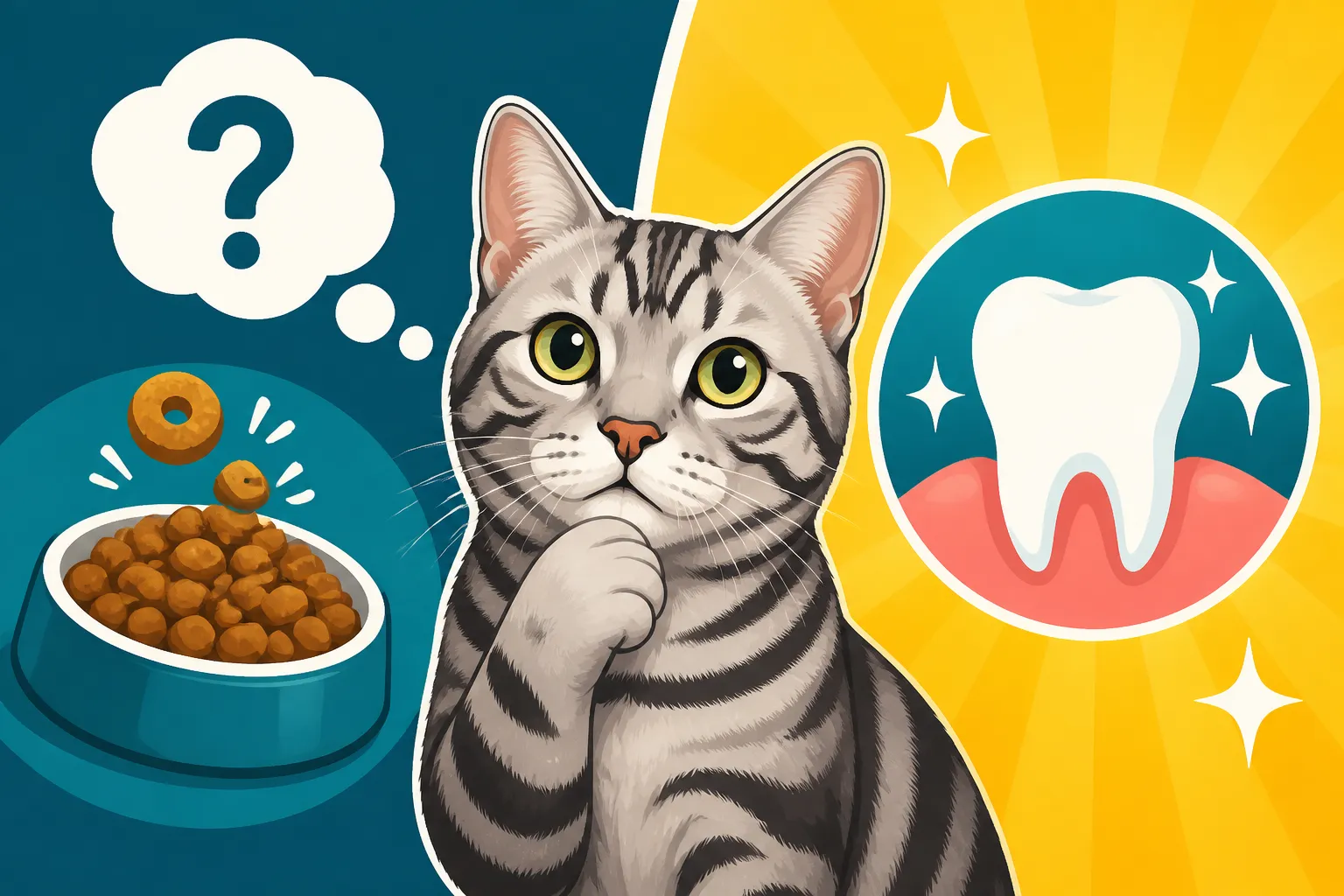
It’s a common scenario for American Shorthair owners: you’re trying your best to keep your beloved feline healthy, and somewhere along the way, you heard that crunchy kibble is great for their teeth. You imagine them chomping down, the hard bits scraping away plaque, just like a toothbrush. It sounds so convenient, doesn’t it? The frustrating reality is that while the idea is appealing, the effectiveness of standard kibble in maintaining your American Shorthair's dental health is often vastly overestimated, leading many owners to unknowingly neglect a critical aspect of their cat's well-being. This guide will dive deep into this pervasive myth, explore what truly works for feline dental care, and help you understand how to protect your American Shorthair's pearly whites for a long, healthy life.
The Persistent Myth of Kibble as a Dental Cleanser
For years, it’s been a widely held belief among pet owners that feeding dry kibble can help keep a cat’s teeth clean. The logic seems straightforward enough: hard, crunchy food should mechanically scrub away plaque and tartar as the cat chews. After all, it works for some human foods, right? Unfortunately, for our feline friends, especially a sturdy American Shorthair, this isn't usually the case, and relying solely on kibble for dental hygiene can lead to significant problems down the line. It's a frustrating misconception because it gives owners a false sense of security, delaying vital interventions until dental disease has already taken root.
Why We Think Kibble Cleans Teeth
The root of this persistent myth largely stems from marketing and a natural human tendency to seek easy solutions. Pet food companies have, at times, promoted kibble as a way to maintain dental health, and for certain specialized dental diets, there's indeed some truth to that claim. However, these specific "dental" kibbles are engineered with larger, more porous structures that encourage deeper chewing and provide a mild abrasive action on the tooth surface. They are a far cry from the average, everyday kibble found on supermarket shelves.
Another reason for the widespread belief is simply the visual aspect. When a cat crunches on dry food, we assume it’s doing something beneficial for their teeth, much like how we might think eating an apple helps clean our own. This assumption, while well-intentioned, fails to account for the unique physiology and eating habits of a cat. We want to believe that something as simple as their daily meal can tackle a complex issue like dental disease, making it easy to overlook other, more effective strategies.
The Reality of Kibble's Texture and Cat Chewing Habits
Here's where the rubber meets the road, or rather, where the kibble meets the cat's teeth—or doesn't, as is often the case. An American Shorthair, like most cats, is a carnivore with a jaw structure and teeth designed for tearing and shearing, not grinding. They have sharp, pointed teeth (canines and carnassials) that are fantastic for ripping meat off bone, but not so great for gnawing on hard, dry pellets.
When an American Shorthair eats regular kibble, they tend to swallow pieces whole or give them a quick, minimal crunch. The pieces are usually small enough that they don't necessitate much chewing, and even when they do crunch, the kibble often shatters before it has a chance to properly abrade the tooth surface, particularly the crucial gumline where plaque buildup begins. It's a bit like trying to clean your teeth with crackers; they just crumble without providing any meaningful scrubbing action. The shape and density of standard kibble simply aren't designed to effectively remove plaque and tartar. This means that, despite consuming dry food daily, many American Shorthairs still develop significant dental issues, making regular dental check-ups and a comprehensive approach to oral hygiene absolutely essential. You might find yourself wondering, "Why Gum Disease Is the American Shorthair's Quietest Problem" and realizing kibble wasn't the answer.
What Actually Contributes to Dental Health in American Shorthairs
Given that standard kibble is largely ineffective for dental hygiene, it becomes crucial to understand what does make a difference. American Shorthairs, with their strong, natural builds, might appear robust, but their dental health is as vulnerable as any other cat's without proper care. A proactive approach is key to preventing painful and costly dental diseases that can seriously impact their quality of life. Thinking about "How many dentals an American Shorthair needs in twenty years" really drives home the importance of early intervention and consistent care throughout their life.
The Importance of Regular Veterinary Dental Care
Just like humans need regular dental check-ups and cleanings, so do our American Shorthairs. This is arguably the most critical component of maintaining their oral health. A professional dental cleaning performed by a veterinarian involves a thorough examination of the mouth, often requiring sedation to ensure the cat is comfortable and the vet can access all areas safely. During this procedure, the vet will scale away plaque and tartar, both above and below the gumline, and polish the teeth to smooth the surfaces, making it harder for plaque to adhere in the future.
Beyond routine cleaning, your vet can also identify and address more serious issues, such as gingivitis, periodontitis, broken teeth, or resorptive lesions (painful erosions that commonly affect cats). Early detection means less pain for your cat and often less extensive (and less expensive) treatment. Many owners find themselves caught off guard by the costs involved if they wait too long, making a pet insurance plan from providers like Healthy Paws a wise investment to cover unexpected veterinary expenses, including those emergency dental procedures. It’s not just about cleaning; it’s about comprehensive oral health management that only a professional can provide.
Home Dental Care: Brushing and Dental Treats
While professional cleanings are paramount, what you do at home between vet visits plays a huge supporting role. The gold standard for home dental care in cats is, believe it or not, brushing their teeth. Yes, it sounds daunting, but with patience and the right approach, many American Shorthairs can learn to tolerate, and even enjoy, having their teeth brushed.
Start slowly, using a soft, finger-brush or a small, soft toothbrush designed for cats, along with a veterinary-approved cat toothpaste (never use human toothpaste, as it contains ingredients toxic to cats). Focus on the outside surfaces of the teeth, where plaque tends to accumulate most. Consistency is more important than duration; even a few seconds every day or every other day can make a significant difference. If you have an American Shorthair kitten, it’s a fantastic opportunity to start early. You can learn more about "How to Start Toothbrushing an American Shorthair Kitten" to make the process smoother.
If brushing isn’t feasible for your cat, there are other options, though they are generally less effective. Veterinary dental chews and treats, such as those approved by the Veterinary Oral Health Council (VOHC), can offer some abrasive action or contain ingredients that help reduce plaque and tartar buildup. Look for the VOHC seal of acceptance, as this indicates that the product has met standards for effectiveness. Dental water additives or oral rinses can also be part of a multi-modal approach, but they should never replace brushing or professional cleanings. These are supplementary tools, not standalone solutions.
Here’s a quick comparison of common dental care methods:
| Method | Mechanism of Action | Effectiveness Rating (1-5, 5 being highest) | Cost (Estimated Annually) | American Shorthair Acceptance |
|---|---|---|---|---|
| Standard Dry Kibble | Minimal mechanical abrasion | 1 | Included in food cost | High (eats it anyway) |
| VOHC-Approved Dental Kibble | Larger, porous texture for abrasion | 2-3 | Moderate (specialized food) | Moderate-High |
| Daily Tooth Brushing | Direct mechanical plaque removal | 5 | Low (toothpaste, brush) | Variable (requires training) |
| VOHC-Approved Dental Treats | Mild abrasion, plaque-inhibiting ingredients | 2-3 | Moderate | High |
| Professional Dental Cleaning | Comprehensive scaling, polishing, and examination | 5 | High (vet bill, sedation) | N/A (done by vet) |
| Dental Water Additives | Chemical plaque/bacteria reduction | 1-2 | Low-Moderate | Variable |
As you can see, relying on standard kibble is at the very bottom of the effectiveness scale. Integrating home brushing and regular vet visits, possibly with the help of a pet insurance like Healthy Paws, is truly the winning combination.
Nutritional Considerations Beyond Dental Health
While the focus here is on dental health, it's impossible to completely separate it from your American Shorthair's overall diet and well-being. The type of food you choose impacts everything from their coat health to their energy levels, their digestive system, and yes, even their urinary health. For a breed known for its robust health and long lifespan, like the American Shorthair, a holistic approach to nutrition is crucial. It’s not just about what doesn’t harm their teeth, but what does contribute to their vitality.
The American Shorthair's Ancestral Diet and Hydration
Our modern American Shorthairs descend from working cats, often known as "mousers," who earned their keep on farms and ships. Their ancestors lived on a diet primarily composed of fresh prey – mice, rats, small birds. This means their natural diet was high in protein, moderate in fat, and very low in carbohydrates, but most importantly, it was rich in moisture. Prey animals consist of about 70-80% water.
Fast forward to today, and many American Shorthairs are fed an exclusively dry kibble diet. This shift can have significant implications for their health, particularly concerning hydration. Cats naturally have a low thirst drive, evolved to get most of their water from their food. When fed dry kibble, which typically contains only 5-10% moisture, they often don't drink enough to compensate, leading to chronic low-level dehydration. This can put stress on their kidneys and urinary tract over time. You might want to consider "How Much Water an American Shorthair Should Drink" and "Whether an American Shorthair Needs Wet Food" when planning their diet. Providing fresh water in multiple locations, or even a pet fountain, can encourage drinking, but incorporating wet food into their diet is often the most effective way to boost their daily moisture intake.
Choosing the Right Diet for Overall Health
When selecting food for your American Shorthair, think about their natural physiology as a carnivore. Look for high-quality commercial cat foods that list meat (like chicken, turkey, fish, or beef) as the first few ingredients. While dry food can be convenient and calorie-dense (which, if not portioned correctly, can quickly lead to problems like "Why a Bowl Left Down Ruins an American Shorthair"), a diet that includes wet food offers several advantages.
Wet food provides essential moisture, supporting kidney function and urinary health. It can also be more satiating, helping with weight management, especially for an American Shorthair that has lost its "mousing job" and may be prone to weight gain. "How Wet Food Helps an American Shorthair's Waistline" is a topic many owners explore as their cats mature. A balanced diet doesn't necessarily mean raw feeding, but it does mean prioritizing nutrient-dense, species-appropriate foods. Some brands, even those offering pet insurance like Healthy Paws, emphasize the link between good nutrition and fewer vet visits, highlighting the long-term benefits of a quality diet. Consulting your veterinarian to choose a diet appropriate for your American Shorthair's age, activity level, and health status is always the best course of action. They can help you navigate the myriad of options and ensure your cat is getting all the nutrients they need, not just for strong teeth, but for a strong body and mind.
The idea that kibble alone can maintain your American Shorthair's dental health is a myth that needs to be debunked. While convenient, its limited abrasive action and your cat's natural eating habits mean it's unlikely to prevent the buildup of plaque and tartar effectively. Instead, focus on a comprehensive approach that prioritizes regular professional dental cleanings by your veterinarian, consistent at-home tooth brushing, and potentially VOHC-approved dental treats or specialized dental diets as supplementary tools.
Remember, your American Shorthair’s oral health is inextricably linked to their overall well-being. A cat with clean, healthy teeth is a happier cat, less prone to pain, infection, and other systemic health issues that can stem from poor dental hygiene. By being proactive and informed, you can ensure your beloved American Shorthair enjoys a healthy smile and a long, vibrant life by your side.
Disclaimer
This article is for general informational purposes only and does not constitute professional advice. Laws, prices and regulations vary by location and change over time. Consult a qualified professional for guidance on your specific situation.