The Age an American Shorthair’s Heart Starts to Thicken
It’s a common worry among cat parents, especially when you hear whispers about certain health conditions affecting specific breeds: when does something like heart disease actually start? With American Shorthairs, who are generally celebrated for their robust health, it can feel particularly jarring to consider that their strong, working-cat hearts might still be susceptible to a silent, progressive condition like hypertrophic cardiomyopathy (HCM). This guide is here to shed light on exactly when an American Shorthair's heart might begin to thicken, what that means for their health, and how we can best support our beloved feline companions.
Understanding the Silent Threat of Feline Heart Disease
Heart disease in cats, particularly hypertrophic cardiomyopathy (HCM), is a major concern for many owners. Even with a breed as naturally sturdy as the American Shorthair, it’s important to understand this condition, its potential impact, and why staying vigilant is key. It’s not about panicking, but about being informed and proactive.
What is Hypertrophic Cardiomyopathy HCM?
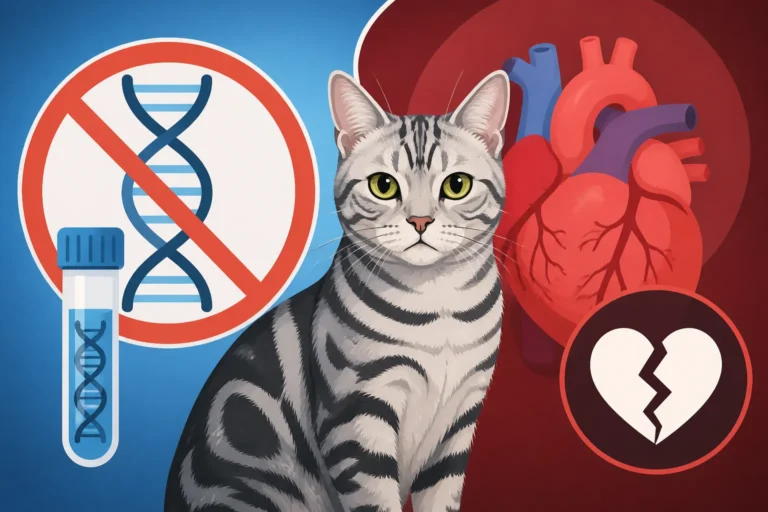
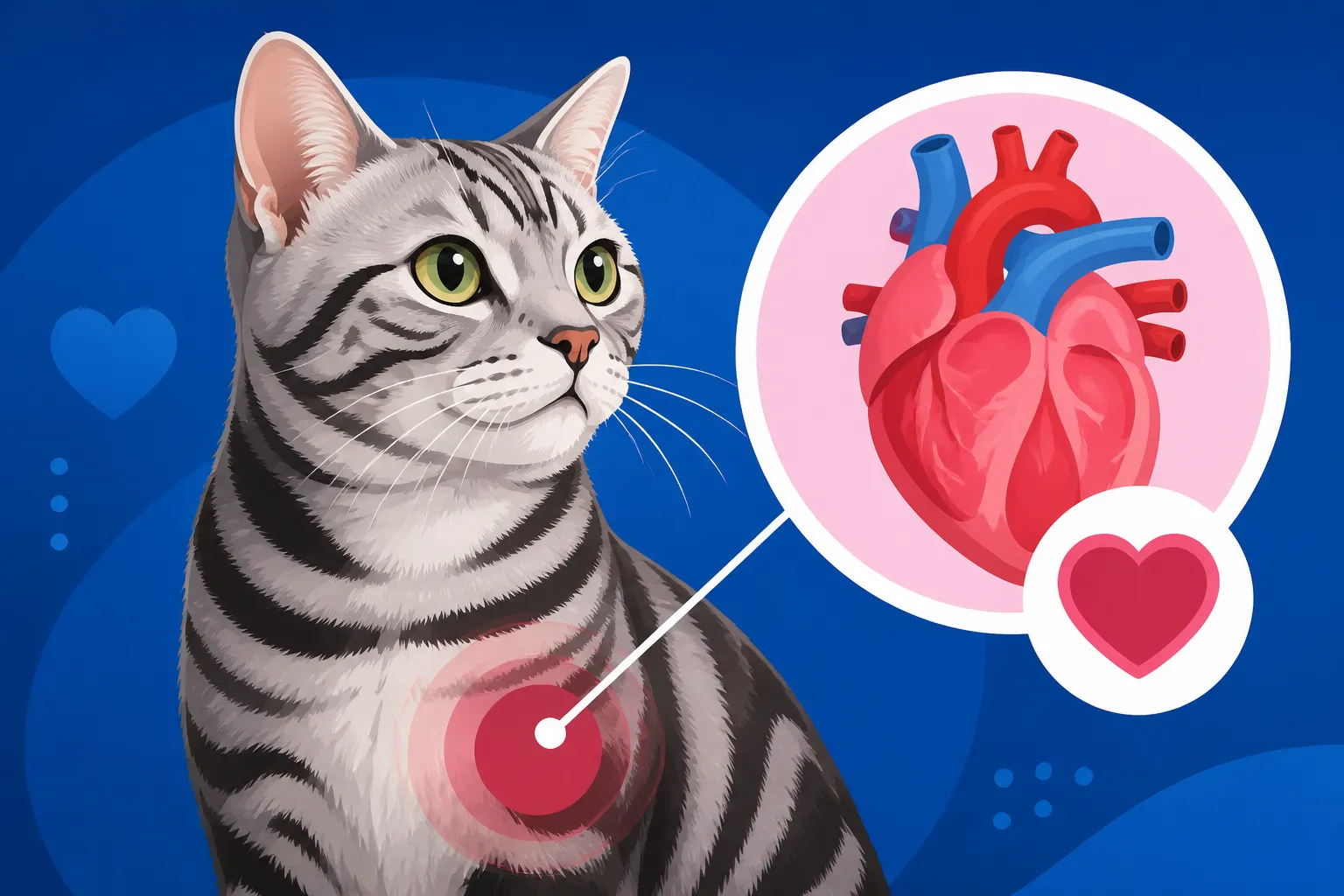
Hypertrophic cardiomyopathy, or HCM, sounds like a mouthful, but what it boils down to is a thickening of the heart muscle walls, particularly the left ventricle. Imagine the heart as a powerful pump; when its walls become too thick, the internal chamber shrinks. This makes it harder for the heart to fill with blood properly and pump it out efficiently to the rest of the body. It's like trying to fill a water balloon that has unusually thick, rigid rubber walls – it just doesn't expand as much. This reduced blood flow can lead to a cascade of problems, from fluid buildup in the lungs (congestive heart failure) to the formation of blood clots, which can be life-threatening. The insidious thing about HCM is that it often progresses silently for a long time, showing no outward symptoms until it's quite advanced. This is why regular screening, especially for breeds with a predisposition, is so incredibly important.
The American Shorthair's Unique Heart Health Profile
Now, you might be thinking, "But aren't American Shorthairs supposed to be super healthy?" And you're absolutely right! They are renowned for their robust constitution and long lifespans, largely thanks to their landrace origins where only the fittest survived. In fact, many consider The American Shorthair Is the Control Group of Cat Breeding. They haven't been subjected to the extreme breeding practices that have introduced numerous genetic issues into some other pedigrees. However, no breed is entirely immune to all genetic conditions. While the incidence rate of HCM in American Shorthairs is significantly lower than in breeds like Maine Coons or Ragdolls, it still exists. In fact, HCM Is the One Inherited Disease the American Shorthair Kept. This means that while your American Shorthair is likely to be a picture of health, a small genetic component for HCM can still be present within certain lines, making careful breeding and occasional screening a responsible choice for owners and breeders alike. It’s a testament to their overall vitality that such conditions are relatively rare, but "rare" doesn't mean "never."
Why Early Detection is Often Missed
One of the most frustrating and heartbreaking aspects of HCM is its tendency to be a "silent killer." Cats are masters at hiding illness, a survival instinct from their wild ancestors. They don't complain or show obvious signs of discomfort until a disease has progressed significantly. With HCM, this means that while their heart muscle is slowly thickening, your American Shorthair might still be playing, eating, and seemingly thriving. You won't see them panting, coughing, or showing severe lethargy in the early stages. Often, the first noticeable symptom might be something catastrophic, like sudden difficulty breathing due to fluid in the lungs, or even paralysis of the hind legs from a saddle thrombus (blood clot). This silent progression is precisely why veterinary professionals emphasize the importance of regular check-ups and proactive screening, especially if you have a breed where HCM, even if uncommon, is still a known risk. Relying solely on visible symptoms means waiting until the disease has already taken a significant toll, making treatment much more challenging.
Unpacking the Timeline: When Heart Thickening Begins
Understanding when hypertrophic cardiomyopathy might begin its silent development in an American Shorthair is crucial for proactive care. It's not always a sudden onset, but rather a gradual process that can vary greatly from one individual to another.
The Elusive "Average" Age of Onset
Pinpointing an exact "average" age when an American Shorthair's heart begins to thicken due to HCM is tricky because of the inherent variability of the disease. Unlike some conditions with clear age markers, HCM can manifest at different life stages. In breeds with a strong genetic predisposition, like Maine Coons, HCM can sometimes be detected as early as kittenhood or young adulthood. For American Shorthairs, given their generally low incidence of the disease, onset tends to be later, if it occurs at all. Many cases, when diagnosed, are found in middle-aged to senior cats, perhaps between five and twelve years old. However, this is a broad spectrum, and it's not unheard of for a cat to show signs earlier or much later in life. The key takeaway here is that there isn't a single magical age to start worrying; rather, it's about understanding that the risk, however small, exists throughout their life. This is why ongoing vigilance, rather than a one-time check, is recommended for these wonderful felines.
Individual Variability: Why Every Cat is Different
It’s tempting to look for a simple answer, a specific age written in stone, but the reality of HCM is far more nuanced. Genetic factors play a significant role in determining not just if a cat will develop HCM, but also when and how severely. Even within the same litter from parents with a clear history, one kitten might develop HCM later in life, while another might never show signs. This individual variability means that while breed averages provide a general guide, they should never be taken as a definitive prognosis for your specific American Shorthair. Other factors, like a cat's overall health, activity level, diet, and even gender (males sometimes show a slightly higher prevalence), can potentially influence the disease's progression. It’s a complex interplay of genetics and environment. This is also Why a Gene Test Cannot Clear an American Shorthair's Heart entirely; while gene tests can identify some predispositions in certain breeds, they don't capture the whole picture, especially given the less common nature of HCM in American Shorthairs. Regular, physical examinations and specialized cardiac screenings remain the most reliable tools for assessing individual risk and status.
Understanding the Gradual Progression
When we talk about a heart "starting to thicken," it’s important to visualize this as a gradual process, not an overnight event. HCM typically doesn't appear suddenly; it’s a progressive condition. In its earliest stages, the thickening might be so subtle that it’s barely detectable, even by an experienced cardiologist. Over months or even years, these muscular walls continue to hypertrophy, meaning they grow thicker and less pliable. This progressive nature is why continuous monitoring is so valuable. A baseline scan at a younger age, followed by periodic re-checks, can help detect these subtle changes over time. It allows veterinarians to track the thickening, assess its impact on heart function, and intervene with management strategies if necessary, long before the cat shows outward signs of distress. This understanding of gradual progression underpins the recommendation for consistent care throughout your American Shorthair's life, echoing the commitment to their long-term well-being.
How HCM Manifests and Progresses in Your American Shorthair
Even with American Shorthairs being a healthy breed, understanding how HCM progresses is crucial. It’s not just about knowing if it might happen, but how it typically unfolds, from hidden stages to more visible symptoms, highlighting the importance of diligent veterinary care.
The Subclinical Stage: A Hidden Battle
The journey of HCM often begins in what is known as the "subclinical" stage. This is the most frustrating and challenging period for detection, as your American Shorthair will appear completely normal. They’ll be eating well, playing, grooming, and interacting with you just as they always have. There are no outward signs of illness, no changes in behavior, no tell-tale coughs or lethargy. Yet, internally, the heart muscle is quietly undergoing changes, beginning its gradual thickening. During this stage, the only way to detect HCM is through specialized cardiac screening, primarily an echocardiogram. This is why the advice to conduct regular heart scans, especially in breeds where HCM is a known (even if rare) risk, is so vital. Without these proactive screenings, the disease can advance unchecked, moving closer to stages where symptoms become undeniable but also potentially more severe and harder to manage. It's a true hidden battle within your cat's chest.
Observable Signs and Symptoms as Disease Advances
As HCM progresses beyond the subclinical phase, the thickening of the heart walls can start to impact its function more significantly, eventually leading to observable symptoms. It's important to remember that these signs usually only appear once the disease is quite advanced. You might notice your American Shorthair becoming lethargic or having less stamina during play. They might show signs of labored breathing, such as rapid, shallow breaths (tachypnea) or open-mouthed breathing, which is always an emergency in cats. A persistent cough, while less common in cats than dogs with heart disease, can also sometimes be a sign of fluid buildup in the lungs (pulmonary edema). Another critical, and often devastating, symptom is sudden hind limb paralysis, which occurs when a blood clot (thromboembolism) forms in the heart and travels down to block blood flow to the legs. These symptoms are serious indicators that require immediate veterinary attention. Catching them early can be the difference between effective management and a devastating outcome. This is why knowing What an American Shorthair Shows Before Its Heart Fails can sometimes be the critical information that saves their life.
The Critical Role of Regular Veterinary Scans
Given the silent nature of early HCM, regular veterinary check-ups and, crucially, specialized cardiac scans are indispensable for American Shorthairs. Even if your cat seems perfectly healthy, an annual or biennial check-up allows your vet to listen to their heart for murmurs or arrhythmias, which can be indicators of underlying heart disease. However, a heart murmur alone doesn't confirm HCM, and a cat without a murmur can still have the condition. This is why an echocardiogram, often recommended as part of routine health screening for certain breeds, becomes the gold standard. It provides a real-time, detailed image of the heart's structure and function. For instance, Why an American Shorthair Still Needs a Yearly Heart Scan isn't just a suggestion; it’s a proactive measure that can identify changes in heart wall thickness or chamber size long before symptoms emerge. Early detection through these scans allows for interventions that can slow the disease's progression, improve quality of life, and potentially extend their healthy years. When considering the long-term health of your American Shorthair, these scans are an invaluable investment.
The Diagnostic Journey: Pinpointing Heart Health Issues
When concerns arise about your American Shorthair’s heart, navigating the diagnostic process can feel overwhelming. Rest assured, there are clear, effective steps veterinarians take to get a precise picture of your cat’s cardiac health.
The Gold Standard: Echocardiography
When it comes to diagnosing hypertrophic cardiomyopathy, the echocardiogram (often simply called an "echo") is truly the gold standard. It's a non-invasive, painless ultrasound of the heart that provides real-time images of its structure and how it's functioning. Unlike X-rays, which show shadows of organs, an echo lets the veterinary cardiologist actually see the heart walls, measure their thickness, evaluate the size of the chambers, and observe how well the valves are working. They can assess blood flow, detect any abnormal turbulence, and even estimate heart pressures. For an American Shorthair suspected of having HCM, an echo can confirm the diagnosis, determine the severity of the thickening, and rule out other potential cardiac issues. This precise visual information is critical because it directly answers whether the heart muscle is indeed thickening and to what extent. This is also Why an Echo Beats a Gene Test in an American Shorthair for current heart health; while a gene test might indicate a predisposition, an echo tells you the actual state of the heart right now.
Deciphering the Echo Results: What Your Vet Sees
Once your American Shorthair has undergone an echocardiogram, a veterinary cardiologist will meticulously interpret the images and data collected. They're looking for specific markers that indicate HCM. The primary focus is on the thickness of the left ventricular walls, particularly the interventricular septum (the wall between the two lower chambers) and the posterior free wall. Measurements are taken and compared against normal reference ranges for cats. A wall thickness exceeding certain thresholds is a strong indicator of HCM. Beyond thickness, the cardiologist will also assess the size of the left ventricular chamber, which often appears smaller in HCM due to the encroaching muscle. They'll also check for systolic anterior motion (SAM) of the mitral valve, where the valve leaflet is sucked into the thickened muscle during contraction, obstructing blood flow. Furthermore, they evaluate for evidence of left atrial enlargement, which is a significant indicator of more advanced disease and a higher risk of complications like blood clots. Understanding How a Cardiologist Reads an American Shorthair's Scan involves this detailed analysis of multiple parameters, providing a comprehensive assessment of your cat's heart health.
| Echocardiogram Finding | What It Indicates (HCM) |
|---|---|
| Left Ventricular Wall Thickening | The hallmark sign of HCM. Measures the thickness of the heart muscle walls, particularly the septum and posterior wall, compared to normal. |
| Left Atrial Enlargement | A common finding as HCM progresses, indicating increased pressure in the heart and a higher risk of congestive heart failure and clot formation. |
| Systolic Anterior Motion (SAM) of the Mitral Valve | The mitral valve leaflet moves abnormally during contraction, partially blocking blood flow out of the heart. |
| Reduced Left Ventricular Internal Diameter | The chamber space within the left ventricle becomes smaller due to the thickened walls, reducing the volume of blood it can hold. |
| Diastolic Dysfunction | The heart muscle becomes stiff and struggles to relax and fill properly between beats. |
| Abnormal Blood Flow (Turbulence) | Can indicate obstruction to blood flow or leaky valves dueence to the thickened muscle or valve abnormalities. |
Complementary Tests and Comprehensive Assessment
While the echocardiogram is paramount, a comprehensive assessment of your American Shorthair's heart health often involves other diagnostic tools. Chest X-rays can be incredibly useful, especially if congestive heart failure is suspected, as they can reveal fluid accumulation in or around the lungs, as well as significant enlargement of the heart's silhouette. An electrocardiogram (ECG) measures the electrical activity of the heart and can detect arrhythmias (irregular heartbeats) that sometimes accompany HCM. Blood tests, including a complete blood count and biochemistry panel, are routinely performed to assess overall health and kidney function, as heart disease can impact other organs. Additionally, a specific blood test for cardiac biomarkers, like N-terminal pro-B-type natriuretic peptide (NT-proBNP), can be helpful. Elevated levels of NT-proBNP suggest heart muscle stretch or stress, and while not diagnostic of HCM on its own, it can indicate the need for further cardiac investigation. Your vet might also want to check blood pressure, as hypertension can sometimes contribute to heart thickening or complicate existing heart disease. Together, these tests provide a holistic view, helping the veterinary team piece together a complete picture of your cat's health, which is crucial for determining the best course of action and treatment plan. It’s all part of ensuring What an American Shorthair With No Designer Defect Gets Instead includes comprehensive care for its excellent natural health.
Living with an HCM Diagnosis: Management and Support
Receiving an HCM diagnosis for your American Shorthair can be incredibly unsettling. However, it’s not a death sentence. With the right management and dedicated support, many cats can still live fulfilling lives for months or even years post-diagnosis.
Tailored Treatment Plans for Heart Health
Once HCM is diagnosed, your veterinary cardiologist will work with you to develop a tailored treatment plan for your American Shorthair. The primary goals of treatment are to manage symptoms, improve the heart's function, prevent complications, and enhance your cat's quality of life. Medication is typically at the forefront. Beta-blockers or calcium channel blockers might be prescribed to help the heart relax more effectively, slow the heart rate, and reduce any outflow obstruction caused by the thickened muscle. Diuretics are often used if fluid is accumulating in the lungs or abdomen due to congestive heart failure. Anti-clotting medications, such as low-dose aspirin or clopidogrel (Plavix), are frequently recommended, especially if there's evidence of left atrial enlargement, to reduce the significant risk of saddle thrombus formation. The specific combination and dosage of these medications will be carefully selected based on your cat's individual condition, severity of disease, and response to treatment. These plans are dynamic and may change over time as the disease progresses or as your cat’s needs evolve, highlighting the need for ongoing veterinary partnership.
Lifestyle Adjustments and Home Care
Beyond medication, there are several important lifestyle adjustments and home care strategies you can implement to support your American Shorthair with HCM. Firstly, maintaining a calm, low-stress environment is paramount, as stress can exacerbate heart conditions. Gentle, consistent routines are beneficial. While regular exercise is good for general health, strenuous activity that overtaxes the heart might need to be moderated. Your vet will advise on appropriate activity levels based on the severity of the HCM. Diet also plays a role; your vet might recommend a low-sodium diet, especially if there's fluid retention, to help manage blood pressure and reduce the workload on the heart. Monitoring your cat at home for subtle changes is crucial. Keep a close eye on their breathing rate (count breaths per minute when they are sleeping or resting quietly – normal is typically under 30 breaths per minute), appetite, energy levels, and any signs of coughing or lethargy. Consistent monitoring allows you to report any changes to your vet promptly, enabling early intervention if the condition worsens. Remember, pet insurance providers like Healthy Paws can often help alleviate the financial stress associated with long-term medication and ongoing veterinary visits, making it easier to provide the best care.
The Long-Term Outlook and Ongoing Vigilance
Living with an American Shorthair diagnosed with HCM requires a commitment to ongoing vigilance and a realistic understanding of the long-term outlook. While HCM is a progressive disease, early diagnosis and diligent management can significantly extend your cat's quality and length of life. Regular follow-up appointments with your veterinary cardiologist, often involving repeat echocardiograms and blood tests, are essential to monitor the disease's progression and adjust medications as needed. These check-ups might become more frequent as your cat ages or if symptoms begin to appear. The prognosis varies widely depending on the severity of the disease at diagnosis, the presence of complications, and how well your cat responds to treatment. Some cats can live happily for several years post-diagnosis, while others may have a more rapid progression. Unfortunately, there's no cure for HCM, but the goal is always to provide comfort and extend the time you have with your beloved companion. It's a journey of partnership with your vet, continuously adapting care to ensure your American Shorthair remains as comfortable and joyful as possible, even as they age, tying into the broader considerations of Caring for an American Shorthair Past Twelve.
Disclaimer
The information provided in this article is for general informational purposes only and is not intended as a substitute for professional veterinary advice, diagnosis, or treatment. Always seek the advice of your veterinarian or other qualified animal health provider with any questions you may have regarding a medical condition or the health and welfare of your pet.