Why Fast Weight Loss Gives an American Shorthair Fatty Liver
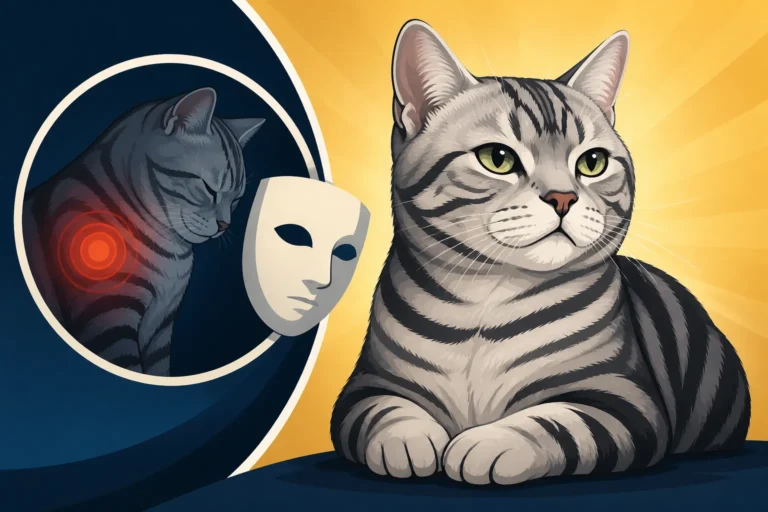
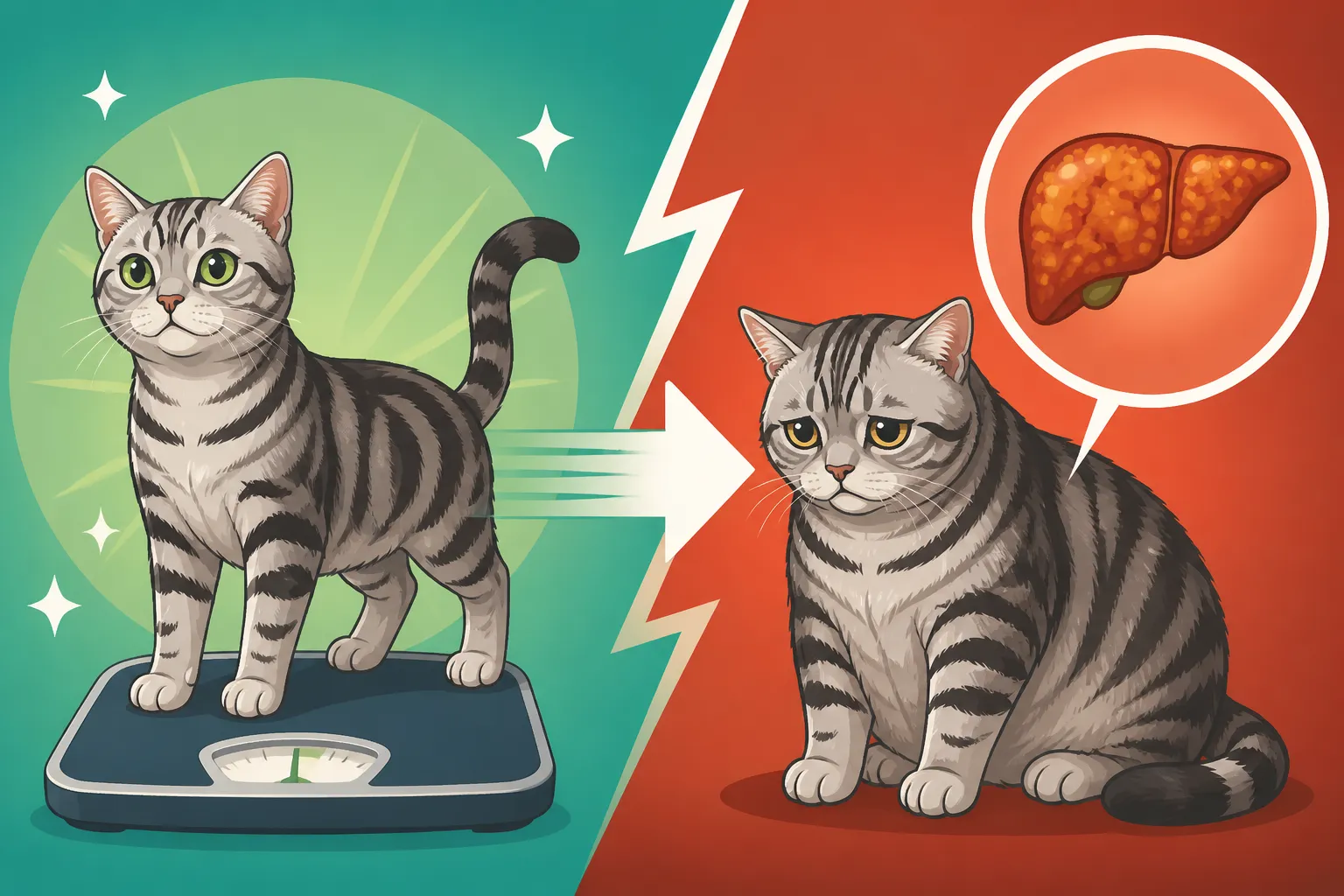
It’s a natural instinct to want the best for our furry family members, especially when we notice them packing on a few extra pounds. For American Shorthair owners, seeing that once sleek, muscular build become a bit rounder can be concerning, and the desire to help them shed weight quickly is often strong. However, rushing your American Shorthair's weight loss can inadvertently trigger a serious, life-threatening condition called hepatic lipidosis, more commonly known as fatty liver disease. This guide will walk you through why fast weight loss poses such a risk and how to help your beloved cat slim down safely and effectively.
The Unique Metabolism of the Feline Body
Cats, including our stoic American Shorthairs, are built differently than us and even different from dogs. Their bodies have evolved over millennia as obligate carnivores, meaning their systems are perfectly tuned to process protein and fat from prey, not carbohydrates. This distinct metabolic blueprint means that what might be a healthy weight loss strategy for a human or a canine can be incredibly dangerous for a cat.
How Cats Mobilize Fat Differently
When a cat isn't eating enough, or if it suddenly stops eating altogether, its body kicks into survival mode. It believes it's starving, so it starts to rapidly mobilize fat stores from other parts of the body to convert into energy. Now, this sounds efficient, right? The problem is, a cat's liver isn't equipped to handle such a massive, sudden influx of fat. Unlike humans, a cat's liver has a limited capacity to process these mobilized fats.
Think of it like a conveyor belt in a factory designed for small, steady loads. If you suddenly dump a mountain of material onto it, the system gets overwhelmed. The fat begins to accumulate within the liver cells, preventing them from functioning correctly. This build-up directly impairs the liver's ability to perform its many vital roles, from filtering toxins to producing bile for digestion. It's a cascade effect, and it’s swift and severe.
The American Shorthair's Predisposition
Our American Shorthairs are magnificent creatures, known for their robust, muscular build and sturdy frames. Historically, these cats were working animals, earning their keep as mousers on farms and ships. This active lifestyle meant they were naturally lean, constantly burning calories through hunting and patrolling their territory. However, in our modern homes, that powerful hunting drive often remains, but the actual work is gone. This shift in lifestyle, coupled with easy access to food, has made obesity a common challenge.
When an American Shorthair, with its hearty appetite and lower activity levels indoors, starts to gain weight, the temptation to put them on a strict diet is understandable. However, their genetic predisposition for a higher metabolic rate when hunting doesn't translate to being able to handle rapid starvation well. Their bodies are still wired to prioritize protein, and any sudden drastic calorie restriction can shock their system, pushing that fat mobilization into overdrive. For a deeper dive into their historical context, you might want to read more about Why ending the mousing job made the American Shorthair heavy. Understanding their past helps us understand their present needs better.
What Happens During Hepatic Lipidosis
Hepatic lipidosis, or fatty liver disease, is not just a mild inconvenience; it's a critical medical emergency. It's often triggered by a period of anorexia or significant caloric restriction, even if for just a few days. The onset can be insidious, but once symptoms appear, rapid veterinary intervention is crucial.
The Development of Fatty Liver
As mentioned, when an American Shorthair stops eating, or significantly reduces its food intake, the body senses starvation. Hormones are released that signal the adipose (fat) tissue to release its stored fat into the bloodstream. This fat travels to the liver, where it's supposed to be processed into lipoproteins for energy or storage. However, in cats, this process is inefficient when faced with an overwhelming amount of fat.
The liver cells become engorged with fat, swelling up and losing their normal structure and function. This accumulation interferes with bile production and flow, which is essential for fat digestion and waste elimination. Without proper bile flow, toxins can build up, further damaging the liver. If left untreated, the liver can fail entirely, leading to multi-organ failure and death. It's a vicious cycle where the body tries to compensate for perceived starvation but inadvertently damages its most vital metabolic organ.
The Symptoms to Watch For
Recognizing the signs of hepatic lipidosis early is critical for your American Shorthair's survival. The initial symptoms might be subtle, but they will progress rapidly.
Here’s what you need to be extremely vigilant about:
- Anorexia: This is the most common and earliest sign. Your cat simply stops eating or shows a significant decrease in appetite. This is the primary trigger, so any prolonged refusal to eat, especially in an overweight cat, should raise a red flag.
- Lethargy and Weakness: Your normally active American Shorthair might become unusually sluggish, sleeping more, and showing little interest in play or interaction.
- Vomiting and Diarrhea: Gastrointestinal upset is common as the liver struggles to function and toxins build up.
- Jaundice (Yellowing): This is a hallmark sign and indicates severe liver dysfunction. You might notice a yellow tinge to their skin, the whites of their eyes (sclera), or their gums. This is due to the build-up of bilirubin.
- Drooling: Excessive drooling can be a sign of nausea or liver toxicity.
- Dehydration: Lack of appetite and potential vomiting can quickly lead to dehydration.
- Weight Loss (paradoxical): While the goal was weight loss, this rapid, unhealthy weight loss is accompanied by muscle wasting and overall deterioration, not healthy slimming.
- Behavioral Changes: Some cats may become withdrawn, hide more, or show signs of confusion or disorientation, indicating hepatic encephalopathy due to toxin buildup affecting the brain.
If you observe any of these symptoms in your American Shorthair, particularly if they haven't been eating, it is an absolute emergency. Get to your veterinarian immediately. Early diagnosis and aggressive supportive care offer the best chance of recovery. Understanding What an American Shorthair Shows Before Its Heart Fails might give you some insight into recognizing other critical health signs, but for fatty liver, anorexia is the primary warning.
The Perils of Crash Dieting
The desire to see quick results when your beloved American Shorthair is overweight is strong. We all want our pets to be healthy and active, but the "crash diet" approach that might work for some humans is incredibly dangerous for cats. There's a fine line between a healthy calorie deficit and one that triggers a metabolic crisis.
Why Rapid Calorie Restriction Is Risky
The core issue with rapid calorie restriction is that it mimics starvation. When a cat's daily caloric intake drops too drastically, or if they suddenly stop eating altogether, their body responds by initiating the rapid fat mobilization process we discussed earlier. Imagine you cut your American Shorthair's food by 50% overnight. While your intention is good, their body interprets this as a severe lack of resources.
This sudden, drastic change doesn't give their liver time to adapt, leading to the overwhelming accumulation of fat within liver cells. It's not just about the amount of fat the cat has, but how quickly their body is forced to process it. Even a cat that only needs to lose a few pounds can develop hepatic lipidosis if the weight loss is too fast or if they simply refuse to eat for a couple of days. This is why a controlled, gradual approach is not just recommended, but vital for their survival.
The "Normal" Weight Loss Rate for Cats
So, if rapid weight loss is out, what's a safe pace? For cats, a healthy and sustainable weight loss goal is typically 0.5% to 2% of their body weight per week. This might sound slow, but it's the rate at which their body can safely adjust without triggering the dangerous fat mobilization in the liver.
Let's put that into perspective for your American Shorthair. A typical adult American Shorthair might weigh between 10 and 15 pounds (4.5 to 6.8 kg). If your cat weighs 15 pounds, a safe weekly weight loss would be approximately 0.075 to 0.3 pounds (around 1 to 5 ounces or 34 to 136 grams). This is a very small amount, but it adds up over time and keeps their liver safe.
It's a marathon, not a sprint. This slow and steady approach ensures that their body is burning fat gradually and that the liver can process it efficiently. Any faster, and you're stepping into dangerous territory. This is a critical discussion to have with your vet, who can help you determine What an American Shorthair should weigh at its frame and tailor a plan. You might also want to understand Why a neutered American Shorthair puts on weight faster, as this can significantly impact their caloric needs.
Safe and Sustainable Weight Management for Your American Shorthair
Helping your American Shorthair achieve a healthy weight is a loving act, but it requires patience, consistency, and most importantly, veterinary guidance. A well-planned approach focuses on gradual dietary adjustments and increased activity, ensuring your cat's health throughout the process.
Gradual Dietary Changes
The cornerstone of safe weight loss is a slow and steady reduction in calories. This means no sudden, drastic cuts to their food intake. Instead, you'll want to work with your vet to determine your American Shorthair's ideal weight and then calculate a target daily caloric intake to achieve a safe 0.5-2% weekly weight loss.
Often, this involves transitioning to a prescription weight loss diet. These specialized foods, like those from brands such as Hill's Prescription Diet or Royal Canin Satiety Support, are formulated to be lower in calories but still high in protein and fiber. The high protein helps maintain muscle mass while they lose fat, and the fiber helps them feel full, minimizing hunger. This approach keeps their metabolism balanced and prevents the liver from being overloaded. Your vet will guide you on Which prescription diet an American Shorthair ends up on. Gradually introduce any new food over several days to avoid digestive upset and ensure your cat accepts it.
Portion control is paramount. Free-feeding, where food is left out all day, is a common culprit for feline obesity. Instead, feed measured meals two to three times a day. If you have multiple cats, consider microchip feeders to ensure each cat only eats its designated portion.
The Importance of Vet Supervision
You absolutely cannot undertake a weight loss journey for your American Shorthair without your veterinarian's direct involvement. Your vet is your most important ally in this process for several crucial reasons:
- Accurate Assessment: They can accurately assess your cat's current body condition, determine their ideal weight, and rule out any underlying medical conditions (like thyroid issues or diabetes) that might be contributing to weight gain.
- Tailored Plan: Your vet will create a customized weight loss plan, including specific caloric targets and recommendations for a prescription diet. This plan will consider your cat's age, activity level, and overall health. They can tell you exactly How a vet builds an American Shorthair's weight loss plan.
- Regular Monitoring: Ongoing check-ups are essential to track progress, make adjustments to the diet as needed, and monitor for any health concerns, including early signs of hepatic lipidosis. These regular visits also help ensure your cat is losing weight at a safe pace.
- Emergency Guidance: If your American Shorthair suddenly stops eating or shows any signs of illness during the weight loss process, your vet can provide immediate, life-saving advice and treatment.
These vet visits, especially if a serious condition arises, can be costly. Many conscientious pet owners find comfort in knowing that they have a good pet insurance policy. Companies like Healthy Paws can significantly mitigate the financial stress associated with unexpected health issues or chronic condition management, allowing you to focus on your cat's recovery without added burden.
Encouraging Activity and Enrichment
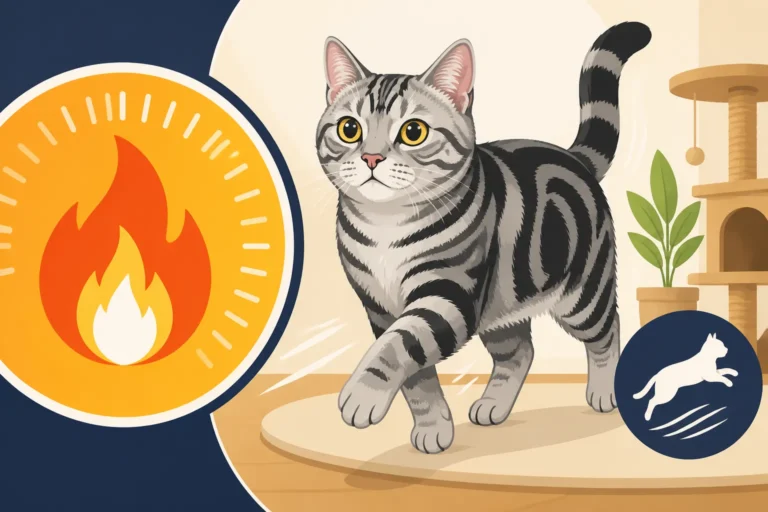
Diet is key, but physical activity plays a vital role in both weight loss and maintaining a healthy weight long-term for your American Shorthair. Remember, these cats have a mouser's instinct, and tapping into that can make exercise enjoyable and effective.
- Interactive Play: Dedicate 10-15 minutes, two to three times a day, to interactive play. Use wand toys with feathers or small plush animals that mimic prey. Let your cat stalk, chase, pounce, and "catch" the toy. This fulfills their natural hunting drive and burns calories. For more ideas, explore Making an American Shorthair work for its dinner again.
- Puzzle Feeders: Instead of just putting food in a bowl, make your American Shorthair "work" for its meals using puzzle feeders. These toys dispense small amounts of kibble as your cat interacts with them, extending mealtime and burning mental and physical energy.
- Vertical Space: American Shorthairs love to survey their territory. Provide cat trees, shelves, or window perches that encourage climbing and jumping. Even just navigating different heights throughout the day adds to their activity.
- Walks on a Harness: Some American Shorthairs can be trained to walk on a harness. If your cat tolerates it, short, supervised outdoor excursions can provide excellent mental and physical stimulation. Always ensure the harness is secure and the environment is safe.
Combine these strategies for a holistic approach. It’s not just about cutting calories, but about enriching your cat's life and rekindling their natural athleticism. Consistency is key, and with patience, you’ll help your American Shorthair return to a healthy, active life. Remember that managing their weight is an ongoing commitment, and your vet can advise on How many months an American Shorthair's weight plan runs and long-term maintenance strategies. Having robust pet insurance from a provider like Healthy Paws can also help cover regular wellness check-ups and any necessary follow-up care that arises during this journey.
Comparative Look: Safe vs. Unsafe Weight Loss Approaches
To illustrate the stark difference between safe and unsafe weight loss for your American Shorthair, here’s a quick comparison:
| Feature | Unsafe Weight Loss (Risk of Fatty Liver) | Safe Weight Loss (Vet-Supervised) |
|---|---|---|
| Calorie Reduction | Sudden, drastic cuts (e.g., >25% overnight) | Gradual, small reductions (5-10% initially) |
| Pace of Weight Loss | >2% of body weight per week | 0.5% – 2% of body weight per week |
| Food Type | Any diet, simply less of it | Prescription weight-loss diet (high protein, fiber) |
| Feeding Method | Free-feeding, then severe restriction | Measured meals, 2-3 times/day, puzzle feeders |
| Veterinary Involvement | Minimal or none | Essential for diagnosis, plan, and monitoring |
| Risk of Hepatic Lipidosis | HIGH | LOW |
| Impact on Muscle Mass | Significant muscle loss | Muscle mass maintained due to high protein |
| Sustainability | Not sustainable, high failure rate, dangerous | Sustainable, promotes long-term health |
| Emotional Impact on Cat | Hunger, stress, frustration | Satiety from fiber, mental stimulation from play |
Remember, your American Shorthair relies on you to make informed, safe choices for their health. While the path to a healthy weight might be slower than you'd hoped, it's the only path that ensures their well-being and protects them from potentially fatal complications. Investing in their health is always worth it, and a good insurance plan, such as one from Healthy Paws, helps protect that investment against unforeseen costs.
Disclaimer
This article is intended for informational purposes only and is not a substitute for professional veterinary advice. Always consult with your veterinarian regarding any health concerns or before making any changes to your American Shorthair's diet, exercise routine, or medical care.