Why an Old American Shorthair’s Weight Should Be Watched
It's incredibly easy for an American Shorthair's weight to shift subtly as they age, often without us even noticing until it becomes a significant problem. Many of us find ourselves caught off guard, watching our once-active felines slow down, and with that, their dietary needs change in ways we don't always adjust to. This guide is here to help you understand why keeping a close eye on your older American Shorthair's weight is crucial for their long-term health and happiness, and how to spot those changes before they become serious concerns.
The Subtle Shifts: Why Senior American Shorthairs Need Weight Vigilance
As our beloved American Shorthairs enter their golden years, typically around the age of seven or eight, their bodies begin to operate a little differently. What might have been a perfectly healthy weight and feeding routine in their younger days can quickly become inappropriate. It’s not just about them getting lazy; it's a complex interplay of metabolism, muscle mass, and internal organ function that begins to shift. Ignoring these subtle changes can set the stage for a host of health problems that might otherwise be preventable or manageable.
The Silent Creep of Weight Gain
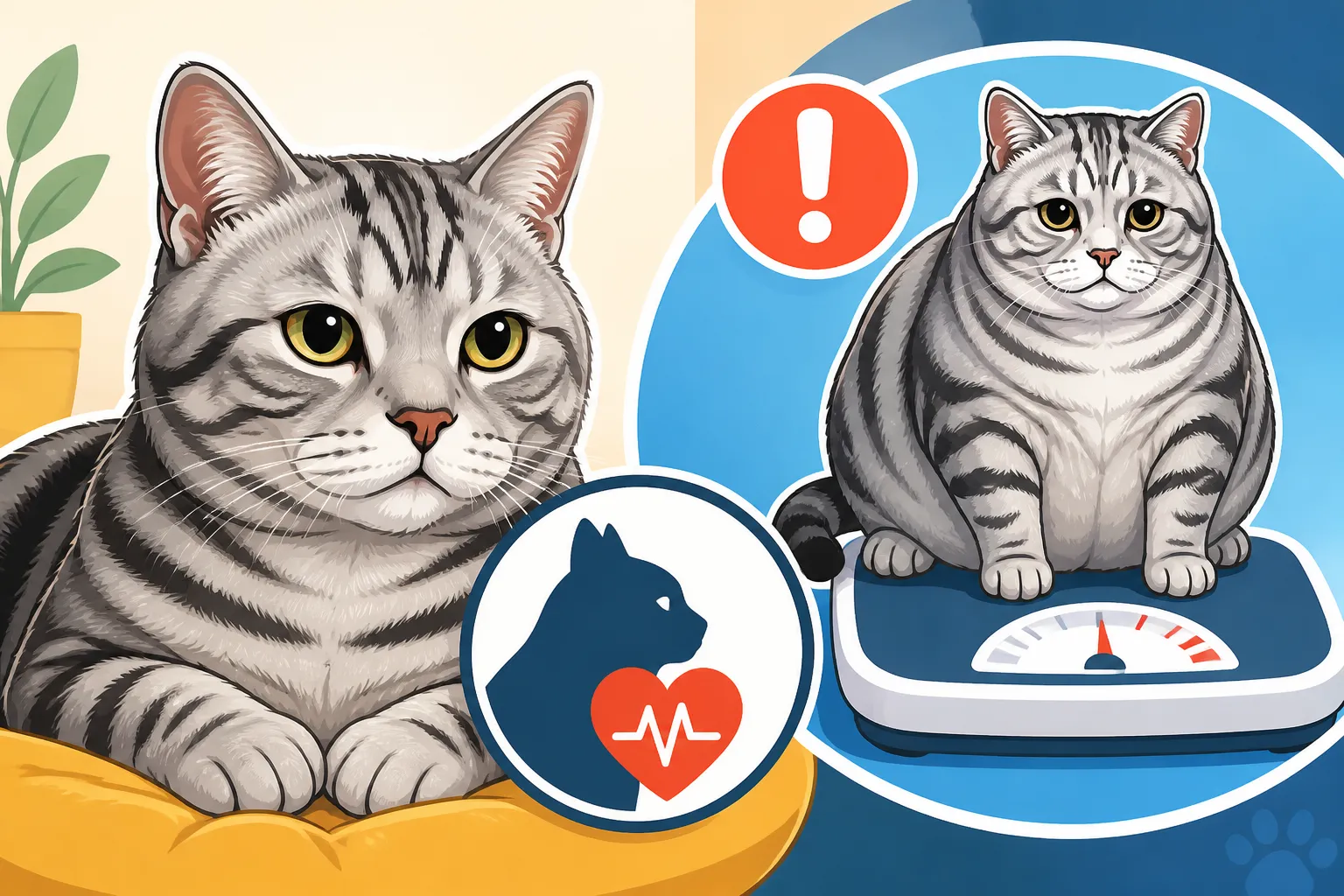
For many older American Shorthairs, the most common weight issue is a gradual increase. Their once relentless pursuit of imaginary prey or lively games of chase might dwindle to shorter bursts of play, or even just long naps in sunny spots. If their caloric intake doesn't decrease to match their reduced activity levels, those extra calories quickly accumulate. We often continue feeding the same amount out of habit or affection, perhaps unaware that their energy requirements have dropped significantly. This silent creep of pounds can be deceptive, especially in a breed known for its naturally robust and square build, making it harder to discern the difference between healthy stockiness and unhealthy excess. Why Ending the Mousing Job Made the American Shorthair Heavy touches on this perfectly, as their inherent drive to hunt is no longer being utilized, leaving them with an excess of energy and appetite.
It’s not just a matter of aesthetics; every extra ounce puts a strain on their aging bodies. Imagine carrying a small backpack around all day, every day – it starts to wear on your joints, right? For an American Shorthair, this extra weight exacerbates any underlying conditions they might have, making them less comfortable and less mobile. Many owners struggle with this, feeling guilty about cutting back on food or treats, but it's truly an act of love to help them maintain a healthy physique. We want them to enjoy their golden years with as much comfort and agility as possible, and that means being diligent about their waistline.
The Alarming Drop: When Weight Loss Becomes a Red Flag
While weight gain is often the first concern people think of, unexplained weight loss in an older American Shorthair can be an even more urgent red flag. It’s easy to dismiss a slight decrease in weight as a natural part of aging, or even a welcome change if your cat had been a bit chunky. However, in senior felines, unexplained weight loss is rarely benign. It can be one of the earliest indicators of serious underlying health conditions that require immediate veterinary attention. Cats are masters at hiding illness, so a noticeable drop in weight might mean a problem has been brewing for quite some time.
This isn't just about losing fat; often, it's about losing crucial muscle mass. As cats age, they can suffer from sarcopenia, which is the natural loss of muscle, but significant or rapid muscle wasting is often tied to disease. Conditions like hyperthyroidism, kidney disease, or even dental problems that make eating painful can lead to a cat simply not taking in enough nutrients. If you notice your American Shorthair looking bonier, particularly over their spine or hips, even if they seem to be eating, it’s time to consult your vet. Why an Old American Shorthair Loses Muscle First delves into this topic, explaining why muscle mass is so vital and often the first to go.
The Health Domino Effect: Weight-Related Issues in Older American Shorthairs
The consequences of inappropriate weight, whether too much or too little, can be profound for an aging American Shorthair. Their robust genetics mean they might withstand these issues longer than some more fragile breeds, but the damage is still happening internally, leading to a diminished quality of life. Understanding these risks can motivate us to be more proactive in their care.
When Extra Pounds Become a Burden
Carrying too much weight is a huge burden on an older cat's system. It's not just about looking a little rounder; it directly impacts their organs, joints, and overall metabolic function. One of the most common and devastating consequences is diabetes. How Weight Turns Into Diabetes in an American Shorthair explains how excess body fat can lead to insulin resistance, making it harder for their body to regulate blood sugar. Managing feline diabetes involves strict diets, and often daily insulin injections, which can be a significant commitment for any pet owner.
Beyond diabetes, obesity significantly increases the risk of joint problems like arthritis. An American Shorthair's powerful, muscular build is designed for agility and hunting, and when extra weight stresses those joints, mobility can become severely limited. They might struggle to jump onto their favorite window perch, or even have difficulty navigating stairs. Why a Stocky Build Costs an American Shorthair Its Hips offers a deep dive into how their natural structure can be compromised by excess weight. Furthermore, a heavy cat is more prone to cardiovascular issues, breathing difficulties, and even certain types of cancer. The extra bulk also makes it harder for them to groom themselves, especially around their back and tail, leading to matted fur and skin infections. Why an Old American Shorthair Stops Reaching Its Back highlights this often-overlooked consequence of obesity in older felines.
The Dangers of Wasting Away
On the flip side, significant and unintended weight loss in an older American Shorthair is almost always a sign of underlying illness and needs prompt investigation. As mentioned, conditions like hyperthyroidism can cause a cat to lose weight despite a ravenous appetite, as their metabolism goes into overdrive. Kidney disease, another common ailment in senior cats, often manifests with weight loss, increased thirst, and a dull coat. How Kidney Disease Creeps Up on an Old American Shorthair details how this progressive disease impacts their body and leads to a decline in condition.
A cat losing weight might also be experiencing chronic pain that reduces their appetite, or struggling with dental disease that makes eating uncomfortable. Anorexia, even partial, can lead to serious liver problems, particularly hepatic lipidosis (fatty liver disease), which is life-threatening. When an older cat is wasting away, they're losing vital muscle mass, becoming weaker, and less able to fight off illness. Their immune system may be compromised, and their overall resilience diminished. We never want to see our stoic companions suffering in silence, which is why observing these changes is so important.
| Weight Status | Potential Health Concerns (Older American Shorthair) | Symptoms to Watch For |
|---|---|---|
| Overweight/Obese | Diabetes, Arthritis, Heart Disease, Respiratory Issues, Reduced Mobility, Skin Problems, Certain Cancers | Lethargy, Difficulty Jumping, Increased Thirst/Urination, Poor Grooming, Heavy Breathing, Chronic Lameness |
| Underweight/Wasting | Hyperthyroidism, Kidney Disease, Dental Disease, Chronic Pain, Cancer, Digestive Issues, Hepatic Lipidosis | Decreased Appetite, Increased Appetite (with weight loss), Increased Thirst/Urination, Vomiting, Diarrhea, Lethargy, Hiding, Dull Coat, Visible Ribs/Spine |
Practical Steps to Monitor and Manage Your Senior American Shorthair's Weight
Knowing the risks is one thing, but taking action is another. The good news is that with consistent monitoring and proactive care, you can make a huge difference in your American Shorthair's senior years. It starts with simple habits at home and continues with regular veterinary partnership.
Regular At-Home Checks and Vet Visits
One of the easiest yet most overlooked steps is simply weighing your cat regularly. It might sound basic, but a consistent record of their weight can reveal trends that a casual glance won't. Investing in a small pet scale, or even using a human scale (weigh yourself, then weigh yourself holding your cat, and subtract the difference), can provide invaluable data. Aim to do this weekly or bi-weekly. How to Weigh an American Shorthair at Home offers practical tips for making this a stress-free experience for both of you. Beyond the number, learning to body condition score your cat is paramount. This involves feeling their ribs, spine, and waist. You should be able to feel their ribs easily, but not see them protruding sharply. How to Find the Ribs on a Square Built American Shorthair describes exactly how to do this for their particular build.
Of course, your veterinarian is your best partner in this journey. Regular senior wellness exams, usually twice a year for cats over seven, are critical. During these visits, your vet can accurately weigh your cat, assess their body condition score, and conduct bloodwork and urinalysis that can detect underlying health issues before they become severe. Don't hesitate to voice any concerns you have about changes in appetite, thirst, or activity. Caring for an American Shorthair Past Twelve emphasizes the importance of these routine check-ups as they age.
Tailoring Diet and Exercise
Adjusting your American Shorthair's diet is often the most impactful change you can make. If your cat is gaining weight, reducing their caloric intake is key. This doesn't necessarily mean less food, but perhaps switching to a specially formulated "senior" or "light" diet that is lower in calories but still provides essential nutrients. Your vet can recommend specific brands or formulations, and many excellent options are available through retailers like Chewy or Amazon. For cats needing to lose weight, portion control is paramount. Using a measuring cup precisely and splitting meals into several small portions throughout the day can also help.
If your senior American Shorthair is losing weight, your vet will help identify the cause and recommend a diet to support them. This might involve highly palatable, nutrient-dense foods or even prescription diets designed to support conditions like kidney disease or hyperthyroidism. Foods with fresh, high-quality ingredients can be very appealing to a finicky older cat. Remember, any significant dietary changes should always be made under veterinary guidance to ensure your cat receives balanced nutrition and that you’re not exacerbating an underlying condition. Which Prescription Diet an American Shorthair Ends Up On details the types of specialized foods available.
Encouraging gentle exercise is also important. Even a senior American Shorthair retains some of its natural hunting instincts. Short, low-impact play sessions with a feather wand or laser pointer (ending with a tangible "catch" to prevent frustration) can stimulate their minds and bodies. Climbing on low cat trees or even just navigating a room for hidden treats can help maintain muscle mass and burn a few extra calories. Make sure their environment is safe and accessible for their changing mobility.
Recognizing the Nuances: Beyond Just the Number on the Scale
Weight is a number, but it doesn't tell the whole story. For older American Shorthairs, it's vital to look beyond just the scale and observe other, more subtle changes that indicate their overall health and well-being. Their stoic nature often means they hide discomfort, making us even more responsible for picking up on these nuanced signals.
The Importance of Body Condition Scoring
While the scale gives you a quantitative measure, body condition scoring (BCS) provides a qualitative assessment of your cat's fat reserves and muscle mass. As discussed earlier, an American Shorthair should have a firm, muscular feel. When performing a BCS, you’re looking for three key areas: feeling the ribs, checking the waist, and observing the abdominal tuck. If you can easily feel their ribs without pressing hard, that’s a good sign. If they're visible or feel sharp, they might be underweight. Conversely, if you have to press firmly to feel the ribs, or if there's a thick layer of fat, they're likely overweight.
Observing their waist from above and their abdominal tuck from the side is also crucial. A healthy American Shorthair will have a slight waist indentation behind the ribs and a gentle upward curve of the belly when viewed from the side. If they look like a solid cylinder from above or have a saggy belly, they're carrying too much weight. If their waist is severely pinched or their hip bones are prominent, they might be underweight. Regular BCS helps you track changes in their physique that might not always immediately reflect on the scale, especially if they are losing muscle while retaining some fat, or vice versa. This hands-on assessment offers a deeper insight into their physical state than just their total weight.
Behavioral Clues and Appetite Changes
Your American Shorthair's behavior often speaks volumes, especially as they age. A sudden increase in thirst and urination, coupled with weight loss, could point to kidney disease or diabetes. Why a Thirsty American Shorthair Should Be Tested explains why this symptom warrants immediate veterinary attention. Conversely, a decrease in appetite, or reluctance to eat certain foods, could indicate dental pain, nausea, or other issues. Sometimes, it’s not just what they eat, but how they eat. Are they chewing slowly, dropping food, or showing discomfort around their mouth? These are all important clues.
Changes in mobility are also tightly linked to weight. A senior American Shorthair who suddenly stops jumping onto the sofa, or struggles to use their litter box, might be experiencing joint pain exacerbated by excess weight. Why a Limp in a Stoic American Shorthair Is Never Minor highlights how important it is to address even minor signs of discomfort in this typically resilient breed. Beyond physical signs, pay attention to their energy levels, grooming habits, and social interactions. A cat that suddenly becomes withdrawn, irritable, or less interested in play might be experiencing discomfort or illness that's impacting their weight. By being observant and proactive, you can ensure your American Shorthair enjoys their senior years with the best possible health and comfort.
Disclaimer
This article is for general informational purposes only and does not constitute professional advice. Laws, prices and regulations vary by location and change over time. Consult a qualified professional for guidance on your specific situation.