Whether a Rubber Brush Works on an American Shorthair
The struggle is real when it comes to managing cat hair, especially if you share your home with a beautiful American Shorthair. You adore their sturdy build and gentle nature, but you might find yourself wondering if there’s a secret to keeping the fur tumbleweeds at bay without causing your stoic companion any distress. This guide will explore whether a simple, gentle rubber brush is the unsung hero you need in your grooming arsenal for your American Shorthair, diving deep into its effectiveness and how to use it best.
Understanding the American Shorthair's Unique Coat
Before we even pick up a brush, it’s crucial to understand the magnificent coat your American Shorthair sports. Unlike some of the more "designer" breeds with their elaborate fur, the American Shorthair's coat is a testament to its practical, working heritage. It's truly a marvel of natural selection, designed for function over frills.
The Working Cat's Weather-Resistant Fur
Imagine your American Shorthair's ancestors, hardy cats that traversed continents on ships and then patrolled farms and barns across North America. Their coats weren't bred for softness or intricate patterns initially, but for pure utility. This breed's fur is dense, resilient, and offers excellent protection against varying weather conditions. It's often described as hard or firm to the touch, which might surprise some people expecting a plush, soft feel. This isn't a flaw; it's a feature, a nod to its robust origins.
This protective outer layer, known as guard hairs, is what gives the American Shorthair its characteristic sleek appearance and helps repel moisture and dirt. It's not prone to matting like longer, silkier coats, which is a huge bonus for busy owners. When you run your hand over their back, you feel that distinct texture, firm yet smooth. It's a coat that was built to withstand the rigors of an outdoor life, shedding off rain and insulating against the chill. To learn more about this incredible feature, check out The American Shorthair's Coat Was Built for Weather, Not a Judge.
The Double Coat and Seasonal Shedding Cycle
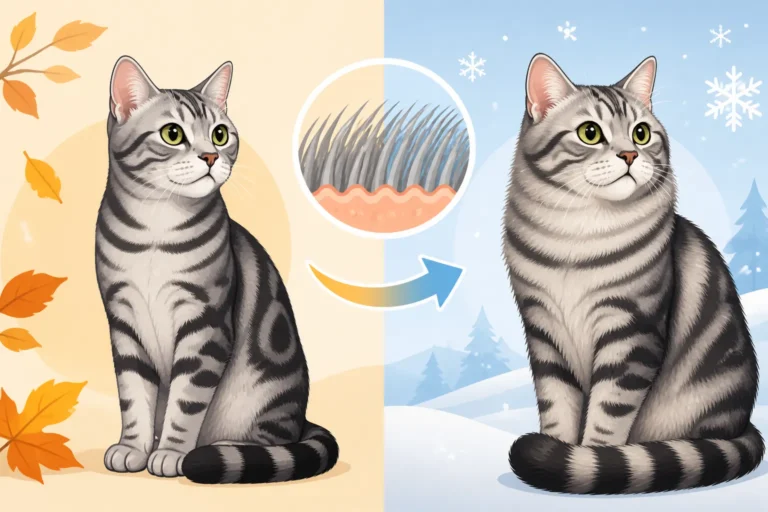
Beneath those protective guard hairs lies a softer, insulating undercoat. This combination makes up what’s known as a double coat, and it’s a brilliant natural design for temperature regulation. In cooler months, this undercoat thickens significantly, providing an extra layer of warmth, much like a built-in winter jacket. This adaptation allowed their ancestors to thrive in diverse climates, from frosty New England winters to warmer southern states.
As the seasons change, so too does your American Shorthair's coat. They undergo two major shedding cycles each year – typically in spring to shed their heavy winter coat and again in the fall to prepare for growing a new, thicker one. During these times, you might notice a significant increase in loose hair around your home, on your clothes, and well, pretty much everywhere. Even outside of these peak periods, American Shorthairs will still shed a small amount year-round, as individual hairs reach the end of their life cycle. This constant cycle of growth and shedding is completely normal. Understanding this natural rhythm is key to effective grooming. The American Shorthair Sheds Twice a Year and Asks Nothing Else provides more insight into this process.
How Rubber Brushes Interact with an American Shorthair's Coat
So, how does a seemingly simple tool like a rubber brush stand up to the task of grooming such a purpose-built coat? It's all in the design and how it works with, rather than against, your cat's natural fur structure.
The Mechanics of a Rubber Grooming Tool
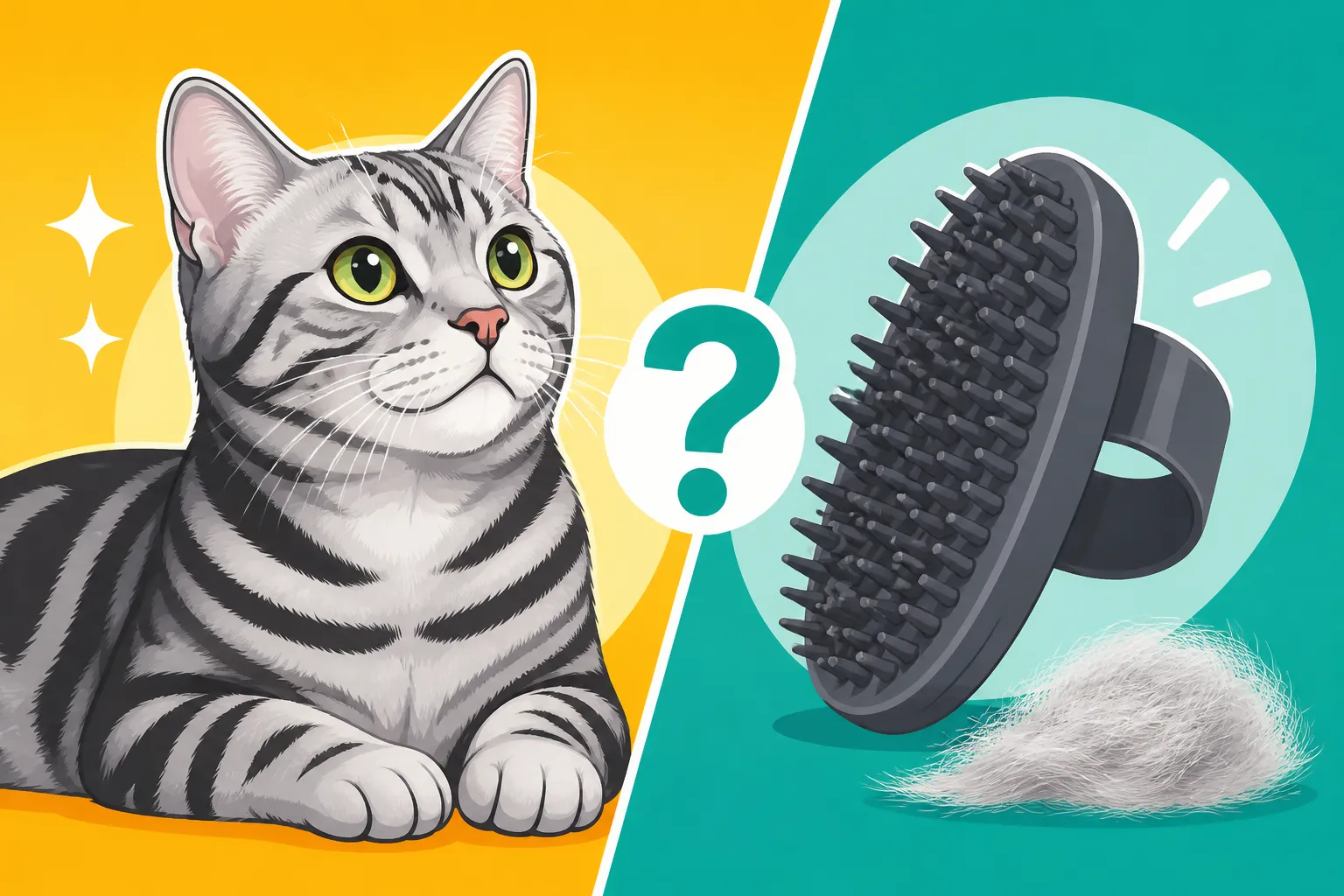
Rubber brushes, often referred to as curry brushes or grooming mitts, operate on a wonderfully gentle principle. Instead of stiff bristles or sharp metal teeth, they feature soft, flexible rubber or silicone nubs. When moved over your cat's coat, these nubs create a static charge that helps attract loose hairs. More importantly, the gentle friction and flexibility of the rubber allow them to flex and contour to your cat’s body, effectively massaging the skin while gathering shedding fur.
This design is a stark contrast to some traditional wire slicker brushes or metal combs, which, while effective for certain coat types, can sometimes feel abrasive or even scratch a cat’s delicate skin if used improperly. For an American Shorthair, whose coat might be described as "hard," a gentler approach is often appreciated, especially for cats who are not overly fond of being brushed. The rubber nubs work by gently "grabbing" dead and loose hair that's already detached or barely clinging, lifting it away from the healthy coat without painful tugging. This makes it a pleasant experience for many cats, often feeling more like a massage than a chore.
Effectiveness for Shedding and Undercoat Management
For the American Shorthair, a rubber brush can be surprisingly effective for routine shedding management. Their short, dense coat, while robust, doesn't typically develop the deep, tangled mats that long-haired breeds might. The primary goal for an American Shorthair is to remove that loose surface hair and, to a lesser extent, some of the shedding undercoat. This is where the rubber brush shines. It does an excellent job of collecting the shorter, coarser shed hairs that can otherwise end up all over your furniture.
During peak shedding seasons, like the spring shedding where How Much Comes Off an American Shorthair in Spring is considerable, a rubber brush is a fantastic daily tool to keep the sheer volume of loose hair down. While it won't penetrate as deeply into the undercoat as a dedicated deshedding tool with fine teeth, it still helps by stimulating the skin and encouraging shedding undercoat to release. The massaging action increases blood flow, which can promote healthy skin and coat overall. For many American Shorthair owners, the balance of effective shedding control with a gentle, enjoyable experience for their cat makes the rubber brush an indispensable part of their grooming routine.
Benefits and Drawbacks of Using a Rubber Brush on Your American Shorthair
Every grooming tool has its strengths and weaknesses, and the rubber brush is no exception. Understanding these can help you decide if it's the right fit for your American Shorthair's specific needs and your grooming routine.
The Advantages: Gentle Deshedding and Skin Health
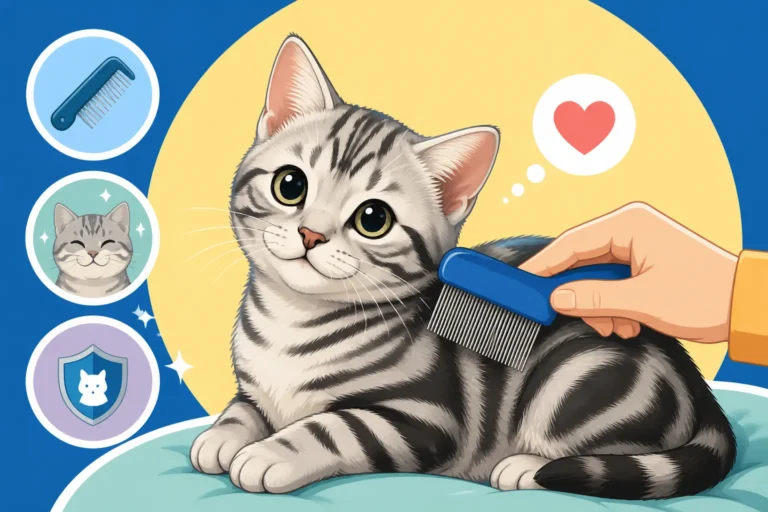
One of the most significant advantages of a rubber brush is its sheer gentleness. American Shorthairs, despite their sturdy appearance, can have sensitive skin. Traditional wire brushes, if not used carefully, can scratch or irritate, making grooming an unpleasant experience. The soft nubs of a rubber brush, however, provide a comforting massage that most cats tolerate, and often even enjoy. This makes it an ideal tool for cats who are hesitant about grooming or those with very fine skin.
Beyond just removing loose hair, the massaging action of a rubber brush stimulates the skin, improving blood circulation. This increased circulation can contribute to a healthier coat by promoting the distribution of natural oils, which keep the fur shiny and supple. Regular use helps to remove dead skin cells and dander, which can be a boon for owners with mild allergies, as it reduces airborne allergens. Furthermore, the act of gentle brushing can be a wonderful bonding experience between you and your cat. It's a quiet, affectionate ritual that strengthens your relationship. Remember, How Little Combing an American Shorthair Actually Needs for general maintenance, but regular gentle sessions with a rubber brush can offer additional benefits.
The Limitations: What a Rubber Brush Might Miss
While rubber brushes are fantastic for many aspects of American Shorthair grooming, they do have their limitations. Their primary strength lies in gathering loose hair from the surface and top layers of the coat. If your American Shorthair has an unusually dense undercoat during a heavy shedding period, or if there's a particularly stubborn patch of shedding fur, a rubber brush might not be able to penetrate deeply enough to extract all of it. Specialized deshedding tools, often with closer-set, finer teeth, are designed specifically to reach and remove the undercoat more effectively.
Another point to consider is that rubber brushes are not designed for detangling. While matting is extremely rare in American Shorthairs due to their short, firm coats, if a small tangle were to occur (perhaps from something sticky getting in the fur), a rubber brush would not be the tool to resolve it. In such rare cases, a fine-toothed comb might be needed, or professional assistance if it's severe. However, for the typical American Shorthair, detangling isn't a concern. The main limitation is simply its capacity to handle truly heavy, deep undercoat shedding. So, while it's a great everyday tool, you might find yourself reaching for something more specialized occasionally. For insights into more robust tools, read Whether a Deshedding Tool Is Worth Buying for The American Shorthair.
Choosing and Using the Right Rubber Brush for Your American Shorthair
So, you're convinced a rubber brush could be a great addition to your grooming toolkit. But with so many options out there, how do you pick the right one, and more importantly, how do you use it effectively to keep your American Shorthair happy and fur-free?
Key Features to Look For in a Rubber Brush
When you're browsing for a rubber brush, you'll notice a few variations. They generally come in two main forms: handheld brushes with an ergonomic grip or grooming mitts that you wear on your hand. Both have their merits. A handheld brush might offer more control and leverage, especially for getting into certain areas, while a mitt can feel more natural, like you're just petting your cat.
Regardless of the style, pay attention to the quality of the rubber or silicone. You want something flexible enough to contour to your cat's body but durable enough to last. Look for nubs that are not too stiff or too soft – they should have some give. Some brushes have nubs of varying lengths, which can be beneficial for getting a bit deeper into the coat while still being gentle. Consider the size of the brush relative to your cat's body. A larger brush might cover more surface area quickly, while a smaller one offers precision. You can often find a good selection by checking out retailers like Chewy or searching on Amazon for "cat rubber grooming brush" to see a range of options and read reviews from other cat owners.
Best Practices for Grooming Your American Shorthair with a Rubber Brush
Making grooming a positive experience is paramount, especially for a self-sufficient breed like the American Shorthair. Start by introducing the brush gently. Let your cat sniff it, rub against it, and get accustomed to its presence. Begin with short, gentle strokes, following the direction of hair growth, never against it. Focus on areas your cat enjoys being touched, like their back or sides, before moving to more sensitive spots.
Consistency is key, especially during shedding seasons. Aim for a few minutes of brushing several times a week, or even daily during heavy shedding. How Often an American Shorthair Should Actually Be Combed can give you a good benchmark. Always keep the experience positive with praise, gentle words, and perhaps a small, healthy treat afterward. If your cat shows signs of discomfort or tries to escape, don't force it. End the session and try again later, keeping it even shorter. Over time, many American Shorthairs will come to associate brushing with affection and even enjoy the massage. Don't forget that good hydration also plays a role in coat health, so ensuring your cat drinks enough water, as discussed in How Much Water an American Shorthair Should Drink, can indirectly support healthy shedding.
Remember to clean your rubber brush regularly! Loose hair will cling to the nubs, and it's easy to peel off after each session, keeping the tool effective and hygienic.
Here’s a quick summary of the pros and cons to help you weigh your options:
| Feature | Benefits for American Shorthairs | Limitations for American Shorthairs |
|---|---|---|
| Gentleness | Ideal for sensitive skin, provides a calming massage. | May not satisfy cats who prefer a firmer brush. |
| Shedding | Excellent for removing loose surface hair and dander. | Less effective for deep undercoat removal compared to specialized tools. |
| Coat Health | Stimulates circulation, distributes natural oils, reduces dander. | Does not detangle mats (though rare for this breed). |
| Ease of Use | Comfortable grip (brush) or natural feel (mitt), easy to clean. | May require more frequent use during heavy shedding. |
| Bonding | Fosters positive interaction and strengthens the human-feline bond. | Some cats may still be resistant, requiring patience. |
Disclaimer
This article is for general informational purposes only and does not constitute professional advice. Laws, prices and regulations vary by location and change over time. Consult a qualified professional for guidance on your specific situation.