How an Old American Shorthair’s Coat Coarsens
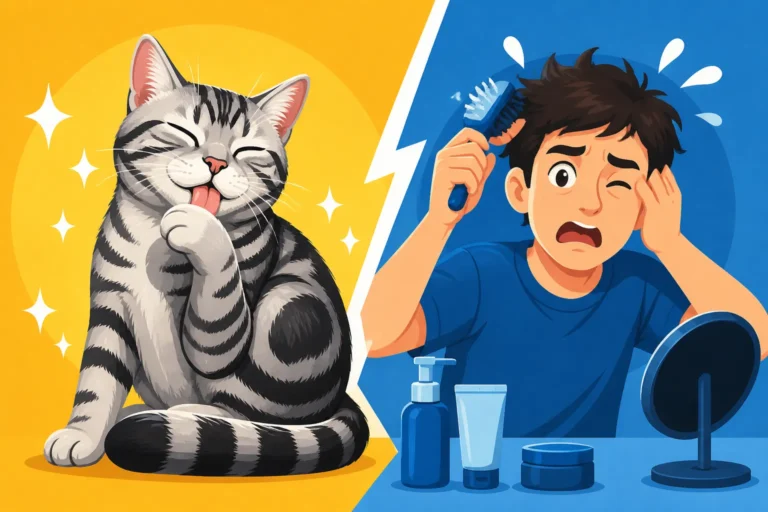
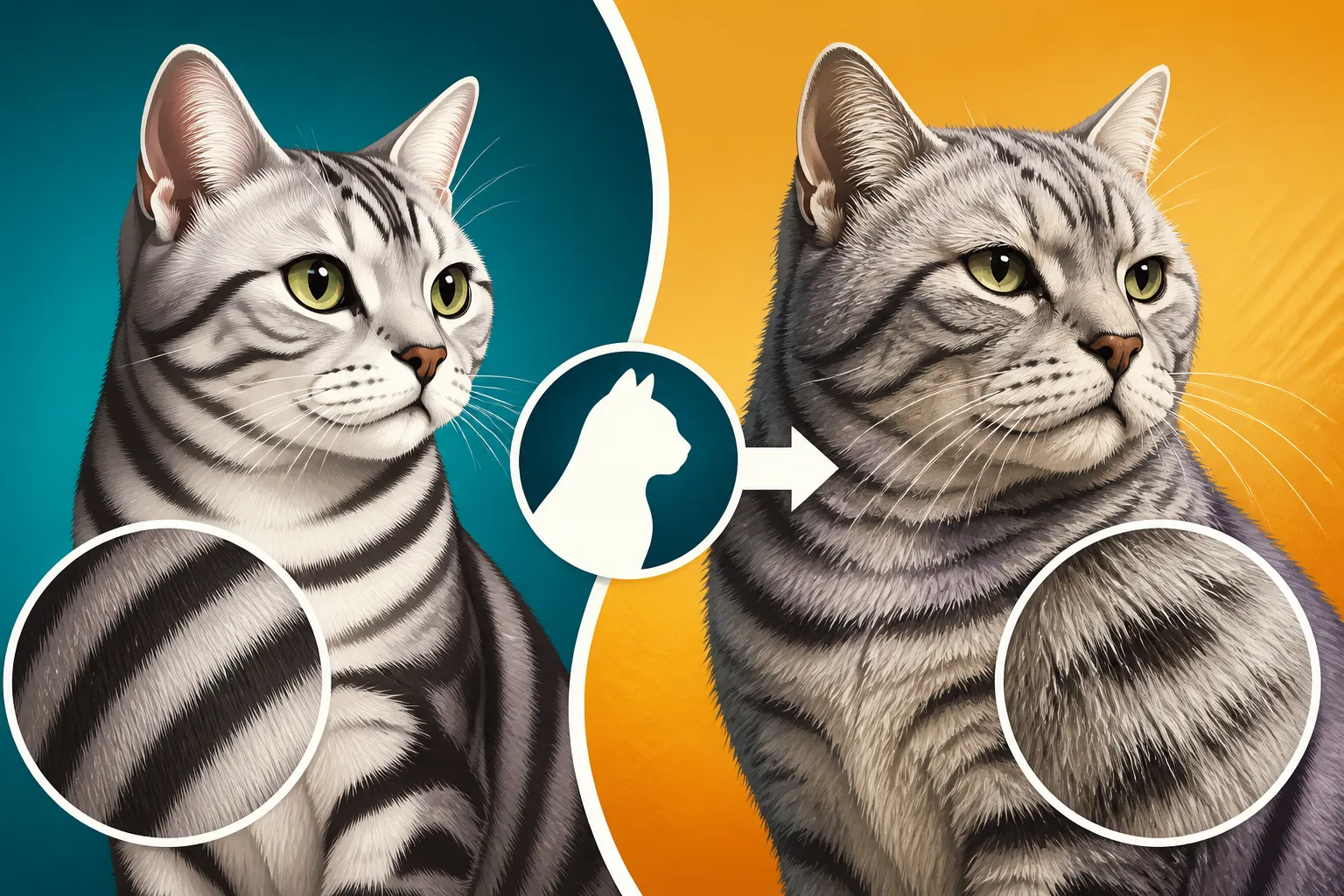
As our beloved American Shorthairs enter their golden years, it's not uncommon for their once sleek and robust coats to undergo a transformation, often becoming noticeably coarser and less lustrous. This shift can be a subtle indicator of the natural aging process or, at times, a whisper that something else might be at play beneath the surface. This guide will gently walk you through the various reasons an older American Shorthair's coat might coarsen, offering practical advice and empathetic insights into how to best support your cherished companion as they age gracefully.
Understanding the Natural Aging Process and Coat Changes
It’s easy to look at a spry kitten with its impossibly soft fur and imagine that texture will last forever. But just like our own hair changes over time – perhaps thinning, going gray, or becoming more wiry – a cat's coat also experiences its own version of a mid-life and senior shift. For an American Shorthair, a breed known for its healthy, hardy coat, these changes can be particularly noticeable.
The Science Behind a Coarsening Coat
The skin and coat are the largest organ system in a cat's body, and they're highly reflective of overall health. As an American Shorthair ages, several physiological changes contribute to the coarsening of its fur. One major factor is the decrease in the skin's ability to produce natural oils. These oils, also known as sebum, are vital for keeping the fur soft, pliable, and shiny. Fewer oils mean drier skin, which in turn leads to a drier, more brittle hair shaft that feels coarser to the touch. Think of it like a beautiful piece of leather that, without regular conditioning, starts to feel stiff and rough.
Beyond oil production, the hair follicles themselves can change. Over time, follicles may produce hairs with a different structure. The outer layer of each hair, the cuticle, can become more rigid or less tightly bound, causing individual hairs to stand away from each other rather than lying flat and smooth. This changes how light reflects off the coat, making it appear duller, and certainly contributes to that "coarse" feeling. Metabolism also slows down, which means nutrients might not be delivered to the hair follicles as efficiently as they once were. This isn't just about what they eat, but how their body processes and utilizes it. These are all part of the natural, often unavoidable, march of time.
How an American Shorthair's Coat Differs From a Kitten's
Consider the magnificent, dense, and naturally weather-resistant coat of a youthful American Shorthair. It’s designed to protect them, shed water, and keep them warm, a testament to their working cat heritage. A kitten's fur, on the other hand, is almost universally baby-soft, like a plush toy. This is because their skin and coat are still developing, and their tiny bodies haven't yet been exposed to the environmental stressors that can subtly alter fur texture.
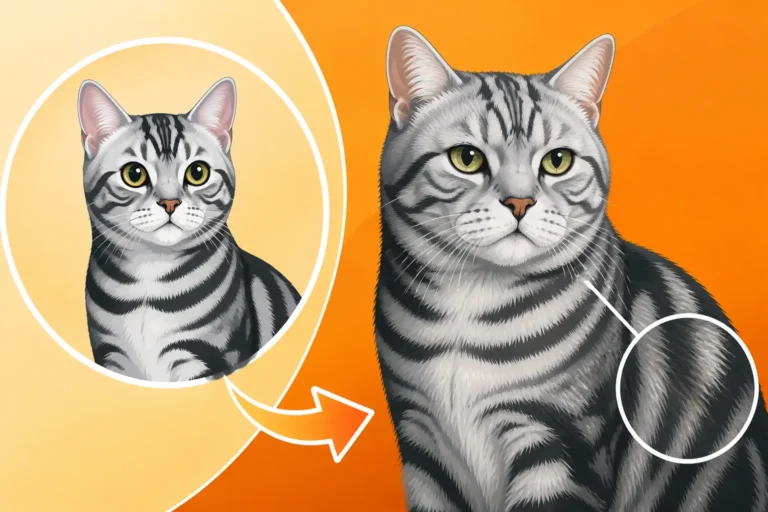
As an American Shorthair matures, their coat usually settles into its characteristic "hard" texture – not rough, but firm and resilient, unlike the plush, soft coat of a British Shorthair. It's meant to be a practical, functional coat. But when we talk about coarsening in an old American Shorthair, we're talking about a texture beyond that healthy, hardy feel. It's when the individual strands lose their sheen, feel wiry or brittle, and the overall coat might appear disheveled, even if the cat has just groomed itself. It's a departure from their prime, healthy adult coat, marking another stage in their life journey. You might notice these subtle changes starting around the time you consider them a senior cat, perhaps around When a Working Bred American Shorthair Counts as Senior.
Common Reasons an Old American Shorthair's Coat Coarsens Beyond Natural Aging
While some coarsening is a normal part of getting older, a significant or rapid change in your American Shorthair's coat texture can sometimes be a sign of something more than just Father Time at work. It's crucial to be observant and consider other factors that might be contributing to this shift. Our furry friends are stoic creatures, and their coat can often be one of the first visible indicators of internal changes.
Nutritional Deficiencies and Their Impact
Diet plays an enormous role in skin and coat health. As American Shorthairs age, their nutritional needs can subtly change, and their ability to absorb nutrients might not be as efficient. What worked perfectly for years might not be providing all the building blocks for a healthy coat anymore.
- Lack of Essential Fatty Acids: Omega-3 and Omega-6 fatty acids are crucial for skin hydration and a glossy coat. If your senior American Shorthair's diet isn't providing enough of these, or if their body isn't absorbing them well, their skin can dry out, and their fur can become coarse and brittle. Imagine trying to grow beautiful hair on a body that's missing key vitamins – it's just not going to happen efficiently.
- Protein Quality and Quantity: Hair is primarily made of protein. A diet lacking in high-quality, easily digestible protein can directly impact hair growth and strength. Older cats, especially those with certain health conditions, sometimes struggle to process protein as effectively, even if the amount seems adequate.
- Vitamin and Mineral Imbalances: Specific vitamins (like A, E, and B vitamins) and minerals (like zinc and copper) are vital for skin and coat health. Deficiencies or imbalances can manifest as a dull, coarse, or thinning coat. This is why sometimes a vet might recommend a senior-specific food or a supplement if they suspect a deficiency. Why an Old American Shorthair Needs Food It Can Manage delves deeper into these dietary considerations.
The Role of Underlying Health Conditions
A coarse coat is often one of the earliest, non-specific signs that an older cat might be grappling with an underlying health issue. Their body is working harder, and cosmetic upkeep often takes a backseat.
- Kidney Disease: This is a common ailment in senior cats, and it can significantly impact coat quality. As kidneys become less efficient, toxins can build up in the body, which affects skin health and can lead to a dull, dry, and coarse coat. Cats with kidney disease often become dehydrated, further exacerbating skin dryness. How Kidney Disease Creeps Up on an Old American Shorthair provides more detail on this serious condition.
- Hyperthyroidism: An overactive thyroid gland speeds up a cat's metabolism, and while this might initially manifest as weight loss despite a good appetite, it also affects skin and coat health. The coat can become greasy, matted, or, yes, coarse and dry, often with a "staring" appearance where the hairs don't lie flat.
- Diabetes: Similar to kidney disease, diabetes affects a cat's overall metabolic processes, including nutrient utilization. A diabetic cat’s coat can appear dull, dry, and coarse, and they might also experience secondary skin infections that further compromise coat health.
- Arthritis or Other Pain Conditions: An American Shorthair, known for being incredibly stoic, might not openly show pain. However, if they're experiencing discomfort from arthritis, especially in their back, hips, or neck, they might find it difficult to groom themselves thoroughly. How an Old American Shorthair Shows Its Joints Hurt explains how this pain can present. When a cat can't reach certain areas, those spots can become matted, greasy, or simply coarser from lack of consistent self-grooming. This isn't a direct impact on hair texture but an indirect result of reduced care.
- Dental Disease: Chronic pain from dental issues can also reduce a cat's desire or ability to groom properly, leading to a neglected coat.
Environmental Factors and Reduced Grooming
Even the most meticulous American Shorthair can fall short in their grooming habits as they age, and their environment can play a role.
- Reduced Flexibility and Mobility: As we discussed, arthritis or general stiffness means an older cat can’t twist, turn, and stretch like they used to. That means areas like their lower back, hindquarters, and even their tail might not get the attention they need. Think about how much effort it takes for them to really get at those tough spots. A neglected area's fur can quickly become dull, tangled, and feel coarse.
- Dehydration: Just like with kidney disease, general dehydration from not drinking enough water can impact skin and coat. The skin loses elasticity, and the fur reflects that dryness. Ensuring fresh water is always available and considering a water fountain can help.
- Environmental Dryness: Living in a very dry climate or a home with constant central heating can strip moisture from a cat's skin and coat, making it feel dry and coarse, regardless of their internal health. It's like how our skin feels dry in winter.
- Stress: While American Shorthairs are generally placid, prolonged stress can impact their overall health, including their coat. A change in routine, new pets, or loud noises can sometimes lead to reduced grooming or even excessive licking that paradoxically damages the coat.
Consider this table to summarize potential causes:
| Cause Category | Specific Factor | Impact on Coat Coarseness |
|---|---|---|
| Natural Aging | Decreased oil production | Drier skin, brittle hair shafts, reduced luster. |
| Changes in hair follicle function | Production of stiffer, less smooth individual hairs. | |
| Nutritional | Essential fatty acid deficiency | Dry skin, dull, brittle fur. |
| Poor protein intake/absorption | Weak hair growth, fragile, coarse strands. | |
| Vitamin/mineral imbalances | Dullness, poor texture, potential thinning. | |
| Health Conditions | Kidney Disease | Dehydration, toxin buildup, general ill-health leading to poor coat quality. |
| Hyperthyroidism | Rapid metabolism affecting skin health, often greasy or staring coat, can feel coarse. | |
| Diabetes | Metabolic disruption, dry skin, dull, coarse fur. | |
| Arthritis/Pain | Reduced ability to self-groom due to discomfort, leading to matting, greasiness, and coarseness in neglected areas. | |
| Environmental/Behavioral | Reduced Self-Grooming | Due to pain, stiffness, or lack of energy; leads to tangles, mats, and dirty, coarse fur. Why an Old American Shorthair Stops Reaching Its Back |
| Dehydration (general) | Dry skin, dull, brittle coat. | |
| Dry Environment | External drying of skin and hair. |
Supporting Your Senior American Shorthair's Coat Health
Seeing your beloved cat's coat change can be unsettling, but there are many ways you can help support their skin and fur as they age. It's about being proactive, observant, and working with your veterinarian to ensure your American Shorthair remains as comfortable and healthy as possible.
Dietary Adjustments for an Aging Coat
Nutrition is foundational for a healthy coat at any age, but it becomes particularly important for older cats whose bodies may not be as efficient.
- Switch to a Senior-Specific Diet: Many commercial pet food brands offer formulas specifically designed for senior cats. These diets are often formulated with higher levels of easily digestible proteins, controlled phosphorus for kidney health, and an optimized balance of essential fatty acids, vitamins, and minerals. Brands like Purina Pro Plan Veterinary Diets or Royal Canin often have excellent senior options available through places like Chewy. These aren't just for weight management, but for overall system support.
- Supplement with Omega Fatty Acids: If your vet approves, adding a fish oil supplement rich in Omega-3 fatty acids (EPA and DHA) can do wonders for skin and coat health. These help to reduce inflammation, moisturize the skin from within, and promote a softer, shinier coat. You can find many reputable options online, perhaps from Amazon, but always consult your vet for the correct dosage and type.
- Ensure Adequate Hydration: This can’t be stressed enough. Wet food, in addition to fresh water bowls, is a great way to increase your cat's fluid intake. Some cats prefer running water, so a pet water fountain might be a wise investment. The more hydrated your cat is internally, the better their skin and coat will reflect that health.
- Consider Digestive Aids: Sometimes, it’s not just about what they eat, but what they absorb. Probiotics or prebiotics, again under vet guidance, might help improve gut health and, in turn, nutrient absorption, which can indirectly benefit the coat.
Practical Grooming Strategies for Senior Cats
While your American Shorthair was likely a meticulous self-groomer in their youth, age can bring limitations. Stepping in to assist can make a huge difference in their comfort and coat quality.
- Gentle, Regular Brushing: Even though American Shorthairs have a relatively low-maintenance coat, regular, gentle brushing is key for seniors. A soft-bristled brush or a rubber curry comb can help distribute natural skin oils, remove loose fur, and stimulate circulation without irritating sensitive older skin. This is also a wonderful bonding experience and a chance to check for lumps, bumps, or any signs of discomfort. Aim for short, frequent sessions rather than long, arduous ones. When an Old American Shorthair Needs Help Grooming offers more tips.
- Targeted Cleaning: Pay special attention to areas your cat might struggle to reach, such as the base of the tail, their lower back, or around their hind legs. A damp cloth can gently wipe away any accumulated dirt or dander. If you notice mats starting to form, especially in these difficult-to-reach areas, gently try to tease them apart with your fingers or a wide-toothed comb. Never cut mats with scissors close to the skin, as it's incredibly easy to accidentally cut your cat.
- Moisturizing Shampoos (If Necessary): If your vet determines your cat's skin is excessively dry, they might recommend a moisturizing or medicated shampoo. Bathing an American Shorthair isn't typically needed often, but for an older cat with specific skin issues, it might be beneficial. Always use cat-specific products and ensure you rinse thoroughly to avoid skin irritation.
When to Seek Veterinary Advice
As a pet parent, you know your American Shorthair best. If you notice a significant or sudden change in their coat, don't hesitate to consult your veterinarian. They can help distinguish between normal aging and an underlying health problem.
- Routine Senior Check-ups: Regular vet visits are paramount for senior cats. These check-ups, which might include blood work and urinalysis (What an American Shorthair's Senior Panel Costs), can catch potential health issues like kidney disease or hyperthyroidism early, before they become advanced. Early diagnosis and intervention can dramatically improve your cat's quality of life and potentially slow the progression of conditions that impact coat health.
- Discuss New or Worsening Symptoms: Beyond coat coarsening, keep an eye out for other signs of aging or illness. Changes in appetite, water intake (Why a Thirsty American Shorthair Should Be Tested), litter box habits, energy levels, or any signs of pain or stiffness are all reasons to call your vet. Your vet might also want to do further diagnostics depending on what they find.
- Medication Review: If your American Shorthair is on any long-term medications, discuss with your vet whether these could be impacting their coat or if the dosages need adjustment as they age.
- Specialized Treatments: In some cases, if the coarsening is severe and due to an underlying condition, your vet might suggest specific treatments or medications, which could range from dietary changes to thyroid medication, all of which could ultimately help restore some luster and softness to their coat. Caring for an American Shorthair Past Twelve is a great resource for overall senior cat care.
Remember, a coarse coat in an old American Shorthair isn't just a cosmetic issue; it's a window into their overall well-being. By being attentive to these changes and working closely with your vet, you can help ensure your beloved companion enjoys their golden years with comfort and dignity.
Disclaimer
This article is for general informational purposes only and does not constitute professional advice. Laws, prices and regulations vary by location and change over time. Consult a qualified professional for guidance on your specific situation.