When a Working Bred American Shorthair Counts as Senior
It’s a natural part of life that our beloved feline companions will age, but for owners of an American Shorthair, pinpointing that exact moment when they transition from active adults to dignified seniors can feel a bit more elusive. These cats, with their robust build and independent spirit, often carry their youthful energy well into their later years, making the subtle shifts challenging to detect. This guide will delve into the nuances of feline aging, focusing specifically on how to recognize when your historically working-bred American Shorthair is truly considered a senior cat.
Understanding the American Shorthair's Working Heritage
Before we dive into specific age markers, it's crucial to understand the foundational nature of the American Shorthair. This isn't a breed developed for delicate beauty alone; it was forged by necessity, a true working cat, and that history still profoundly influences its physical and behavioral traits today, even into old age.
From Ship to Barn: A History of Utility
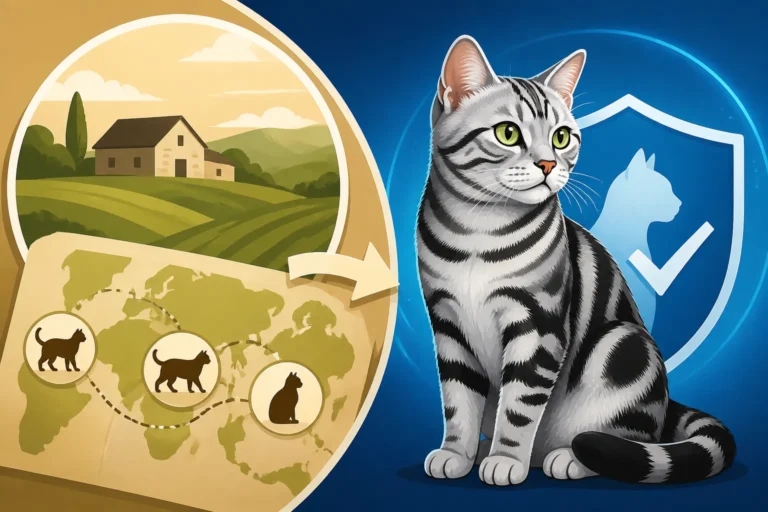
The ancestors of the modern American Shorthair were cats brought to North America by early European settlers, primarily aboard ships, to protect valuable cargo from rodents. These were not pampered pets but vital members of the crew, earning their keep by being efficient mousers. Once on land, their role continued on farms and in homes, where they tirelessly patrolled barns and kitchens, keeping vermin populations in check. This selection process favored strong, healthy, intelligent, and self-sufficient cats. They had to be resilient, capable of handling various weather conditions, and adept at hunting to survive and thrive. This explains why they are often used as a health benchmark in the cat world.
This lineage means that the American Shorthair inherently possesses a toughness and a stoicism that sets them apart. They aren't prone to dramatics; instead, they tend to be quite understated in expressing discomfort or pain. This can be both a blessing and a curse for owners as their cats age, as it means they might hide early signs of decline, making it harder for us to intervene proactively. Their historical job shaped them into creatures of quiet determination, a trait that remains even when their hunting days are long past.
The Physical Demands of a Mouser's Life
To be an effective mouser, an American Shorthair's ancestors needed a specific physique: strong, muscular, agile, and alert. They developed a broad chest for powerful lung capacity, strong jaws for catching prey, and sturdy, medium-length legs perfect for explosive sprints and impressive jumps. Their short, dense coat was built for weather, not a judge, providing protection from the elements during outdoor patrols. These physical attributes weren't just for show; they were essential tools for survival and success in their demanding role.
Even today, well-bred American Shorthairs retain this sturdy, athletic build. They are known for their dense bone structure and muscular bodies. This robust frame is a significant advantage in terms of general health and longevity, but it can also mask the gradual onset of age-related stiffness or joint pain. A slight reduction in jumping height or a barely perceptible slowing down might be overlooked because the cat still appears strong and capable. Their heritage of physical activity means they expect their bodies to work, and they'll push through discomfort longer than a more delicate breed might.
Lifespan Expectations for a Naturally Robust Breed
Given their hardy origins and generally low incidence of inherited health issues, the American Shorthair is known for its impressive longevity. It’s not uncommon for these cats to live well into their teens, with many reaching The Fifteen to Twenty Years the American Shorthair Was Given. This extended lifespan is a testament to their strong genetic pool, a consequence of being a landrace breed that wasn't overly selected for extreme aesthetic traits.
However, a long lifespan doesn't mean an absence of aging. It simply means that the journey through their senior years will be longer, making it even more critical for owners to be vigilant. While the breed's general health is a huge positive, the cumulative effects of time eventually catch up with every cat. Understanding these expectations sets the stage for recognizing the transition to senior status, knowing that it will be a gradual process requiring attentive observation over many years.
General Feline Seniority: What the Experts Say
While breed-specific traits certainly influence how a cat ages, there are universal guidelines and markers that veterinary professionals use to classify cats as senior or geriatric. These benchmarks help us understand the general timeline of feline aging, providing a framework to apply to our individual American Shorthairs.
Age Brackets for Senior and Geriatric Cats
The veterinary community has established widely accepted age classifications for cats, moving beyond the simplistic "one cat year equals seven human years" myth. Generally, cats are considered:
- Mature/Middle-Aged: 7 to 10 years old. At this stage, while still active, physiological changes begin to occur. This is often when early signs of conditions like kidney disease or dental issues might start to manifest, even if subtly.
- Senior: 11 to 14 years old. This is the primary bracket where a cat is considered senior. During these years, age-related changes become more noticeable, including potential weight fluctuations, decreased activity, and a higher risk of chronic diseases.
- Geriatric: 15 years and older. Cats in this category are truly elderly, often experiencing multiple age-related health issues, significant cognitive changes, and a greater need for supportive care.
These classifications provide a useful roadmap, helping owners and vets anticipate potential health challenges and adjust care routines accordingly. It’s not a hard stop, but a fluid transition where the cat's individual health status is paramount.
Why Breed Matters Less for Universal Senior Markers
Despite the unique robustness of the American Shorthair, these general age brackets largely apply. While a breed like a Persian might show signs of aging earlier due to specific breed-related health predispositions or a shorter average lifespan, the fundamental physiological processes of aging – cellular degeneration, organ function decline, metabolic rate changes – are universal across all cat breeds. So, while an American Shorthair might appear more youthful or vigorous at 10 or 11 than some other breeds, their internal systems are still undergoing the same age-related shifts.
What does differ, however, is the manifestation and progression of these changes. An American Shorthair might exhibit a slower onset of certain conditions or hide symptoms more effectively, thanks to their hardy nature. This is why a keen eye and regular veterinary check-ups are so crucial. The underlying biological clock is ticking similarly, even if the outward signs are less pronounced.
The Gradual Nature of Aging in Cats
Unlike humans, where aging can sometimes feel like a sudden switch flips, for cats, it's a wonderfully slow and often imperceptible process. You won't wake up one morning to find your youthful American Shorthair suddenly transformed into a gray-muzzled elder. Instead, aging creeps in, one tiny change at a time. This could be a slight decrease in the height of their jumps, a subtle shift in their sleeping patterns, or a minuscule drop in their appetite.
Because the changes are so gradual, it’s easy for owners to miss them, or attribute them to other factors like "just being lazy" or "the weather." It often takes a moment of reflection, looking back at photos from a few years prior, or a vet pointing out a clinical change, to realize how much has shifted. This gradual transition is particularly relevant for a stoic breed like the American Shorthair, reinforcing the need for proactive observation rather than waiting for obvious signs of distress.
Pinpointing Senior Status in Your American Shorthair
So, how do we apply these general guidelines to our specific, wonderfully resilient American Shorthairs? It comes down to careful observation of both their behavior and their physical state, recognizing that their working-bred nature means signs might be subtle.
Behavioral Shifts Beyond Just "Slowing Down"
When your American Shorthair starts to enter its senior years, you might notice behavioral changes that go beyond just a simple reduction in activity. While a general slowing down is common, look for more specific shifts. Perhaps they're no longer greeting you at the door with the same energetic enthusiasm, or their once-vigilant patrols of the house become shorter and less frequent. You might find them spending more time in quiet, warm spots, rather than perched on high shelves or active hunting posts.
Another key indicator is a change in their interaction patterns. An American Shorthair, while independent, is typically affectionate on their own terms. As they age, they might become either more clingy, seeking comfort, or more withdrawn, preferring solitude. They might be less tolerant of sudden movements or loud noises, retreating to a safe space more quickly than before. It’s also worth noting how an American Shorthair shows affection between patrols, and if that changes, it could be a sign. These shifts aren't necessarily negative, but they signal a change in their comfort levels and energy reserves, indicating they're entering a new life stage.
Physical Changes: More Than Just Gray Whiskers
Beyond behavior, physical changes offer concrete clues that your American Shorthair is becoming a senior. While some cats develop gray whiskers or eyebrows, this isn't a universal sign and shouldn't be the only one you look for. More telling physical indicators include:
- Changes in Coat Condition: While their short coat rarely mats, an aging American Shorthair might find it harder to groom those hard-to-reach spots, especially their back or tail base, leading to a duller coat or small tangles. This is particularly true if they’re gaining weight. When an Old American Shorthair Needs Combing Help, it's a clear sign.
- Weight Fluctuations: Many senior cats either gain weight due to decreased activity or lose weight due to underlying health issues or muscle atrophy. Obesity Is What Ending the American Shorthair's Job Cost It, making weight management crucial for seniors. Regularly assessing their body condition is vital, as is tracking Why an Old American Shorthair's Weight Should Be Watched.
- Dental Health: This is a huge, often overlooked area. Why an American Shorthair Loses Teeth Nobody Noticed is a common problem. As cats age, dental disease, including gum inflammation, tartar buildup, and tooth resorption, becomes very prevalent. Painful teeth can affect appetite and overall well-being.
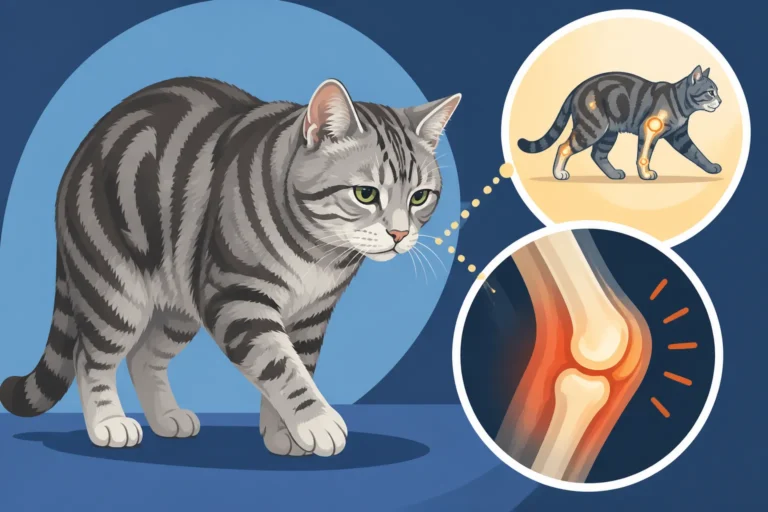
- Mobility Issues: You might notice your American Shorthair slowing down before it limps, or struggling with stairs or jumping onto the counter. This can be a sign of arthritis or other joint pain. Why an Old American Shorthair Slows Before It Limps is a key indicator to watch for.
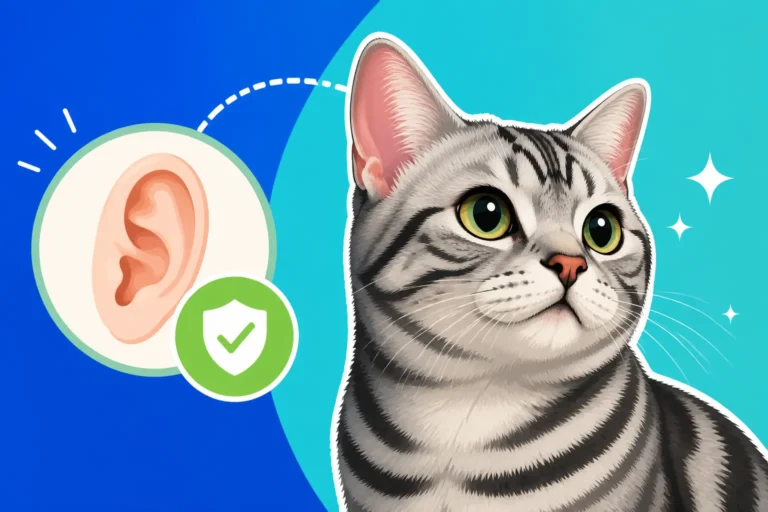
- Sensory Changes: Their eyesight or hearing might diminish. How to Tell If an Old American Shorthair Has Gone Deaf involves observing their reactions to sounds or their navigation in familiar environments.
These physical markers, often subtle at first, accumulate over time and collectively point towards your cat transitioning into their senior years.
When a Working Bred American Shorthair Counts as Senior
Considering their robust nature and the general veterinary guidelines, a working-bred American Shorthair typically begins to count as senior around 11 to 12 years of age. This is when you should start actively adjusting your expectations and care routines, even if they still seem remarkably spry. While they might not show overt signs of frailty, their internal systems are definitely past their prime.
This age range is a crucial pivot point. It's when preventive care becomes even more critical, and vigilance for subtle changes should be heightened. Don't wait until they are clearly struggling; assume that the aging process is underway and adjust your approach accordingly. Their history as independent, capable hunters means they'll often hide discomfort, making your proactive observation and understanding of this age threshold even more vital for their continued health and comfort.
Subtle Health Indicators in a Stoic Breed
One of the biggest challenges for American Shorthair owners is their cat's inherent ability to mask pain or illness. As a breed that traditionally had to survive on its wits and strength, showing weakness was a liability. This stoicism is ingrained, and it carries into their senior years, making vigilance an absolute must.
Hiding Pain: The American Shorthair's Instinct
It’s a natural feline instinct to hide illness or pain, a survival mechanism from their wild ancestors. For the American Shorthair, this trait is particularly pronounced due to their working-bred lineage. They rarely cry out or limp dramatically unless the pain is severe. Instead, they might exhibit much more subtle signs:
- Changes in routine: A cat that usually sleeps by your feet now sleeps under the bed, or avoids being touched in certain areas.
- Reduced grooming: If they're stiff or sore, they might stop reaching certain areas, leading to a scruffy appearance, especially around the lower back.
- Appetite changes: They might eat less or become more finicky, or even seem more ravenous if they have conditions like hyperthyroidism.
- Litter box habits: Any change in frequency, amount, or location of urination or defecation can indicate pain, urinary tract issues, or gastrointestinal problems.
- Reluctance to move: They might hesitate before jumping, take longer to get up, or simply prefer to stay put rather than patrol.
- Increased irritability or withdrawal: A normally placid cat might become grumpy when handled, or retreat from interaction. Why a Stoic American Shorthair Hides Pain the Longest emphasizes this challenge.
Learning to "read" these understated signals is essential for any American Shorthair owner, especially as their cat enters the senior phase.
Early Signs of Common Ailments
As American Shorthairs age, they become more susceptible to a range of common feline health issues. Early detection of these conditions can significantly improve their quality of life and potentially extend their healthy years.
- Kidney Disease: This is very common in older cats. Early signs can include increased thirst and urination, subtle weight loss, and a duller coat. How Kidney Disease Creeps Up on an Old American Shorthair is a gradual process, making regular bloodwork critical.
- Hyperthyroidism: Another frequent ailment in older cats, often causing weight loss despite a good or even increased appetite, hyperactivity, increased thirst, and sometimes a rapid heart rate.
- Arthritis: Joint stiffness and pain are incredibly common. While your cat might not limp, you may notice difficulty jumping, hesitation to use stairs, or a general reduction in activity. This is where joint supplements can make a real difference.
- Dental Disease: As mentioned, this is pervasive. Look for bad breath, pawing at the mouth, reluctance to eat dry food, or redness along the gumline. Regular dental check-ups are non-negotiable for senior cats.
- Diabetes: Often linked to obesity, signs include increased thirst and urination, weight loss despite a good appetite, and sometimes a greasy coat.
- Heart Disease (HCM): While the American Shorthair has a generally good health profile, hypertrophic cardiomyopathy (HCM) is the one inherited disease the American Shorthair kept. Regular heart scans, especially as they age, can detect this condition early. Why an American Shorthair Still Needs a Yearly Heart Scan is crucial for proactive management.
These conditions might not have dramatic symptoms in their early stages, especially in a cat that naturally downplays discomfort. This is why regular veterinary care, rather than waiting for obvious signs of illness, is so important.
The Importance of Regular Vet Checks for Early Detection
The single most effective tool for managing your American Shorthair's senior years is routine veterinary care. For cats over seven years old, most vets recommend at least annual check-ups, and often semi-annual (twice a year) visits for those 11 years and older. These visits are not just about vaccinations; they are comprehensive health assessments.
During these check-ups, your vet will:
- Perform a thorough physical exam, feeling for lumps, assessing joint flexibility, checking teeth, and listening to the heart and lungs.
- Recommend senior bloodwork panels and urinalysis. These tests can detect early changes in organ function (kidneys, liver, thyroid), blood sugar levels, and red/white blood cell counts before your cat shows outward signs of illness.
- Discuss any subtle behavioral changes you’ve noticed, which might be critical clues to underlying issues.
- Recommend specific screenings, such as blood pressure checks or echocardiograms, especially if a heart murmur is detected.
Catching conditions like kidney disease or hyperthyroidism in their infancy allows for earlier intervention, often involving dietary changes or medication, which can significantly slow progression and improve your cat's quality of life. Investing in pet insurance, like a plan from Healthy Paws, can also provide peace of mind, knowing that regular senior health screenings and potential treatments for age-related conditions are financially manageable.
Adapting Care for Your Senior American Shorthair
Once your American Shorthair is officially a senior, their care routine needs to evolve to support their changing needs. This isn't about coddling them, but about providing the right environment, nutrition, and medical attention to ensure their comfort and well-being in their golden years. This whole process is part of Caring for an American Shorthair Past Twelve.
Nutritional Needs Change with Age
As cats age, their metabolism often slows down, their muscle mass can decrease, and their activity levels generally decline. This means their dietary needs shift considerably.
- Calorie Adjustment: An older, less active cat requires fewer calories to maintain a healthy weight. Continuing to feed them the same amount of food they ate as a young adult can lead to weight gain, which exacerbates joint problems and increases the risk of diabetes. Conversely, some older cats, particularly those with conditions like hyperthyroidism or kidney disease, might need a calorie-dense diet to prevent unhealthy weight loss. Your vet can help you determine the ideal caloric intake.
- Protein and Fat: Maintaining muscle mass is crucial for senior cats, so a diet with high-quality, easily digestible protein is often recommended. Lower fat content might be appropriate for less active, overweight seniors, while higher fat might be needed for those struggling to maintain weight.
- Specific Formulations: Many veterinary diets are formulated specifically for senior cats, addressing common issues like kidney health (lower phosphorus), joint support (glucosamine/chondroitin), and cognitive function (antioxidants, omega-3 fatty acids). These specialized foods can make a big difference. Discuss with your vet which prescription diet an American Shorthair ends up on if they develop specific health conditions.
Portion control is more important than ever. What an American Shorthair should weigh at its frame is a good benchmark, and regularly weighing your cat at home can help you track trends.
Maintaining Mobility and Mental Enrichment
Just because your American Shorthair is older doesn't mean they stop needing physical and mental stimulation. It simply means adapting the type and intensity of enrichment.
- Accessibility: Make it easier for them to access their favorite spots. Provide ramps or sturdy steps to beds, window sills, or cat trees. If they can't jump as high, bring their favorite resting places down to a more accessible level. Ensure litter boxes have lower sides for easier entry and exit, especially important for Why a Broad Chested American Shorthair Puts Weight Through Its Hips.
- Gentle Play: While they might not chase a laser pointer for 20 minutes straight, short, gentle play sessions with a wand toy can still provide exercise and mental engagement. Focus on toys that don't require high jumps or sudden twists.
- Comfort: Provide soft, orthopedic beds in warm, quiet areas. Many senior cats appreciate extra warmth, especially if they have arthritis.
- Environmental Enrichment: Keep their minds sharp with puzzle feeders, which make them "work" for a portion of their food, mimicking their natural hunting instincts on a smaller, safer scale. Regularly rotating toys and offering new scents can also provide mental stimulation.
These adjustments help to maintain their quality of life, keeping them active and engaged even as their bodies naturally slow down.
Proactive Veterinary Care and Monitoring
As discussed, regular vet visits are paramount for senior American Shorthairs. Beyond the routine check-ups, proactive monitoring at home is equally vital.
- Daily Observation: Pay attention to their daily habits. Are they eating and drinking normally? Are their litter box habits consistent? Is their energy level typical for them? Any deviation from their norm warrants a closer look.
- Weight Tracking: Weigh your cat weekly or bi-weekly. Even a small, consistent weight loss or gain can be an early indicator of a health issue.
- Behavioral Journal: Keep a simple journal of any changes you notice. This can be incredibly helpful for your vet to identify patterns and diagnose issues.
- Medication Adherence: If your senior American Shorthair is prescribed medication for a chronic condition (e.g., for heart disease, hyperthyroidism, or arthritis), administering it consistently and correctly is crucial. Don't stop medication without veterinary guidance.
- Financial Planning: Senior care can sometimes be more costly due to more frequent vet visits, diagnostic tests, and ongoing medications. Having pet insurance from providers like Healthy Paws can alleviate some of this financial burden, allowing you to make medical decisions based on what’s best for your cat, not just your wallet.
What Twenty Years of American Shorthair Care Looks Like means a commitment to adapting as they age. By being observant, proactive, and working closely with your veterinarian, you can ensure your beloved American Shorthair enjoys their senior years with comfort and dignity.
Summary Table: Feline Age Milestones & American Shorthair Considerations
| Age Category (General) | Approximate Age | General Feline Characteristics | American Shorthair Specific Considerations |
|---|---|---|---|
| Kitten | 0-6 months | Rapid growth, high energy, learning social skills. | Robust, learns hunting instincts early. Needs structured play to fulfill prey drive. |
| Junior | 7 months-2 years | Continued physical maturity, peak playfulness, establishing routines. | Fills out into its muscular frame. May still be quite active and mischievous, despite its generally calm demeanor. |
| Adult | 3-6 years | Prime health, stable weight, established personality. | Exhibits peak physical prowess and hunting instincts. Often very independent, yet affectionate. Less likely to show illness due to stoic nature. |
| Mature | 7-10 years | Gradual metabolic changes, subtle activity decrease, early health risks. | May still appear very youthful due to strong genetics. Watch for subtle shifts in energy or appetite. Regular vet check-ups (annual) become critical for early detection of kidney or thyroid issues. |
| Senior | 11-14 years | More pronounced aging signs, increased chronic disease risk, slower. | This is when a working bred American Shorthair counts as senior. Expect increased rest, potential stiffness (why an old American Shorthair slows before it limps), dental issues, and subtle weight changes. Bi-annual vet visits, senior bloodwork, and proactive care for potential HCM become highly recommended. |
| Geriatric | 15+ years | Significant age-related challenges, cognitive decline, multiple ailments. | May still be remarkably vital, but requires comprehensive supportive care, including joint support, modified access, and careful monitoring of all bodily functions. Why an American Shorthair's last year costs emphasizes the increased care needed at this stage. |
Disclaimer
The information provided in this guide is for general informational purposes only and does not constitute veterinary advice. Always consult with a qualified veterinarian for any health concerns or before making any decisions about your pet's medical care or diet. Individual cats may vary in their aging process and health needs.