What Changes in an Aging American Shorthair’s Coat
As your beloved American Shorthair enters their golden years, you might start noticing subtle, or sometimes not-so-subtle, shifts in their once-lustrous, sturdy coat. It's perfectly natural to wonder if these changes are just a normal part of aging or if they're trying to tell you something more. This guide will walk you through the common coat transformations you can expect in an aging American Shorthair, distinguishing between the ordinary passage of time and potential signs that warrant a closer look.
The Subtle Shift in Coat Texture and Density
One of the first things many American Shorthair owners notice as their felines age isn't about the color, but the feel of their fur. It's a natural evolution that reflects the slowing down of cellular processes throughout their body, including hair production.
From Coarse to Slightly Softer
The American Shorthair's coat is, by design, a marvel of practicality. Historically, these cats were working felines, bred for purpose rather than purely aesthetics. Their fur is known for its hard, dense, and resilient texture – a fantastic, natural shield against the elements and the rigors of barn life. It's this coat, with its distinct guard hairs and insulating undercoat, that made them such efficient rodent catchers on farms and ships.
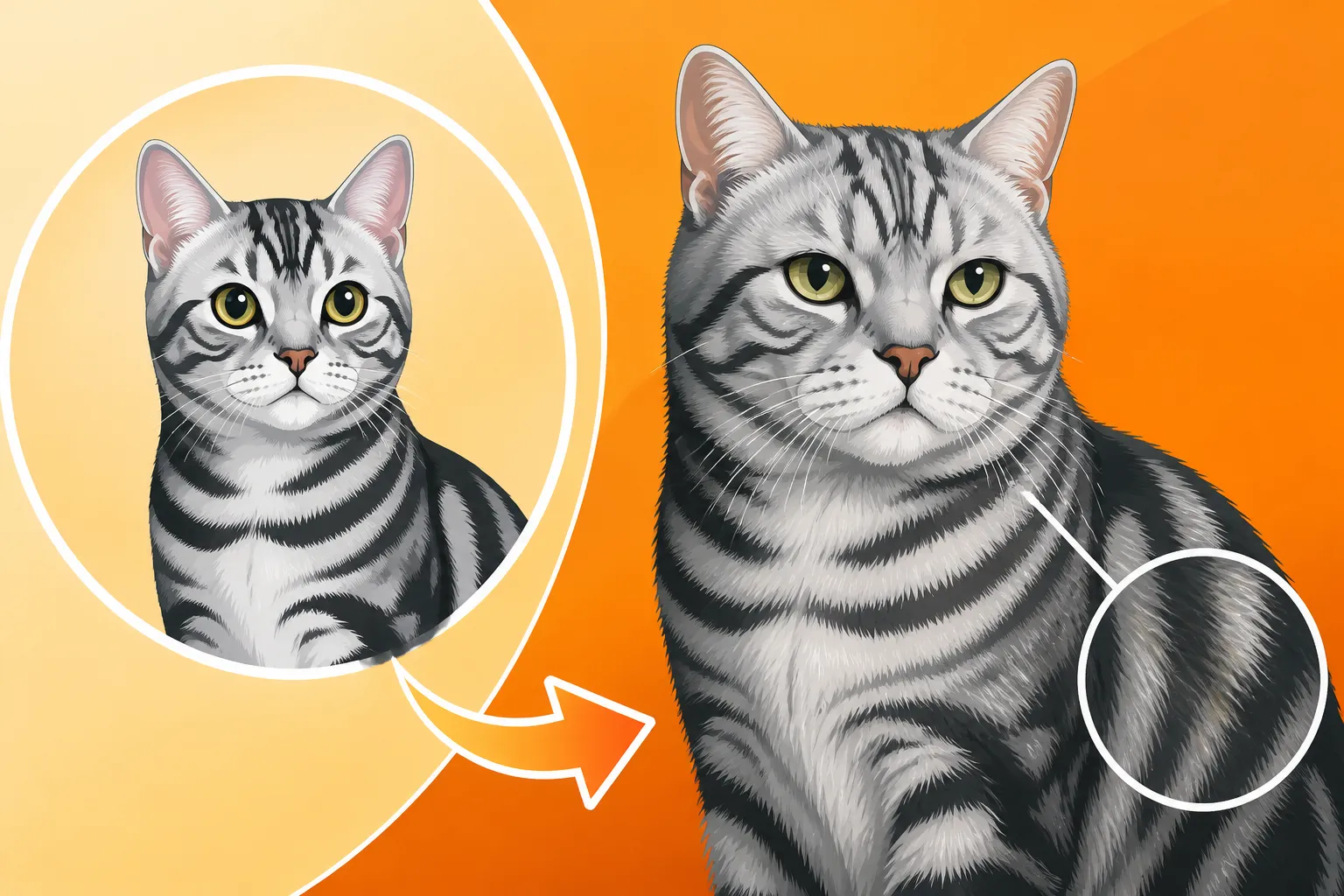
However, as your American Shorthair ages, you might find that this signature coarseness begins to diminish. The individual guard hairs might become slightly softer, less bristly, and the overall feel of the coat can become a bit more yielding to the touch. This isn't usually a cause for alarm; rather, it's a testament to the natural slowdown in the production of the robust keratin that gives their younger coat its characteristic "hard" feel. Think of it like your own hair changing texture as you get older – it's often a natural, physiological shift.
This change is largely due to the hair follicles becoming less active and producing hair with a slightly different structure. While it might feel different to you, and perhaps a little less like the "iron cat" coat you're used to, it’s generally nothing to worry about unless it's accompanied by other symptoms. It's simply a natural part of What Changes in an Aging American Shorthair's Coat.
Thinning Patches or Overall Reduced Density
Beyond texture, density is another aspect of your American Shorthair's coat that often changes with age. You might start to observe a general thinning of the fur across their body, or even notice specific areas where the coat seems a bit sparser than before.
This reduced density can manifest as a subtle decrease in the overall thickness of their fur, making it appear less lush and full. Sometimes, you might see more pronounced thinning around areas like the flanks, belly, or the insides of their hind legs. It's important to differentiate this general, symmetrical thinning from localized patches of hair loss, which can be indicative of other issues. The widespread thinning is often a result of hair follicles having shorter growth cycles and the hair itself being finer and less robust.
For American Shorthairs, whose coats were originally designed for protection and warmth in varying climates, this reduced density can have practical implications. While many senior American Shorthairs live entirely indoors these days, a thinner coat can mean they are slightly more susceptible to feeling chills. If your senior cat has historically enjoyed outdoor access, or if your home is kept on the cooler side, you might notice them seeking out warmer spots more frequently. This highlights why it’s important to consider their comfort, especially as Whether an American Shorthair Can Live Outdoors Year Round becomes less advisable in old age due to their vulnerability.
Color Changes and Fading Patterns
Just like human hair, a cat's fur color can evolve over time. For American Shorthairs, with their often striking tabby patterns and diverse colorations, these shifts can be quite noticeable and a clear marker of their journey into their senior years.
Graying and Whitening Around the Muzzle
This is perhaps one of the most classic and universally recognized signs of aging in many animals, and our American Shorthairs are no exception. You'll often spot it first around their muzzle, chin, and sometimes above their eyebrows. What was once a solid color or a sharp contrast in their tabby markings might now be softened by a scattering of white or silver hairs.
This phenomenon is essentially the same as graying hair in humans. It occurs because the melanocytes – the cells responsible for producing melanin, the pigment that gives hair its color – become less active or stop producing pigment altogether. As new hairs grow, they emerge without color, leading to the familiar salt-and-pepper or fully white appearance. It’s a purely cosmetic change, a beautiful badge of wisdom and years lived. Your cat isn't in pain, and it doesn't impact their health in any way, but it certainly reminds you how much time has passed since they were a playful kitten.
Observing this graying can be a poignant moment for owners, a gentle reminder of the long and loving relationship you've shared. It's a natural part of their life cycle, marking their transition into a distinguished senior.
Fading or Dullness in Tabby Patterns
American Shorthairs are renowned for their crisp, clear tabby patterns, especially the iconic silver tabby with its bold markings. But as they age, even these distinctive patterns can undergo a transformation, becoming less sharp and vibrant.
You might notice that the rich, deep tones of a brown tabby become a bit muted, or the intricate swirls of a classic tabby lose some of their stark contrast. The vibrant silver often seen in younger American Shorthairs might appear less brilliant, taking on a slightly duller hue. This fading is a combination of factors: the natural reduction in melanin production discussed earlier, which can subtly lighten the base coat colors, and environmental factors. For instance, prolonged sun exposure, even for indoor cats who enjoy sunbathing by a window, can cause some degree of bleaching over many years, as detailed in discussions about Whether Sun Bleaches an American Shorthair's Tabby.
However, a dull or lackluster coat that isn't just about natural fading can also be a red flag. If your cat's coat suddenly appears unusually dull, greasy, or dry and flaky, and lacks its former sheen, it could indicate an underlying health issue or a nutritional deficiency. As cats age, their dietary needs change, and ensuring they receive a balanced diet specifically formulated for senior cats can make a significant difference to their coat health. Tailored fresh food options can be beneficial for maintaining skin and coat vitality by providing high-quality nutrients, if that's a direction you're exploring with your vet. Always remember to consult with your veterinarian if you're concerned about sudden or pronounced changes in their coat's vibrancy, as it could be a clue to their overall health.
Grooming Challenges for Senior American Shorthairs
One of the most significant impacts of aging on your American Shorthair's coat health isn't just the changes in the fur itself, but the increasing difficulty they face in maintaining it. What once was a meticulous daily ritual can become a strenuous chore, leading to a host of new grooming needs.
Reduced Flexibility and Mobility
As our feline companions grow older, they often experience the aches and stiffness that come with advancing age. Arthritis, a common condition in senior cats, can make even simple movements painful. This loss of flexibility and reduced range of motion directly impacts their ability to self-groom effectively. Imagine trying to twist your body into awkward positions to reach your lower back or the base of your tail when your joints are stiff and sore. That's precisely what many senior American Shorthairs contend with daily. You might notice them struggling to reach certain areas, particularly their lower back, hindquarters, and tail, which were once easily accessible.
This difficulty in reaching can lead to matted fur, especially in dense areas, and a greasy or flaky appearance in the spots they can no longer properly clean. They might also spend less time grooming overall, either because it's too painful, too tiring, or simply beyond their physical capabilities. If you've ever seen your senior cat hesitate before jumping onto a favorite perch or notice them moving a little slower, you're observing the same physical limitations that affect their grooming. If you're wondering how to spot these changes, articles like How an Old American Shorthair Shows Its Joints Hurt offer valuable insights into identifying signs of joint pain.
These grooming struggles aren't just cosmetic; they can lead to skin irritations, infections, and discomfort. It's a clear sign that your senior American Shorthair now needs your direct help to maintain their coat and overall hygiene.
Weight Gain and Its Impact on Grooming
Another common challenge in senior American Shorthairs is weight gain. Their metabolism slows down, activity levels often decrease, and their natural robust appetite (a legacy from their working cat ancestors) can persist even when their energy needs are much lower. This combination frequently leads to them putting on extra pounds. While a bit of chub might seem endearing, obesity significantly compounds the mobility issues already experienced by aging cats.
An overweight American Shorthair will find it even harder to bend and twist to groom their entire body. Their rounder belly and broader hips create physical barriers, making areas like their lower back and tail base virtually impossible to reach. This can lead to severe matting in these regions, which can pull on the skin and be quite painful. It also creates a breeding ground for skin infections and parasites if overlooked. It’s a vicious cycle: weight gain leads to poor grooming, which exacerbates skin problems, further diminishing their comfort and mobility.
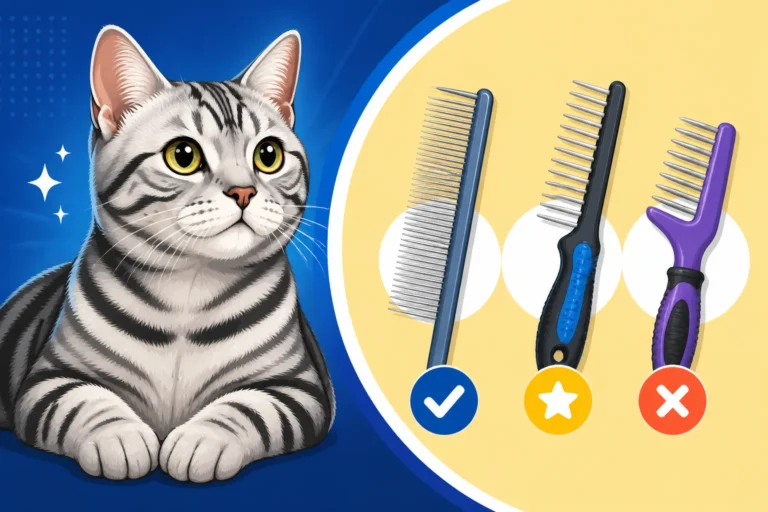
This is a critical area where owner intervention becomes absolutely necessary. You might be tracking your cat's weight, but perhaps not fully realizing the impact it has beyond their internal health. Understanding Why an Overweight American Shorthair Cannot Reach Its Back can really highlight why daily assistance is no longer a luxury, but a vital part of their care. Regular brushing, even if it's just a few minutes a day, can prevent mats, stimulate circulation, and provide you with an opportunity to check their skin for any issues. You can find a wide range of suitable brushes and combs on Amazon or Chewy designed for cats with dense, short coats.
Underlying Health Issues Reflected in the Coat
While some coat changes are a natural part of aging, others can serve as crucial indicators of underlying health problems. As cat owners, it's vital to become attuned to these subtle messages, as early detection can make a significant difference in managing or treating conditions.
Dull, Greasy, or Flaky Coat
If your senior American Shorthair's coat suddenly loses its usual luster and takes on a dull, greasy, or excessively flaky appearance, it's more than just a bad hair day. These changes are often among the first visible signs that something isn't quite right internally. A coat that feels oily or looks clumpy could indicate that their skin's oil glands are overproducing, or that they simply aren't able to groom away excess oils. Conversely, a coat with excessive dandruff or flakiness points to dry, irritated skin, which could stem from dehydration or nutritional imbalances.
These noticeable shifts can be linked to several common senior cat ailments. For instance, kidney disease, which often creeps up silently on older cats, can manifest in a poor coat quality. How Kidney Disease Creeps Up on an Old American Shorthair details how the body's inability to properly filter toxins can impact skin and coat health. Similarly, diabetes can lead to a dull, unkempt coat due to metabolic disruptions and dehydration. Hyperthyroidism, a condition where the thyroid gland produces too much hormone, often results in a greasy, matted, or excessively shedding coat, as explained in Why Hyperthyroidism Catches a Long Lived American Shorthair. A cat with hyperthyroidism might groom more, but the underlying skin issues can make their efforts futile.
If you observe these kinds of changes, especially if they are sudden or pronounced, it's absolutely crucial to schedule a vet visit promptly. Your veterinarian can perform diagnostic tests to pinpoint the cause and recommend appropriate treatment, which will not only address the underlying health issue but often restore your cat's coat to a healthier state.
Excessive Shedding or Hair Loss (Alopecia)
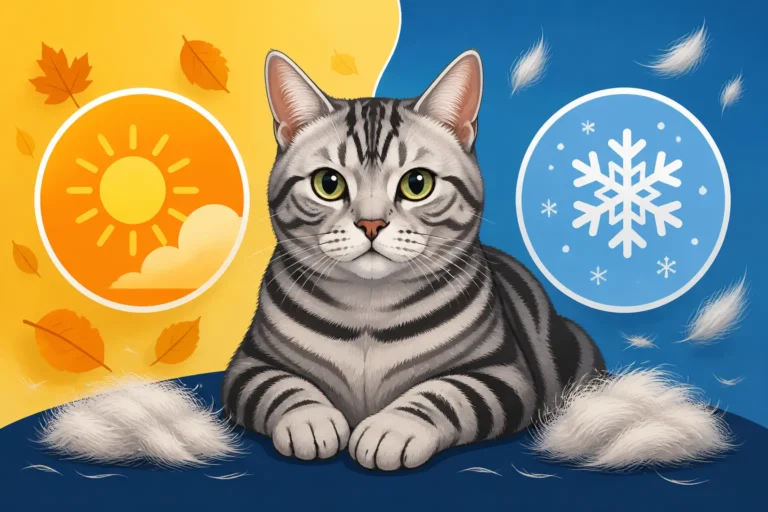
While American Shorthairs do shed seasonally, particularly in spring and fall as their coat adapts to temperature changes, persistent or excessive hair loss outside of these periods, or in specific localized patches, is a definite cause for concern. This isn't just the natural thinning of age; this is true alopecia, or hair loss.
Causes for excessive shedding or alopecia can be varied. Parasites, even in strictly indoor cats, can lead to itchy skin and subsequent hair loss from over-grooming. Allergies, whether environmental or food-related, can also cause intense itching, leading your cat to lick or chew at their fur until bald spots appear. Stress, too, can sometimes manifest as excessive grooming and hair loss in sensitive felines. However, more serious underlying medical conditions must also be considered. Hormonal imbalances, such as those associated with thyroid issues or Cushing's disease, can directly impact hair follicle health and lead to shedding. Nutritional deficiencies, especially lacking essential fatty acids or proteins, can also compromise coat integrity. Even internal parasites can sometimes contribute to a dull coat and shedding, making regular deworming important, especially if your cat has ever had outdoor access. Which Parasites an Outdoor American Shorthair Picks Up provides more detail on this often-overlooked aspect.
It's vital not to simply attribute significant hair loss to "just old age." A thorough veterinary examination, including blood tests and potentially skin scrapings, can help identify the root cause. Treating the underlying issue, whether it's a parasite infestation, an allergy, or a more complex medical condition, is key to helping your American Shorthair regain a healthy coat and improve their overall well-being.
Essential Grooming and Nutritional Support for Senior Coats
As your American Shorthair ages, their ability to maintain their pristine coat diminishes, making your role as their primary groomer and nutritionist more vital than ever. Proactive care in these areas can prevent discomfort and reflect positively on their overall health.
Gentle, Regular Grooming Sessions
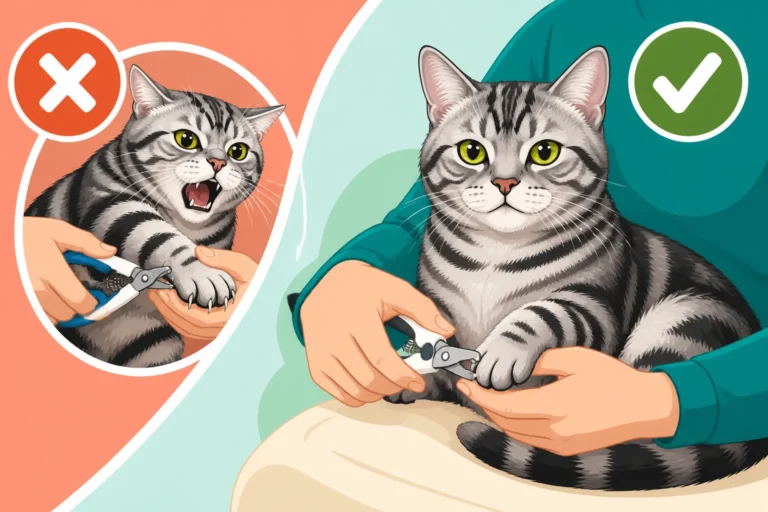
One of the most impactful ways you can support your senior American Shorthair is by integrating gentle, regular grooming into your daily routine. What used to be a quick pass-through might now need to be a more deliberate, soothing session. Daily brushing, even for just a few minutes, helps immensely. It removes loose hair that your cat can no longer effectively shed themselves, preventing uncomfortable mats and reducing the amount of fur they ingest during their own attempts at grooming (which can lead to hairballs). Brushing also stimulates circulation to the skin, distributing natural oils and promoting a healthier coat. When an Old American Shorthair Needs Combing Help isn't just a suggestion, it's often a necessity for their comfort.
Choose soft brushes, like a rubber grooming mitt or a soft-bristle brush, to avoid irritating their potentially thinner, more sensitive skin. Many owners find that grooming gloves, readily available on Chewy or Amazon, are a hit because they feel more like a gentle petting session than a chore. Make it a positive experience with calm words and perhaps a small, healthy treat afterward. During these sessions, take the opportunity to gently feel for any new lumps, bumps, or tender spots on their body. This regular physical check-up is crucial because senior cats can develop various growths, and early detection is always best. How to Check an American Shorthair for Lumps outlines how to conduct these important tactile checks.
Nutritional Adjustments for a Healthy Coat
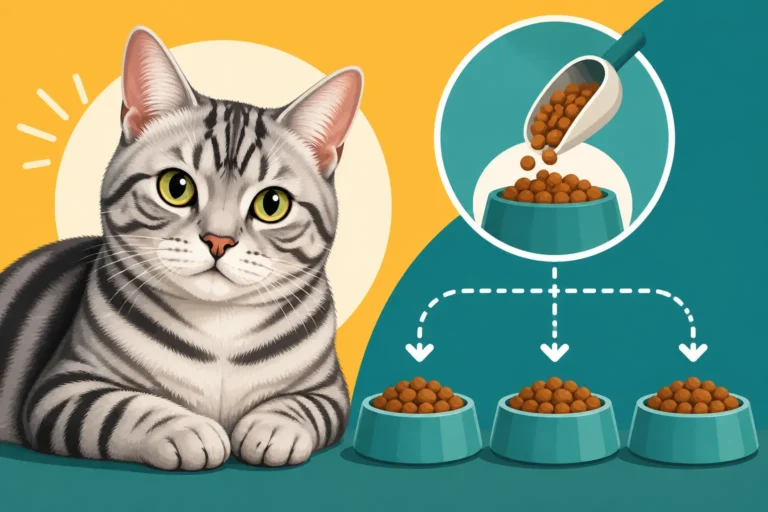
The old adage "you are what you eat" holds particularly true for senior cats and the health of their skin and coat. As they age, their bodies process nutrients differently, and a diet designed for an active adult cat might no longer meet their evolving needs. To support a healthy coat and skin, focus on high-quality senior cat food formulas. These diets often feature a carefully balanced protein content to help combat muscle loss (which can be a concern for strong-bodied American Shorthairs, as explored in Why an Old American Shorthair Loses Muscle First), while managing calorie intake to prevent unhealthy weight gain.
Crucially, look for foods rich in omega-3 and omega-6 fatty acids. These essential fats are paramount for maintaining skin hydration, reducing inflammation, and promoting a lustrous, healthy coat. Many premium senior cat foods, including some that can be customized to your cat's specific needs, prioritize these ingredients. If your cat's diet alone isn't enough, your vet might recommend specific supplements, such as fish oil, to further boost their intake of these beneficial fatty acids. Always consult your veterinarian before introducing any new supplements, as they can advise on appropriate dosages and potential interactions. A well-nourished body from the inside out is the foundation for a vibrant outer appearance, even in their golden years.
Environmental Considerations and Comfort
Beyond direct grooming and nutrition, the environment you provide for your aging American Shorthair plays a significant role in their comfort and how their changing coat affects them. Thoughtful adjustments can make their senior years much more enjoyable.
Maintaining a Comfortable Indoor Environment
As an American Shorthair's coat thins with age, they become more susceptible to temperature fluctuations. That dense, weather-resistant coat that once kept them cozy in cooler climates or during their outdoor adventures isn't quite as insulating anymore. You might notice them seeking out sunbeams or huddling under blankets more frequently. This sensitivity means maintaining a consistent and comfortable indoor temperature is key. Avoid drastic changes in room temperature and ensure their favorite resting spots aren't in drafty areas.
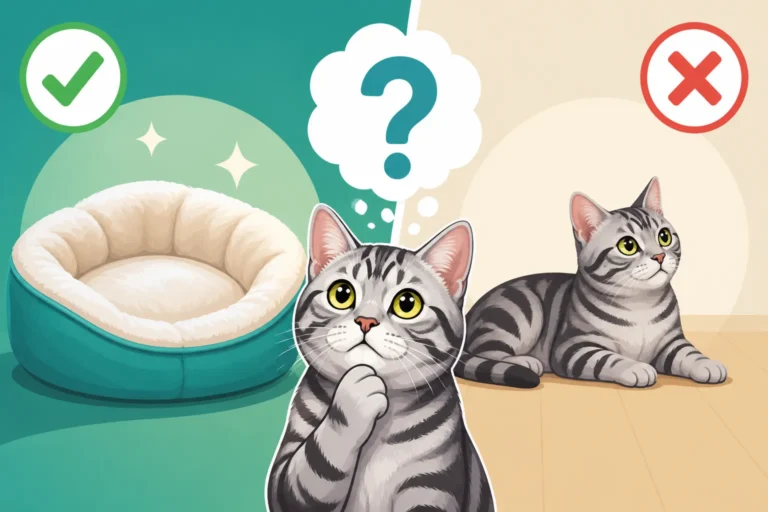
Providing soft, warm, and easily accessible sleeping areas is paramount. Orthopedic beds can offer joint support, which is a bonus for aching senior bodies, and heated beds or blankets can provide extra warmth, especially during colder months. If your cat loves to reach high places, consider providing ramps or steps to their favorite window perches or cat trees. This allows them to continue enjoying their territory without putting strain on their joints, especially if they are already dealing with reduced mobility. Details like Whether an American Shorthair Needs a Warm Bed become much more relevant in their senior years.
Regular Vet Check-ups are Paramount
We've discussed many natural changes and potential red flags, but the single most important action you can take for your aging American Shorthair's coat, and indeed their overall health, is regular veterinary check-ups. While you might observe a dull coat or excessive shedding, only a qualified veterinarian can accurately diagnose the underlying cause.
These routine visits, typically once or twice a year for senior cats, allow your vet to conduct a thorough physical examination, listen to their heart, check their teeth, and often recommend bloodwork or urinalysis. These diagnostics can reveal early signs of conditions like kidney disease, hyperthyroidism, or diabetes – diseases that often manifest with coat changes. Your vet can then tailor a treatment plan, which might include dietary adjustments, medication, or supplements, all of which contribute to improving your cat's health and, by extension, their coat quality. Don't wait for a serious problem to arise; proactive care, as described in Caring for an American Shorthair Past Twelve, is the cornerstone of a healthy and comfortable senior life for your cherished American Shorthair.
Ultimately, your American Shorthair's coat tells a story of their journey through life. By understanding the natural progression of aging and recognizing the signs that warrant professional attention, you can ensure their golden years are as comfortable and healthy as possible.
Summary of Aging American Shorthair Coat Changes
Here's a quick overview of what to expect and what to look out for in your senior American Shorthair's coat:
| Aspect of Coat | Normal Aging Change | Potential Red Flag (Consult Vet) |
|---|---|---|
| Texture | Slightly softer, less coarse | Extremely brittle or straw-like |
| Density | General thinning, less full | Localized bald patches, rapid thinning |
| Color | Graying around muzzle/brows, subtle pattern fading | Sudden, widespread dullness or discoloration |
| Grooming | Reduced self-grooming due to mobility | Matted fur, greasy patches, skin irritation/sores |
| Overall Health | Normal sheen, no flakes | Greasy, flaky, oily, excessive dandruff |
| Shedding | Normal seasonal shedding, minor increase | Excessive, persistent shedding, areas of hair loss |
Disclaimer
This article is for general informational purposes only and does not constitute professional advice. Laws, prices and regulations vary by location and change over time. Consult a qualified professional for guidance on your specific situation.