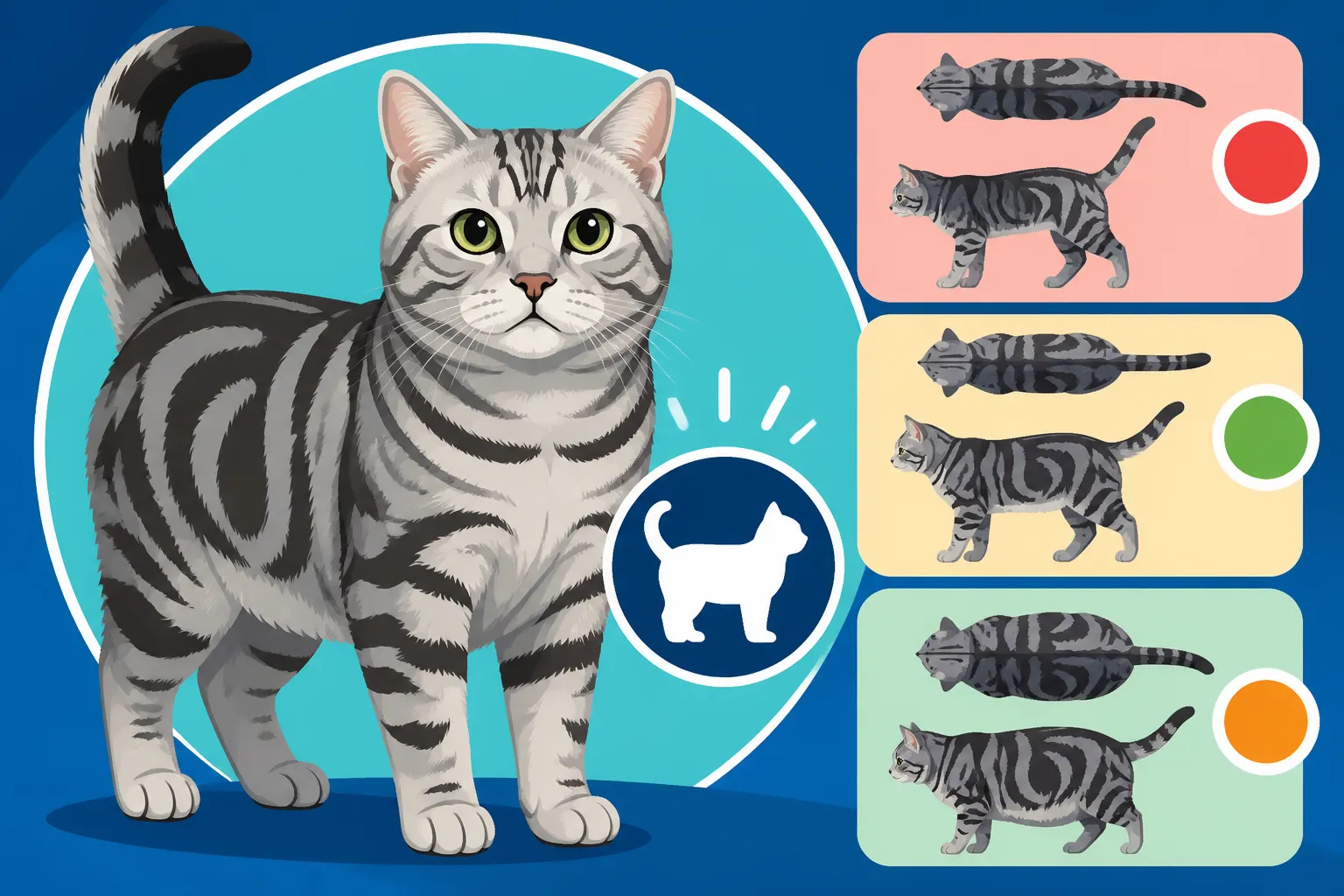
How to Score a Square Built American Shorthair’s Body Condition
It can be surprisingly tricky to tell if your beloved American Shorthair is at their ideal weight. Their naturally muscular, sturdy build often hides those subtle changes in body condition that would be obvious on a more svelte breed, leaving many owners guessing. This guide is here to take the guesswork out of it, walking you through a simple, hands-on method to accurately assess your American Shorthair's body condition so you can keep them healthy and happy for years to come.
Understanding the American Shorthair's Unique Physique
Let's face it, the American Shorthair isn't built like a delicate supermodel of the cat world. They're a picture of strength and endurance, bred for a working life that required a solid, capable body. This incredible heritage gives them their iconic "square" build, but it also means that what looks like a healthy cat from a distance might actually be hiding some concerning weight fluctuations.
Why Their "Square" Build Makes Assessment Tricky
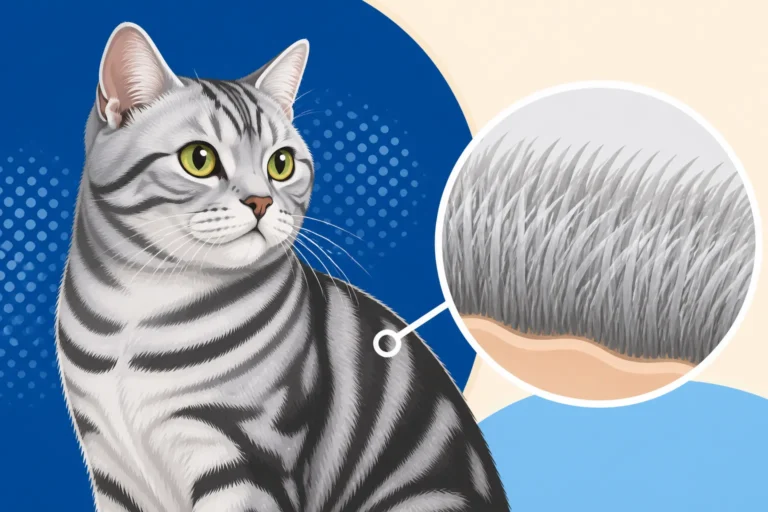
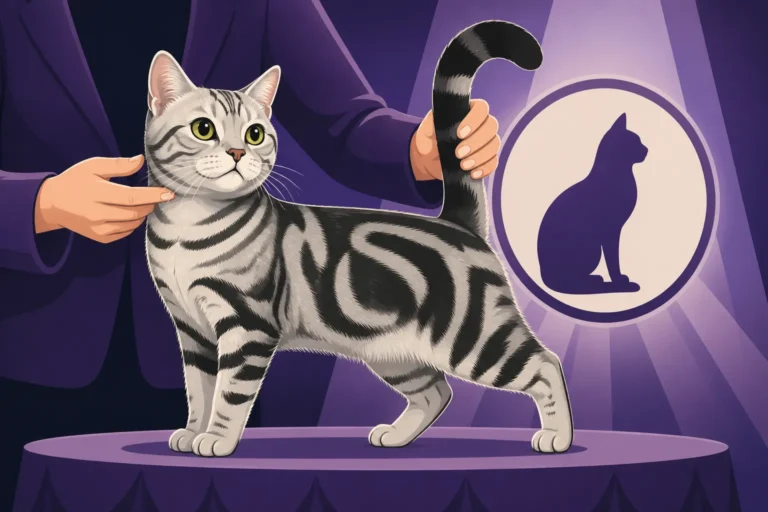
The breed standard for an American Shorthair calls for a broad chest, muscular legs, and an overall sturdy, powerful frame. They're not supposed to be sleek and lithe like a Siamese, nor are they a fluffy cloud like a Persian that might mask their shape in a different way. Their dense bone structure and well-developed musculature mean they naturally carry more weight and have a less defined waistline than many other breeds.
This can be incredibly frustrating for us owners. When you look at them, you might think, "Well, they've always been big-boned!" or "I can't really see their ribs, but they're so muscular." It's easy to dismiss a bit of extra padding as just being "stocky" or part of their breed type. But under all that magnificent muscle, there should still be a discernable shape, and a layer of fat that's just right – not too much, not too little. A quick visual check simply isn't enough, which is why a hands-on approach is so crucial for these robust felines.
The Dangers of Underestimating or Overlooking Weight Changes
Ignoring those subtle shifts in your American Shorthair's body condition can lead to significant health problems down the road. If your cat is slowly gaining weight, what seems like a harmless extra pound or two can accumulate into serious obesity. This puts immense strain on their joints, exacerbates conditions like arthritis, and drastically increases their risk for serious issues such as diabetes and heart disease. Imagine trying to navigate your day carrying an extra backpack full of bricks – that's what excessive weight does to your cat's frame and internal organs.
Conversely, a cat that's becoming underweight might be doing so for a variety of reasons, some of them quite serious. It could signal an underlying illness, a dental issue making eating painful, or even insufficient nutrition. Early detection of both weight gain and weight loss is absolutely crucial for proactive care and ensuring your American Shorthair enjoys a long, vibrant life. Catching these changes early means you and your vet can intervene before a minor issue becomes a major crisis. This early intervention can make a real difference, as even moderate excess weight can How Many Years Extra Weight Takes Off the American Shorthair's Lifespan.
The Hands-On Approach to Body Condition Scoring
Since a visual check alone isn't enough for our sturdy American Shorthair friends, we need to get tactile. The secret lies in feeling your cat, rather than just looking at them. This hands-on assessment allows you to get past their dense musculature and thick coat to determine the amount of fat cover over their bones.
The Three Key Areas to Feel Not Just See
When you're assessing your American Shorthair, you'll want to gently but firmly feel three main areas: their ribs, their waist, and their spine and hip bones. Think of it as mapping their skeletal structure and then checking how much padding is on top.
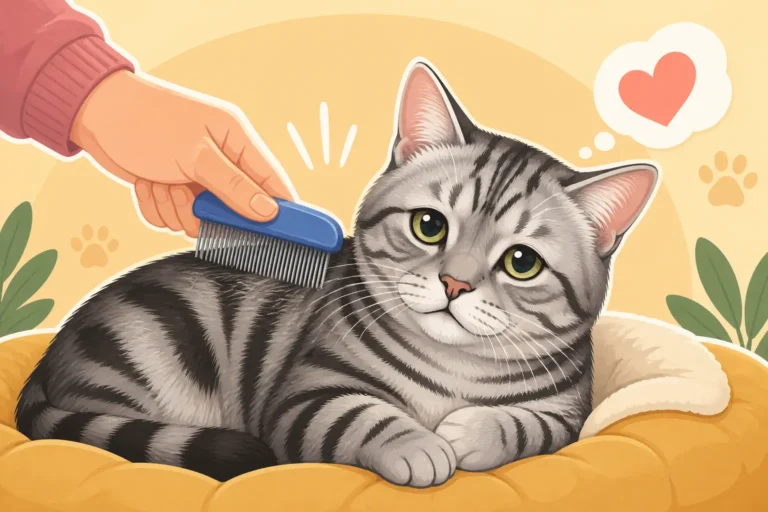
First, let's talk about the ribs. To feel for your cat's ribs, place both of your palms flat against their side, just behind their front legs. Apply a gentle, consistent pressure, much like you would if you were feeling the knuckles on your own hand. What you're looking for is to feel each individual rib bone with minimal pressure. If it feels like running your hand over your knuckles with a thin layer of skin over them, that's generally ideal. If the ribs are visibly prominent and feel sharp with no fat covering them, your cat is likely too thin. On the other hand, if you have to press quite hard to discern the individual ribs, and it feels more like pressing on the palm of your hand where the bones are deeply buried, then your American Shorthair is likely carrying too much weight. This is often the first place to How to Spot Weight Gain on a Square Built American Shorthair.
Next, move to the waist. This is best assessed by looking at your cat from above and feeling their sides. As your cat stands, look down at their body. Do you see a gentle inward curve behind their rib cage, before their hips? For an American Shorthair, this tuck won't be as dramatic as in some other breeds, but it should still be present. Then, run your hands along their sides, from their ribs towards their tail. You should be able to feel a slight narrowing. If their body goes straight back, or even bulges out, after their ribs, then they probably don't have an ideal waistline.
Finally, we have the spine and hip bones. Gently run your fingers along your cat's spine, from their shoulders all the way to their tail. You should be able to feel the individual bumps of the vertebrae without them feeling sharp or protruding. There should be a slight layer of muscle and fat over them. Similarly, feel the bony prominences of their hips. They should be palpable, but not stick out or feel sharply defined. If your cat's spine feels like a washboard or their hip bones are very easy to grasp, they might be underweight. If you can't feel the spine easily or their hips are completely covered by a rounded layer of flesh, then they're likely overweight.
The 1-5 Body Condition Score BCS System
Veterinarians often use a Body Condition Score (BCS) system to standardize assessment, typically on a 1-5 or 1-9 scale. For simplicity and consistency, we’ll focus on the 5-point scale, where 3 is considered ideal. This system helps you quantify what you're feeling and track changes over time.
Here's a breakdown of what each score means for an American Shorthair:
-
BCS 1: Emaciated
- Feel: Ribs, spine, and hip bones are extremely prominent and easily visible, even at a distance. No discernible fat or muscle mass. The waist is severely tucked.
- Visual: Sunken abdomen, bony protrusions everywhere.
- Action: Immediate veterinary attention is required. This indicates severe malnutrition or serious underlying illness.
-
BCS 2: Underweight
- Feel: Ribs are easily felt with minimal fat cover. Spine and hip bones are easily palpable, possibly visible. A noticeable waist and abdominal tuck are present.
- Visual: Clearly lean, with visible abdominal tuck.
- Action: Monitor closely and discuss diet with your vet to ensure adequate calorie and nutrient intake. Could indicate a minor health issue or insufficient food.
-
BCS 3: Ideal
- Feel: Ribs are easily palpable with a slight covering of fat, feeling like running your hand over knuckles with a thin blanket. A distinct waist is visible from above, and an abdominal tuck is present from the side. Spine and hip bones are palpable but not prominent.
- Visual: Well-proportioned, muscular.
- Action: This is the target! Maintain current diet and exercise.
-
BCS 4: Overweight
- Feel: Ribs are difficult to feel due to a moderate to thick fat covering. The waist is barely discernible or absent when viewed from above. Little to no abdominal tuck. Fat deposits may be present over the spine and at the base of the tail.
- Visual: Rounded appearance, lack of waist. What Extra Weight Does to an American Shorthair's Working Frame
- Action: Implement portion control and increase activity. Discuss a weight management plan with your vet to prevent further gain.
-
BCS 5: Obese
- Feel: Ribs are very difficult or impossible to feel due to extensive fat covering. No waist or abdominal tuck. Heavy fat deposits are obvious over the spine, at the base of the tail, and often around the neck and limbs. A pendulous abdomen may be present.
- Visual: Distinctly rounded, heavy appearance.
- Action: Urgent veterinary intervention for a comprehensive weight loss program is essential to mitigate serious health risks.
Here's a handy table to summarize the key points:
| BCS Score | Ribs | Waist (from above) | Abdominal Tuck (from side) | Spine & Hips | Overall Appearance (American Shorthair) |
|---|---|---|---|---|---|
| 1 (Emaciated) | Easily visible, no fat, sharp | Severely tucked, hourglass | Pronounced, sunken | Prominent, visible, no muscle/fat | Bony, starved, unhealthy |
| 2 (Underweight) | Easily palpable with minimal fat | Obvious, distinct | Clearly visible | Easily palpable, minimal fat | Lean, slight muscle definition |
| 3 (Ideal) | Easily palpable with slight fat | Distinct, gentle curve | Present, defined | Palpable with slight fat, not prominent | Well-proportioned, muscular |
| 4 (Overweight) | Difficult to feel with moderate fat | Barely discernible or absent | Little to none | Palpable with difficulty, rounded by fat | Rounded, lack of definition |
| 5 (Obese) | Very difficult/impossible due to thick fat | Absent, bulging, wide | Absent, pendulous | Deeply embedded in fat, not palpable easily | Very rounded, heavy, large abdomen |
Applying BCS to Your American Shorthair
Now that you understand the theory, let's put it into practice. This isn't a one-time thing; regular assessment is key to staying on top of your American Shorthair's health.
Step-by-Step Guide to Scoring Your Cat
- Find a Calm Moment: Choose a time when your cat is relaxed and receptive to being handled. A quiet petting session on the couch or just before mealtime can be ideal.
- Use Both Hands: Gently place both hands on your cat's sides, starting just behind their front legs.
- Feel the Ribs: Using your fingertips, gently feel for their ribs. You should be able to feel each individual rib with minimal pressure. Think of it like feeling the knuckles on your closed fist – if it feels too bony (back of the hand) or too padded (palm of the hand), adjust your feeding plan.
- Assess the Waist: Look down at your cat from above. Behind their rib cage, does their body narrow slightly, forming a "waist"? Even for a broad-chested American Shorthair, there should be some definition. Then, run your hands along their flanks towards their hips to feel for this tuck.
- Check the Spine and Hip Bones: Gently run your fingers along their spine. You should feel the individual bumps of the vertebrae without them feeling sharp or overly prominent. Next, feel for their hip bones – they should be palpable but not jutting out.
- Record Your Observations: Make a mental note, or better yet, jot down your findings. Which BCS score do they seem to fit best?
- Repeat Regularly: Aim to perform this check at least once a month. Consistency will help you notice even subtle changes.
Remember, the goal is not to become obsessed with a number, but to gain an understanding of what your cat's healthy weight feels like. Over time, you'll become more adept at this, almost intuitively knowing if something is off.
When to Seek Veterinary Advice
While you're becoming a pro at body condition scoring, your veterinarian is your ultimate partner in your cat's health journey. Don't hesitate to seek their advice if you notice any of the following:
- Significant Change in Score: If your American Shorthair's BCS suddenly jumps up or down by a full point or more, it's time for a vet visit. Rapid changes, especially unexplained weight loss, can be a red flag.
- Difficulty Feeling Ribs (or Too Prominent): If you're really struggling to feel their ribs through a thick layer of fat, or conversely, if their ribs feel incredibly sharp and visible, your vet needs to step in.
- Accompanying Symptoms: Any weight change, whether gain or loss, coupled with other symptoms like changes in appetite, thirst, energy levels, vomiting, diarrhea, or a Why a Withdrawn American Shorthair Should See a Vet, warrants immediate veterinary attention. These could be signs of underlying health issues.
- Establishing a Baseline: It's a great idea to have your vet perform a BCS assessment during routine check-ups, especially for kittens or newly adopted cats. This establishes a professional baseline, providing an objective starting point for your own monitoring. A good breeder will also provide health paperwork, which may indirectly give you an idea of the parents' robust health, like What an American Shorthair Breeder's Echo Paperwork Should Say.
- Weight Management Plan: If your American Shorthair consistently scores a 4 or 5, or a 1 or 2, your vet can create a tailored weight loss or gain plan. This might involve special dietary recommendations or investigations into underlying medical causes. For instance, your vet can help with How a Vet Builds an American Shorthair's Weight Loss Plan.
Tools and Tips for Accurate Assessment and Management
To make your body condition scoring as accurate and effective as possible, consider these additional tools and tips:
- Weighing Scales: While BCS is qualitative, quantitative data from a pet-specific scale can be incredibly helpful. Regular weighing at home (weekly or bi-weekly) can give you concrete numbers to track alongside your BCS observations. You can find reliable pet scales on sites like Amazon or Chewy, making it easy to monitor their progress.
- Consistency is Key: Try to have the same person perform the BCS assessment using the same method each time. This reduces variability and makes your observations more reliable.
- Photography: Taking regular side and top-view photos of your American Shorthair can provide a powerful visual record. Sometimes, a photograph taken a few months apart can highlight changes you might not notice day-to-day.
- Dietary Tracking: Keep a log of what your cat eats daily, including treats. This helps you understand their caloric intake and identify areas for adjustment if their BCS is shifting. Remember, How Many Calories a Working Framed American Shorthair Needs a Day can vary significantly.
- They take the guesswork out of how much to feed, which is often a big challenge when trying to maintain an ideal BCS, especially when you consider Why a Bowl Left Down Ruins an American Shorthair.
Maintaining an Ideal Body Condition
Achieving an ideal body condition is one thing; maintaining it for your American Shorthair's entire life is an ongoing commitment. It’s a balance of proper nutrition, adequate exercise, and regular monitoring.
The Role of Diet and Portion Control
The foundation of an ideal body condition for any cat, especially a muscular American Shorthair, is a high-quality, species-appropriate diet. Look for foods with high protein content from animal sources, as this supports their muscle mass. However, even the best food in the world can lead to weight gain if overfed. Precision in portioning is paramount.
Don't just fill the bowl. Measure out your cat's food based on their ideal weight and activity level, consulting your veterinarian or the food's guidelines. For an American Shorthair, who once worked tirelessly for their meals, their appetite often outlasts their current energy expenditure, so free-feeding can quickly lead to excess weight. Consider incorporating more wet food into their diet. Wet food has a higher moisture content, which can help your cat feel fuller on fewer calories and also contributes to better hydration, a double win for their waistline and overall health. How Wet Food Helps an American Shorthair's Waistline.
Encouraging Activity and Play
An American Shorthair’s ancestors were active hunters, and that instinct is still very much alive, even in the most pampered housecat. This natural hunting drive is a fantastic tool for maintaining their weight and mental stimulation.
Engage your cat in regular, interactive play sessions. Wand toys, feather teasers, and toys that mimic prey can channel their inner hunter. The key is to allow them to go through the entire hunting sequence: stalk, chase, pounce, and catch. Ending a play session with a successful "kill" (the toy) satisfies their instinct far more than a frustrating laser pointer. Puzzle feeders, which require your cat to "work" for their food, are also excellent for slowing down eating and providing mental enrichment. Play That Finishes the Hunting Sequence for an American Shorthair is not just fun, it’s essential for their physical and mental well-being. Using puzzle feeders, like those available on Amazon or Chewy, can truly make a difference, and Whether a Puzzle Feeder Satisfies an American Shorthair in terms of their hunting drive is often a resounding yes! Aim for multiple short play sessions throughout the day, ensuring your cat gets enough How Many Hunts a Day an Indoor American Shorthair Needs to keep them trim and engaged.
Long-Term Monitoring and Adjustments
Maintaining an ideal body condition is a marathon, not a sprint. Your American Shorthair's needs will change as they age, and your approach to their care must adapt accordingly.
Continue those monthly BCS checks and regular weigh-ins. As your cat enters their senior years, their metabolism will naturally slow down, and their activity levels might decrease. This means their caloric needs will likely reduce, and you'll need to adjust their food portions to prevent gradual weight gain. Conversely, some older cats may experience muscle loss or health issues that lead to unwanted weight loss, requiring dietary adjustments to maintain their muscle mass and overall health. Regular veterinary check-ups are even more crucial for older cats. Your vet can monitor blood work and provide guidance on age-appropriate diets and exercise. These How Regularly a Healthy American Shorthair Still Needs Checking visits are vital for catching subtle changes before they become serious problems, ensuring your American Shorthair continues to thrive well into their golden years. Caring for an American Shorthair Past Twelve requires vigilance and adaptability, and maintaining an ideal body condition is a huge part of that.
Disclaimer
This article is for general informational purposes only and does not constitute professional advice. Laws, prices and regulations vary by location and change over time. Consult a qualified professional for guidance on your specific situation.