Whether a Solitary American Shorthair Wants Another Cat
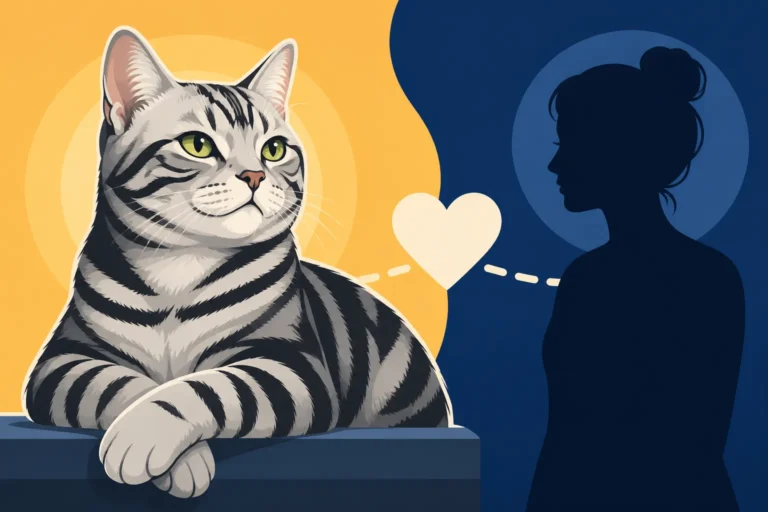
It's a question many American Shorthair owners ponder: Is my seemingly independent cat truly happy alone, or are they secretly longing for a companion? While American Shorthairs are renowned for their self-sufficiency, understanding their individual needs and the nuances of their personality is key to deciding whether another cat would enrich their life or cause more stress. This guide will delve into the American Shorthair's unique temperament, the signs to look for, and how to approach the idea of adding a new feline friend.
Understanding the American Shorthair's Independent Nature
When you look at your American Shorthair, you might see a calm, self-possessed creature who seems perfectly content to patrol their territory, nap in sunbeams, and interact with you on their own terms. This isn't an act; it's deeply ingrained in their breed's history and genetic makeup.
The Legacy of a Solitary Hunter
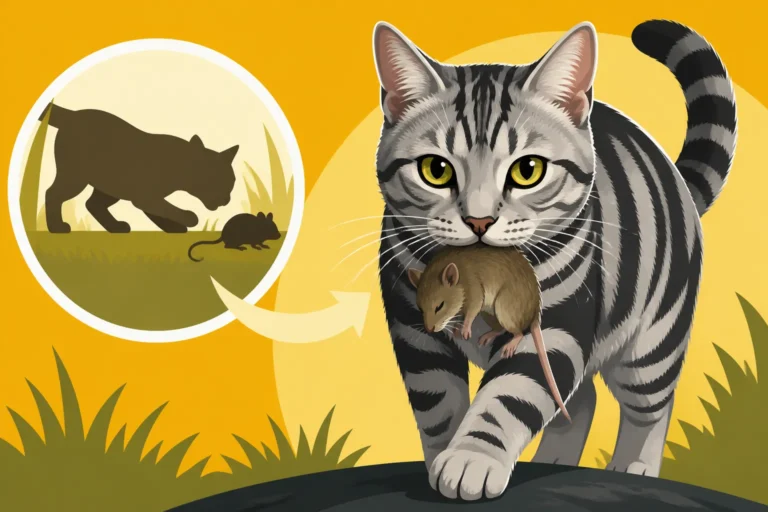
The American Shorthair's ancestors weren't bred to be lap cats or constant companions in the way some other breeds were. They were working cats, primarily brought to North America on ships to manage rodent populations. Their survival depended on their ability to hunt, strategize, and protect their territory, often in solitude or with minimal social interaction. They learned to be self-reliant, observing their surroundings with a keen, calculating eye rather than seeking constant reassurance from others. This historical role meant they had to be tough, resourceful, and capable of operating independently for long stretches.
Think about a barn cat or a ship's cat: their value came from their effectiveness as a predator, not their cuddliness. They might tolerate other cats in a shared space, particularly if resources were plentiful, but deep social bonding wasn't a prerequisite for their survival or success. This legacy manifests in the modern American Shorthair as a cat that is often calm, undemanding, and quite content in its own company. They're not aloof, but their affection is often expressed subtly and on their own terms, such as sitting quietly beside you rather than clamoring for attention. Why an American Shorthair Was Never Bred to Need You is a great resource if you want to understand more about this. This self-reliance means they typically cope very well with a quiet household, and a solitary existence isn't necessarily a hardship for them.
Signs of Contentment Versus Loneliness
Observing your American Shorthair is crucial in determining if they might benefit from a companion. A truly content American Shorthair will exhibit a range of positive behaviors. They might spend their day alternating between naps, watching the world outside a window (which, for them, is a prime hunting post), and engaging in independent play with toys. They greet you calmly when you return home, perhaps with a soft head-bonk or a gentle rub against your legs, then settle back into their routine. They'll have a healthy appetite, use their litter box consistently, and generally appear relaxed in their environment. How Undemanding an American Shorthair Really Is highlights many of these traits.
However, signs of loneliness or boredom can sometimes be subtle, especially in a breed known for its stoicism. If your American Shorthair is exhibiting destructive behaviors, like scratching furniture more than usual (despite having appropriate scratching posts), or if they seem excessively clingy, following you from room to room with an almost anxious air, it could be a sign. Over-grooming to the point of bald patches, a sudden decrease in appetite, or lethargy might also indicate stress or a lack of mental and physical stimulation. Some cats might also become overly vocal, which is unusual for this quiet breed. It's important to rule out any underlying medical issues with a vet visit first, but if physical health is clear, then environmental enrichment or a companion might be worth considering.
Here’s a quick comparison of behaviors:
| Behavior Category | Signs of Contentment | Signs of Potential Loneliness/Boredom |
|---|---|---|
| Interaction with Owner | Calm greetings, occasional cuddles on own terms, comfortable being in same room without constant attention. | Excessive clinginess, following you constantly, demanding attention with insistent meows. |
| Activity Level | Balanced naps and bursts of play, window watching, self-directed exploration. | Lethargy, excessive sleeping, or frantic, destructive play. |
| Appetite & Grooming | Consistent eating habits, regular self-grooming. | Sudden changes in appetite (overeating or undereating), over-grooming leading to skin irritation or bald spots. |
| Litter Box Use | Consistent and appropriate use of litter box. | Inappropriate urination or defecation outside the litter box. |
| Vocalization | Generally quiet, soft meows or chirps for communication. | Increased, insistent, or unusual vocalizations. |
| Interest in Environment | Engaged with surroundings, enjoys toys, curious about new things. | Apathy towards toys, staring blankly, seems disengaged. |
Factors Influencing the Desire for a Companion
Deciding whether your American Shorthair might enjoy another cat isn't just about their breed; it's deeply personal to your cat. Every feline is an individual, and their past experiences, current environment, and specific temperament play huge roles.
Age and Socialization History
A younger American Shorthair, particularly one who was raised in a multi-cat household as a kitten, might be more amenable to a companion. Kittens learn crucial social skills from their littermates and mother. If your American Shorthair spent its formative weeks playing and interacting with other cats, they'll have a more developed "cat social etiquette" and might genuinely miss that interaction if suddenly living alone. They might be more open to wrestling, chasing, and mutual grooming with another feline. This early socialization often dictates how they view other cats throughout their lives.
On the other hand, an older American Shorthair who has lived as an only cat for many years, especially from kittenhood, is generally less likely to welcome a new feline housemate. Their territory is established, their routine is set, and they may simply not remember or desire the presence of another cat. Introducing a new cat to an older, long-term solo American Shorthair can be incredibly stressful for all involved, sometimes leading to prolonged conflict and unhappiness. Their inherent independence means they've likely thrived in their solitude. When a Working Bred American Shorthair Counts as Senior offers insights into their later years, and how they might handle changes then. It’s not impossible for an older cat to accept a companion, but it requires much more patience and a very gradual introduction.
Individual Personality and Energy Levels
Beyond age, your American Shorthair's specific personality is paramount. While the breed tends to be calm, there's a spectrum. Is your cat particularly playful, always batting around toys or engaging with you in games of chase? Do they seem to crave more interaction than you can provide, perhaps pawing at you for attention even after a lengthy play session? A high-energy American Shorthair, even a solitary one, might genuinely benefit from a compatible playmate who can match their enthusiasm and provide the physical and mental stimulation they crave. This is especially true if you have a busy schedule and can't always dedicate hours to interactive play.
Conversely, a truly low-energy, very placid American Shorthair might find another cat to be an unwelcome disruption. Some American Shorthairs are perfectly content with their patrols, naps, and a few moments of quiet affection with their human. They are perfectly balanced within their own world. For these cats, the introduction of a new cat could lead to anxiety, hiding, or even territorial aggression, as their peaceful routine is shattered. There's no one-size-fits-all answer, so observing your cat's unique temperament, how they react to new stimuli (like sounds of other animals, or unfamiliar visitors), and their daily energy expenditure is vital. Why an American Shorthair Suits a First Time Owner also touches upon their adaptable and generally easygoing nature, which can sometimes extend to accepting another cat, if done correctly.
Your Household's Dynamics
Your own household environment and lifestyle also significantly influence whether another cat would be a good fit. If your home is already a busy hub of activity with children or other pets, an American Shorthair might appreciate a feline companion to share the hustle and bustle with, creating a "cat buddy system" of sorts. For example, if you have rambunctious kids, a second cat might divert some of the play energy or provide a quiet companion for your American Shorthair when the house gets loud. An American Shorthair With Children, Dogs and Noise talks about their adaptability to such environments.
However, if your home is generally quiet and your American Shorthair is accustomed to being the sole focus of attention, introducing another cat could upset this delicate balance. Consider how much time you are away from home. If you work long hours, a second cat might provide company for your American Shorthair, preventing boredom and potential behavioral issues that can arise from prolonged solitude. Many American Shorthairs cope well alone during the day, but a lack of stimulation can still lead to issues. How Long an American Shorthair Copes Alone in the Day goes into more detail on this. If you decide to get a second cat, ensure you have ample space, resources (multiple litter boxes, feeding stations, vertical perching spots), and time for a proper, slow introduction to minimize stress for both cats.
Introducing a New Cat to Your American Shorthair
So, you've assessed your American Shorthair, considered the factors, and decided to take the plunge. This is where patience becomes your superpower. A rushed introduction can ruin any chance of a harmonious relationship, while a slow, thoughtful approach can lay the groundwork for a lifelong friendship.
The Slow and Steady Approach
The single most important rule when introducing a new cat to an American Shorthair (or any cat, really) is to go slow. This isn't a "throw them in together and let them sort it out" situation; that almost always ends in disaster. Your American Shorthair is territorial, and a new cat is an intruder. They need time to acclimate to each other's scent, presence, and eventually, visual contact, without feeling threatened. Start by confining the new cat to one room, ideally with its own litter box, food, water, and bedding. This gives them a safe space to decompress and allows your American Shorthair to register their presence without direct confrontation.
For the first few days, focus on scent swapping. Rub a towel on one cat and place it in the other's area. You can also feed them on opposite sides of the closed door, associating the new cat's scent with positive experiences like food. Gradually, after a few days of calm behavior, you can introduce short, supervised visual meetings through a baby gate or screen door. Keep these sessions brief and positive, ending before any signs of tension arise. Over time, you can increase the duration and frequency of these meetings. During this process, pheromone diffusers, widely available on sites like Amazon, can be incredibly helpful in creating a calming atmosphere for both cats. Remember, this entire process can take weeks, or even months, but it's crucial for long-term success. How to Introduce an American Shorthair Without a Territory Fight is an excellent resource for detailed steps on this process.
Managing Resources and Territory
Successfully integrating a new cat means understanding that resources are often at the heart of feline conflict. Your American Shorthair views its home as its territory, and every resource within it belongs to them. Suddenly having to share food, water, litter boxes, or prime napping spots can be a huge source of stress. The general rule of thumb is to have "number of cats + 1" for essential resources. This means at least two litter boxes for two cats, ideally in different locations to prevent one cat from ambushing the other. You'll also want multiple feeding stations – perhaps one upstairs and one downstairs, or in separate rooms – to ensure both cats can eat in peace. Automatic feeders from brands you can find on Amazon can also help regulate feeding times and prevent food-related aggression.
Vertical space is also paramount for American Shorthairs, who, despite their ground-level mousing history, enjoy elevated perches for observation and security. Ensure you have enough cat trees, shelves, or safe high places for both cats to retreat to if they need space. This is especially important during the initial introduction phase, as it allows them to observe each other from a safe distance without feeling trapped. Providing separate, easily accessible resting spots will prevent competition and allow each cat to maintain a sense of personal territory. Think about their behavior and enrichment needs, specifically how they enjoy having enough territory to patrol and observe. Sufficient resources help reduce the competition and perceived threat, paving the way for a more peaceful cohabitation.
When a Second Cat Might Not Be the Answer
Despite your best efforts, sometimes a second cat just isn't the right fit. It's tough to admit, especially when you had good intentions, but recognizing when a situation isn't working is crucial for the well-being of all your furry family members.
Recognizing Signs of Stress and Conflict
Even with a slow and careful introduction, some American Shorthairs simply will not accept a companion, or the stress of the situation becomes too much. Persistent signs of stress and conflict are clear indicators that a multi-cat household might not be working. These signs can include: one cat constantly hiding, refusing to eat or use the litter box in appropriate areas, excessive vocalization (hissing, growling), overt aggression (fighting, swatting), or one cat bullying the other. You might also notice subtler signs like blocked doorways or stare-downs, where one cat prevents the other from accessing a resource. If one cat is constantly trying to escape the other, or shows fearful body language whenever the other is near, it's a red flag.
A truly unhappy American Shorthair might start exhibiting destructive behaviors, spraying urine indoors, or even developing stress-related health issues like cystitis. It's important to remember that prolonged stress can severely impact a cat's quality of life and even shorten their lifespan. If you've tried everything – extended separation, pheromones, positive reinforcement, multiple resources, and even consulting with a feline behaviorist – and the situation isn't improving, it might be time to reconsider the arrangement. Sometimes, the kindest thing you can do for your American Shorthair is to let them be the sole monarch of their home again, even if it means rehoming the new cat.
Alternative Enrichment for a Solo Cat
If your American Shorthair prefers being the only cat, or if a companion simply isn't feasible, there are still countless ways to enrich their life and keep them happy and stimulated. Remember, their hunting instinct is strong, even for an indoor cat. What an Indoor American Shorthair Does With a Mouser's Instinct is to act it out on household 'prey'. Dedicate time each day to interactive play that mimics the hunt. Wand toys with feathers or small plush animals at the end are excellent for this. Let them stalk, chase, pounce, and "catch" their prey. Remember to let them catch the toy at the end of the session, as the "kill" is a vital part of the hunting sequence for their satisfaction. Play That Finishes the Hunting Sequence for an American Shorthair goes into more detail here.
Puzzle feeders are another fantastic way to engage their minds and satisfy their natural foraging instincts. You can find a wide variety of these on Amazon, from simple treat dispensers to more complex setups that require problem-solving. Hiding small portions of their daily food allowance around the house can also turn mealtime into a stimulating "hunt." Vertical space, such as cat trees, shelves, and window perches, gives them elevated vantage points for observation, which is crucial for a territorial cat. Regular grooming sessions, even if just a gentle brush, can also be a bonding experience and provide tactile stimulation. Ultimately, a solitary American Shorthair can lead a wonderfully fulfilling life with the right kind of attention and environmental enrichment tailored to their natural instincts.
Disclaimer
This article is for general informational purposes only and does not constitute professional advice. Laws, prices and regulations vary by location and change over time. Consult a qualified professional for guidance on your specific situation.