How Fast an American Shorthair Is Over Short Distances
It's a common observation among American Shorthair owners: one minute your cat is sprawled out, seemingly in a deep slumber, and the next they're a blur, streaking across the room in pursuit of a dust bunny or a perceived threat. This incredible burst of speed over short distances isn't just random feline energy; it's a deeply ingrained trait stemming from centuries of evolution and purpose. This guide will delve into the fascinating reasons behind your American Shorthair's impressive quickness and how you can understand and even celebrate this powerful aspect of their nature.
The Hunter's Legacy: Why American Shorthairs Are Built for Speed
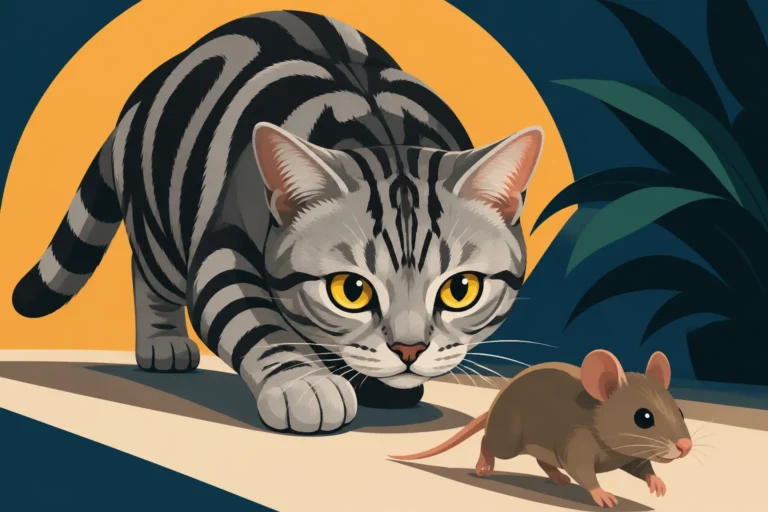
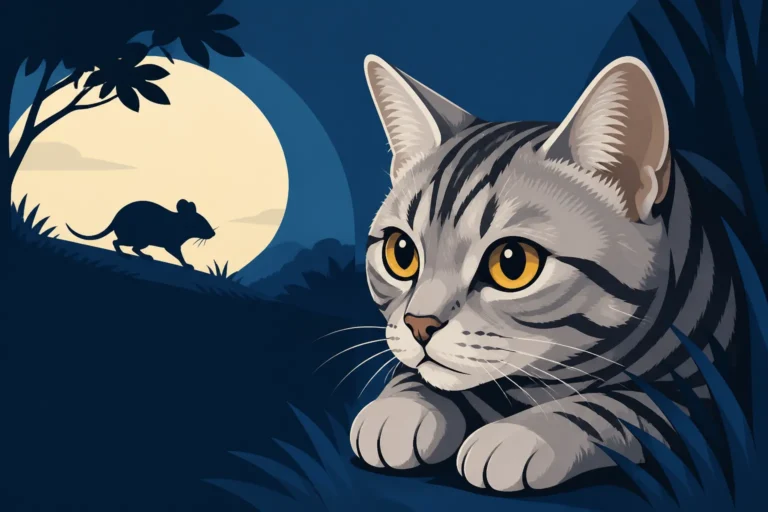
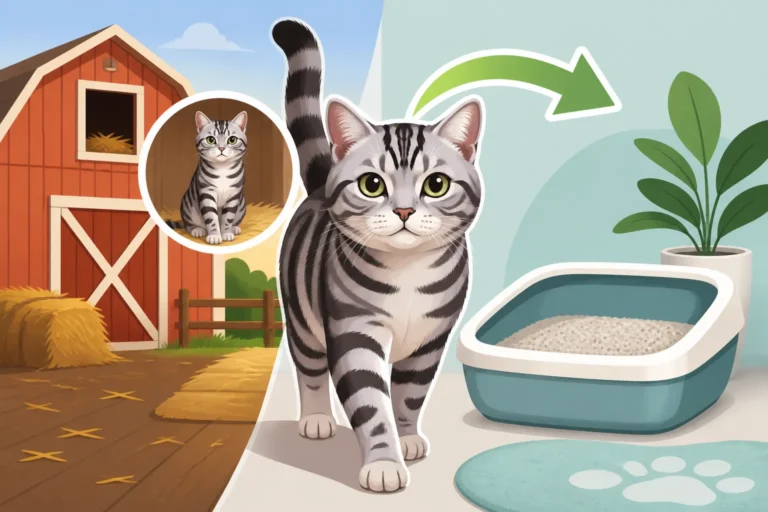
When you think about the history of the American Shorthair, you're looking at a breed that wasn't primarily bred for looks, but for a very important job: pest control. These cats sailed on ships, protected settlers' stores, and kept farms clear of vermin. This wasn't a job for the slow or ponderous. It required lightning-fast reflexes and explosive bursts of speed to catch quick-moving prey like mice, rats, and even small birds. This deep historical connection to hunting is why even today, your beloved housecat retains an incredible capacity for short, powerful sprints.
Imagine an old barn cat, waiting patiently by a hay bale. A field mouse darts out – it's a matter of milliseconds. The cat doesn't need to run a marathon; it needs to accelerate from zero to top speed almost instantly, cover a very short distance, and pounce. This "job description" has shaped the American Shorthair's physical and behavioral traits over generations, creating an animal perfectly adapted for sudden, intense bursts of activity. It's truly incredible how well this instinct has been preserved, even in cats who've never seen a live mouse in their lives! Why Centuries of Ratting Left the American Shorthair Its Drive
Their entire physiology, from muscle density to skeletal structure, is geared towards this type of explosive movement. They are not built for sustained, long-distance running like a greyhound; rather, they are the feline equivalent of a sprinter, specializing in those quick, powerful dashes. This means that while they might not outrun a dog over a mile, they can certainly leave many behind in a sudden dash across the living room. Understanding this legacy helps us appreciate their unique athletic prowess, and perhaps explains why they seem to go from 0 to 60 in a blink of an eye when a rogue feather toy appears.
Anatomy of a Sprint: What Makes an American Shorthair Fast
It's not just their historical role; the American Shorthair's physical characteristics are perfectly suited for those sudden, rapid movements. Their body is a finely tuned machine, optimized for short, powerful bursts of speed rather than endurance. When we break down their build, it becomes clear why they are such effective sprinters and pouncers.
Muscular Powerhouse
American Shorthairs are known for their sturdy, well-muscled bodies. This isn't just for show; those muscles are dense and powerful, especially in their hindquarters. Think of a weightlifter's legs – built for explosive force in a single lift. Similarly, an American Shorthair's powerful hind legs act like coiled springs, capable of propelling them forward with immense force. When they crouch low, ready to spring, they are loading those muscles, preparing for a sudden release of energy. This muscle structure allows for incredible acceleration from a standstill, enabling them to close distances to prey almost instantaneously. Why the American Shorthair Kept a Broad Chest
Their broad chests also contribute to this power, providing ample space for strong shoulder muscles and efficient lung capacity to fuel these quick efforts. It’s all about generating maximum force in minimal time. This robust build allows them to change direction quickly and maintain balance, crucial for navigating varied terrain during a hunt or simply dodging around furniture during a playful chase. You'll notice how solid they feel when you pick them up – that's functional muscle, not just fat, making them feel like a compact, powerful package.
Agile and Low to the Ground
While muscular, the American Shorthair also possesses a remarkable degree of agility. Their medium-sized, athletic frame keeps them relatively low to the ground, giving them a low center of gravity. This is a huge advantage for quick directional changes and maintaining stability during high-speed maneuvers. Imagine trying to turn sharply while standing tall versus crouching low – the latter gives you much better control. This low profile allows them to weave through obstacles, whether that's dense undergrowth in a field or the legs of your dining room chairs.
Their strong, medium-length legs provide excellent leverage for both propulsion and sudden stops. They can go from a full sprint to a complete halt, or pivot on a dime, with surprising grace. This combination of power and agility is what makes them such effective predators over short distances. It's not just about raw speed; it's about the ability to utilize that speed effectively in a dynamic environment.
Observing and Encouraging Your American Shorthair's Burst of Speed
For American Shorthair owners, witnessing these bursts of speed is a regular occurrence. It’s a joy to watch them unleash their inner athlete, whether they're chasing a toy or reacting to something unseen. But how often does this really happen, and how can you encourage it in a safe, enriching way?
The Daily Dash: Frequency and Triggers
Your American Shorthair might not be hunting daily in a barn anymore, but those instincts are still very much alive. You'll likely see short bursts of speed multiple times a day, especially during prime hunting hours – dawn and dusk. These are often triggered by:
- Prey-like Toys: A feather wand, a small fuzzy mouse, or even a crinkly ball can activate their predatory drive, prompting a chase. The key is a toy that simulates erratic, fast movements.
- Sudden Noises or Movements: A dropped item, a quick movement from a family member, or even a shadow can sometimes trigger a startled dash, as their instincts tell them to investigate or flee.
- The "Zoomies": Often after a nap or during an energetic spell, many cats, including American Shorthairs, will simply take off, tearing through the house for no apparent reason other than to burn off energy. This is a perfectly normal, healthy outlet for their stored power. How Much of a Working Cat's Energy the American Shorthair Kept
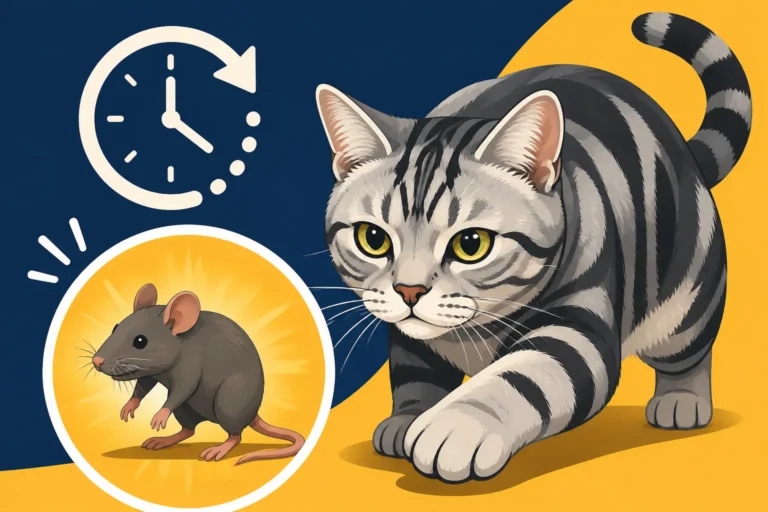
You might notice these sprints are usually less than 10-15 feet, precisely because that’s the range in which they historically operated. They are designed for the immediate, decisive strike, not a sustained pursuit across a vast field. Observing these patterns can tell you a lot about your cat's energy levels and how well their environment is meeting their instinctual needs.
Safe Spaces for Speed
If you have an American Shorthair, creating an environment where they can safely express their natural speed and agility is crucial for their physical and mental well-being. This doesn't mean letting them outside to chase real prey, especially if you live in an urban or suburban area with traffic and other dangers. Instead, focus on enriching your indoor space.
Consider areas where they can run unimpeded for a short distance, like a long hallway or a clear stretch of living room. Ensure there are no precarious objects that could be knocked over or sharp corners they might hit. A clear path allows them to really open up and feel the thrill of the chase. You can also incorporate vertical spaces. Cat trees from places like Amazon provide opportunities for climbing and jumping, which are natural complements to horizontal dashing. Multi-level cat shelves can turn a wall into a dynamic playground, encouraging short, explosive leaps and bounds as they navigate their "territory." How High an American Shorthair Needs to Get
Harnessing That Inner Sprinter: Play and Enrichment
Providing appropriate outlets for your American Shorthair's natural speed and hunting drive is not just fun; it's essential for their overall health and happiness. A bored cat, especially one with strong instincts, can become destructive or lethargic. Engaging their predatory sequence through play is key.
The Art of the Wand Toy Hunt
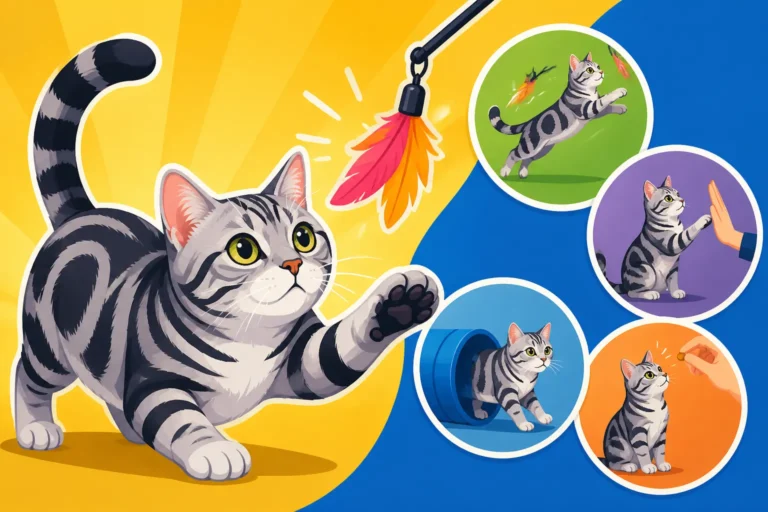
Wand toys are an absolute game-changer for American Shorthairs. They allow you to mimic the erratic, unpredictable movements of prey, which is exactly what triggers their sprint instinct. The goal isn't just to wave the toy around; it's to create a convincing "hunt."
Here's how to make play truly engaging:
- Concealment: Hide the toy partially under a rug, behind a sofa, or around a corner. Let it peek out, twitch, and then disappear. This mimics a mouse darting for cover and builds anticipation.
- Sudden Bursts: When the toy "appears," make it dart across a short distance quickly. This is where your American Shorthair's sprint comes into play. Let them chase it, stalk it, and then spring.
- The Catch: This is the most crucial part! Unlike a laser pointer, which only allows for chasing, a wand toy allows your cat to catch their "prey." Let them grab it, "kill" it with their hind legs, and feel the satisfaction of the capture. This completes the hunting sequence and prevents frustration. Play That Finishes the Hunting Sequence for an American Shorthair
- Variety: Don't always use the same feather attachment. Rotate different textures and shapes to keep their interest piqued. You can find a huge variety of wand toys on Amazon, perfect for stimulating their different predatory responses.
Dedicate at least 10-15 minutes, once or twice a day, to these interactive play sessions. You'll tire them out physically and mentally, leading to a much calmer, happier cat who has satisfied their innate need to hunt and sprint.
Puzzle Feeders and Foraging
While not directly related to sprinting, puzzle feeders engage your American Shorthair's problem-solving skills and their natural drive to "work" for food, much like their ancestors had to hunt. This can indirectly channel some of that energy and focus. Instead of simply putting down a bowl, use a puzzle feeder bought from Amazon that requires them to bat, nudge, or roll it to get kibble. You can even hide small portions of their daily food allowance in different spots around the house, encouraging them to "patrol" and "forage." This adds mental stimulation and movement throughout the day, rather than just one big burst. Whether a Puzzle Feeder Satisfies an American Shorthair
American Shorthair Speed: Common Questions and Misconceptions
Understanding your American Shorthair's speed often leads to more questions. Let's clear up some common thoughts and misconceptions about their quickness and what it means for their care.
How Does Their Speed Compare to Other Breeds?
It's common to wonder how the American Shorthair's speed stacks up against other cat breeds. Here's a quick comparison:
| Breed Type | Typical Speed Profile | American Shorthair Comparison |
|---|---|---|
| Sleek, Lean Breeds | (e.g., Abyssinian, Siamese) Often built for agility and sustained quickness, can maintain speed over longer dashes. | While fast, American Shorthairs prioritize explosive power over short distances. |
| Cobby, Heavyset Breeds | (e.g., Persian, British Shorthair) Generally less inclined to sprint; more placid. | American Shorthairs are significantly faster and more agile in bursts than these breeds. |
| "Wild" Hybrid Breeds | (e.g., Savannah, Bengal) Can be incredibly fast and powerful, often capable of higher top speeds and longer strides. | American Shorthairs are competitive in initial acceleration but not overall top speed/endurance with these. |
| Domestic Shorthair | (Moggies) Varies widely depending on individual genetics and build, can be very athletic. | An athletic Domestic Shorthair can be comparable, but the American Shorthair has a consistent athletic standard. |
The American Shorthair excels in that initial explosive thrust. They are the drag racers of the cat world – incredible acceleration over a short strip. While breeds like Abyssinians might maintain a higher speed over a slightly longer chase, the American Shorthair's sheer power off the mark is truly remarkable. How Long the American Shorthair Lives Against Other Pedigrees
Can an Indoor American Shorthair Lose Its Speed?
No, an indoor American Shorthair will not "lose" its inherent speed capabilities. The genetics and muscle memory for those quick bursts are hardwired. However, like any athlete, if they don't have opportunities to use those muscles, they might not be as conditioned or as eager to display that speed. An overweight or under-exercised American Shorthair might be slower and less agile simply due to lack of fitness or excess weight.
This is why active play is so important. It keeps their muscles toned, their reflexes sharp, and their minds engaged. Providing a stimulating environment with toys that encourage chase, climb, and pounce helps keep them in prime condition. Regular, engaging play sessions are vital to ensure your indoor American Shorthair remains a spry and quick feline. Why Indoor Life Made the American Shorthair Fat
Is Too Much Speed a Problem?
Generally, no, "too much" speed isn't a problem for an American Shorthair; it's a natural and healthy expression of their breed characteristics. The issue typically arises when there aren't safe outlets for that speed. A cat tearing through a cluttered house can knock things over, get injured, or even accidentally hurt a small child or pet.
If your American Shorthair is constantly zooming around in a way that seems frantic or destructive, it could be a sign of boredom, excess energy, or even stress. In these cases, it's not about stifling their speed, but rather redirecting it. Increase interactive play, introduce new toys, or consider a dedicated "cat zone" where they can run and jump freely. Remember, a cat that can fully express its natural behaviors in a safe way is a happy cat.
Conclusion: Appreciating the American Shorthair's Swift Nature
The American Shorthair's incredible speed over short distances is a testament to their working heritage and a key part of their charm. It's not just a cute quirk; it's a fundamental aspect of their being, honed over centuries of purposeful hunting. By understanding the history and anatomy behind their quickness, we can better appreciate these magnificent felines.
More importantly, recognizing this inherent trait allows us to provide them with the best possible care. Offering engaging play, stimulating environments, and ample opportunities to express their inner hunter isn't just about entertainment; it's about fulfilling their instinctual needs and ensuring they lead a happy, healthy, and enriched life. So next time your American Shorthair becomes a speedy blur across the room, take a moment to admire that powerful dash – it's a living link to their fascinating past.
Disclaimer
This article is for general informational purposes only and does not constitute professional advice. Laws, prices and regulations vary by location and change over time. Consult a qualified professional for guidance on your specific situation.