Which Questions to Ask an American Shorthair Breeder
Bringing home an American Shorthair kitten is such an exciting time, full of dreams of purrs and playful antics! But it’s also a huge commitment, and diving in without truly understanding what you’re getting into can lead to heartache down the line. Many prospective owners find themselves overwhelmed, unsure what to ask a breeder to ensure they’re bringing a healthy, well-adjusted cat into their family. This guide is here to equip you with the essential questions, helping you feel confident and informed as you navigate the journey of finding your perfect feline companion.
Prioritizing Health and Longevity with Your Questions
When you're looking at a fluffy, adorable American Shorthair kitten, it’s easy to get swept away by cuteness. But beneath that charming exterior lies a lifetime of potential health and happiness, and a huge part of that starts with responsible breeding practices. Your questions about health are perhaps the most critical you can ask, setting the stage for fewer vet visits and a longer, more comfortable life for your new family member.
Understanding Genetic Health Screening and Parental History
Even though the American Shorthair is celebrated for its robust health, thanks to its working cat origins, it’s not entirely immune to genetic predispositions. The breed is generally considered sound, often used as a benchmark for what a healthy cat should be, but selective breeding still requires vigilance. One of the most significant concerns for many cat breeds, including the American Shorthair, is Hypertrophic Cardiomyopathy (HCM), a thickening of the heart muscle. While it's relatively rare compared to some other pedigrees, it's still something a responsible breeder will screen for. You'll want to ask if the parents, and their lineage, have been screened for HCM. Ask for specific documentation, like OFA (Orthopedic Foundation for Animals) or veterinary cardiology reports for heart echoes, not just a simple "yes." A good breeder will have these readily available and understand why you're asking. They should be able to tell you Why an American Shorthair Still Needs a Yearly Heart Scan, even if its prevalence is low.
Beyond HCM, consider asking about any history of hip dysplasia in the lineage. While more commonly associated with larger dog breeds, hip issues can affect cats, especially those with a stocky, muscular build like the American Shorthair. While it's not a widespread issue for them, understanding the parents' joint health can give you peace of mind. A breeder should be transparent about any known issues in their lines. Remember, American Shorthairs are incredibly stoic, a trait that allowed their ancestors to thrive as working cats. This means they can be masters at hiding pain or discomfort, making pre-emptive screening even more vital. Understanding What an American Shorthair Breeder Should Have Screened can prevent a lot of worry and expense down the road.
Inquiring About Veterinary Care and Early Life
The first few weeks and months of a kitten’s life are critical for their overall health. A reputable breeder will have a comprehensive plan for their kittens' veterinary care, and you should ask about every detail. Start by asking about the initial vet checks: When were the kittens first examined? What did the vet look for? Have they received their first vaccinations? What's the schedule for subsequent shots? You'll also want to know about deworming protocols. Kittens are highly susceptible to internal parasites, and a consistent deworming schedule is crucial for their health. Don't shy away from asking for records to back up these claims; a professional breeder will have them. Whether an American Shorthair Kitten Needs an Early Vet Check is a non-negotiable step to ensure a healthy start.
Then, delve into spay/neuter policies and microchipping. Many reputable American Shorthair breeders will have a clause in their contract requiring pet-quality kittens to be spayed or neutered by a certain age, or they might even perform the procedure before the kitten goes home. This is a sign of responsible breeding, preventing accidental litters and ensuring the kitten's health. Ask about the cost implications and what's covered. Inquire if the kittens are microchipped before leaving, as this is a vital step for identification and safety. Finally, ask at what age the kittens are ready to leave their mother and littermates. Generally, 12-16 weeks is considered ideal, allowing them sufficient time for socialization and proper development with their feline family. This timeframe is important for their emotional and behavioral health, reducing the likelihood of issues like separation anxiety or aggression. Knowing What an American Shorthair's Neuter Costs (or if it's included) is an important part of your budgeting.
Assessing Temperament and Socialization for a Happy Home
An American Shorthair’s temperament is one of its most cherished qualities: calm, adaptable, and affectionate without being overly demanding. This wonderful disposition doesn't just happen by chance; it's a product of both genetics and early socialization. Asking the right questions about how a breeder nurtures their kittens’ personalities is key to finding a cat that truly thrives in your home.
Understanding the American Shorthair's Natural Disposition
The American Shorthair has a rich history as a working cat, which has instilled in them a self-sufficient and remarkably adaptable nature. This means they're often laid-back and tolerant, making them fantastic family pets. When speaking with a breeder, inquire about the personalities of the parents. Are they friendly and outgoing, or more reserved? While temperament isn't solely genetic, observing the parents can give you a good idea of what to expect from their offspring. A good breeder will be able to describe each parent's personality in detail, giving you insight into their lineage's typical traits. Their farm-bred ancestry means Why an American Shorthair Fits Any Household that appreciates a companion who isn't constantly underfoot but is always happy for a cuddle.
Equally important is understanding how the kittens are socialized within the breeder’s home. Are they raised underfoot, exposed to the sounds and sights of a busy household? Do they interact with children, if applicable, or other household pets like dogs? Early exposure to various stimuli helps kittens develop into well-adjusted adults who aren't easily startled by everyday noises or new people. For instance, a kitten raised in a quiet, isolated environment might be more timid and prone to anxiety when introduced to a bustling home with kids and a dog. Ask for specifics: "Do you play with them daily?" "Are they used to the vacuum cleaner, or the TV?" A well-socialized American Shorthair, knowing its ancestral role, will likely cope well with An American Shorthair With Children, Dogs and Noise, becoming a calm observer rather than a frightened hider.
Observing Kitten Behavior and Interaction
When you visit a litter, don't just admire them from afar. Take the opportunity to observe their behavior and interact with them. Ask the breeder if you can spend some time with the kittens, watching how they play with each other and how they respond to human interaction. Are they curious and playful, or do they cower in a corner? Do they approach you with wagging tails (or rather, curious gazes and tentative sniffs), or do they run away? A confident kitten, even a slightly shy one, will eventually show interest and allow gentle handling. Ask the breeder about their individual personalities. Are there any "lap cats" in the litter, or are they all independent explorers?
It's also important to discuss how the breeder handles common kitten behaviors. Kittens, being kittens, will play bite and scratch. A responsible breeder will start teaching them bite inhibition and appropriate play, gently redirecting them from playing too rough with human hands. This early training is invaluable. You might also ask how the kittens are introduced to the litter box and if they're consistent users. Given the American Shorthair's inherently clean nature, they generally take to litter training very quickly. Ensuring your kitten has a solid foundation in these areas will make the transition to your home much smoother and help prevent future behavioral challenges. This preparation can make a big difference in how easily they settle into their new family, even if you eventually plan to How to Introduce an American Shorthair Without a Territory Fight if you have existing pets.
Practicalities: Contracts, Costs, and Ongoing Support
Bringing a new kitten home involves more than just picking them out; it also involves understanding the practical side of ownership, from contracts to care advice. A transparent breeder will be happy to discuss these elements thoroughly, demonstrating their commitment to their kittens' welfare long after they leave their care.
Delving into Contracts, Guarantees, and Return Policies
A detailed and fair contract is a hallmark of a responsible breeder. It protects both you and the kitten, outlining the responsibilities of all parties. Don't be shy about asking for a copy of the contract to review before you commit to a purchase. What exactly should be in it? Look for a health guarantee, clearly stating what protections you have if the kitten develops a serious health issue within a specified timeframe. This might cover genetic conditions or congenital defects. It should also detail the breeder's spay/neuter policy, if not already completed, often requiring proof of the procedure by a certain age for pet-quality kittens. This helps ensure responsible pet ownership and prevents indiscriminate breeding.
Crucially, inquire about the breeder's return policy. What happens if, for unforeseen reasons, you are no longer able to keep the kitten? A reputable breeder will almost always require the kitten to be returned to them, or assist in rehoming, rather than having it surrendered to a shelter. This shows their lifetime commitment to the cats they produce. This clause is a huge indicator of a breeder's ethics and their genuine care for their animals. Understanding What a Contract Restricts on an American Shorthair You Could Have Adopted will give you peace of mind, knowing the breeder stands behind their cats and is there for them throughout their lives. You should also clarify Whether a Breeder Takes an American Shorthair Back if circumstances change, which is a sign of a truly dedicated individual.
Discussing Ongoing Support and Essential Care Advice
The relationship with a good breeder doesn't end when you take your kitten home; it often begins a new chapter of mentorship and support. Ask what kind of ongoing support they offer. Are they available for questions about behavior, diet, or health concerns as your kitten grows? Many breeders are a fantastic resource, having years of experience with the breed. A breeder who cares will be eager to share their knowledge and guide you through any bumps in the road.
Furthermore, discuss the kitten's current diet. What food are they eating? How often? What kind of litter are they using? Consistency is key during the transition to a new home, so having this information will help you maintain their routine. Inquire about any specific care instructions, grooming tips, or recommendations for toys and enrichment. For instance, the American Shorthair's muscular build means they need an appropriate diet; asking What Feeding an American Shorthair by Portion Costs a Month can help you budget, and discussing types of food can guide your choices. They might also suggest using a puzzle feeder, a great way to engage your cat's natural hunting instincts and help manage weight, and you can find these easily on sites like Chewy. Finally, ask if they recommend pet insurance, like Healthy Paws, and why they think it’s beneficial for the breed. Whether Insurers Price the American Shorthair Low compared to other breeds might be a factor in their recommendation.
Verifying Pedigree and Breeder Reputation
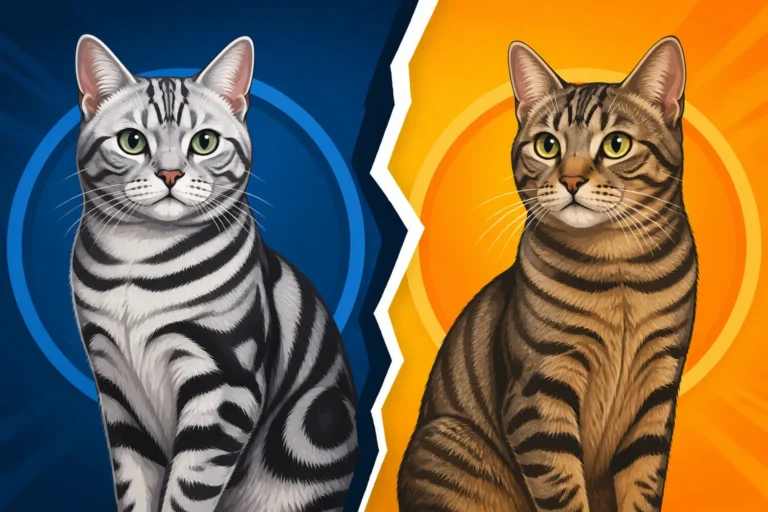
It’s easy to call any tabby a "Domestic Shorthair," and indeed, many American Shorthairs look like the charming cats you might find in a shelter. But there’s a distinct difference, and that difference lies in pedigree, careful breeding, and a commitment to the breed standard. Asking the right questions helps you verify that you’re truly getting a registered American Shorthair from a reputable source.
Confirming Registration and Pedigree Information
When you're investing in a pedigree cat, one of the fundamental questions to ask is about registration. Is the litter registered with a recognized cat association, such as the Cat Fanciers' Association (CFA) or The International Cat Association (TICA)? A reputable breeder will register their litters and provide you with the necessary paperwork for your kitten, even if it's sold as a pet. This registration is your guarantee that the cat is, in fact, an American Shorthair from documented lineage. Ask to see the parents’ registration papers and the kitten’s litter registration. Don't settle for "they're purebred but not registered" – that's often a red flag. Whether an American Shorthair Kitten Comes With Papers is a crucial question to ask to ensure authenticity.
Beyond basic registration, inquire about the kitten's pedigree. This document traces the kitten's ancestry back several generations, showing you the names and registration numbers of its parents, grandparents, and so on. It’s not just a fancy piece of paper; it’s a tool that allows breeders (and informed owners) to understand the genetic background, potential health predispositions, and even typical temperaments within a line. A breeder should be happy to explain the pedigree and discuss any champions or significant cats in the lineage. This transparency demonstrates a commitment to the breed's integrity and health. Understanding Why a CFA Registered American Shorthair Costs More becomes clearer when you see the depth of care and documentation involved in maintaining these lines.
Assessing Breeder Practices and Transparency
Finding a reputable breeder means asking about their overall breeding program and practices. How long have they been breeding American Shorthairs? How many litters do they typically have in a year? Be wary of breeders who have multiple litters year-round or seem to have a wide variety of breeds available, as this can sometimes indicate a less dedicated or even a "backyard" operation. A dedicated American Shorthair breeder will focus on improving the breed and preserving its wonderful traits, not just producing kittens for profit. When asking How to Find an American Shorthair Breeder Worth Paying For, these questions are essential.
Transparency is key. A good breeder will be open about their breeding philosophy, their facility, and their daily routine with the cats. They should allow you to visit their home to see the kittens and their parents in a clean, stimulating environment. If a breeder is reluctant to let you visit, or insists on meeting in a public place, that’s a significant red flag. They should also be eager to answer all your questions, and just as importantly, they should be asking you questions about your home, your lifestyle, and your experience with cats. This reciprocal questioning shows they care about finding the right home for their kittens, not just making a sale. In fact, Whether an American Shorthair Breeder Should Be Visited is almost a prerequisite for a trustworthy transaction, allowing you to gauge the environment and health of the cats firsthand.
Asking these comprehensive questions will not only help you feel more confident in your choice but will also help you identify a truly dedicated and responsible American Shorthair breeder.
| Category | Key Questions to Ask | What to Look For (Good Sign) | Potential Red Flag |
|---|---|---|---|
| Health | Have the parents been screened for HCM? What are the results? | Provides vet reports/OFA certificates; explains health history. | "We don't do that," or no documentation. |
| What vaccinations and deworming has the kitten received? | Offers clear records, vet contact information. | Vague answers, no records. | |
| What is your spay/neuter policy? | Has a clear contract clause; often includes it in price. | No policy, encourages breeding non-show cats. | |
| Temperament | Can I meet the parents? Describe their personalities. | Parents are calm, friendly; detailed descriptions of temperaments. | Parents are unavailable, timid, or aggressive. |
| How are the kittens socialized in your home? | Kittens raised underfoot, exposed to sounds, people, handled daily. | Kittens kept isolated, easily startled, wary of humans. | |
| Practicalities | Can I see your contract? What does your health guarantee cover? | Provides comprehensive contract with guarantees & return policy. | No contract, vague guarantees, no return policy. |
| What food are the kittens eating? What care advice do you offer? | Shares detailed diet/care plan, offers ongoing support/mentorship. | Lacks specific advice, uninterested in follow-up. | |
| Verification | Are the kittens registered with CFA/TICA? Can I see papers? | Presents registration papers, explains pedigree. | Claims "purebred" but unregistered; avoids showing papers. |
| How long have you been breeding? Can I visit your home? | Experienced, knowledgeable, welcomes visits to a clean facility. | New breeder with many litters; refuses visits; messy home. |
Disclaimer
This article is for general informational purposes only and does not constitute professional advice. Laws, prices and regulations vary by location and change over time. Consult a qualified professional for guidance on your specific situation.