Why a British Shorthair Costs Twice an American Shorthair
It’s a common moment for aspiring cat parents: you’re scrolling through pictures of adorable purebred kittens, maybe dreaming of a fluffy, calm companion, when you notice a significant price disparity. Specifically, you might see a British Shorthair kitten listed for a price that seems to be double, or even more, than what an American Shorthair kitten of similar quality commands. This guide dives deep into the fascinating reasons behind this noticeable difference in upfront cost, helping you understand the factors that contribute to a purebred cat's price tag, regardless of their nationality.
Unpacking the Price Tag: Why Breed Origins Create a Cost Divide
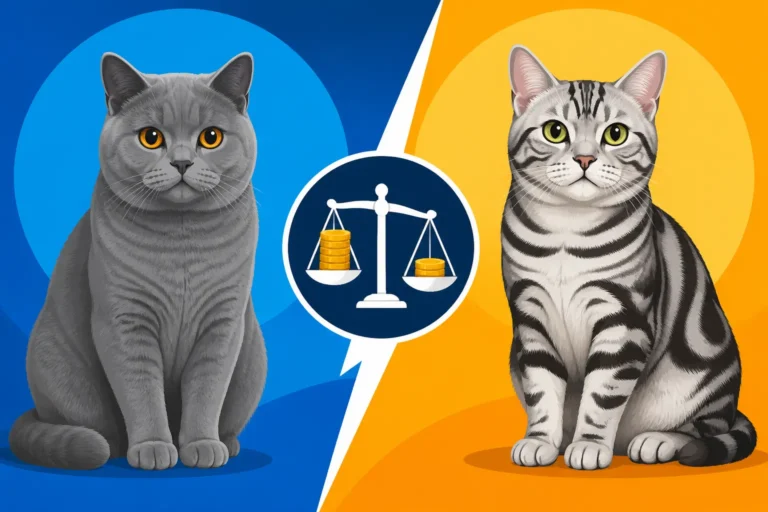
The initial sticker price of a purebred kitten is often the first thing people notice, and it can be quite a shock, especially when comparing two seemingly similar shorthaired breeds like the American Shorthair and the British Shorthair. While both are recognized, established breeds with wonderful temperaments, their historical journeys, breeding trajectories, and even their current market appeal have carved out distinct niches in the world of pedigree cats, directly influencing their value. It’s not just about the cat itself, but the entire legacy and effort behind its lineage.
Historical Pathways and Ancestral Roots
To truly understand the cost difference, we need to go back in time. The American Shorthair’s ancestors were, for centuries, the hardworking "ships' cats" and "barn cats" of North America. They were celebrated for their robust health, keen hunting instincts, and ability to thrive in diverse environments. These were cats bred by nature and necessity, hardy survivors valued for their utility rather than their conformity to a specific aesthetic standard. When formal breeding efforts began in the late 19th and early 20th centuries, it was largely to preserve the integrity of this native working cat, which was originally known as the Domestic Shorthair. Their long history as common, adaptable felines means their genetic pool is traditionally quite broad, reflecting their diverse origins. This inherent hardiness and broad genetic base can translate to fewer specialized breeding challenges. Why the American Shorthair Was Called Domestic Shorthair Until 1966 sheds more light on this history.
The British Shorthair, while also having a long history as a domestic cat in Great Britain, faced a much more tumultuous path. While their ancestors were also known for their working prowess, their development into a distinct breed with a formalized standard began earlier and more intensely. Critically, the breed suffered immensely during the two World Wars, with their numbers plummeting to near extinction. Breeders had to undertake careful, selective outcrossing and dedicated efforts to rebuild the population, often relying on a much smaller genetic foundation. This intensive rebuilding process, coupled with a focus on specific physical traits, has historically made British Shorthair breeding a more specialized and often more resource-intensive endeavor, which naturally factors into the cost of a kitten.
The Impact of Breed Standard and Breeding Difficulty
The "breed standard" is essentially the blueprint for what a perfect example of a cat breed should look like. For both American and British Shorthairs, these standards guide breeders in their selection and pairing of cats. However, the interpretation and the inherent difficulty in consistently reproducing certain traits can differ.
The American Shorthair standard, while precise, emphasizes a sturdy, well-balanced, and functional cat, reflecting its working heritage. What an American Shorthair Looks Like by the Standard details these traits. While breeders strive for perfection, the characteristics are generally well-established within a fairly robust gene pool. The breed is known for its relatively stable genetic health and often, an easier birthing process for queens. This isn't to say it's easy to breed top-quality American Shorthairs, but the challenges are often different from those faced by breeds with more extreme or highly refined characteristics. Producing a show-quality American Shorthair, especially one with the coveted silver tabby markings like The Silver Tabby Is the American Shorthair People Pay For, still requires skill and investment, but perhaps with fewer inherent hurdles stemming from a very tight gene pool or delicate physical traits.
The British Shorthair, on the other hand, is known for its distinctive "cobby" body, broad head, round eyes, and incredibly dense, plush coat – often described as a "teddy bear" look. Achieving this very specific, rounded, heavy-boned structure with a dense, crisp coat and deeply colored eyes requires careful, deliberate, and often prolonged breeding programs. The genetics for this specific type can be more challenging to consistently produce, sometimes leading to smaller litter sizes or a higher percentage of kittens that don't quite meet the stringent show-quality standards. The effort and investment required to produce kittens that embody these highly desired traits, including consistent vet care for breeding queens and studs, specific nutritional support, and potentially more intensive health screening, are significant. This often means that the pool of truly high-quality British Shorthair breeding stock is smaller, and the demand for kittens meeting these exacting standards is higher, pushing prices upward.
The Health Factor: Inherited Traits and Necessary Screenings
When you're comparing the cost of any purebred animal, understanding the health profiles of each breed is absolutely critical. The money you pay upfront for a kitten is just the beginning; lifelong health and veterinary care can dwarf the initial purchase price, and different breeds come with different predispositions. The American Shorthair and British Shorthair, while generally considered healthy breeds, do have distinctions in their health screening protocols and potential inherited conditions that can influence breeder costs and, consequently, kitten prices.
Breed-Specific Health Concerns and Screening Protocols
The American Shorthair is often celebrated for its natural robustness, a direct benefit of its working cat ancestry and broad genetic base. They are generally known for a long lifespan and fewer inherited health issues compared to some other pedigree breeds. However, like many cat breeds, they are not entirely without their specific considerations. HCM Is the One Inherited Disease the American Shorthair Kept, referring to Hypertrophic Cardiomyopathy, is a concern that responsible American Shorthair breeders should screen for. While not as prevalent as in some other breeds, ethical breeders invest in regular echocardiograms for their breeding cats to ensure they are not passing on this potentially serious heart condition. This screening adds to the cost of maintaining a healthy breeding program. Why an American Shorthair Still Needs a Yearly Heart Scan highlights the ongoing vigilance required.
For the British Shorthair, while also generally healthy, the focus of breeding for specific physical traits, combined with their history of population bottlenecks, has led to a keen awareness of certain genetic conditions. HCM is also a concern in British Shorthairs, similar to American Shorthairs, and regular cardiac screening is paramount for ethical breeders. Additionally, Polycystic Kidney Disease (PKD) was historically a concern, though responsible breeders have largely eradicated it from many lines through DNA testing. However, the legacy of these potential issues means that reputable British Shorthair breeders often face a slightly more extensive or higher frequency of health screening requirements, including both DNA tests and regular veterinary check-ups for conditions common in the breed. These proactive measures are essential to ensure healthy kittens and preserve the breed's integrity, but they naturally add to the overhead of breeding, which is then reflected in the kitten's price.
Insurance Costs and Long-Term Health Investment
The initial cost of a kitten isn't the only financial consideration related to health. Potential owners also need to factor in the cost of pet insurance, which can vary significantly based on breed. Because the American Shorthair is known for its generally robust health and lower predisposition to certain genetic conditions, they are often considered a lower risk by pet insurance providers. This can translate to more affordable premiums over the cat's lifetime. Why an American Shorthair Is Cheap to Insure is a testament to this, making them an attractive option for those conscious of ongoing expenses. Providers like Healthy Paws, for instance, might offer more favorable rates for a breed with a reputation for good health.
Conversely, while British Shorthairs are typically healthy cats, their breed history and the emphasis on specific, sometimes "extreme," physical characteristics (like extreme roundness of head or density of bone) can sometimes be associated with a slightly higher incidence of certain health issues, or at least a perception of higher risk from an insurance perspective. This isn't to say they are inherently "unhealthy," but rather that the meticulous breeding required to maintain their unique appearance might necessitate more diligent health monitoring. Therefore, pet insurance premiums for a British Shorthair might be slightly higher than for an American Shorthair, reflecting the perceived genetic predispositions or the breed's overall rarity and the specialized care it might require. This factor, even if subtle, is part of the long-term financial picture that contributes to the initial perception of higher value or cost.
Supply, Demand, and the "Cute Factor": Market Forces at Play
Beyond history and health, the most immediate driver of a kitten's price is often simply market dynamics: how many are available, and how many people want them. This intersection of supply and demand, heavily influenced by aesthetic trends and media exposure, plays a huge role in why a British Shorthair often carries a higher price tag than an American Shorthair.
Popularity and Current Aesthetic Trends
Let's be honest, social media has a significant impact on what we find "cute" and desirable. The British Shorthair, with its distinctive "smushy" face, round, widely-set eyes, and dense, plush coat, has undeniably captured the hearts of cat lovers worldwide. The solid blue British Shorthair, in particular, has become incredibly iconic, often featured in advertisements, memes, and popular culture. This undeniable "cute factor" has led to a massive surge in demand for the breed globally. Everyone, it seems, wants a living teddy bear. This high demand, coupled with the often smaller litter sizes and more specialized breeding required to achieve that perfect "look," naturally drives up the price.
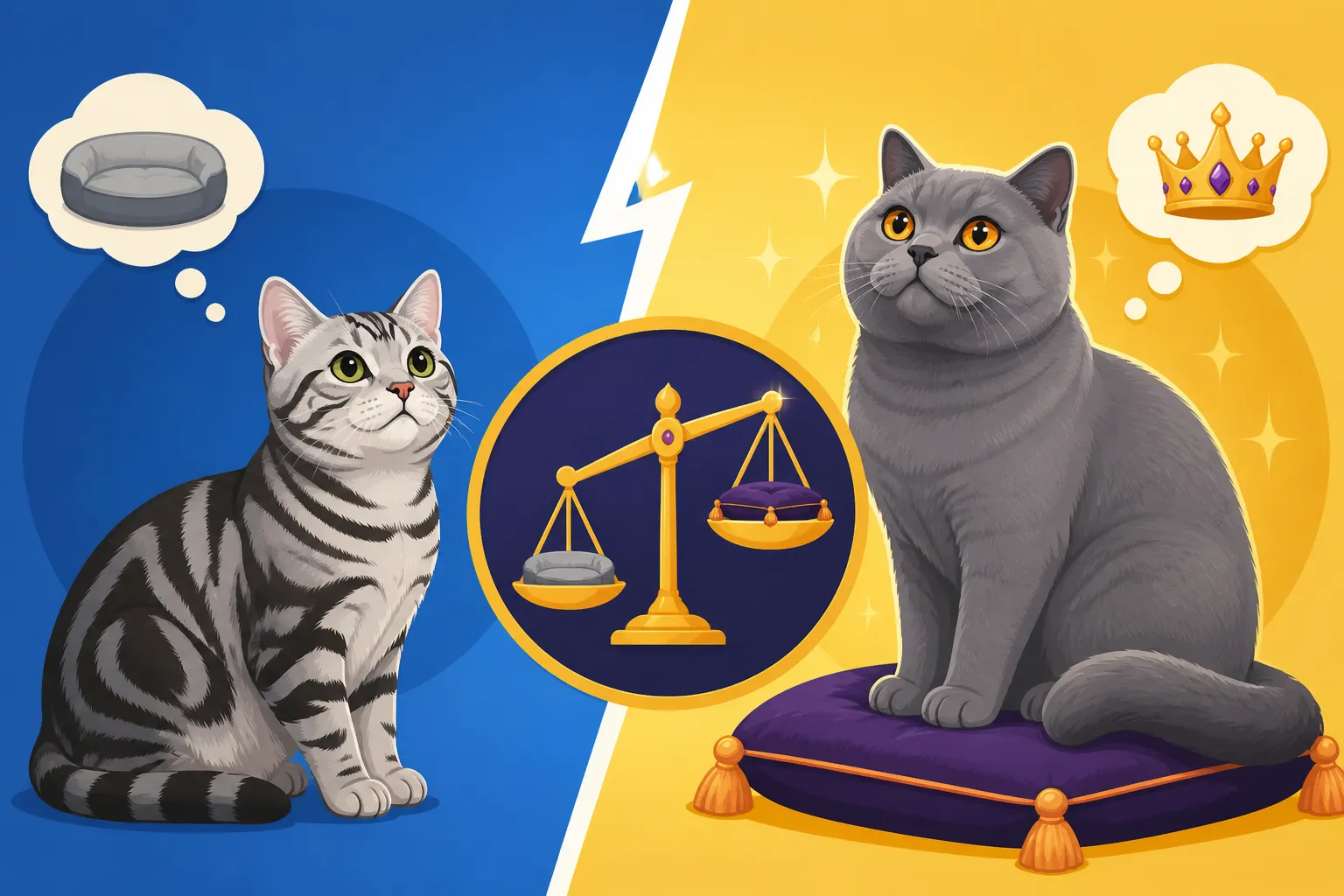
The American Shorthair, while incredibly handsome and equally beloved by its devotees, doesn't quite have the same "viral" aesthetic appeal or mainstream recognition in the same way the British Shorthair does. Its more traditional, sturdy, and less exaggerated features mean it often gets mistaken for a well-bred "domestic shorthair" or a common tabby, despite being a distinct pedigree breed with its own specific standard. How an American Shorthair Differs From a British Shorthair directly addresses these visual distinctions. While specific patterns like the classic silver tabby American Shorthair are highly sought after, the overall public perception and demand for the breed, while strong, isn't at the same fever pitch as for the British Shorthair. This difference in mass appeal directly impacts the market value.
Breeder Availability and Geographic Distribution
The number of reputable breeders available and their geographic distribution also heavily influences pricing. Because British Shorthairs have become so popular, especially internationally, ethical breeders often have extensive waiting lists. The dedication required to produce healthy, type-correct kittens means that breeders cannot simply churn out litters. They are investing heavily in their lines, from importing champion bloodlines to ensuring rigorous health testing. This high barrier to entry and the limited number of truly dedicated breeders mean that supply struggles to meet demand, further inflating prices.
The American Shorthair, while a popular and well-established breed, particularly in North America, has a broader network of breeders. Its historical roots as a widespread working cat mean that while demand for pedigree American Shorthairs is consistent, it's perhaps not as intense or globally concentrated as for the British Shorthair. This greater availability of breeders and a slightly more balanced supply-demand ratio can contribute to a more accessible price point for American Shorthair kittens. Moreover, the ease of sourcing a kitten locally versus having to travel or pay for specialized shipping can also play into the final cost to the buyer. What a Pedigree American Shorthair Costs Against a Free Tabby provides a baseline for understanding the value of a registered American Shorthair, but even at the higher end, What a Championship Line American Shorthair Costs might still be less than an entry-level British Shorthair.
Ongoing Care and Lifestyle Costs
It's easy to focus solely on the initial purchase price, but the true cost of cat ownership spans many years. While both breeds are robust, there can be subtle differences in their care needs that contribute to the overall financial picture, impacting the perceived value proposition.
Nutritional Needs and Maintenance
Both American Shorthairs and British Shorthairs are sturdy, muscular cats that benefit from high-quality nutrition. However, a British Shorthair's generally larger, denser build and potential for a slightly lower activity level might mean their dietary needs need careful management to prevent obesity, which is a common concern for house cats. Some owners might opt for specific premium foods or fresh food diets to maintain optimal health and weight, which can add up.
American Shorthairs, with their historically active, hunting background, also benefit from excellent food. What Feeding an American Shorthair by Portion Costs a Month is a calculation every owner needs to make. They tend to have a strong appetite inherited from their working days, so portion control is equally important. However, their often higher natural activity levels might allow for a bit more dietary flexibility without immediate weight gain concerns. Retailers like Chewy offer a vast array of options for both, but the type of food chosen, or a shift to specialized diets due to lifestyle, can certainly influence the budget. For instance, a very dense-coated British Shorthair might benefit from supplements for coat health, whereas an American Shorthair's hard, weather-resistant coat usually needs little more than basic grooming.
Grooming and General Upkeep
Despite both being "shorthair" breeds, their coats have distinct characteristics. The American Shorthair has a short, dense, even, and rather hard coat that protects it from the elements. It's incredibly low-maintenance, typically requiring minimal brushing outside of seasonal shedding. The American Shorthair's Coat Was Built for Weather, Not a Judge highlights this functional aspect.
The British Shorthair's coat, while also short, is uniquely dense and plush, often described as feeling like a "velvet pillow." This density means it can sometimes hold more loose hair, particularly during shedding seasons, and might benefit from slightly more frequent brushing to prevent matting and manage shedding. While neither breed typically requires professional grooming, the British Shorthair's coat might be perceived as needing a touch more attention to maintain its signature appearance. This slight difference in grooming demands, though minor, is another facet of the ongoing commitment to owning each breed, subtly adding to the overall cost of care.
Ultimately, the higher initial price of a British Shorthair compared to an American Shorthair is a tapestry woven from historical paths, specific breeding challenges, aesthetic trends that drive immense demand, and the continuous investment breeders make in genetic health and exquisite type. Both breeds offer wonderful companionship, but their price tags reflect the unique journeys they've taken to our homes.
| Factor | American Shorthair (Typical) | British Shorthair (Typical) |
|---|---|---|
| Origin & History | Working cat, broad genetic base, relatively stable development. | Formalized breed, post-war reconstruction, narrower gene pool. |
| Breed Standard Focus | Sturdy, functional, balanced, traditional cat type. | Cobby, dense-coated, very round head/eyes, "teddy bear" look. |
| Breeding Difficulty | Generally robust, fewer extreme traits, easier to consistently breed. | Specific, often challenging traits to consistently reproduce. |
| Inherited Health Concerns | HCM (screened for). Generally very robust. | HCM, historically PKD (now largely screened out). Needs diligent screening. |
| Popularity/Demand | Strong, consistent in North America. | High global demand, "viral" appeal. |
| Breeder Availability | Broader network of breeders. | More specialized, often longer waiting lists. |
| Insurance Premiums | Often lower due to general robustness. | Potentially slightly higher due to specific breed perceptions/risks. |
| Grooming Needs | Minimal, hard coat. | Moderate, dense plush coat may need more frequent brushing. |
Disclaimer
This article is for general informational purposes only and does not constitute professional advice. Laws, prices and regulations vary by location and change over time. Consult a qualified professional for guidance on your specific situation.