The 2026 Gap Between a Registered American Shorthair and a Tabby
It's a common dilemma, isn't it? You're looking for a furry companion, and you see ads for beautiful American Shorthair kittens, complete with impressive pedigrees, at a price that makes your jaw drop. Then you visit a local shelter and find a lovely tabby cat, perhaps even one that looks remarkably like an American Shorthair, available for a modest adoption fee. This can leave you wondering: what exactly is the "gap" between these two options, and is it truly worth it to pay more for a registered American Shorthair? This guide will break down the fundamental differences in initial outlay, ongoing expenses, and the less tangible benefits that define this significant disparity.
The Upfront Investment: Purchase Price vs. Adoption Fee
The most immediate and obvious difference between acquiring a registered American Shorthair and a random-bred tabby is the initial financial transaction. This isn't just about a number; it reflects distinct pathways and philosophies of cat acquisition.
The Cost of a Registered American Shorthair Kitten
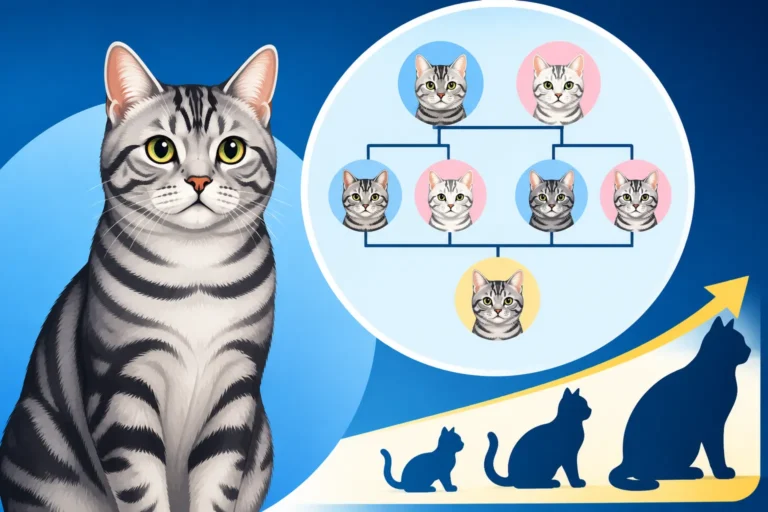
When you decide to bring home a registered American Shorthair kitten from a reputable breeder, you're not just paying for a cat; you're investing in a known quantity with a documented lineage. The price reflects the breeder's dedication, time, and significant financial investment in maintaining the breed standard and health. This often covers pre-breeding health screenings for parents, high-quality nutrition for the queen and kittens, early veterinary care for the litter, vaccinations, deworming, and sometimes even microchipping and spay/neuter before the kitten goes home. A responsible breeder also provides ongoing support and stands behind the health and temperament of their kittens. They are ensuring the breed's future, and that comes with a cost. What a Registered American Shorthair Kitten Costs With Papers elaborates on these factors.
The Modest Fee for a Shelter Tabby
In stark contrast, adopting a tabby from a shelter or rescue organization typically involves a much lower, all-inclusive fee. This fee is usually designed to cover a portion of the costs the shelter has already incurred for the cat's care, which often includes spay/neuter surgery, initial vaccinations, deworming, and a microchip. The primary goal of a shelter is to find loving homes for animals in need, not to profit. While the upfront cost is significantly less, it's important to remember that the cat's background might be largely unknown. You might not have access to genetic history, parentage, or a clear understanding of its early life experiences, which can influence health and temperament down the line.
Health and Predictability: Knowns vs. Unknowns
Beyond the initial cost, a significant part of the "gap" lies in the predictability of health and temperament. This is where the pedigree truly starts to show its value, offering a level of assurance that a random-bred cat often cannot.
The Health Guarantees of a Pedigree American Shorthair
One of the most compelling reasons to choose a registered American Shorthair from a reputable breeder is the emphasis on health screening. Breeders are typically committed to identifying and breeding out genetic predispositions to certain diseases. For American Shorthairs, while they are generally a very healthy breed, conditions like Hypertrophic Cardiomyopathy (HCM) can occur. Good breeders will regularly screen their breeding cats for such conditions, often providing documentation of these tests for several generations. This proactive approach significantly reduces the risk of you encountering these costly and heartbreaking conditions in your new kitten. What an American Shorthair Breeder Must Show highlights the transparency you should expect. This commitment to health means potential veterinary costs for serious genetic illnesses might be lower over the cat's lifespan, although no guarantee is ever absolute.
The Lottery of a Random-Bred Tabby's Health
When you adopt a random-bred tabby, you're essentially embracing a genetic lottery. While many shelter cats are perfectly healthy and live long, happy lives, you don't have the same insight into their genetic predispositions. They might carry genes for conditions that could manifest later, leading to unexpected and potentially expensive veterinary bills. Of course, a shelter will provide current health assessments and address any immediate concerns, but the long-term genetic picture remains a mystery. It's a trade-off: lower initial cost for higher potential uncertainty in future health expenditures. However, many people find the immense joy of giving a shelter cat a home far outweighs these potential unknowns.
Temperament and Lifestyle Fit: Consistent Traits vs. Individual Charm
The "gap" also extends to understanding what kind of companion you're bringing into your home. A registered American Shorthair offers a much clearer picture of what to expect in terms of personality and behavior.
The Predictable Charm of an American Shorthair
American Shorthairs are renowned for their calm, adaptable, and affectionate nature. They are generally known to be good with children and other pets, and not overly demanding, fitting well into various household dynamics. This consistent temperament is a direct result of generations of selective breeding for these desirable traits. When you choose an American Shorthair, you're selecting a cat with a well-established behavioral profile, making it easier to predict how they will integrate into your family life. This predictability can be incredibly valuable, especially for first-time cat owners or families with specific needs. Why an American Shorthair Fits Any Household delves into this adaptability.
The Unique Personality of a Tabby
A random-bred tabby, while often possessing an abundance of individual charm, doesn't come with a predictable breed-specific temperament. Their personality is a unique blend of their genetic background and life experiences. While shelters do their best to assess a cat's individual temperament before adoption, it's still a discovery process once you bring them home. You might get a shy wallflower, a boisterous adventurer, or a cuddly lap cat. This isn't a negative; it's simply a different kind of experience. For many, the joy of discovering a unique personality is part of the adoption appeal, but it does mean less certainty upfront about how the cat will behave in various situations.
Long-Term Expenses and Support: Breeder Networks vs. DIY Resources
The financial "gap" doesn't close after the initial acquisition. Ongoing care, especially in unexpected circumstances, can also look different depending on where your cat comes from.
The Ongoing Support System with a Breeder
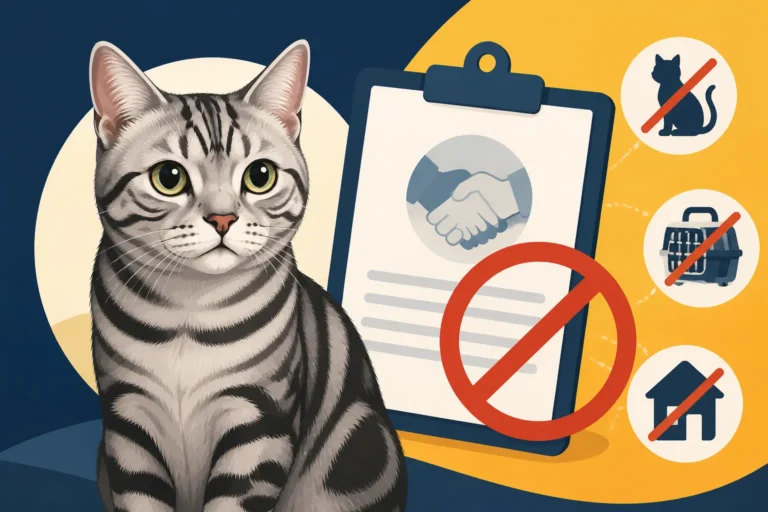
When you purchase a registered American Shorthair, you typically gain access to a dedicated support network. A good breeder serves as a lifelong resource, offering advice on care, nutrition, and behavior. If, for any reason, you're unable to keep your cat, a reputable breeder will often take them back or assist in rehoming, ensuring the cat never ends up in a shelter. This safety net is an invaluable, though often unquantified, part of the pedigree cat ownership experience. Furthermore, many American Shorthair owners opt for pet insurance, like plans from Healthy Paws, which can help mitigate unexpected veterinary costs, regardless of the cat's origin. Whether an American Shorthair Owner Should Keep a Vet Fund is a good read on financial preparation.
Navigating Care for a Random-Bred Cat
For a random-bred tabby, your primary support system will be your veterinarian and your own research. While there are countless resources available online and through communities, you won't have a single point of contact with deep historical knowledge of your specific cat's lineage. This means you might need to be more proactive in seeking information and building your own network of care professionals. Online retailers like Chewy offer a vast array of food, toys, and supplies, making it easy to manage daily care regardless of your cat's background. For specific dietary needs, fresh, customized meal plans can be beneficial for any cat.
The Intangible Value: What You're Truly Paying For
Ultimately, the "gap" between a registered American Shorthair and a tabby isn't just about money. It's about what that money represents in terms of certainty, genetic background, and the support structure that comes with it.
The Value of Predictability and Pedigree
With a registered American Shorthair, you're buying into a legacy of careful breeding, health screening, and temperament selection. You know what size to expect, what kind of coat your cat will have, and generally what their personality will be like. This predictability allows you to prepare better and enjoy a more consistent experience. For some owners, this assurance is paramount, offering peace of mind and confidence in their choice of companion. The breed's history, going back to The Mayflower Cats Behind the American Shorthair, speaks to generations of natural selection and, more recently, deliberate preservation.
The Reward of Rescue
Choosing a random-bred tabby from a shelter offers a different kind of reward. It's the satisfaction of providing a home to a cat in need, often saving a life and giving a deserving animal a second chance. While there might be more unknowns, the bond formed with a rescued cat is often incredibly strong and deeply fulfilling. The joy of watching them blossom in a safe, loving environment is immeasurable. The initial cost is lower, but the emotional return can be just as rich, if not more so, for those who value the act of rescue.
Cost Comparison Table: American Shorthair vs. Random-Bred Tabby
Here’s a simplified breakdown of the general cost considerations and other factors that contribute to the "gap":
| Category | Registered American Shorthair | Random-Bred Tabby (from shelter) |
|---|---|---|
| Initial Acquisition | Higher purchase price (reflects breeder costs, screenings, etc.) | Lower adoption fee (covers initial vet care, spay/neuter) |
| Health Information | Extensive genetic history, parent health screenings, breed-specific health guarantees | Limited to no genetic history; current vet assessment at shelter |
| Temperament | Highly predictable, breed-standard traits (calm, adaptable, friendly) | Variable, based on individual cat's experiences and unknown genetics |
| Breeder Support | Lifelong access to breeder for advice, potential take-back clause | Shelter advice during adoption period; no long-term genetic support |
| Vaccinations/Neutering | Often included in purchase price or performed before leaving breeder | Usually included in adoption fee |
| Pedigree/Papers | Yes, official registration with cat associations | No, typically no formal pedigree |
| Insurance Premiums | Often slightly lower due to known health history, though not guaranteed to be cheap | Can vary; no known genetic predispositions may keep premiums reasonable |
| Potential Hidden Costs | Lower risk of inherited diseases due to screening | Higher potential for unknown genetic health issues later in life |
Final Thoughts on the "Gap"
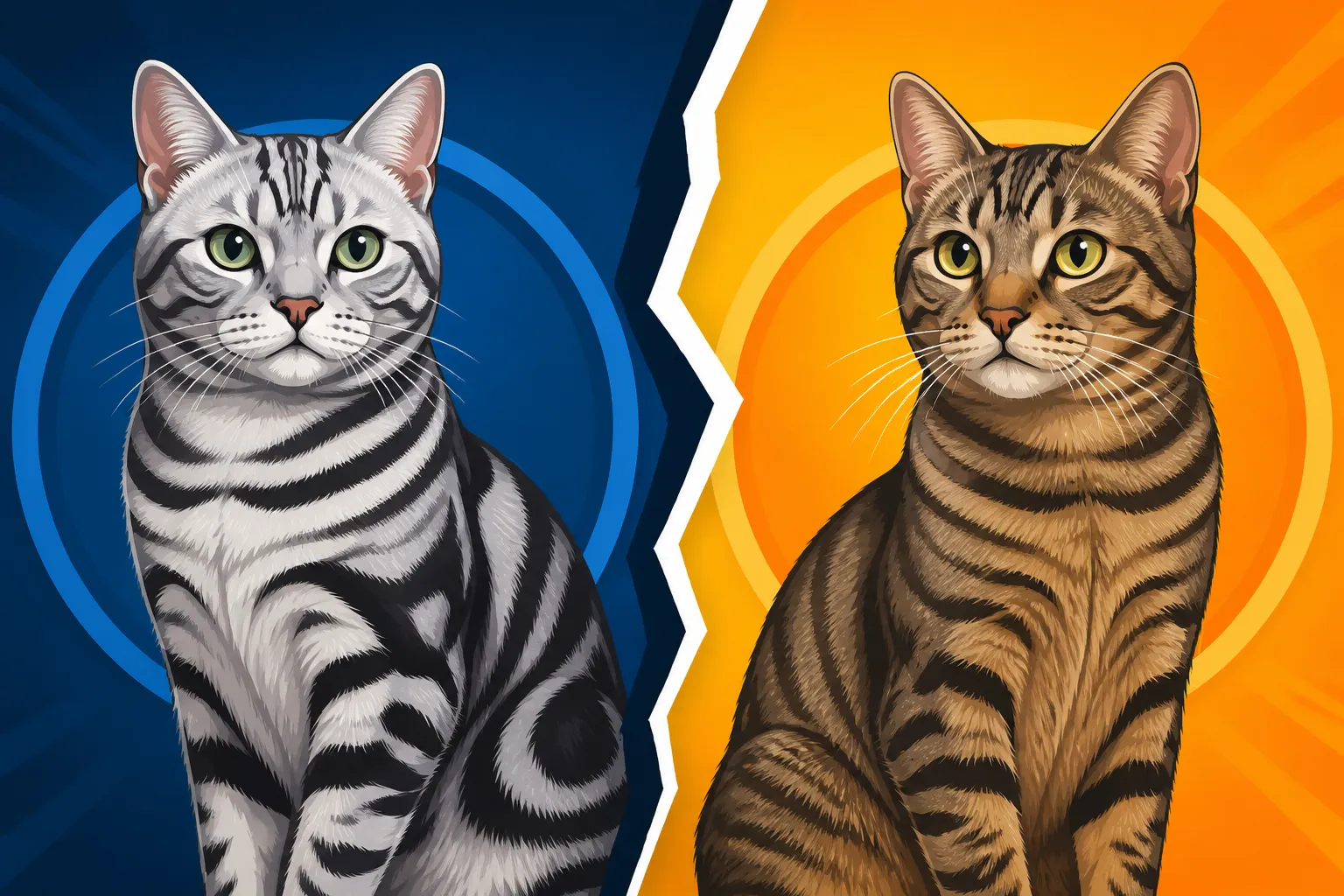
The "gap" between a registered American Shorthair and a random-bred tabby is multifaceted, encompassing initial financial outlay, health predictability, temperament consistency, and the support systems available to you as an owner. There's no single "right" answer; it simply depends on what matters most to you in your journey to find a feline companion.
If you prioritize predictability in health and temperament, value a known lineage, and appreciate the ongoing support of a dedicated breeder, then investing in a registered American Shorthair might be the ideal choice for you. However, if you are drawn to the unique charm of an individual cat, embrace the rewarding experience of rescue, and are prepared for potential unknowns in their background, then a shelter tabby will undoubtedly bring immense joy into your home. Either way, preparing for the lifelong commitment of care, including regular vet visits, quality nutrition, and plenty of love, is the most crucial part of cat ownership.
Disclaimer
This article is for general informational purposes only and does not constitute professional advice. Laws, prices and regulations vary by location and change over time. Consult a qualified professional for guidance on your specific situation.