What Prey Toys Cost an American Shorthair Owner a Year
It's a common misconception that getting a cat means you save money on "stuff" compared to, say, a dog. You just need a bowl and a litter box, right? Oh, if only it were that simple, especially with a breed like the American Shorthair. These wonderful cats might seem low-maintenance, but they come with a deep, ingrained hunting instinct that absolutely demands an outlet. If you don't provide appropriate prey toys, they'll find their own "prey" – often your furniture, curtains, or even your ankles! This guide will dive deep into what those essential prey toys actually cost an American Shorthair owner over the course of a year, and how those expenses can add up.
Understanding the American Shorthair's Primal Play Needs and Why Toys Aren't Optional
Your American Shorthair isn't just a cuddly companion; they are direct descendants of robust, self-sufficient working cats who earned their keep by hunting vermin on ships and farms. This isn't just a cute quirk; it's a fundamental part of their genetic makeup. When you bring an American Shorthair into your home, you're welcoming a natural-born hunter, and that instinct needs to be satisfied in a healthy way. Ignoring it isn't just unkind; it often leads to behavioral issues that are far more costly (and frustrating!) than a well-stocked toy box.
The Inherent Hunter: What Drives Their Need for Prey Toys
Imagine generations of cats, day in and day out, stalking, chasing, pouncing, and catching. This isn't just about survival; it's a deeply ingrained behavioral sequence that brings them immense satisfaction. For an American Shorthair, the thrill of the hunt is as essential as eating or sleeping. They have incredible reflexes, powerful hind legs for pouncing, and a keen eye for movement, all honed over centuries for one purpose: to be effective predators. This means they're not just looking for something to bat around; they're looking for something that behaves like prey, something they can stalk, "kill," and carry off. This is why a simple ball often isn't enough; it doesn't complete the "hunt." The American Shorthair Still Hunts, Whether You Want It To or Not touches on this innate drive. If you've ever seen your American Shorthair twitch their tail, crouch low, and then explode into action after a dust bunny or a shadow, you've witnessed this primal urge firsthand. It's not optional for them; it's who they are.
The Indoor Challenge: Mimicking the Hunt for Your American Shorthair
Since most American Shorthairs are indoor-only cats (and for good reason, given the outdoor risks), we, as responsible owners, have a duty to recreate that hunting experience safely within our homes. This isn't about letting them catch actual mice – please, no! – but about providing toys that simulate the entire predatory sequence. We need items that can be "stalked," "chased," "caught," and sometimes even "killed" (in the form of a successful pounce and "shaking" of the toy). Think about it from their perspective: a sedentary life with no outlet for this powerful drive would be incredibly frustrating. This frustration can manifest as destructive scratching, over-grooming, anxiety, or even aggression. So, when we talk about the cost of prey toys, we're not just talking about entertainment; we're talking about preventing much larger problems and ensuring their mental and physical well-being. What an Indoor American Shorthair Does With a Mouser's Instinct explores this topic further, showing just how important this simulated hunting is for their happiness.
Why "Any Toy" Just Won't Cut It for an American Shorthair
You might pick up a cheap plastic ball or a crinkly fabric toy from the dollar store, thinking "that's a cat toy!" And for some cats, it might be. But for an intelligent, prey-driven American Shorthair, these often fall flat. They quickly lose interest because these toys don't mimic the erratic, unpredictable movement of real prey. They don't engage their stalking instincts, nor do they offer the satisfying "capture" and "kill" sensation. High-quality wand toys with interchangeable lures, realistic plush mice, and interactive puzzle feeders are often far more effective because they tap into that deep-seated hunting programming. Imagine trying to satisfy a human's desire for a challenging puzzle with a simple children's block. It just won't work, and the same principle applies to your discerning American Shorthair.
Breaking Down the Annual Investment in American Shorthair Prey Toys
So, what does this commitment to satisfying their inner hunter actually look like in terms of your wallet? It's not a single, one-time purchase. Prey toys are a recurring expense, because let's be honest, American Shorthairs are good at "killing" their toys. They wear them out, tear them apart, and sometimes, frankly, just lose them under the sofa.
The Ever-Changing Arsenal: Types of Prey Toys and Their Typical Lifespans
When it comes to prey toys, you're looking at a diverse landscape, each with its own cost and lifespan. It's not about buying one type; it's about building an "arsenal" that offers variety and stimulation.
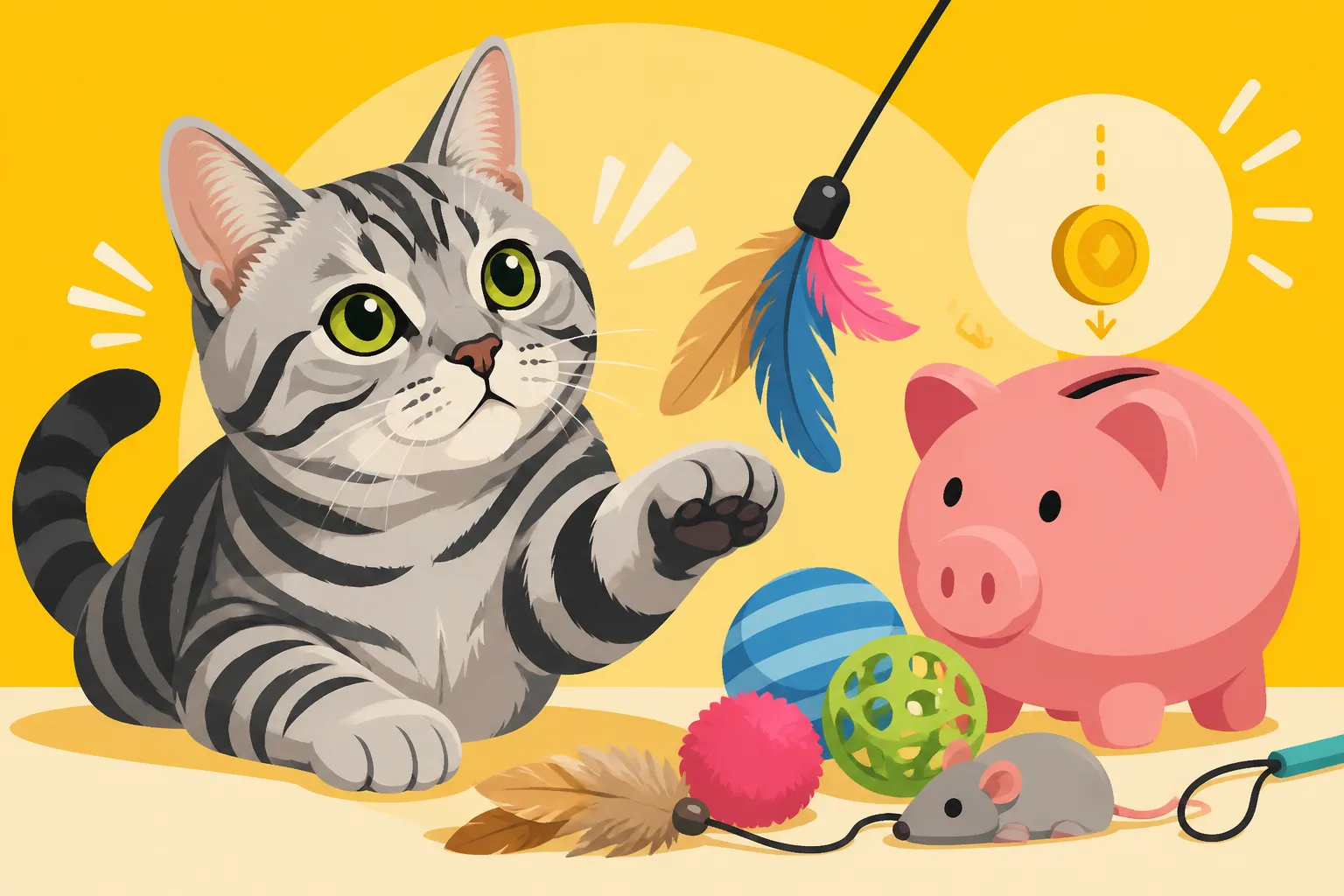
- Wand Toys and Interchangeable Lures: These are arguably the most effective for engaging an American Shorthair's prey drive because you control the movement, mimicking real prey behavior. They usually consist of a sturdy wand (metal or flexible plastic) and various attachments like feathers, fur mice, or crinkly bits. While the wand itself can last a long time, the lures? Not so much. A determined American Shorthair can shred a feather lure in a few enthusiastic play sessions.
- Lifespan: Wands: 1-3 years (or longer if sturdy). Lures: 1 week to 3 months, depending on material and intensity of play.
- Real-Life Scenario: My American Shorthair, Jasper, absolutely adores feathered lures. We go through at least one a month, sometimes more if he's particularly rambunctious. He'll "kill" it, carry it off, and then bring it back for more. It's fantastic exercise, but those feathers don't stand a chance against his powerful jaws. I found that Which Wand Toy Reads as Prey to an American Shorthair really highlighted the importance of choosing the right lure.
- Plush Mice and Small "Kill" Toys: These are essential for the "capture" and "kill" part of the hunt. American Shorthairs love to pounce on them, carry them around, and sometimes even "groom" them post-hunt. They can be stuffed with catnip for added appeal.
- Lifespan: 1-6 months, often less if they're particularly loved and subjected to vigorous "killing" shakes.
- Real-Life Scenario: My friend's American Shorthair, Luna, has a particular plush mouse she's obsessed with. It's now just a tattered scrap of fabric, but she still brings it to my friend every night. They usually buy a multi-pack of these smaller toys every couple of months because they either get destroyed or disappear into the cat dimension under the furniture.
- Puzzle Feeders and Treat Dispensers: These aren't just toys; they're vital mental enrichment. They make your American Shorthair "work" for their food or treats, simulating the effort required to get a meal. This slows down eating and provides much-needed mental stimulation.
- Lifespan: 6 months to several years, depending on durability and how aggressively your cat interacts with them. Plastic ones can crack, while ceramic or sturdier models last longer.
- Real-Life Scenario: We use a puzzle feeder every day for our cat's morning meal. It means she spends 15-20 minutes batting kibble out of it, rather than scarfing it down in 30 seconds. This has definitely helped keep her weight in check, which is a real concern for indoor cats. Whether a Puzzle Feeder Satisfies an American Shorthair delves into why these are so effective.
- Interactive Electronic Toys: Laser pointers (used carefully to avoid frustration!), automated mice, or rotating feather toys can offer bursts of entertainment.
- Lifespan: 6 months to 2 years, often limited by batteries or mechanical parts.
- Real-Life Scenario: I bought an automatic feather spinner once, thinking it would keep my cat entertained for hours. It did, for about two weeks, before he managed to dismantle the feather attachment and then ignored the rest. They can be a bit hit-or-miss, and the battery costs can add up if they're a daily staple.
Here's a quick overview of toy types and their general replacement needs:
| Toy Type | Typical Cost Range (per item) | Average Lifespan | Replacement Frequency |
|---|---|---|---|
| Wand Toy (Wand & 1 Lure) | Moderate | Wand: 1-3+ years | Lures: Weekly-Monthly |
| Feather/Fur Lure Replacements | Low-Moderate | 1 week – 3 months | Monthly-Quarterly |
| Plush Mice/Small Kill Toys | Low-Moderate | 1-6 months | Quarterly-Bi-annually |
| Crinkle Balls/Springs | Very Low | 1-12 months | Quarterly-Bi-annually |
| Puzzle Feeder | Moderate-High | 6 months – 2+ years | Annually-Bi-annually |
| Electronic/Automated Toy | High | 6 months – 2 years | As needed (repairs/batteries) |
The Replacements: How Often You'll Be Restocking
This is where the annual cost really comes into play. It's not just the initial purchase; it's the ongoing cycle of replacement. American Shorthairs are effective "killers" of their toys, which is exactly what you want! But it means those toys won't last forever.
- Wand Lures are a Constant: For an American Shorthair, interactive play with a wand toy is paramount. You should aim for at least two vigorous play sessions a day, each lasting 10-15 minutes, allowing your cat to "catch" the toy multiple times. How Many Hunts a Day an Indoor American Shorthair Needs reinforces this. This kind of intense play means feather and fur lures will take a beating. Expect to replace these frequently, perhaps even buying multi-packs monthly or bi-monthly from retailers like Chewy. These smaller purchases, while individually inexpensive, add up over the year.
- The Disappearing Act of Small Toys: Those cute little plush mice, crinkle balls, and plastic springs? They vanish. Into the depths under the fridge, behind the washing machine, or simply carried off to some secret lair. Even if they don't get destroyed, you'll find yourself needing to replenish these regularly. Buying in bulk or multi-packs can mitigate this a bit, but budget for these ongoing disappearances.
- The Wear and Tear on Puzzle Feeders: While more durable than a feather, puzzle feeders can also show wear. Cats can chew on plastic edges, or if they're dropped, they might crack. The mechanisms can also get sticky or worn out. You might not replace these every year, but budgeting for one new puzzle feeder every 1-2 years is a reasonable expectation to keep things fresh and functional.
Beyond the Basic: Interactive and Advanced Enrichment Costs
Some owners opt for more advanced enrichment, especially for highly intelligent or energetic American Shorthairs.
- Catnip Refills and Sprays: Catnip can breathe new life into old toys or make new ones instantly appealing. While a small bag lasts a while, incorporating it regularly adds to the cost.
- Treats for Puzzle Feeders: If you're using a puzzle feeder, you're also factoring in the cost of appropriate, healthy treats. Healthy treats with wholesome ingredients can be a great option for these rewards, but remember to factor them into your overall budget. These aren't just “extra food” but a vital part of the enrichment experience.
- Enrichment Subscriptions: Some companies offer monthly subscription boxes filled with new toys, treats, and accessories. These can range widely in price and quality. While convenient, they might not always offer the specific "prey" type toys your American Shorthair truly needs, so choose wisely. However, they can be a fun way to introduce novelty without having to constantly browse.
Factors That Inflate or Deflate Your Yearly Toy Budget
The annual cost isn't fixed; it's a dynamic figure influenced by several factors unique to your household and your American Shorthair.
Durability Versus Destruction: The Quality-Cost Conundrum
This is a classic dilemma: do you buy cheap toys that get destroyed quickly, or invest in more expensive, durable ones?
- The Cheap Cycle: Many owners fall into the trap of buying inexpensive toys frequently. While the individual cost is low, the cumulative cost can be surprisingly high. You're constantly replacing shredded feathers, headless mice, and springs that have lost their bounce. For an American Shorthair with a powerful bite and strong hunting instincts, many "bargain" toys simply aren't up to the task. They might provide a moment of amusement but quickly become unusable, leading to a cycle of constant re-purchase.
- Investing in Quality: Opting for toys made from more robust materials, like stronger plastics, natural fibers, or well-stitched plush, can sometimes save you money in the long run. A good quality wand toy with secure, replaceable lures might cost more upfront, but if it lasts longer and provides more satisfying play, it's a better investment. However, even the most durable toys are no match for an American Shorthair determined to "kill" their prey. It's about finding that sweet spot between cost and reasonable longevity. Why an American Shorthair Needs to Catch the Toy emphasizes that the "catch" is important, which means the toy will be handled roughly.
Multi-Cat Households and Individual Play Styles
If you have more than one American Shorthair, or a mix of breeds, your toy budget multiplies.
- Double the Fun, Double the Destruction: Two cats mean twice the wear and tear, twice the chances for toys to go missing, and potentially competing play styles that accelerate toy destruction. You might need multiple versions of popular toys to prevent arguments, or different types of toys to satisfy varied preferences.
- The Power Player vs. The Stalker: Even within the American Shorthair breed, individual personalities shine through. Some are gentle stalkers, preferring to bat and carry. Others are power players, ripping apart anything resembling prey with gusto. Your cat's particular play style will dictate how quickly toys need replacing. A cat that "kills" a plush mouse by vigorously shaking it will wear it out much faster than one that simply carries it off. This means you might find yourself budgeting more for durable, robust items if you have a particularly enthusiastic hunter.
The "Retail Therapy" Effect: Sales, Subscriptions, and Impulse Buys
Let's be honest, it's hard to resist a cute new cat toy!
- Sales and Discounts: Keeping an eye out for sales, especially around holidays or at big pet retailers like Chewy, can help you stock up on essentials at a lower price. Buying multi-packs of lures or plush mice often works out cheaper per item than single purchases. This requires a bit of planning, but it's a great way to stretch your budget.
- Subscription Boxes: As mentioned, these can be a mixed bag. While they offer convenience and variety, some cats might be picky about the toys they receive. If your American Shorthair is particular about "prey" type toys, a general subscription box might not be the most cost-effective option if half the items are ignored. Evaluate if the toys provided truly meet your cat's hunting needs before committing to a long-term subscription.
- Impulse Buys: We've all been there! That adorable, sparkly new toy catches your eye, and before you know it, it's in your basket. These unplanned purchases can significantly inflate your annual spend. Try to stick to a list and prioritize toys that you know your American Shorthair will actually engage with and that serve their specific prey drive.
Smart Strategies for Managing Your American Shorthair's Annual Toy Expenditure
Keeping your American Shorthair enriched and engaged doesn't have to break the bank. With a few smart strategies, you can provide plenty of stimulating prey toys without overspending.
DIY Solutions and Creative Repurposing
Sometimes, the best toys are the simplest, and often, free!
- Household Items as Toys: Think creatively! A crumpled piece of paper, a cardboard tube from a paper towel roll, or even a wine cork can become a fantastic, free "prey" item. My American Shorthair is obsessed with the plastic rings from milk bottle caps. Just make sure anything you offer is safe – no small parts that can be swallowed, no toxic materials, and nothing that can unravel and cause blockages. These can be great for impromptu play sessions or when you're looking to cycle in something new without spending a dime.
- Reviving Old Favorites: Is that plush mouse looking a bit sad? A sprinkle of fresh catnip (if your cat responds to it) can make it feel brand new. You can also re-stuff torn plush toys with old t-shirt scraps or more catnip. Don't underestimate the power of a good cleaning, either; some cats prefer their toys fresh.
- Feather Scraps and Craft Supplies: If you're handy, you can often buy small packs of craft feathers or fur scraps (check for pet-safe materials!) and create your own wand toy lures. This is significantly cheaper than buying pre-made lures and allows for endless customization. Just ensure they are securely attached to the wand.
Budgeting for Longevity: Investing in Durable Options
While no toy is truly indestructible for a determined American Shorthair, investing in higher quality items can reduce replacement costs.
- Sturdy Wands and Strong Lure Attachments: Look for wand toys with thicker, more flexible wands and robust connectors for lures. Some brands use strong wires or tough nylon for their lures, which will last longer than delicate feathers. Even if these cost a bit more upfront, the reduced frequency of replacement can make them more economical over a year.
- Well-Constructed Puzzle Feeders: Choose puzzle feeders made from durable, non-toxic materials. Ceramic or hard plastic ones tend to last longer than softer plastics. If you're considering a more expensive electronic toy, read reviews carefully to assess its construction and expected lifespan before committing. Remember, a robust build often means it can withstand more aggressive play from your American Shorthair.
The Power of Rotation and Strategic Shopping
Cats, like people, can get bored with the same old things. A smart rotation strategy can make your toys last longer and keep your American Shorthair perpetually interested.
- Toy Rotation Schedule: Don't leave all the toys out all the time. Keep a selection of 3-5 toys available, and then swap them out every few days or weekly. This makes old toys feel new again and prevents "toy fatigue." It also means toys are subjected to less constant wear and tear, extending their lifespan.
- Strategic Shopping: Plan your toy purchases. Make a list of what you need (lure refills, new plush mice, etc.) and stick to it. As mentioned earlier, taking advantage of sales or buying in bulk from online retailers like Chewy can lead to significant savings over the year. Consider the specific type of prey your American Shorthair is most drawn to and prioritize those. If they're obsessed with feathered items, ensure you always have a good stock of replacements.
- Factor in Overall Pet Expenses: While toy costs are specific, remember they're part of a larger budget. Thinking about your total annual pet expenses, including food (especially high-quality treats for puzzle feeders), litter, vet visits (perhaps aided by insurance), and then allocating a portion for toys, can give you a clearer picture. What an American Shorthair Fits a Modest Budget explores broader financial considerations for ownership.
All in all, the annual cost of prey toys for an American Shorthair owner isn't insignificant, but it's a vital investment in their happiness and health. By understanding their needs, choosing wisely, and employing smart budgeting strategies, you can ensure your beloved hunter always has plenty of "prey" to stalk and conquer.
Disclaimer
This article is for general informational purposes only and does not constitute professional advice. Laws, prices and regulations vary by location and change over time. Consult a qualified professional for guidance on your specific situation.