Whether a Retired American Shorthair Breeding Queen Is Cheaper
Adopting a retired breeding queen can feel like stepping into a beautiful, quiet secret corner of the American Shorthair world. You might be dreaming of a well-behaved, loving companion without the frenetic energy of a kitten, but also wondering if the financial commitment is as significant as it would be for a younger, show-quality animal. Many people assume any pedigree cat comes with a hefty price tag, but the truth about a retired American Shorthair queen's cost, both upfront and long-term, is often pleasantly surprising and offers a unique value proposition for discerning owners. This guide will meticulously break down the various financial aspects, helping you understand whether this wonderful choice is indeed a more economical path to American Shorthair ownership.
Understanding the Journey of a Retired Queen
When we talk about a "retired American Shorthair breeding queen," we're not just talking about an older cat; we're talking about a cat with a very specific background and a lifetime of care already invested in her. Breeders pour their heart, soul, and significant resources into their breeding programs, and the queens are the matriarchs of these lines. These girls have dedicated their reproductive years to contributing to the breed's health and future, producing generations of beautiful, healthy kittens.
Why Breeders Rehome Their Queens
The decision to retire a queen is multifaceted, driven by responsible breeding practices rather than any fault of the cat herself. Typically, a queen might be retired for several reasons. She might have reached an age where breeding is no longer safe or ethical for her health, usually around four to six years old, but sometimes earlier if she's had a few litters. Other times, a breeder might be bringing in new genetic lines and needs to make space. It's also possible that her temperament, while wonderful for raising kittens, might simply be better suited to a quiet, single-cat household where she can truly shine as an individual pet without the dynamics of a bustling cattery.
For the cat, retirement means a permanent transition from a breeding environment to a loving pet home. This isn't a hasty decision; reputable breeders carefully vet potential adoptive families to ensure their beloved queen will receive the best possible care and attention for the rest of her life. They want her to experience the joys of being someone's cherished companion, free from the demands of motherhood.
The Unique Appeal of Adopting a Mature American Shorthair
There's a special charm to adopting an adult cat, and a retired American Shorthair queen exemplifies many of these benefits. Unlike a mischievous kitten who is still figuring out the world (and your furniture), an adult cat often comes with a known personality. Her quirks and preferences are already established, making it easier to determine if she'll be a good fit for your home and lifestyle. She’s typically past the frantic kitten stage, often more settled, calmer, and ready to simply enjoy a cozy lap and a predictable routine.
Beyond her established temperament, a retired queen has typically received exceptional care throughout her breeding life. This means regular veterinary check-ups, high-quality nutrition, and extensive socialization within the breeder's home. You're not just getting a cat; you're getting a cat that has been nurtured and monitored with an attention to detail that few individual pet owners could replicate for a kitten. This foundational care translates into a well-adjusted companion who is often house-trained, litter-box savvy, and already familiar with living in a home environment.
Initial Costs: Adoption Fees and What They Cover
Now, let's address the elephant in the room: the cost. Many people assume that because a cat comes from a reputable breeder, the price will automatically be prohibitive, even for a retired queen. While a pedigree American Shorthair kitten can certainly command a significant sum, the financial landscape for a retired breeding queen is often quite different, making her a potentially more affordable and undeniably valuable option.
The Upfront Price Tag: Is it Lower?
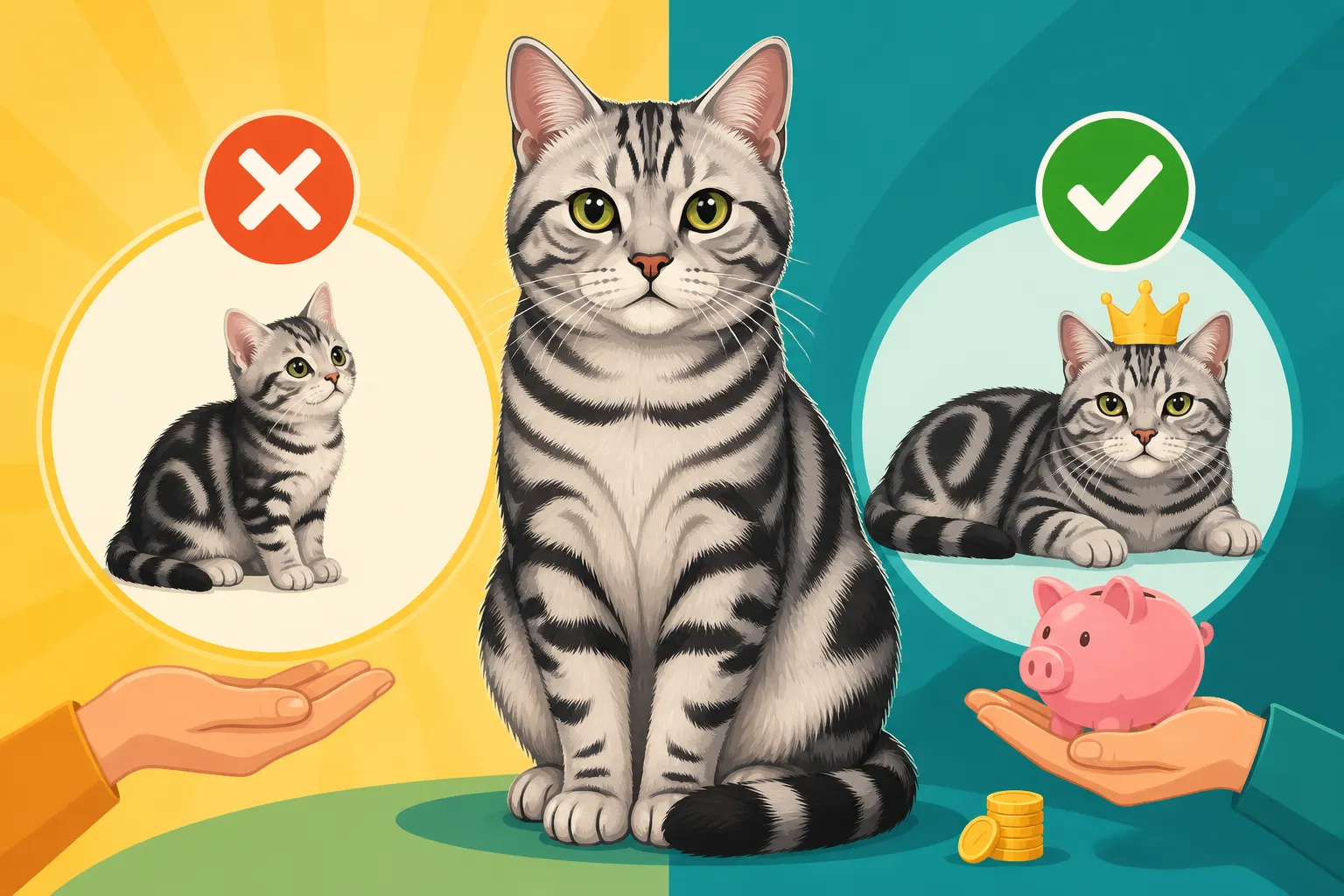
In many cases, yes, the initial adoption fee for a retired American Shorthair breeding queen is considerably lower than that of a kitten from the same breeder. Breeders aren't looking to profit from these adoptions; their primary goal is to secure a loving, permanent home for a cat who has given so much to their program. They view this as a crucial part of their responsibility. The fee typically reflects a contribution towards the significant care and health investments already made, rather than a market price for a "product."
You might find a retired queen listed for a fraction of the cost of a kitten, sometimes even for just a rehoming fee designed to ensure the adopter is serious and committed. This often makes pedigree American Shorthair ownership accessible to a wider range of loving families who might otherwise be priced out of the kitten market. It’s an opportunity to welcome a top-quality, well-bred cat into your life without the hefty initial investment.
What the Adoption Fee Typically Includes
Here's where the true value of adopting a retired queen really shines. The adoption fee, even if it seems modest, usually covers a remarkable array of services and health guarantees that would be very costly if you had to arrange them yourself.
- Spay Surgery: This is perhaps the biggest financial benefit. Every reputable breeder ensures their retired queens are spayed before going to their new homes. The cost of a spay surgery for an adult cat can be substantial, often hundreds of dollars, especially if there are any complications. This is a crucial procedure for her long-term health and preventing unwanted litters, and having it already taken care of represents immediate savings and peace of mind.
- Up-to-Date Vaccinations: Your new queen will arrive with her core vaccinations current, protecting her from common feline diseases. These initial rounds of vaccinations, plus boosters, add up quickly when starting with a kitten.
- Microchipping: Most breeders microchip their cats, ensuring that if she ever gets lost, she can be easily identified and returned to you. This is another small but important expense already covered.
- Extensive Health Screenings: This is arguably the most valuable aspect. Reputable American Shorthair breeders perform rigorous health screenings on their breeding animals. This includes testing for common breed-specific genetic conditions like Hypertrophic Cardiomyopathy (HCM) and potentially hip dysplasia. Your retired queen will likely come with a history of clear health checks, indicating a strong genetic background. What an American Shorthair Breeder Should Have Screened This background dramatically reduces your risk of facing expensive, heartbreaking hereditary health issues down the line. To fully appreciate this, consider Why an American Shorthair Still Needs a Yearly Heart Scan even into old age, and the peace of mind of having a history of clear scans.
- Known Temperament and Socialization: While not a direct financial saving, the immense value of adopting a cat whose personality is already developed and who has been extensively socialized cannot be overstated. You're getting a cat that has been handled, loved, and lived within a family environment, often exposed to various sounds, sights, and people. This reduces the uncertainty and potential behavioral issues that can arise with a kitten whose personality is still forming.
- Registration Papers: While less critical for a pet-only cat, she will likely come with her registration papers from organizations like the CFA (Cat Fanciers' Association), proving her purebred status and lineage. This is a testament to the breeder's commitment to the breed standard and the cat's documented heritage.
Comparing these inclusions to the cost of purchasing a kitten and then arranging all these services yourself highlights the true financial advantage of a retired queen.
| Feature | Retired Breeding Queen (Typical) | Young American Shorthair Kitten (Typical) | Cost Implication for Adopter (Retired Queen) |
|---|---|---|---|
| Initial Fee | Lower to Moderate | Higher | Significant upfront savings |
| Spay/Neuter Surgery | Included, already done | Additional cost, usually mandatory | ~$200-$500 saved |
| Initial Vaccinations | Included, up-to-date | Included, but often requires boosters | ~$100-$200 saved |
| Microchipping | Included, already done | Additional cost | ~$50 saved |
| Health Screenings | Extensive history provided | Parentage screened, kitten not fully | Reduced risk of future vet bills, peace of mind |
| Temperament | Known and established | Developing, variable | Less uncertainty, potentially fewer behavior interventions |
| House-Training | Established | In progress | No training required, fewer accidents |
| Breeder Support | Ongoing for life | Ongoing for life | Invaluable guidance |
This table clearly illustrates that while you still pay an adoption fee, the "effective cost" for everything you receive is often much lower when adopting a retired queen.
Ongoing Costs: Health, Food, and General Care
Even if the initial adoption fee is lower, the long-term cost of owning any pet is where the real investment lies. So, how does a retired American Shorthair breeding queen stack up in terms of ongoing expenses? Generally, the American Shorthair is a robust breed, known for its good health, which typically translates to fewer veterinary bills compared to some more fragile pedigrees. However, a retired queen is an adult cat, and adults have their own unique needs.
Nutrition and Diet
Feeding an American Shorthair requires attention, especially since their ancestors were working cats, constantly hunting for their meals. The breed's inherent appetite often outlasts its modern indoor lifestyle, making them prone to weight gain. A retired queen, now living a more sedentary life, will need a carefully portioned diet of high-quality food. You'll want to choose a food that supports her muscle mass without packing on excess calories. Look for balanced, nutritious foods, including specific formulas for adult or senior cats, which can be essential. What Extra Weight Does to an American Shorthair's Working Frame is a real concern, and a proper diet is your first line of defense. Expect to spend a regular amount on quality food, which can vary based on the specific brand and type (wet, dry, or a combination) you choose. Remember, feeding a cat a little less but higher quality food is always better than overfeeding a cheaper, less nutritious option.
Veterinary Care: Routine vs. Age-Related
While American Shorthairs are generally healthy, no cat is immune to the aging process. Regular veterinary check-ups are paramount. For a mature cat, this means yearly wellness exams, where your vet will assess her overall health, dental condition, and discuss any changes you've noticed. How Regularly a Healthy American Shorthair Still Needs Checking is a critical question for any pet owner, and for a retired queen, it's about maintaining the excellent health she's already demonstrated.
- Dental Health: Dental disease is incredibly common in cats as they age, and it can be a silent source of pain and infection. Even with a history of good care, a retired queen might still need professional dental cleanings over her lifetime. Why an American Shorthair Loses Teeth Nobody Noticed highlights how easily these issues can go unnoticed until they're significant. These procedures can be costly, often requiring anesthesia, so budgeting for potential dental work is wise.
- Breed-Specific Monitoring: Although your queen comes from screened lines and likely has a history of clear results, conditions like HCM can still manifest later in life. Continuing with occasional heart scans, especially as she gets older, might be recommended by your vet. While less frequent than for a breeding cat, it's a possibility.
- General Aches and Pains: As cats enter their senior years, joint stiffness and other age-related discomforts can begin. You might find yourself investing in joint supplements or discussing pain management options with your vet. What an Aging American Shorthair's Medication Bill Reaches can become a significant part of senior cat care.
Pet Insurance: A Smart Investment
Given the potential for age-related health issues, even in a generally robust breed like the American Shorthair, pet insurance can be a very sensible investment. Companies like Healthy Paws offer plans that can help cover unexpected veterinary costs, from accidents to illnesses. While premiums might be slightly higher for an older cat compared to a kitten, the peace of mind it provides can be invaluable. Considering Whether Insurers Rate the American Shorthair Cheaply, you might find their general health helps keep premiums reasonable, but an older enrollment age can influence it. It's always worth getting a quote to understand how a policy could mitigate financial risk as your retired queen enjoys her golden years.
Supplies and Enrichment
The good news is that an American Shorthair isn't a particularly demanding breed when it comes to elaborate toys or constant new gadgets. They appreciate consistency and quality.
- Litter and Litter Boxes: A sturdy, appropriately sized litter box is a must. Given their solid build, an American Shorthair appreciates a box they can comfortably turn around in. Regular, high-quality litter purchased from places like Chewy will be an ongoing expense.
- Scratching Posts: To protect your furniture and keep her claws healthy, provide several scratching posts. American Shorthairs are adept at claw maintenance, but they need the right surfaces. What a Scratching Post for an American Shorthair Costs isn't a huge expense, but vital for their well-being and your sofa's longevity.
- Toys: While not as frenetic as a kitten, an adult American Shorthair still benefits from interactive play that satisfies their natural hunting instincts. Wand toys, crinkle balls, and puzzle feeders can keep her mentally stimulated.
- Grooming Supplies: The American Shorthair's dense, resilient coat is remarkably low-maintenance. A weekly brush with a good quality comb is usually all that's needed to manage shedding. When an Old American Shorthair Needs Help Grooming might mean slightly more frequent brushing if she can't reach all her spots, but generally, their grooming needs are minimal.
Potential Unexpected Costs
Life happens, and even with the best planning, unexpected costs can arise. These might include emergency vet visits for an injury (less common for indoor cats but still possible), unforeseen illnesses, or a need for prescription diets if a health issue develops. Having an emergency fund or robust pet insurance is crucial for managing these situations without financial stress.
The Emotional and Practical Considerations Beyond the Price Tag
While the financial aspect is a critical part of the decision, bringing a retired American Shorthair queen into your home involves a wealth of emotional and practical considerations that go far beyond the dollar signs. These intangible benefits often outweigh any minor financial differences.
The Adjustment Period for a Cat with History
A retired queen has lived a life with purpose in a cattery environment, often with a consistent routine, specific smells, and familiar faces. When she moves to your home, she's embarking on a new chapter, and like any major life change, it requires an adjustment period. She might be a bit shy or reserved at first, taking her time to explore her new surroundings and get comfortable. It's important to provide a quiet, safe space for her initially, allowing her to come out and investigate at her own pace. This might mean keeping her in one room for a few days, providing her with food, water, litter, and a cozy bed.
Remember, she's not a blank slate like a kitten; she has memories and experiences. Respecting her need for space and patience during this transition will build trust and help her settle in more quickly. Your patience and understanding during this time are far more valuable than any money you might spend on special toys or treats.
Understanding Her Unique Personality and Demeanor
One of the greatest joys of adopting an adult cat is getting to know their established personality. American Shorthairs are generally known for their calm, adaptable, and affectionate nature. They are often described as "velcro cats" who love to be near their people without being overly demanding. A retired queen will likely embody these traits, having been handled extensively by her breeder and socialized within a home environment. You'll quickly discover her favorite napping spots, her preferred way to be petted, and the subtle cues she uses to communicate.
These cats are often quiet companions. How Undemanding an American Shorthair Really Is is a characteristic that many owners cherish. They thrive on routine and a peaceful home, making them ideal for families who appreciate a cat's presence without constant clamor. They might not be the loudest communicators, but they express affection in their own unique, gentle ways, perhaps by rubbing against your legs, slowly blinking at you, or quietly joining you on the sofa for an evening cuddle.
The Invaluable Support from a Reputable Breeder
When you adopt a retired queen from a good breeder, you're not just getting a cat; you're gaining a lifelong resource. Reputable breeders are deeply invested in the well-being of every cat they bring into the world, and that commitment doesn't end when a queen retires. They are typically available to answer questions, offer advice, and provide support throughout your cat's life. This ongoing relationship can be incredibly valuable, especially for first-time American Shorthair owners or if you encounter any unexpected challenges.
This support network includes knowledge of her specific lineage, health history, and temperament, offering insights that a shelter or rescue might not be able to provide. It's an often-overlooked benefit that provides immense peace of mind.
The Many Years of Love She Still Has to Give
While she may be "retired," an American Shorthair queen often has many wonderful years ahead of her. This breed is renowned for its longevity, with many living into their mid to late teens, and some even reaching twenty years or more. The Fifteen to Twenty Years the American Shorthair Was Given is a testament to their robust health and good genes. Adopting a retired queen, even if she's four or five years old, means you're still likely to enjoy over a decade of her companionship.
These later years are often the most rewarding. A mature cat's affection is profound and settled. She’s often past the high-energy demands of youth and settles into a comfortable rhythm of companionship, quiet contentment, and unwavering loyalty. The experience of providing a deserving queen with a peaceful, loving forever home after her years of service to the breed is incredibly fulfilling. You're not just adopting a cat; you're honoring her contribution and giving her the pampered retirement she truly deserves.
Disclaimer
This article is for general informational purposes only and does not constitute professional advice. Laws, prices and regulations vary by location and change over time. Consult a qualified professional for guidance on your specific situation.