Whether an American Shorthair Breeder Should Be Visited
Deciding to bring an American Shorthair into your home is a truly wonderful step, but the path to finding the perfect feline companion can feel a bit daunting. Many people wonder if making the effort to visit a breeder in person is truly necessary, especially when you can see adorable photos and videos online. It's a valid question in our digital age, but I'm here to tell you that for something as important as a new family member, a physical visit is incredibly valuable, offering insights you simply can't get any other way. This guide will walk you through exactly why visiting an American Shorthair breeder isn't just a nice idea, but a crucial part of making an informed decision about your future cat.
Why Visiting a Breeder is Absolutely Essential (Not Just Optional)
In today's fast-paced world, it’s tempting to rely on online pictures, videos, and phone calls when choosing a kitten. We’re all busy, and sometimes a breeder might be a few hours’ drive away. But when it comes to finding a healthy, well-adjusted American Shorthair, cutting corners on an in-person visit can lead to unforeseen issues down the line. It's about more than just seeing a cute face; it's about understanding the entire environment your future companion is coming from.
Seeing the Environment Firsthand
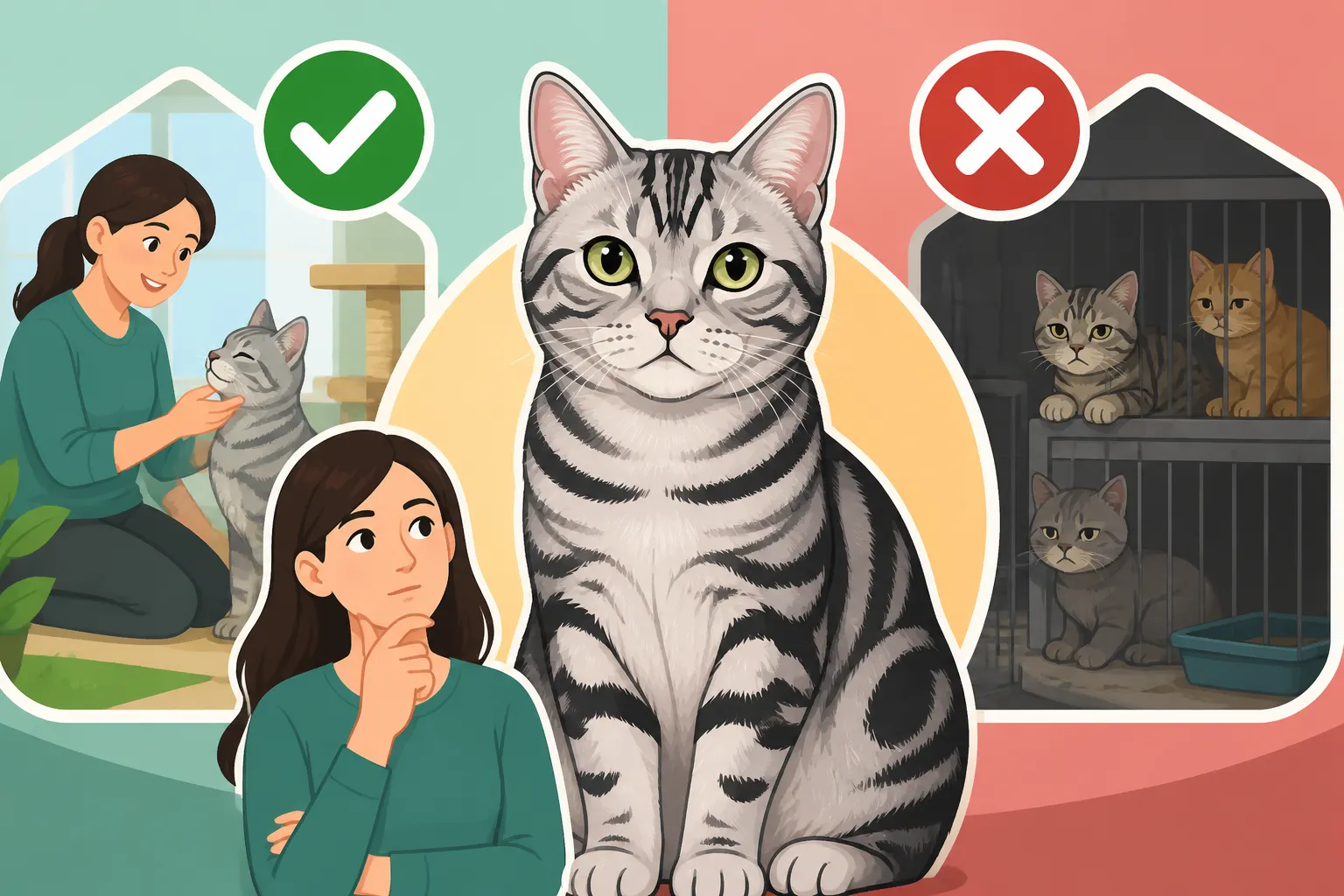
Imagine looking at a beautiful photo of a kitten online – sparkling clean, perfectly posed. Now imagine that kitten actually lives in a cramped, unsanitary, and overly loud environment. Without visiting, you'd never know the difference. Seeing where the kittens are raised gives you a true picture of their early life experiences. Is the space clean and well-maintained? Does it smell fresh, or are there lingering odors? Are the kittens housed in a busy, interactive part of the home, or tucked away in a quiet, isolated room?
A reputable American Shorthair breeder will typically raise their kittens in a stimulating, home-like environment, exposed to everyday household noises, gentle handling, and various surfaces. This helps them become well-rounded, confident adults. If you visit and find kittens confined to small cages, or in an area that feels neglected, that's a serious red flag. You want to see ample space for play, clean litter boxes, and fresh food and water readily available. A breeder who is proud of their setup will be eager to show it off, as it reflects their dedication to the well-being of their cats.
Observing the Queen and Sire (If Possible)
While you might not always get to meet the sire (male parent) if the breeder uses outside studs, observing the queen (female parent) is absolutely critical. The mother cat's temperament, health, and how she interacts with her kittens will tell you volumes about what you can expect from her offspring. Is she friendly and relaxed around you, or is she skittish, anxious, or even aggressive? A calm, confident queen is likely to produce kittens with similar traits.
Furthermore, her physical condition is a direct reflection of the care she receives. Does she look healthy, well-fed, and free of parasites? A queen who is emaciated or has a dull coat might indicate poor nutrition or underlying health issues that could be passed on to her kittens. Discussing the parents' health history, including any genetic testing, is vital. You want to make sure the breeder is proactive about screening for common issues like HCM (Hypertrophic Cardiomyopathy), which can affect American Shorthairs, even if it's less common than in some other breeds. Ask about their cardiac screening protocols; Why an American Shorthair Still Needs a Yearly Heart Scan and How Rare HCM Is in an American Shorthair are good resources to understand the importance of this.
Assessing Kitten Socialization
The first few weeks of a kitten's life are crucial for socialization. During your visit, you get to see how the kittens interact with each other, with the breeder, and with you. Do they approach you curiously, or do they cower in a corner? Are they playful and active, or lethargic and withdrawn? A well-socialized American Shorthair kitten should be comfortable with human touch, not overly fearful, and show an eagerness to explore.
Observe how the breeder interacts with them. Are they handled regularly with kindness and patience? Are they exposed to various sounds and gentle stimulation? This early exposure helps them adapt to new situations and people later in life. A kitten that hasn't had proper socialization might grow into an anxious or fearful adult, making it harder for them to integrate into a new home. This is where you really start to see the difference between a responsible breeder and someone simply producing kittens for profit. The goal is a confident, friendly cat, not just a healthy one.
What to Look For During Your Visit: The Red Flags and Green Lights
Stepping into a breeder’s home can feel a bit overwhelming, especially if it’s your first time. You might be distracted by the adorable kittens! But it's essential to remain observant and analytical. Think of yourself as a detective, looking for clues that indicate excellent care, ethical practices, and a healthy future for your American Shorthair.
Health and Hygiene Indicators
When you arrive, take a deep breath and observe. The overall impression should be one of cleanliness and order. While it's a home with animals, it shouldn't be dirty or smelly.
- Cleanliness: Are the litter boxes spotless? Is there food and water down that looks fresh, not stale or slimy? Are the cat trees and bedding clean? A truly dedicated breeder prioritizes hygiene to prevent the spread of illness.
- Kitten Health: Examine the kittens themselves. Their eyes should be bright and clear, with no discharge. Noses should be clean, not runny. Ears should be free of wax and mites – remember, How Rarely an American Shorthair Gets an Ear Infection suggests they should be quite clean. Their coats should be soft and shiny, not dull, greasy, or full of fleas. Look for any signs of sneezing, coughing, or lethargy. A healthy kitten is active, curious, and playful.
- Physical Appearance of all cats: Beyond the kittens, observe the adult cats you see. Are they all in good body condition? Are their coats well-maintained? This gives you an overall picture of the standard of care in the cattery.
- Lack of Odor: While a subtle "cat smell" might be present, it should not be overpowering or unpleasant. A strong ammonia smell indicates dirty litter boxes and poor ventilation, which is bad for respiratory health.
Breeder Responsiveness and Knowledge
A good breeder isn't just someone who sells cats; they are a passionate advocate for the breed and a fount of knowledge. Pay close attention to how they interact with you and how readily they answer your questions.
- Willingness to Answer: Do they welcome your questions, or do they seem defensive or evasive? A reputable breeder will be happy to discuss their breeding philosophy, the history of their lines, and their health protocols. They might even ask you a lot of questions, which is a good sign! They want to ensure their kittens go to good homes.
- Breed Specific Knowledge: Can they speak intelligently about the American Shorthair breed standard, temperament traits, and common health considerations specific to the breed? You want someone who truly understands The American Shorthair Was One of the CFA's Five Founding Breeds and the unique qualities that make them special. They should be able to explain Why Function Left the American Shorthair Fewer Faults and what that means for your cat's health.
- Transparency: Are they open about showing you all areas where the cats reside, or do they try to steer you away from certain rooms? Transparency builds trust.
- Ethical Practices: A responsible breeder will not allow kittens to go to new homes before they are at least 12-14 weeks old. This gives them crucial time to learn social skills from their mother and littermates. Be wary of anyone offering kittens too young.
The Paperwork Trail
This is where the rubber meets the road. During your visit, you should expect to see and discuss various documents that prove the legitimacy and health efforts of the breeder.
- Health Guarantees: Reputable breeders provide a written health guarantee, outlining their responsibilities if the kitten develops certain genetic health problems within a specified timeframe. This protects both you and the breeder.
- Vaccination and Worming Records: Each kitten should have a clear record of their first vaccinations and deworming schedule. This should be verified by a licensed veterinarian.
- Pedigree and Registration: If you're buying a purebred American Shorthair, you should receive registration papers (or proof they will be sent) from a recognized registry like the CFA. This proves the kitten's lineage. Ask about the generations shown on the pedigree – Which Generations an American Shorthair Pedigree Must Show can help you understand what to look for.
- Health Screening Results for Parents: This is paramount. The breeder should be able to show you clear health certifications for the parents, especially for cardiac screening like echocardiograms to rule out HCM. Ask for proof, not just promises. What an American Shorthair Breeder's Echo Paperwork Should Say and Why an Echo Beats a Gene Test in an American Shorthair are excellent resources to dive deeper into this.
- Contract: A detailed contract should be provided, covering everything from the purchase price to return policies, spay/neuter agreements, and the health guarantee. Read it carefully and ask for clarification on anything you don’t understand.
Questions to Ask (And Why They Matter So Much)
A visit isn't just for looking; it's for asking. Come prepared with a list of questions. A good breeder will appreciate your thoroughness, knowing you're serious about providing a loving home.
Health History and Testing
This is perhaps the most important category of questions. Don't be shy; your cat's long-term health depends on it.
- "What health screenings do you perform on your breeding cats, particularly for the American Shorthair breed?" Listen for specifics like echocardiograms for HCM.
- Why it matters: While American Shorthairs are generally robust, some conditions can still occur. A breeder who actively screens demonstrates a commitment to reducing inherited health problems.
- "Can I see the health certificates and pedigree for the parents of this litter?"
- Why it matters: Verification is key. Anyone can say their cats are healthy; proof is what truly counts.
- "What is your health guarantee, and what does it cover?"
- Why it matters: A strong health guarantee offers peace of mind and shows the breeder stands behind their cats.
- "What vaccinations and deworming have the kittens received, and when are the next ones due?"
- Why it matters: You need to know their medical history to continue their care seamlessly with your own vet. This also helps plan for your American Shorthair Kitten's First Shots Cost.
- "What vet have you used for these health checks and kitten care?"
- Why it matters: A reputable breeder will have an established relationship with a veterinarian, who can vouch for their practices.
Kitten Rearing Practices
These questions reveal how much effort the breeder puts into raising well-adjusted, confident kittens.
- "Where are the kittens raised in your home?"
- Why it matters: Kittens raised in a central part of the home are typically better socialized and accustomed to household sounds and activity.
- "What kind of socialization do the kittens receive before going to their new homes?"
- Why it matters: This indicates if they are handled regularly, exposed to different people, and introduced to various stimuli. This directly influences their temperament.
- "What are the kittens currently eating, and what kind of litter do they use?"
- Why it matters: Consistency is important for a smooth transition. Knowing their diet helps you prepare their initial meals, perhaps from a brand like Chewy, and avoid tummy upsets.
- "How old will the kittens be when they are ready to go home?"
- Why it matters: As mentioned, kittens should ideally be 12-14 weeks old. This gives them time to learn crucial social skills from their mother and littermates.
Post-Adoption Support and Contract Details
A good breeder doesn't just hand over a kitten and disappear. They offer ongoing support.
- "What kind of support do you offer after I take my kitten home?"
- Why it matters: Knowing you can reach out for advice on diet, behavior, or health concerns is invaluable, especially for first-time American Shorthair owners.
- "What is your policy if, for any reason, I can no longer keep the cat?"
- Why it matters: Reputable breeders will always want their cats returned to them rather than ending up in a shelter. This shows a lifelong commitment to their animals. Where Registered American Shorthairs End Up in Rescue highlights the importance of this.
- "Can I have a copy of the contract to review before I commit?"
- Why it matters: This allows you to read all terms and conditions in a relaxed setting and ensure you understand everything before signing.
| Aspect of Visit | Green Light (Good Sign) | Red Flag (Warning Sign) |
|---|---|---|
| Environment | Clean, fresh-smelling, organized, spacious | Dirty, strong ammonia odor, cramped cages, isolated areas |
| Cat Health | Bright eyes, clear noses, shiny coats, active, playful kittens | Discharge from eyes/nose, dull coat, lethargy, sneezing |
| Breeder | Welcoming, knowledgeable, transparent, asks you questions | Evasive, defensive, pushes for quick sale, little breed knowledge |
| Parents | Healthy, friendly, calm temperament (especially the queen) | Skittish, anxious, unkempt, unseen |
| Paperwork | Provides health guarantee, clear records, pedigree, contract | No papers, vague health promises, no contract |
| Kitten Age | Kittens are 12-14 weeks or older before going home | Kittens offered before 10-12 weeks of age |
Overcoming Logistical Hurdles: When a Visit Isn't Easy
We all know life can throw curveballs. What if your ideal American Shorthair breeder is hours away, or even in another state? While an in-person visit is always the gold standard, there are ways to mitigate the risks if a physical trip simply isn't feasible. But always, always try for the visit first.
The Role of Video Calls and Virtual Tours
In this digital age, technology offers a lifeline for those unable to visit in person. A breeder who is transparent and willing to accommodate should offer a video call tour of their cattery.
- Live Video Calls: Request a live video call where you can see the kittens, their mother, and their living environment in real-time. Ask the breeder to move the camera around, show you the litter boxes, food stations, and play areas.
- Limitations: While helpful, a video call lacks the sensory input of an in-person visit. You can't smell the air, feel the texture of the kittens' coats, or get a true sense of the overall atmosphere. You also can't gauge the breeder's demeanor as accurately as you would face-to-face.
- Detailed Photos and Videos: Ask for updated photos and videos regularly. These should be recent and show the kittens in various settings, playing, eating, and interacting. Look for consistency in the background, which can indicate they are still in the same environment.
Even with virtual tools, maintain a healthy skepticism. Scammers are unfortunately common. Never send large sums of money without significant verification. Consider using services like Healthy Paws for pet insurance early on, just in case, though ideally, a reputable breeder's health guarantees and proper care should minimize early issues. Also, look into food brands available via Chewy, which can be easily shipped no matter where you eventually bring your kitten home.
The Importance of a Local, Reputable Network
If an in-person visit is truly out of the question due to distance, consider leveraging networks closer to you.
- Breed Clubs and Associations: Reach out to the national or regional American Shorthair breed club. They often have lists of reputable breeders and may be able to connect you with someone who has personally visited a distant breeder or can recommend someone closer.
- Veterinarian Referrals: Your local veterinarian might have connections or insights into breeders, even if they're not local. They often know which breeders prioritize health and good practices. Ask for referrals and then start your own due diligence.
- Personal References: Ask the breeder for references from previous kitten buyers. If possible, contact these individuals and ask them about their experience, including whether they visited the cattery and what they observed.
Ultimately, while convenience is tempting, the small investment of time and effort to visit an American Shorthair breeder in person pays dividends for the next fifteen to twenty years you'll share with your new feline friend. It’s about ensuring you bring home a healthy, well-adjusted companion who will thrive in your family for a lifetime. The Fifteen to Twenty Years the American Shorthair Was Given is a long time, and you want to start it off right!
Disclaimer
This article is for general informational purposes only and does not constitute professional advice. Laws, prices and regulations vary by location and change over time. Consult a qualified professional for guidance on your specific situation.